

Exploring the Depths: Spearfishing in San Diego
Dive into the exhilarating world of spearfishing in San Diego! Discover the best spots, techniques, and gear for an unforgettable underwater adventure.
Read now
In the heart of the Minnesota outdoor community, there's an activity that combines the thrill of hunting with the serene beauty of underwater exploration—spearfishing. This unique sport allows adventurers to engage with the aquatic environment in a way few other activities can. However, to ensure both the safety of participants and the sustainability of aquatic life, understanding and adhering to Minnesota's spearfishing regulations is essential.
Spearfishing in Minnesota is not just about the catch; it's about immersing oneself in the natural beauty of the state's abundant lakes and rivers. It's a practice that requires skill, patience, and respect for the environment. But before one can dive into these waters, a thorough understanding of the local regulations is crucial.
Minnesota's Department of Natural Resources (DNR) outlines specific regulations for spearfishing to protect both the fish populations and the spearfishers. These rules cover everything from the types of fish that can be speared to the equipment used and the times and places where spearfishing is permitted.
For instance, certain species like bass and walleye have specific seasons and size limits to ensure their populations remain healthy. Additionally, the use of artificial lights to attract fish is strictly regulated, preserving the natural behavior of the aquatic ecosystem.
Before embarking on a spearfishing adventure, securing the proper licenses is a must. Residents and non-residents alike must obtain a fishing license, with additional spearing licenses required for those wishing to engage in this specific activity. These licenses contribute to conservation efforts and ensure the continued enjoyment of Minnesota's natural resources.
The process for obtaining these licenses is straightforward and can be completed online or at various authorized vendors throughout the state. The funds from these licenses go towards fishery management, habitat restoration, and educational programs, making each spearfisher a direct contributor to the preservation of Minnesota's aquatic environments.
Safety is paramount in spearfishing, not just for the participants but also for the aquatic life and ecosystems. Adhering to best practices ensures a safe and enjoyable experience for everyone involved.
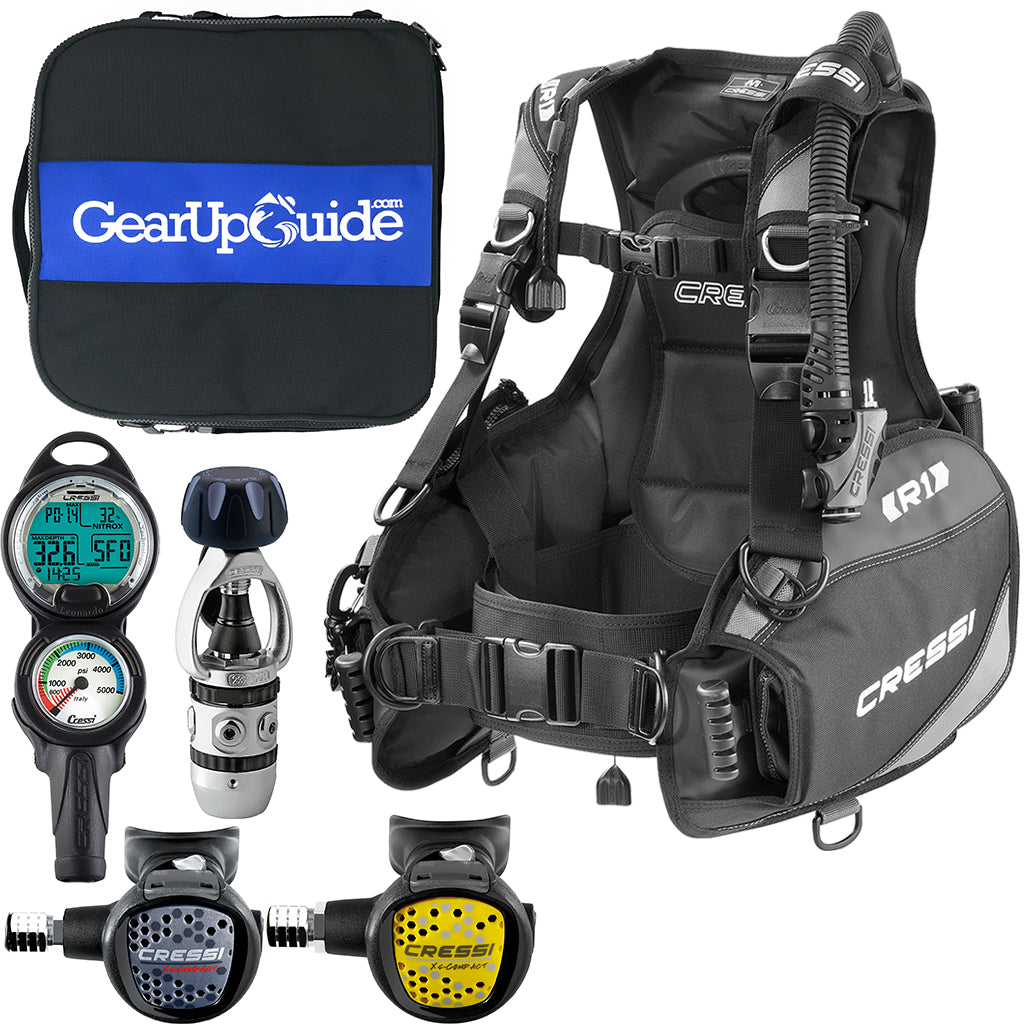
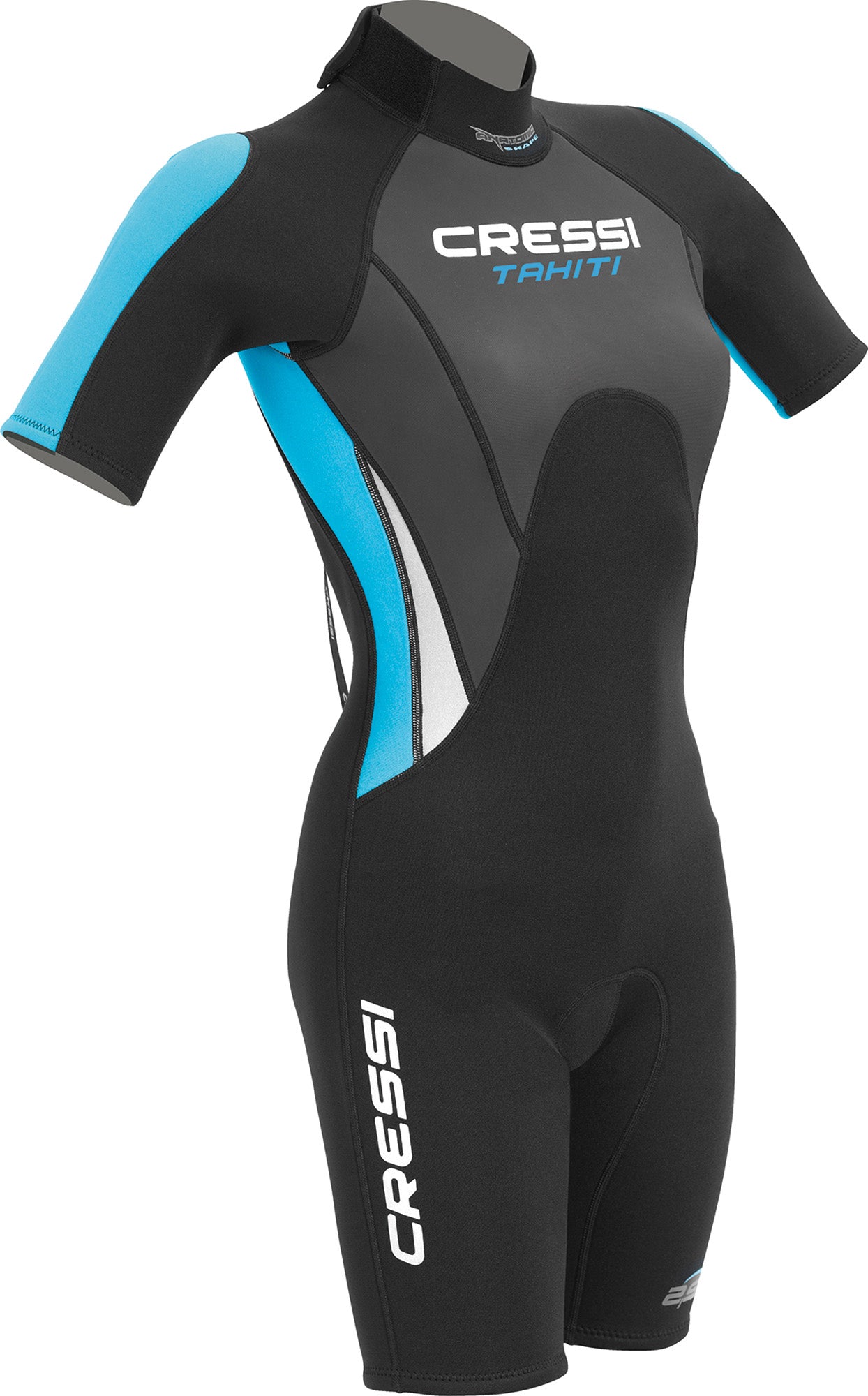
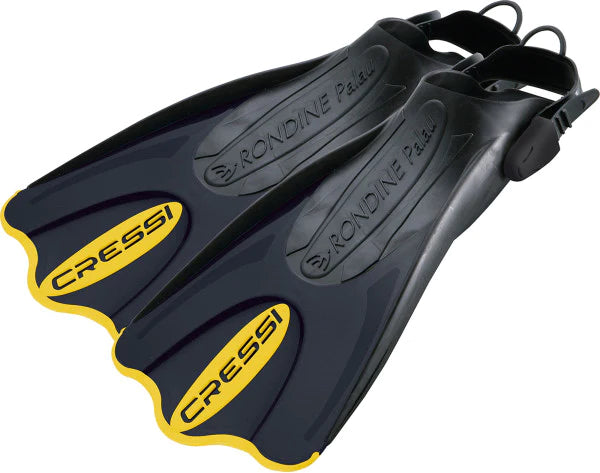
Using the right equipment and maintaining it properly is crucial. Spearfishing gear, including spears, wetsuits, and fins, should be inspected for damage before each use. Additionally, familiarizing oneself with the operation of spearguns and understanding how to safely handle them both in and out of the water is essential for preventing accidents.
It's also important to use equipment that is appropriate for the conditions and the target species. For example, larger fish require stronger spearguns, while clear waters might necessitate a more stealthy approach.
Never spearfish alone. Having a buddy not only enhances the experience but also ensures that help is available in case of an emergency. It's also vital to be aware of one's physical limits and environmental conditions such as water temperature, visibility, and current strength.
Additionally, spearfishers should always inform someone onshore of their plans, including their expected return time. This simple step can make a significant difference in emergency situations.
Responsible spearfishing goes beyond following regulations; it's about fostering a deep respect for aquatic life and their habitats. This respect ensures the sustainability of spearfishing for future generations.
Practicing selective harvesting—choosing only to take fish that meet certain size and species criteria—helps maintain healthy fish populations. This approach not only supports conservation efforts but also encourages a more mindful and rewarding spearfishing experience.
Understanding the life cycles and behaviors of target species can also enhance this practice, allowing spearfishers to make informed decisions that benefit both the ecosystem and their own spearfishing endeavors.
The underwater environments where spearfishing occurs are delicate ecosystems that require protection. Spearfishers can play a part in their preservation by avoiding sensitive areas, such as coral reefs and spawning grounds, and by minimizing their impact on the water and bottom sediments.
Additionally, being mindful of non-target species and practicing catch and release with undersized or protected fish contributes to the overall health of Minnesota's aquatic ecosystems.
With a comprehensive understanding of Minnesota's spearfishing regulations, a commitment to safety, and a deep respect for aquatic life, adventurers are ready to embark on their spearfishing journey. This sport offers an unparalleled opportunity to connect with nature, challenge oneself, and experience the thrill of the hunt in the serene underwater world of Minnesota's lakes and rivers.
Choosing the right location is the first step in planning a successful spearfishing trip. Researching the best spots for the desired species, understanding the local regulations for those areas, and preparing for the conditions you'll face are all crucial components of a well-planned adventure.
Whether you're a seasoned spearfisher or a newcomer to the sport, Minnesota's waters offer a diverse range of opportunities for everyone. By following the guidelines and embracing the spirit of adventure, spearfishing in Minnesota can be an incredibly rewarding experience.
Being aware of the environmental impact of spearfishing is essential for responsible participation in the sport. Understanding how activities such as bottom fishing or using certain types of gear can disturb habitats and disrupt marine life is crucial for minimizing negative effects.
By educating oneself on best practices for reducing environmental impact, spearfishers can enjoy their sport while preserving the delicate balance of underwater ecosystems. This awareness can lead to a more sustainable approach to spearfishing, ensuring that future generations can continue to enjoy the beauty of Minnesota's waters.
As spearfishing continues to evolve, so do the techniques and technologies used in the sport. From advancements in spear designs to innovations in underwater cameras for scouting, there are always new methods to explore and incorporate into your spearfishing adventures.
Experimenting with different techniques, such as free diving versus using a snorkel, or trying out new types of spearguns, can add excitement and variety to your spearfishing experiences. Staying informed about the latest developments in spearfishing equipment and methods can enhance your skills and make each outing a unique and fulfilling adventure.
Furthermore, joining local spearfishing clubs or online communities can provide opportunities to learn from experienced spearfishers, share knowledge, and discover innovative approaches to the sport. Engaging with fellow enthusiasts can not only expand your understanding of spearfishing but also foster a sense of camaraderie and connection within the spearfishing community.
By staying open to new techniques and technologies, spearfishers can continuously improve their abilities, deepen their appreciation for the underwater world, and make each spearfishing trip a memorable and enriching experience.
Ready to take your spearfishing journey to the next level? Lancaster Scuba is here to equip you with the best gear and knowledge for your underwater adventures. Whether you're looking for top-notch spearguns, durable wetsuits, or the latest in diving technology, our extensive collection has everything you need to gear up and dive in with confidence. Plus, with our expert-led PADI certification courses, including Spearfishing speciality, you'll refine your skills and explore the depths like never before. Don't miss out on our exciting dive travel opportunities to some of the most beautiful waters around the world. Check out our scuba gear today and embrace the full Lancaster Scuba experience—Gear. Dive. Travel.


{"one"=>"Select 2 or 3 items to compare", "other"=>"{{ count }} of 3 items selected"}