

Exploring the Depths: Spearfishing in San Diego
Dive into the exhilarating world of spearfishing in San Diego! Discover the best spots, techniques, and gear for an unforgettable underwater adventure.
Read now
In the vast expanse of the ocean, where adventure calls through the whisper of the waves, lies the simple yet profound joy of snorkeling. It's an activity that beckons the young and old alike to glimpse the underwater world, teeming with life and mystery. But amidst the excitement and allure of snorkeling, a question often surfaces—how long can you stay underwater with a snorkel? This inquiry is not just about measuring time; it's about understanding the essence of snorkeling, safety, and the boundless opportunities for adventure beneath the surface.
Before diving into the depths of time spent underwater, it's crucial to grasp the fundamentals of snorkeling. This activity, at its core, is about breathing through a tube that extends above the water's surface while floating and observing the underwater scenery. The simplicity of snorkeling equipment—a mask and a snorkel—belies the profound experiences it offers, allowing us to explore marine life in its natural habitat.
The snorkel, a seemingly simple device, is the lifeline of the snorkeler. It consists of a mouthpiece attached to a tube that breaches the water's surface, allowing the snorkeler to breathe while face down in the water. Modern snorkels come equipped with features like splash guards and purge valves, designed to enhance the snorkeling experience by preventing water ingress and allowing easy clearing of water from the tube.
Despite its simplicity, the snorkel's design is a product of careful consideration, balancing the need for easy breathing with the physical limitations of snorkeling. The diameter and length of the snorkel are specifically engineered to ensure adequate airflow without requiring excessive effort, which could lead to rapid fatigue and discomfort.
When choosing a snorkel, it's essential to consider factors such as the size of the mouthpiece, the flexibility of the tube, and the presence of any additional features like a dry top or a one-way purge valve. These elements can significantly impact your comfort and ease of breathing while snorkeling, ultimately influencing how long you can comfortably stay underwater.
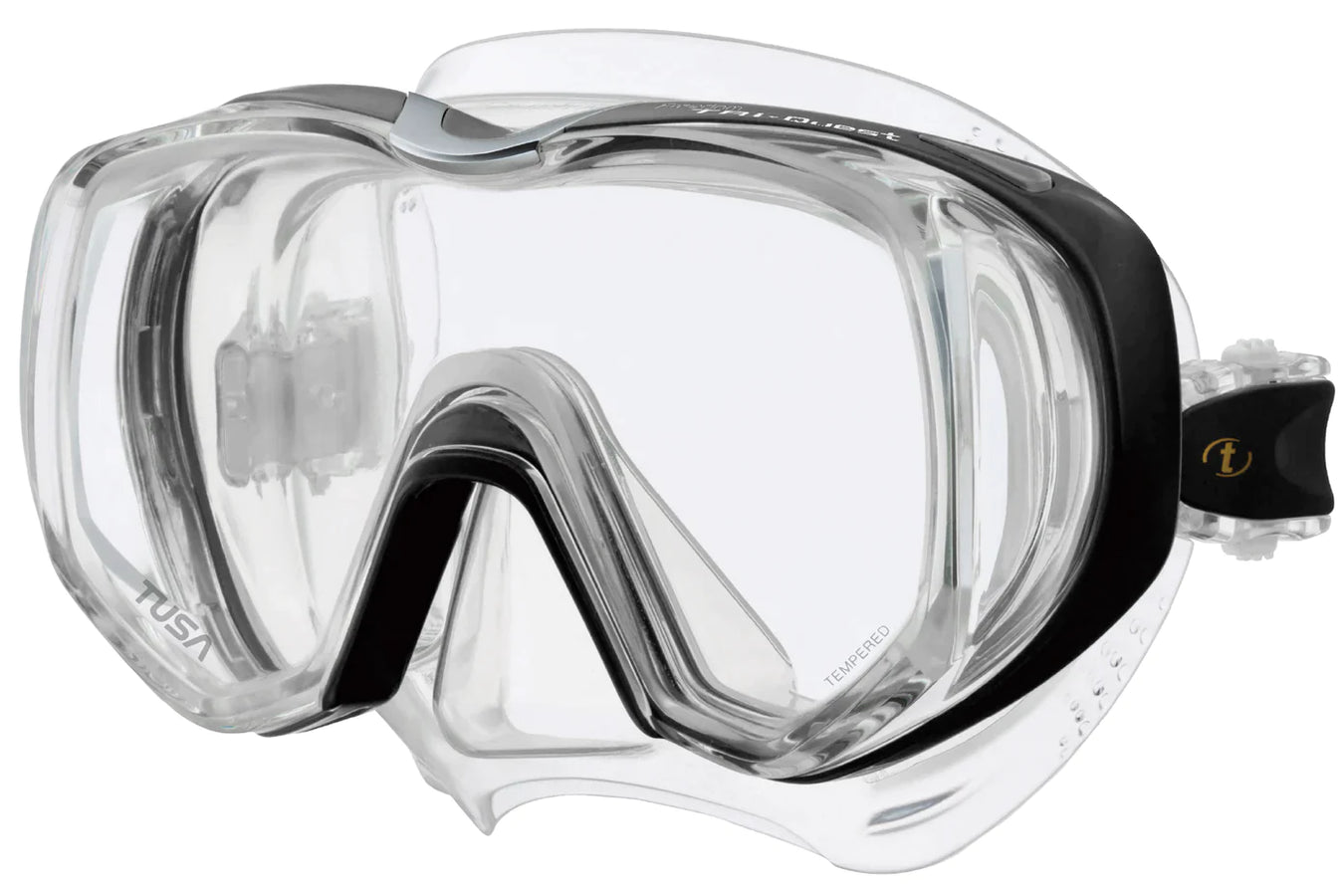
The companion to the snorkel, the snorkeling mask, offers a window to the underwater world. It seals around the eyes and nose, preventing water from obstructing vision while allowing snorkelers to see clearly underwater. Today's masks are crafted from high-quality, durable materials with anti-fog properties, ensuring a clear view of the marine wonders below.
When selecting a snorkeling mask, factors such as fit, field of vision, and comfort are paramount. A well-fitted mask that forms a tight seal without causing discomfort is essential for an enjoyable snorkeling experience. Additionally, masks with tempered glass lenses provide durability and clarity, enhancing your underwater visibility and overall adventure.
With the basics of snorkeling equipment understood, we return to the central question: How long can you stay underwater with a snorkel? The answer is nuanced, influenced by several factors including physical fitness, comfort in the water, and snorkeling technique.
The duration one can spend underwater while snorkeling is closely tied to physical fitness and comfort in the water. Individuals with strong swimming skills and good physical conditioning may find it easier to snorkel for extended periods. Comfort in the water also plays a critical role; being relaxed and confident can reduce oxygen consumption, allowing for longer snorkeling sessions.
It's important to note that snorkeling is not about holding your breath for as long as possible. Instead, it's about leisurely exploring the underwater world, with frequent returns to the surface for fresh air. The average snorkeler might spend a few minutes at a time underwater, coming up for air and rest before diving again.
When considering the duration of your snorkeling sessions, factors such as water temperature, currents, and the depth of your dives should also be taken into account. Cold water can increase oxygen consumption, while strong currents may require more effort to navigate, affecting how long you can comfortably stay underwater.
The technique is another crucial factor in determining how long one can stay underwater with a snorkel. Efficient snorkeling involves maintaining a relaxed, horizontal position in the water, minimizing unnecessary movements to conserve energy and oxygen. Proper breathing techniques—taking slow, deep breaths—can also extend the time spent underwater by ensuring optimal oxygen intake and carbon dioxide expulsion.
Advanced snorkelers may employ techniques like the "duck dive," a method of diving deeper while snorkeling, to explore beneath the surface for short periods. However, this technique requires practice and should be approached with caution to avoid potential risks such as shallow water blackout.
When practicing snorkeling techniques, it's essential to focus on relaxation and efficiency. Tensing your muscles or breathing rapidly can increase oxygen consumption and lead to premature fatigue, limiting the duration of your underwater explorations. By mastering proper snorkeling form and breathing patterns, you can enhance your endurance and prolong your time beneath the waves.
Safety is paramount in all underwater activities, including snorkeling. Understanding and respecting the limitations of snorkeling equipment, as well as one's physical capabilities, are essential to ensuring a safe and enjoyable experience.
Environmental conditions such as currents, water temperature, and visibility can significantly impact snorkeling safety and the duration one can comfortably stay underwater. Snorkelers should always assess conditions before entering the water and remain vigilant to changes while snorkeling.
Before embarking on a snorkeling adventure, it's crucial to check weather forecasts, tide schedules, and any relevant safety warnings for the area. Sudden changes in weather or water conditions can pose risks to snorkelers, emphasizing the importance of staying informed and prepared for varying circumstances.
While snorkeling is generally a safe activity, it's not without its risks. Potential dangers include water inhalation, encounters with hazardous marine life, and the risk of being carried away by strong currents. Adequate preparation, including familiarization with snorkeling equipment and techniques, can mitigate these risks.
When exploring unfamiliar waters, it's essential to research potential hazards such as jellyfish, sharp coral, or strong currents that may pose a threat to your safety. By understanding the risks associated with different snorkeling environments, you can take proactive measures to minimize danger and ensure a secure and enjoyable experience.
As you delve into the world of snorkeling, each underwater excursion presents an opportunity to discover new horizons and witness the wonders of marine life. Whether you're exploring a vibrant coral reef, gliding alongside graceful sea turtles, or marveling at the intricate patterns of a school of fish, snorkeling offers a gateway to a realm of beauty and fascination.
One of the joys of snorkeling is the sense of weightlessness and freedom it provides as you glide effortlessly through the water, surrounded by the sights and sounds of the ocean. The gentle swaying of seaweed, the darting movements of colorful fish, and the play of light filtering through the water's surface create a mesmerizing tapestry of life beneath the waves.
Each moment spent snorkeling is a chance to connect with nature, to witness the delicate balance of marine ecosystems, and to appreciate the diversity of life that thrives below the surface. From the smallest sea creatures to the majestic marine mammals, every encounter enriches your understanding of the ocean and deepens your appreciation for its beauty.
One way to extend the magic of your snorkeling adventures is through underwater photography. Capturing the vibrant colors, intricate details, and captivating behaviors of marine life allows you to preserve and share your underwater experiences with others. Whether you're using a dedicated underwater camera or a waterproof housing for your existing device, photography adds a creative dimension to your snorkeling escapades.
When engaging in underwater photography, consider factors such as lighting, composition, and subject selection to create compelling images that reflect the beauty and diversity of the underwater world. Experimenting with different camera settings, angles, and techniques can help you capture unique moments and create lasting memories of your snorkeling expeditions.
By immersing yourself in the art of underwater photography, you not only document your encounters with marine life but also gain a deeper appreciation for the intricacies of the ocean environment. Each photograph becomes a visual story, a snapshot of the underwater realm that invites others to share in the wonder and awe of your snorkeling journeys.
As stewards of the ocean, snorkelers play a vital role in preserving marine environments and protecting the delicate ecosystems that support underwater life. By practicing responsible snorkeling habits and adhering to sustainable guidelines, you can minimize your impact on marine habitats and contribute to the conservation of ocean biodiversity.
One of the fundamental principles of responsible snorkeling is to respect marine life and observe animals in their natural habitat without causing harm or disturbance. Avoid touching, chasing, or feeding marine creatures, as these actions can disrupt their behavior patterns, stress the animals, and damage fragile coral reefs.
When encountering marine life while snorkeling, maintain a safe distance and observe from a respectful vantage point. Appreciate the beauty and diversity of underwater species without intruding on their space or altering their natural behaviors. By fostering a harmonious relationship with marine life, you can promote conservation efforts and protect the delicate balance of marine ecosystems.
Another critical aspect of marine conservation is reducing plastic pollution in the ocean. Plastic waste poses a significant threat to marine life, with animals ingesting or becoming entangled in plastic debris, leading to injury or death. As a conscientious snorkeler, you can help combat plastic pollution by minimizing the use of single-use plastics and participating in beach clean-up initiatives.
Before embarking on a snorkeling excursion, ensure that you dispose of any plastic waste properly and refrain from littering in or around the water. Opt for reusable water bottles, eco-friendly sunscreen, and biodegradable products to reduce your environmental footprint and protect marine ecosystems from the harmful effects of plastic pollution.
By adopting sustainable practices in your snorkeling adventures, you can contribute to the long-term health and vitality of marine environments. From choosing reef-safe sunscreen to supporting eco-conscious tour operators, every decision you make as a snorkeler can have a positive impact on ocean conservation efforts.
When preparing for a snorkeling excursion, opt for eco-friendly products that are safe for marine ecosystems and minimize environmental harm. Choose reef-safe sunscreen that is free of oxybenzone and octinoxate, two chemicals known to contribute to coral bleaching and harm marine life. By selecting sunscreen that is biodegradable and non-toxic, you can protect coral reefs and marine organisms from harmful chemicals.
In addition to sunscreen, consider using biodegradable or compostable products such as beach towels, water bottles, and snacks to reduce waste and pollution during your snorkeling outings. By making conscious choices to support sustainable brands and practices, you can help preserve the beauty and biodiversity of the ocean for future generations to enjoy.
As a passionate snorkeler, you can actively support marine conservation efforts by participating in volunteer programs, donating to marine conservation organizations, and advocating for policies that protect ocean ecosystems. By raising awareness about the importance of marine conservation and the threats facing underwater environments, you can inspire others to join in the effort to safeguard our oceans.
Consider volunteering with local marine conservation groups to participate in coral reef restoration projects, beach clean-ups, or marine life monitoring initiatives. By contributing your time and energy to conservation activities, you can make a tangible difference in preserving marine habitats and promoting sustainable practices within the snorkeling community.
As you embark on your snorkeling adventures, remember that each dive beneath the surface is an opportunity to connect with the ocean, explore its wonders, and contribute to its protection. By embracing sustainable practices, respecting marine life, and advocating for conservation, you can become a steward of the sea and a champion for marine biodiversity.
Let your passion for snorkeling be a catalyst for positive change, inspiring others to appreciate the beauty of the underwater world and take action to preserve it for future generations. Together, we can ensure that the oceans remain teeming with life, vibrant with color, and rich with biodiversity for all to enjoy.
Ready to take your passion for the underwater world to new depths? Lancaster Scuba is here to equip you for your next aquatic adventure. With a wide selection of top-quality scuba gear and expert diving instruction, we ensure you're prepared for every dive. Embrace the "Gear. Dive. Travel." lifestyle and join us on our next journey to the ocean's wonders. Check out our scuba gear and start planning your underwater exploration today!


{"one"=>"Select 2 or 3 items to compare", "other"=>"{{ count }} of 3 items selected"}