

Exploring the Depths: Spearfishing in San Diego
Dive into the exhilarating world of spearfishing in San Diego! Discover the best spots, techniques, and gear for an unforgettable underwater adventure.
Read now
In the vast expanse of the ocean, where adventure calls and the mysteries of the underwater world beckon, snorkeling stands out as a gateway to the aquatic realm. It's not just an activity; it's an invitation to witness the uncharted, to glide alongside the marvels of the deep, and to embrace the serene beauty that lies beneath the waves. But amidst the excitement and allure of snorkeling, a question often surfaces—how long can you stay underwater with a snorkel? This inquiry is not just about measuring time; it's about understanding the essence of snorkeling, the interplay between human capabilities and the limitations set by nature. It's a question that invites us to dive deeper into the principles of snorkeling, safety protocols, and the endless pursuit of underwater adventure.
Before delving into the depths of time spent underwater, it's crucial to grasp the fundamentals of snorkeling. This activity is more than just swimming on the surface; it's about the harmony between the snorkeler, the equipment, and the ocean.
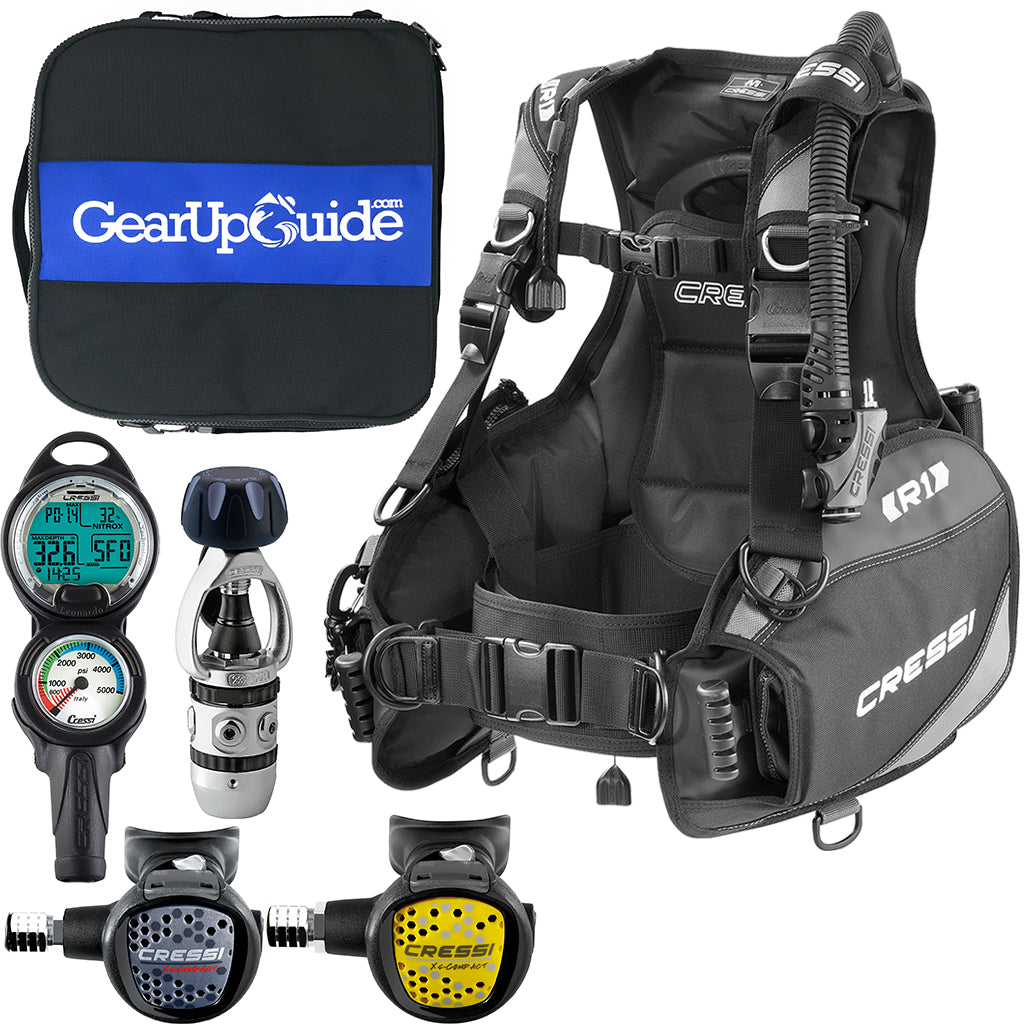
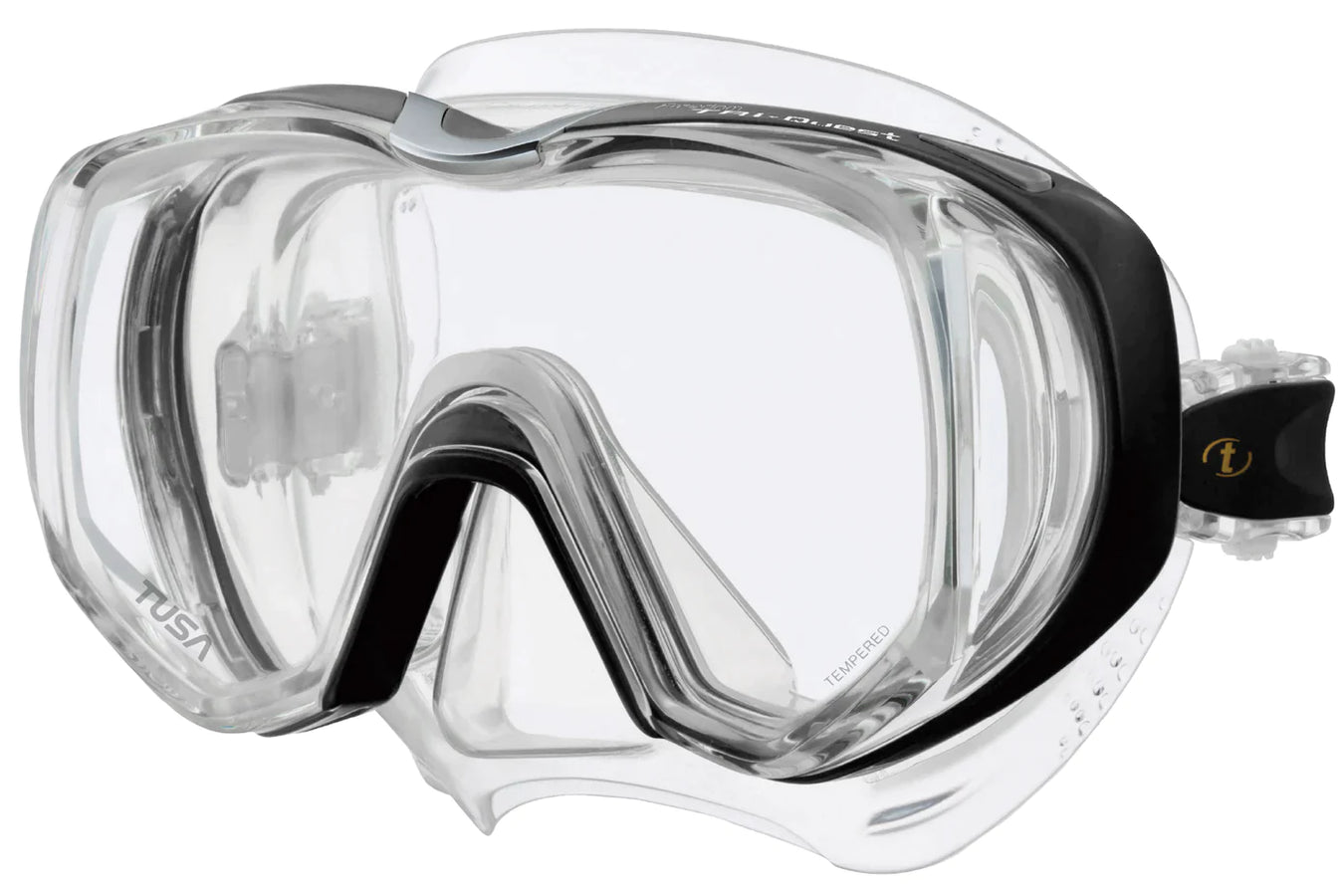
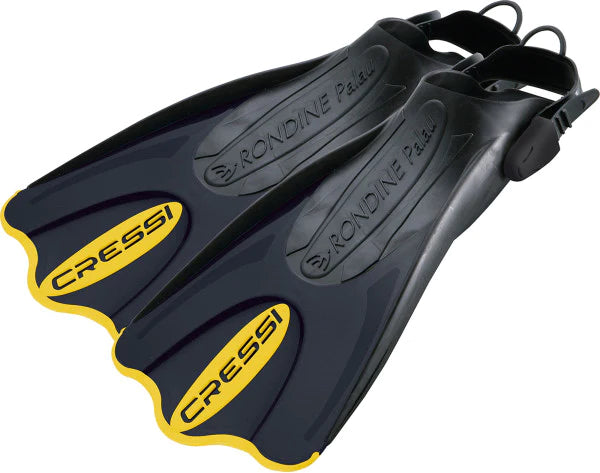
The snorkel, a simple yet ingenious device, is the snorkeler's lifeline, a conduit for breathing while marveling at the underwater spectacle. Alongside the snorkel, the mask provides a window to the underwater world, and fins offer the mobility to navigate with ease. Together, these tools form the snorkeler's kit, a set of equipment that empowers the exploration of the aquatic realm.
However, the functionality of snorkeling gear is bound by physical laws and human physiology. The snorkel, typically no longer than 16 inches, is designed to optimize air exchange at the surface, not for extended underwater excursions. This limitation is a crucial factor in determining how long one can stay submerged.
At the heart of snorkeling lies the art of breath-holding. While the snorkel facilitates breathing at the surface, diving below requires holding one's breath. This skill varies widely among individuals, influenced by factors such as physical fitness, training, and comfort in the water.
Statistics show that the average person can hold their breath for about 30 seconds to 2 minutes. However, with training, some can extend this time significantly, touching the realms of free diving. But it's important to remember that snorkeling is not about pushing these limits; it's about enjoying the underwater world safely and comfortably.
Safety is the beacon that guides every snorkeling adventure. Understanding and respecting the boundaries of safety ensures that each dive is not just a journey, but a return.
Every snorkeler's ability to stay underwater varies. Recognizing and adhering to personal limits is paramount. It's not just about how long you can hold your breath but knowing when to resurface. The ocean, for all its beauty, demands respect—currents, water conditions, and marine life behavior are factors that every snorkeler must be mindful of.
Education plays a critical role in safety. Knowledge of snorkeling techniques, familiarity with the snorkeling site, and understanding the signs of hypoxia (oxygen deprivation) can prevent accidents and ensure a safe return to the surface.
While snorkeling is inherently safe with proper precautions, being prepared for emergencies is a mark of a responsible snorkeler. This includes knowing basic rescue techniques, being able to remove the mask and snorkel underwater, and signaling for help. A buddy system, where snorkelers pair up to keep an eye on each other, is a fundamental safety protocol in snorkeling.
Moreover, advancements in snorkeling equipment, such as snorkels with purge valves and dry tops, enhance safety by preventing water from entering the snorkel. These innovations allow snorkelers to focus on the adventure, secure in the knowledge that their equipment is designed with safety in mind.
As you descend into the underwater realm, a world of wonder unfolds before your eyes. The vibrant colors of coral reefs, the graceful movements of marine life, and the tranquility of the ocean depths create a mesmerizing tapestry of life. Each dive is a chance to immerse yourself in a world that is both alien and familiar, where the rules of gravity seem suspended, and time slows down to a gentle rhythm.
Exploring the underwater world is not just about observing; it's about becoming a part of the ecosystem, blending into the environment with a sense of awe and respect. As you glide through the water, you become attuned to the subtle cues of marine life, the dance of light and shadow, and the symphony of sounds that echo through the depths.
Adapting to the underwater environment is a skill that every snorkeler must cultivate. It's not just about physical adjustments, such as equalizing ear pressure or mastering buoyancy control; it's also about attuning your senses to the nuances of the ocean. The underwater world operates on its own rhythm, and by immersing yourself in it, you become a part of something greater than yourself.
From the gentle sway of seaweed in the current to the sudden appearance of a curious fish, every moment underwater is a revelation. It's a chance to shed the constraints of land and embrace the freedom of weightlessness, to move with grace and fluidity in a realm where gravity is but a distant memory.
One of the most captivating aspects of snorkeling is the opportunity to capture the beauty of the underwater world through photography. As you glide through the water, a camera in hand opens up a new dimension of exploration, allowing you to freeze moments of magic beneath the waves.
Underwater photography is a blend of art and technique, requiring an understanding of light, composition, and the behavior of marine life. From the intricate patterns of coral to the fleeting expressions of a passing turtle, each shot tells a story, a glimpse into the hidden wonders of the ocean.
When venturing into underwater photography, there are several tips to keep in mind. Firstly, understanding the behavior of marine life can help you anticipate moments worth capturing. Patience is key; waiting for the perfect shot can yield stunning results.
Secondly, mastering buoyancy control is essential. By maintaining a steady position in the water, you can frame your shots with precision and clarity. Additionally, experimenting with different angles and perspectives can add depth and drama to your underwater photographs.
Lastly, post-processing plays a crucial role in enhancing your underwater images. Adjusting colors, contrast, and clarity can bring out the true beauty of the underwater world, transforming your photographs into visual masterpieces.
Snorkeling is not just a personal journey; it's a call to action to protect and preserve the fragile ecosystems of the ocean. As stewards of the sea, snorkelers play a vital role in conservation efforts, advocating for sustainable practices and raising awareness about the importance of marine biodiversity.
Conservation begins with education. By learning about the threats facing marine environments, such as pollution, overfishing, and climate change, snorkelers can make informed choices that minimize their impact on the ocean. Participating in beach clean-ups, supporting marine protected areas, and choosing reef-safe sunscreen are simple yet impactful ways to contribute to ocean conservation.
Engaging with marine conservation organizations and initiatives is another avenue for snorkelers to make a difference. By volunteering for research projects, participating in citizen science programs, or supporting conservation campaigns, snorkelers can actively contribute to the preservation of marine ecosystems.
Moreover, spreading awareness through social media, sharing personal experiences of the underwater world, and advocating for sustainable tourism practices can inspire others to join the cause of ocean conservation. Together, snorkelers can be a powerful force for positive change, ensuring that future generations can continue to explore and marvel at the wonders of the sea.
As you answer the call of the deep, venturing into the unknown with a snorkel in hand, remember that every dive is a chance to connect with something greater than yourself. The ocean, with its vastness and mysteries, beckons you to explore, to discover, and to protect its fragile beauty.
So, how long can you stay underwater with a snorkel? The answer lies not just in the measurement of time but in the depth of your connection to the underwater world. Embrace each moment beneath the waves, cherish every encounter with marine life, and let the ocean's wonders inspire you to be a guardian of the sea.
Snorkeling is not just a hobby; it's a lifelong journey of discovery and wonder. With each dive, you peel back the layers of the ocean's secrets, revealing a world of unparalleled beauty and complexity. The more you explore, the more you realize how interconnected all life on Earth truly is.
So, as you embark on your next snorkeling adventure, remember that the ocean is not just a place to visit—it's a home to protect. By approaching every dive with respect, curiosity, and a commitment to conservation, you become not just a visitor but a guardian of the underwater world, ensuring that its magic endures for generations to come.
Ready to take your underwater adventures to the next level? Lancaster Scuba is your trusted partner in exploring the world beneath the waves. Whether you're just starting out or looking to enhance your diving skills, we've got you covered with top-notch gear, expert instruction, and unforgettable dive trips. Embrace the ocean's call and check out our scuba gear to gear up for your next dive. Dive into the experience with Lancaster Scuba, where your underwater journey awaits.


{"one"=>"Select 2 or 3 items to compare", "other"=>"{{ count }} of 3 items selected"}