

Exploring the Depths: Spearfishing in San Diego
Dive into the exhilarating world of spearfishing in San Diego! Discover the best spots, techniques, and gear for an unforgettable underwater adventure.
Read now
In the vast, blue expanse of our planet's oceans, scuba diving offers an unparalleled adventure, inviting us to explore worlds beneath the waves that few have witnessed. The question of "how far can you scuba dive" is not just a matter of physical depth but of passion, preparation, and the pursuit of the unknown. This exploration is not merely about descending into the deep but about understanding the journey that each dive represents, a journey that can be as profound as the depths themselves.
Scuba diving is an activity that allows humans to explore underwater worlds, relying on specialized equipment to breathe beneath the surface. The depth to which a diver can safely descend is influenced by several factors, including experience, training, and the physical limits of the human body under pressure.
As divers descend, the pressure exerted by the water increases, affecting the body and the air we breathe. At sea level, the atmosphere exerts a pressure of 1 bar. For every 10 meters (approximately 33 feet) a diver descends, the pressure increases by another bar. This increased pressure can have various physiological effects, which divers must manage to ensure safety.
One of the critical aspects of diving safely is understanding and managing the risk of decompression sickness (DCS), often referred to as "the bends." DCS can occur if a diver ascends too quickly, causing nitrogen absorbed by the body under pressure to form dangerous bubbles in the bloodstream. Training and adherence to safe diving practices are paramount to avoid such risks.
For recreational divers, the generally accepted maximum depth is 40 meters (130 feet). This limit is set considering the recreational diving equipment and the level of training typically received by amateur divers. Diving beyond this depth increases the risk of nitrogen narcosis, a condition that affects a diver's judgment and motor skills, and requires more advanced training and equipment to manage.
For those who seek to explore beyond the recreational limits, advanced diving offers the techniques, knowledge, and equipment necessary to venture deeper.
Technical diving is a term that encompasses a range of advanced diving practices that allow divers to exceed the depths of conventional recreational diving. Technical divers use specialized equipment, such as mixed gases and rebreathers, to safely dive deeper and stay underwater longer. Training for technical diving includes learning about decompression theory, gas planning, and emergency procedures.
Technical diving can allow individuals to explore depths of 100 meters (328 feet) or more, opening up new realms of underwater landscapes, shipwrecks, and cave systems previously beyond reach. However, the risks associated with these depths are significant, and the level of preparation and commitment required should not be underestimated.
The quest to reach the deepest points of the ocean has driven some divers to remarkable feats. The current record for the deepest scuba dive is held by Ahmed Gabr of Egypt, who reached a depth of 332.35 meters (1,090 feet 4.5 inches) in 2014. Such extraordinary dives are the result of years of training, meticulous planning, and a profound understanding of diving physics and physiology.
While daytime diving offers its own wonders, night diving presents a whole new realm of exploration. As the sun sets and darkness envelops the underwater world, nocturnal creatures emerge, and the ocean takes on a mysterious allure. Night diving requires additional training and equipment, such as underwater lights and signaling devices, to ensure safety and enhance the experience.
Guided by the gentle glow of dive lights, divers can witness bioluminescent displays, observe nocturnal predators on the hunt, and experience the tranquility of the ocean under the cover of night. The sensory experience of night diving, with the sounds of the sea amplified in the darkness and the play of light and shadow creating an otherworldly atmosphere, is a testament to the diversity and beauty of the underwater world.
Wreck diving offers a unique opportunity to explore sunken ships, planes, and artificial reefs that have become havens for marine life. These underwater relics are not only historical artifacts but also vibrant ecosystems teeming with fish, corals, and other marine creatures. Wreck diving requires specialized training to navigate safely through confined spaces and to respect the historical significance of these sites.
Exploring a shipwreck is like stepping back in time, as divers encounter remnants of a bygone era and witness nature reclaiming these man-made structures. The allure of wreck diving lies in the sense of adventure and discovery, as each wreck holds its own secrets and stories waiting to be uncovered by those willing to venture into the depths.
As more people are drawn to the wonders of the underwater world, the importance of marine conservation becomes increasingly evident. Human activities, such as overfishing, pollution, and habitat destruction, pose significant threats to marine ecosystems and the creatures that inhabit them. Divers play a crucial role in marine conservation efforts by raising awareness, participating in clean-up initiatives, and supporting sustainable diving practices.
Conservation-minded divers advocate for the protection of marine biodiversity, the preservation of fragile coral reefs, and the establishment of marine protected areas. By promoting responsible diving behaviors, reducing plastic waste, and supporting eco-friendly dive operators, divers can contribute to the long-term health and sustainability of our oceans.
Regardless of how deep a diver chooses to go, safety must always be the paramount concern. The allure of the deep is undeniable, but the ocean is an unforgiving environment that demands respect.
The foundation of safe diving is education and training. Divers should seek out certified training programs that provide the knowledge and skills necessary to dive safely. This includes understanding how to use diving equipment, how to plan dives, and how to respond to potential underwater emergencies.
Physical fitness and health are also crucial for safe diving. The strain that deep diving places on the body requires divers to be in good health, with a particular focus on cardiovascular and pulmonary fitness. Regular medical check-ups are recommended to ensure that divers are fit to dive, especially when planning to dive at advanced levels.
Scuba diving offers an adventure like no other, a chance to explore the mysteries of the underwater world and push the boundaries of human exploration. Whether diving within the recreational limits or venturing into the realms of technical diving, the depths of the ocean hold wonders waiting to be discovered. With the right preparation, training, and respect for the ocean's power, the question of "how far can you scuba dive" is an invitation to embark on a journey of discovery and adventure.
As we delve into the depths, we are reminded that each dive is not just a descent into the ocean but a dive into the very essence of exploration and the human spirit's unyielding desire to explore the unknown. The depths we reach are not just measured in meters or feet but in the breadth of our experiences and the bonds we form with the ocean and with each other. In the heart of every diver beats a love for adventure, a quest for knowledge, and a respect for the sea that binds us all in a shared journey of discovery.
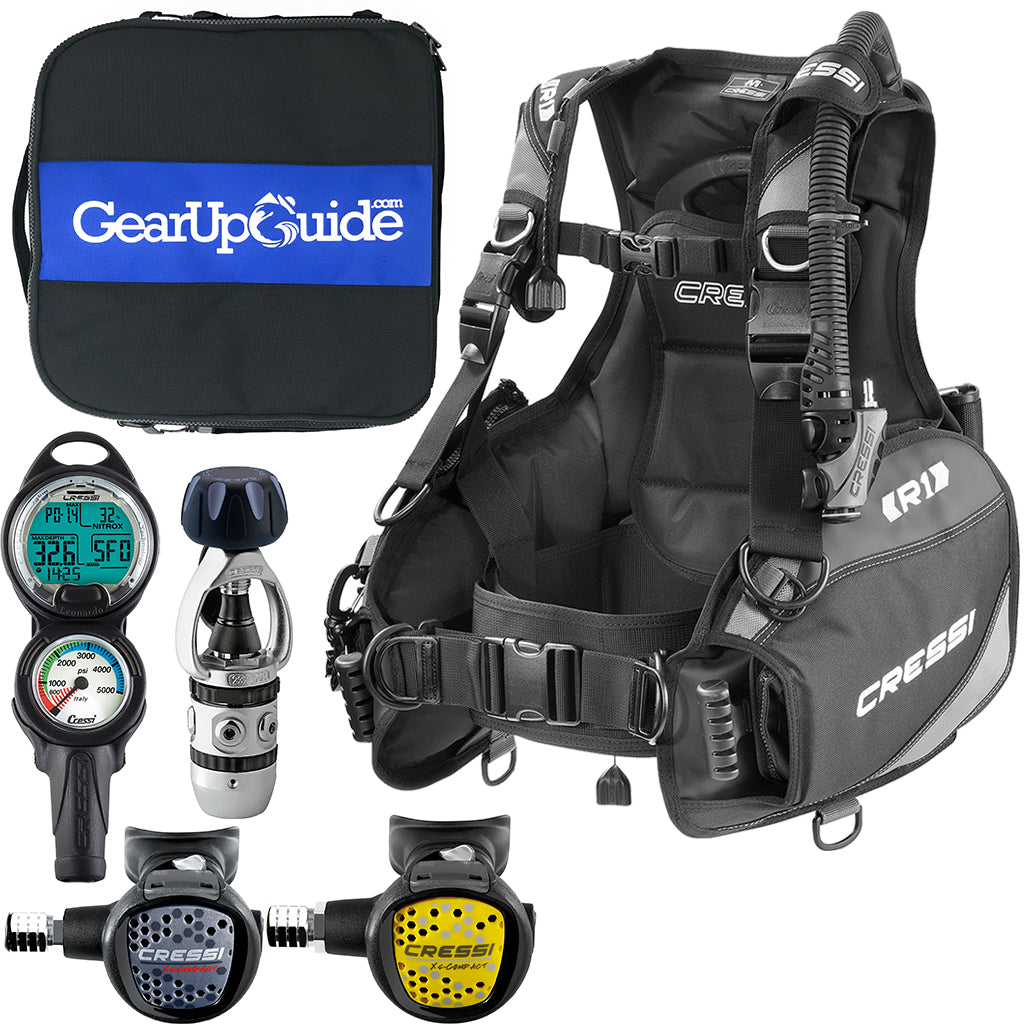
Ready to turn your deep-sea dreams into reality? Lancaster Scuba is your trusted partner in this thrilling journey. With our extensive selection of top-tier scuba and water sports gear, expert diving instruction, and exotic travel destinations, we ensure a seamless dive experience from start to finish. Embrace the spirit of adventure and check out our scuba gear to gear up for your next underwater expedition. Dive into the unknown with confidence and let Lancaster Scuba guide you through the wonders beneath the waves.


{"one"=>"Select 2 or 3 items to compare", "other"=>"{{ count }} of 3 items selected"}