

Exploring the Depths: Spearfishing in San Diego
Dive into the exhilarating world of spearfishing in San Diego! Discover the best spots, techniques, and gear for an unforgettable underwater adventure.
Read now
In the vast, blue expanse of our planet's oceans, scuba diving offers an unparalleled opportunity to explore the unknown, to venture into a world filled with mystery and beauty. But one question often emerges for both novices and seasoned divers alike: how deep is scuba diving? This question is not just about numbers and limits; it's about understanding the essence of diving, the safety protocols that protect us, and the adventures that lie beneath the surface.
Scuba diving is more than just a sport or hobby; it's a doorway to discovering the hidden wonders of our world. The depth to which a diver can go is influenced by several factors, including training, experience, and the specific objectives of the dive.
Scuba diving is categorized into different depth ranges, each offering its own unique experiences and requiring specific levels of training. From shallow coral reefs teeming with life to the haunting silence of deep wrecks, the depth of a dive defines its character.
The recreational diving limit set by major certification agencies like PADI and NAUI is 130 feet (40 meters). This boundary is established to ensure divers' safety, considering the physiological effects of pressure and the risk of nitrogen narcosis. Diving beyond this limit enters the realm of technical diving, which requires additional specialized training and equipment.
Shallow dives are perfect for beginners and those interested in marine biology and photography. These depths are rich in sunlight, making them vibrant with coral gardens and schools of colorful fish. Safety is more easily managed, and divers can enjoy longer bottom times due to reduced nitrogen absorption.
This range is where advanced recreational diving takes place. It includes most wreck dives and deeper reef dives. Divers at these depths encounter a different array of life forms and geological features. The allure of exploring sunken ships or diving along dramatic wall drop-offs is strong, but divers must be mindful of their air consumption and no-decompression limits.
Delving into the depths of the ocean is a mesmerizing experience that captivates divers worldwide. The allure of exploring the unknown, of pushing personal boundaries, and of witnessing marine life in its most unfiltered state is what draws many to deep diving.
As divers descend into the darkness, a sense of tranquility often envelops them. The sounds of the world above fade away, replaced by the gentle hum of bubbles escaping into the water. The play of light becomes ethereal, filtering through the water in a way that transforms familiar sights into otherworldly scenes.
Encountering marine creatures that dwell in the deep is a highlight of these dives. From the graceful movements of pelagic species like sharks and dolphins to the bizarre adaptations of creatures living near hydrothermal vents, each encounter is a reminder of the ocean's vast biodiversity.
As the depth of a dive increases, so does the risk. Understanding and respecting these risks is paramount for every diver seeking to explore deeper waters.
Pressure increases with depth, affecting a diver's body in various ways. The most well-known issue is decompression sickness (DCS), which can occur if a diver ascends too quickly, allowing nitrogen absorbed under pressure to form bubbles in the body. Deep dives require careful planning and adherence to decompression stops to avoid DCS.
Nitrogen narcosis, another concern, can impair a diver's judgment and motor skills. It's often described as feeling intoxicated and can be dangerous if not recognized and managed properly. The condition reverses as the diver ascends to shallower depths.
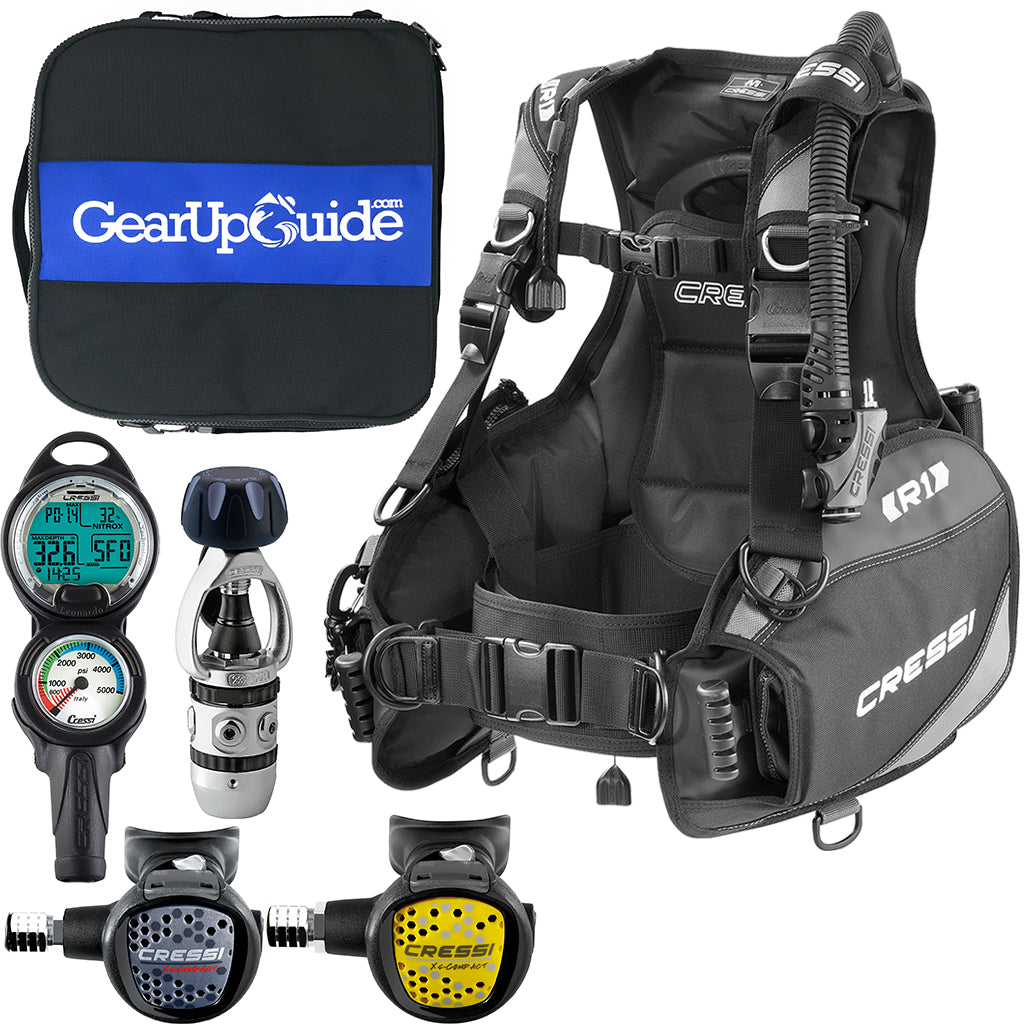
Deep diving demands specialized equipment and training. Beyond the basic scuba gear, divers venturing past recreational limits might need to carry additional oxygen tanks, dive computers, and safety devices like surface marker buoys. Technical diving courses provide the necessary skills, including the use of mixed gases like trimix to reduce narcosis and DCS risks.
One of the most challenging yet rewarding aspects of deep diving is exploring underwater caves. These submerged caverns hold secrets and geological formations that are unlike anything seen on the surface. Navigating through narrow passages, illuminated only by the diver's light, evokes a sense of exploration akin to spelunking on land.
However, cave diving requires specialized training and equipment due to the potential hazards of overhead environments. Divers must maintain a clear line of exit, adhere to strict safety protocols, and be prepared for low visibility conditions that can disorient even the most experienced explorers.
Despite the challenges and risks, the call of the deep is irresistible to many. The chance to glide through the water, witnessing scenes few others have seen, is a powerful draw.
Deep-sea wrecks, silent and enigmatic, are time capsules waiting to be discovered. Each wreck dive is a journey back in time, offering a glimpse into history and the lives of those who sailed aboard. These dives are not just about exploration but also about respecting and preserving the stories of the past.
Deep waters are home to some of the ocean's most elusive creatures. Diving deep can mean encounters with species not found in shallower waters, from the curious wolffish hiding in the nooks of a wreck to the majestic manta rays gliding in the open water.
Night diving adds a new dimension to the underwater experience, offering divers the chance to witness nocturnal marine life in action. Creatures that hide during the day emerge under the cover of darkness, showcasing behaviors and interactions rarely seen by daylight divers.
Exploring the reefs at night reveals a different palette of colors as bioluminescent organisms light up the water with their ethereal glow. Navigating through the dark waters with only a dive light to guide the way creates a sense of adventure and mystery that is both exhilarating and humbling.
How deep is scuba diving? It's as deep as one's passion and respect for the ocean. With the right training, equipment, and attitude, the depths offer endless opportunities for adventure, discovery, and connection with the marine world. Whether hovering over a vibrant coral reef or exploring a sunken ship, each dive is a step deeper into the heart of our planet's last frontier.
As we continue to explore, let us do so with a sense of responsibility—to ourselves, to our fellow divers, and to the marine environment that welcomes us into its depths. The ocean's mysteries are vast, and its depths beckon with the promise of adventure. Let's dive in, mindfully and safely, to uncover them.
Ready to embrace the depths of your scuba diving passion? Lancaster Scuba is your gateway to the underwater world. From top-notch gear to expert diving instruction and exhilarating travel adventures, we've got everything you need to make your next dive unforgettable. Check out our scuba gear and start planning your dive into the ocean's vast mysteries today. Gear up, dive in, and let the journey begin with Lancaster Scuba.


{"one"=>"Select 2 or 3 items to compare", "other"=>"{{ count }} of 3 items selected"}