

Exploring the Depths: Spearfishing in San Diego
Dive into the exhilarating world of spearfishing in San Diego! Discover the best spots, techniques, and gear for an unforgettable underwater adventure.
Read now
In the vast, blue expanse of our planet's oceans, scuba diving offers an unparalleled opportunity to explore the unknown, to encounter the unseen, and to push the boundaries of human adventure and discovery. The question of "how deep can you scuba dive?" is not just a query about physical limits but a doorway to understanding the essence of scuba diving itself. It's about the spirit of exploration that drives us to look beneath the surface and discover what lies in the heart of the ocean's depths.
Scuba diving is an activity that allows individuals to explore underwater worlds with the aid of breathing apparatus. But as one delves deeper into the ocean, the complexity and risks increase significantly. Understanding the basics of scuba diving depths is essential for every diver, from the novice enthusiast to the seasoned explorer.
The recreational diving limit, as set by major diving certification agencies, is 130 feet (40 meters). This limit is established to ensure the safety of divers, taking into consideration the effects of increased pressure and the risk of nitrogen narcosis. Diving within this limit allows divers to enjoy a wide range of underwater environments while minimizing the risks associated with deeper dives.
At depths up to 130 feet, divers can explore coral reefs, sunken ships, and marine life that are vibrant and full of mystery. Each dive within this limit is not just an adventure but a chance to witness the incredible biodiversity of our oceans.
For those who seek to push beyond the standard recreational limit, advanced training is required. Courses such as Deep Diver Specialty or Technical Diving extend the depth range, allowing divers to venture down to 330 feet (100 meters) or more. These courses emphasize the importance of specialized equipment, planning, and safety procedures to manage the additional risks of deep diving.
Advanced recreational diving opens up new frontiers for exploration, including deeper shipwrecks and underwater caves. It's a realm where only a few dare to venture, offering unique challenges and rewards for those who do.
Understanding the physiological effects of deep diving is crucial for anyone looking to explore the depths. As divers descend, the body is subjected to increased pressure, which can have significant impacts on health and safety.
One of the primary concerns with deep diving is the increased pressure and its effect on the body. The deeper a diver goes, the greater the pressure, which can lead to conditions such as nitrogen narcosis and decompression sickness. These conditions are serious and require a thorough understanding of dive planning and decompression theory to manage effectively.
Nitrogen narcosis, often referred to as "the rapture of the deep," can impair a diver's judgment and motor skills, similar to the effect of intoxication. Decompression sickness, on the other hand, occurs when ascending too quickly, causing nitrogen bubbles to form in the body. Both conditions highlight the importance of adhering to safe diving practices and limits.
Another physiological concern at great depths is oxygen toxicity, which results from breathing oxygen at high partial pressures. This condition can lead to seizures and other serious health issues. Advanced divers use specialized gas mixes, such as trimix (a blend of oxygen, nitrogen, and helium), to mitigate the risks of oxygen toxicity and nitrogen narcosis on deep dives.
The use of these gas mixes requires additional training and equipment but allows divers to explore deeper while managing the physiological challenges of deep diving.
Proper training is essential for deep diving to ensure the safety of divers and the preservation of the underwater environment. Divers must undergo rigorous training programs that cover not only the technical aspects of diving but also safety protocols, emergency procedures, and environmental conservation.
Training courses teach divers how to plan dives effectively, manage gas consumption, and respond to emergencies underwater. They also emphasize the importance of buoyancy control, proper finning techniques, and respect for marine life. By investing in comprehensive training, divers can enhance their skills and confidence, enabling them to explore the depths responsibly and sustainably.
Despite the challenges and risks, the allure of deep diving is undeniable. It's an adventure that calls to those with a spirit of exploration, offering experiences that are truly unique to the underwater world.
Deep diving provides access to some of the most intriguing underwater sites, including historic shipwrecks and expansive underwater cave systems. These sites are time capsules, preserving moments in history and offering a glimpse into the past. The adventure of exploring these depths is not just about the physical journey but about connecting with the stories and mysteries they hold.
Each shipwreck and cave system presents its own set of challenges and rewards, requiring divers to use all their skills and knowledge to navigate safely. It's a testament to the human desire to explore and discover, pushing the limits of what's possible.
The thrill of discovery is what drives many deep divers. Each dive is an opportunity to encounter marine life rarely seen by humans, to witness geological formations that tell the story of the Earth's history, and to experience the sheer wonder of the deep ocean. It's a reminder of the vast, unexplored spaces that still exist on our planet, waiting to be discovered.
In the pursuit of these experiences, divers not only expand their own horizons but also contribute to our understanding of the marine environment. Each dive is a step further into the unknown, a journey not just into the depths of the ocean but into the depths of human capability and curiosity.
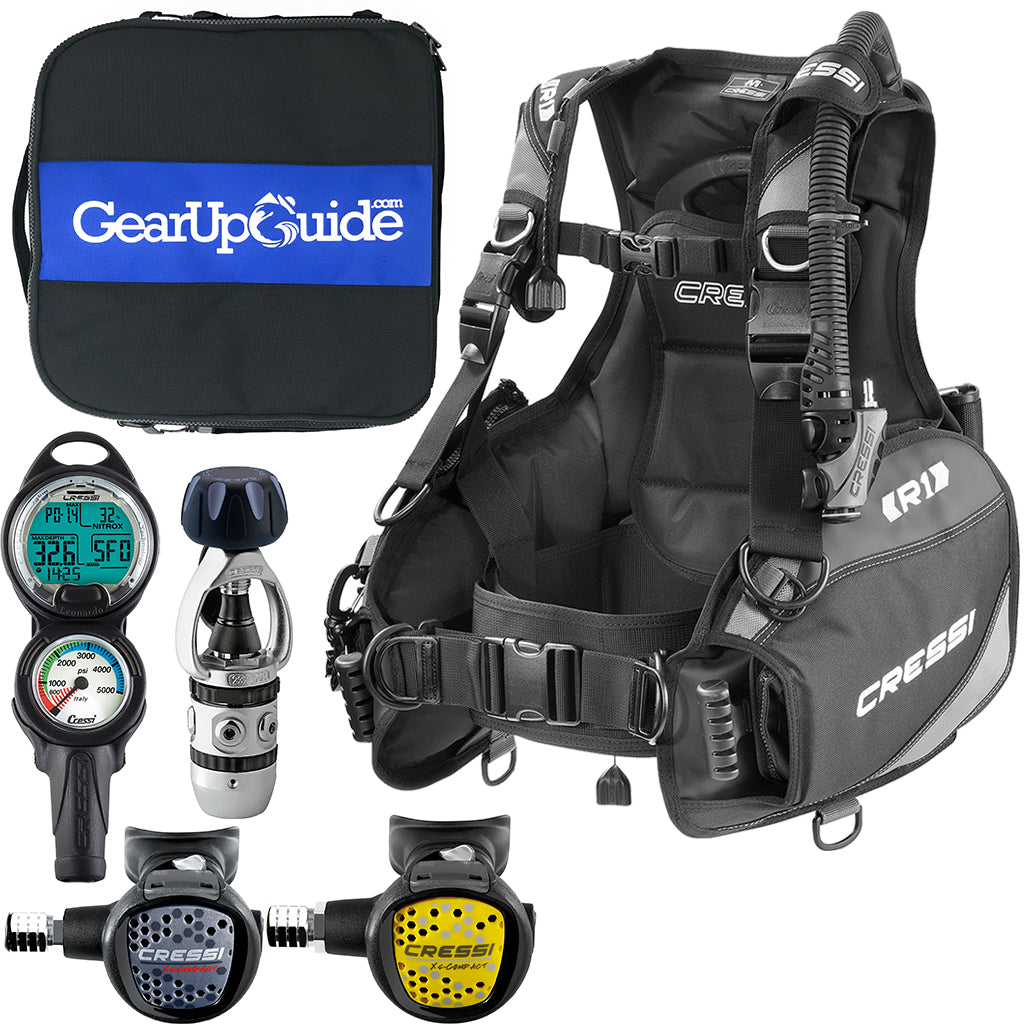
Deep diving requires specialized equipment to ensure the safety and comfort of divers as they explore the depths. From advanced breathing apparatus to cutting-edge dive computers, the gear used in deep diving plays a crucial role in enhancing the diving experience and mitigating risks.
One essential piece of equipment for deep diving is the dive computer, which monitors depth, time, and decompression limits to help divers plan and execute safe dives. Dive computers provide real-time data and alerts to prevent divers from exceeding safe limits and reduce the risk of decompression sickness.
Another critical component of deep diving equipment is the buoyancy control device (BCD), which allows divers to adjust their buoyancy underwater and maintain a stable position. Proper buoyancy control is essential for conserving energy, avoiding collisions with marine life or underwater structures, and ensuring a comfortable diving experience.
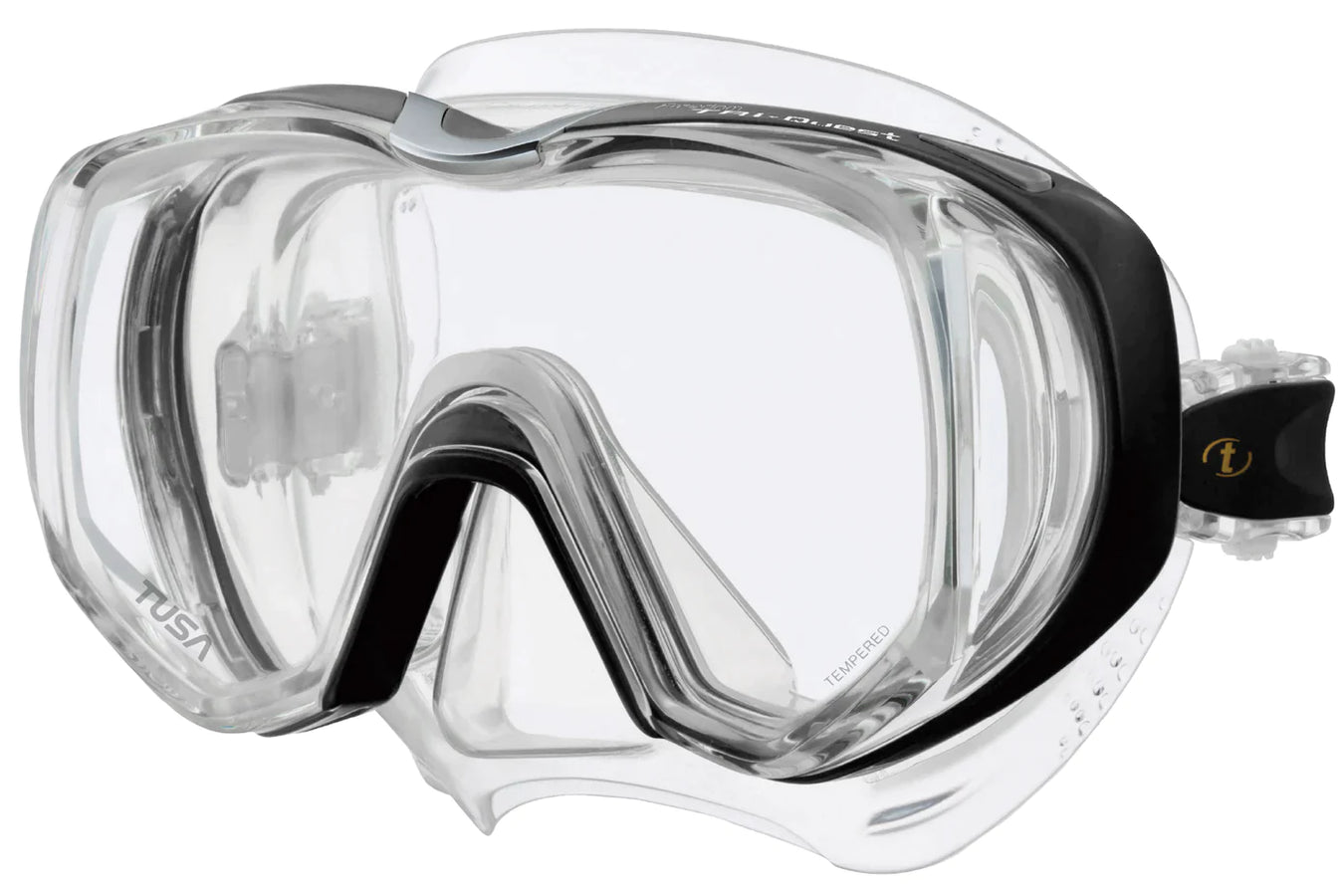
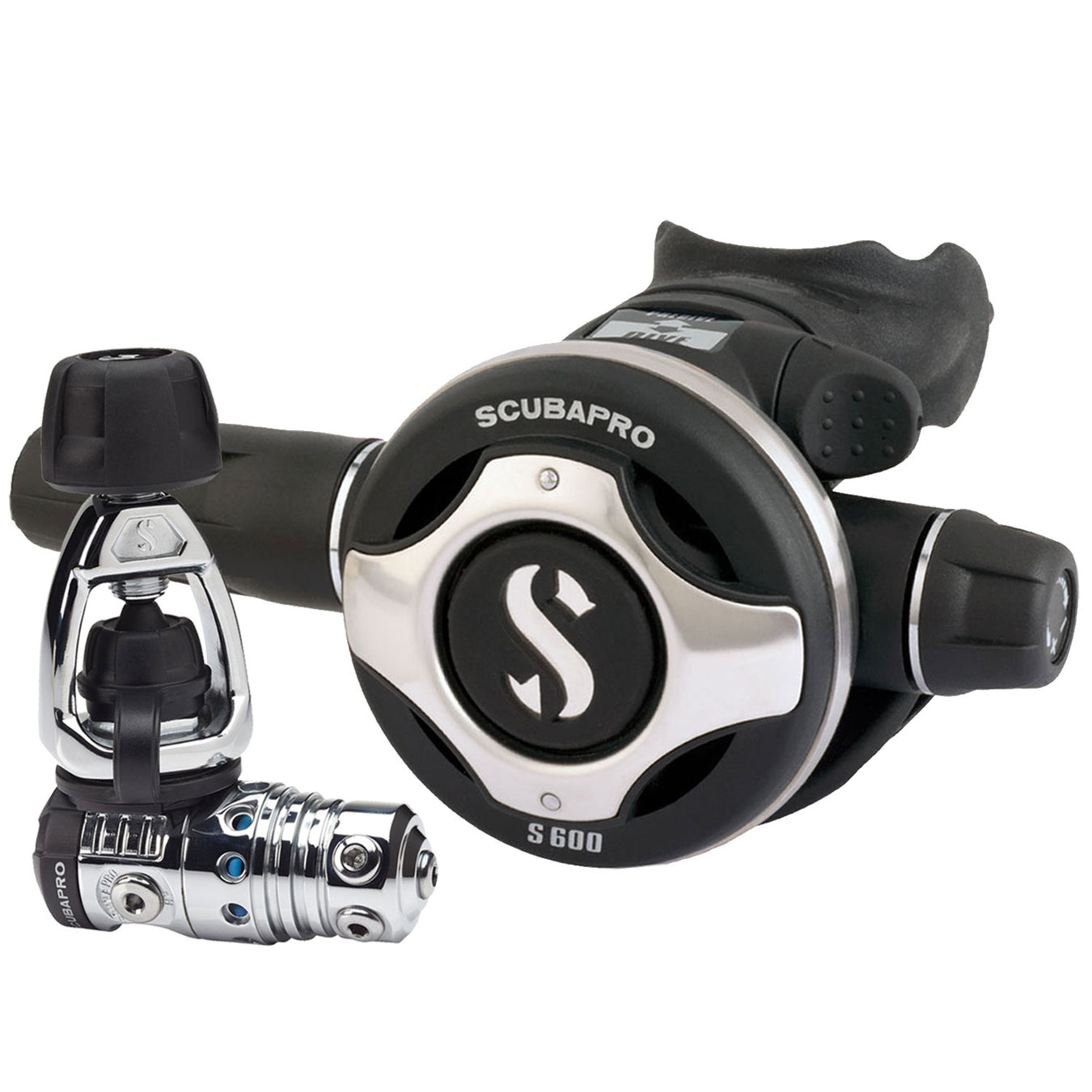
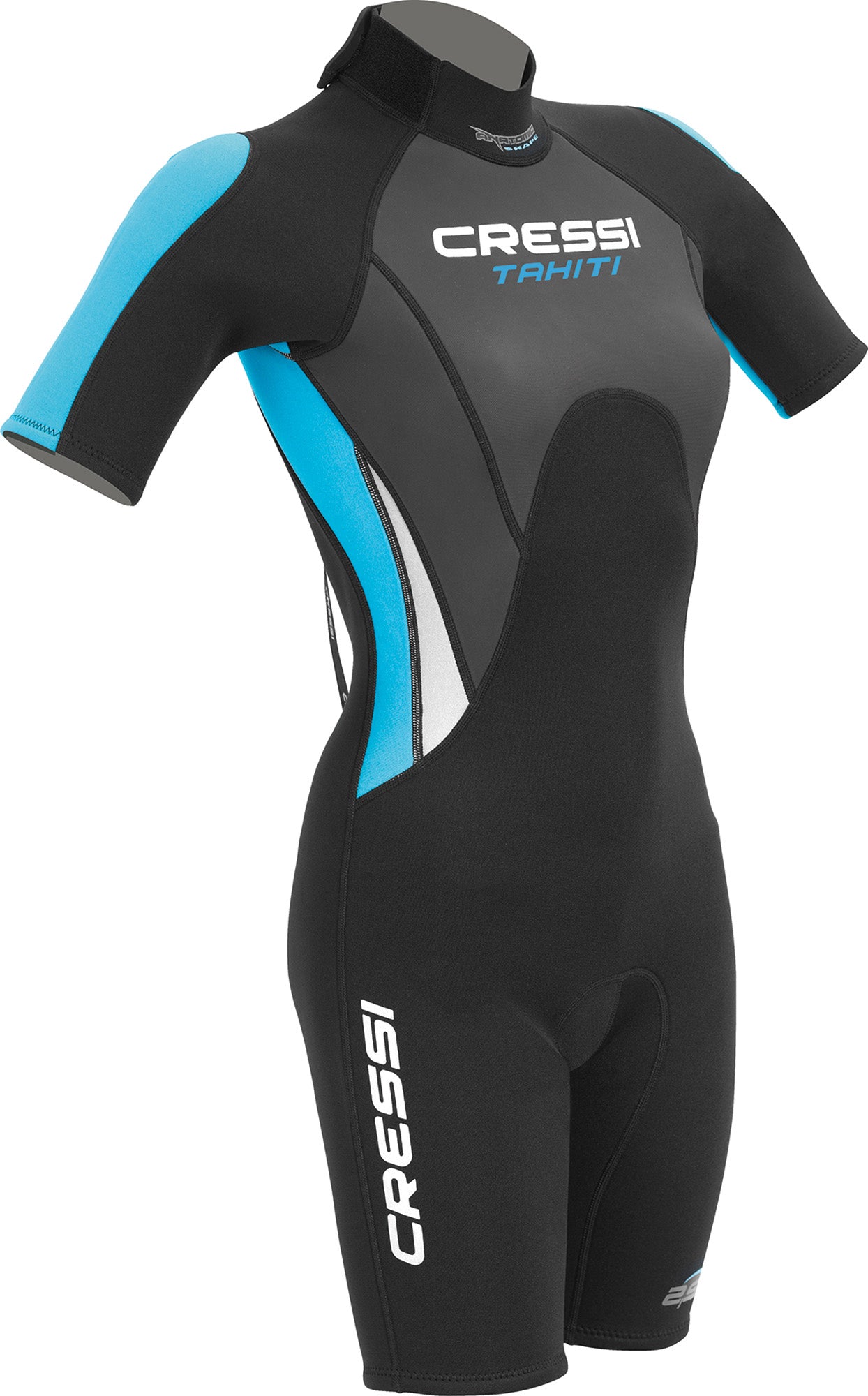
In addition to dive computers and BCDs, deep divers rely on specialized regulators, dive lights, and exposure suits to stay safe and comfortable in the underwater environment. These pieces of equipment undergo rigorous testing and certification to meet industry standards and ensure reliability at depth.
Deep diving offers a unique opportunity to explore diverse underwater ecosystems that are teeming with life and beauty. From vibrant coral reefs to mysterious kelp forests, each ecosystem presents a different set of challenges and rewards for divers to discover.
Coral reefs, known as the "rainforests of the sea," are among the most biodiverse ecosystems on the planet, supporting a wide variety of marine species. Deep divers can witness the intricate structures of coral colonies, observe colorful fish darting among the corals, and encounter larger marine creatures such as sharks and rays that call the reef home.
Kelp forests, found in colder waters, provide a habitat for an array of marine life, including sea otters, seals, and a diverse range of fish species. Diving through a kelp forest is like entering a submerged forest, with towering kelp fronds swaying in the currents and creating a mesmerizing underwater landscape.
Exploring these underwater ecosystems not only offers a glimpse into the wonders of marine life but also underscores the importance of conservation and protection. By experiencing these ecosystems firsthand, divers gain a deeper appreciation for the fragile balance of life beneath the waves and the need to preserve these environments for future generations.
The question "how deep can you scuba dive?" opens up a world of exploration, challenge, and discovery. It's a question that goes beyond technical limits to touch on the essence of what it means to be a diver. Whether it's the recreational diver enjoying the beauty of a coral reef or the technical diver exploring the depths of a sunken ship, each dive is an adventure that enriches our lives and expands our understanding of the world beneath the waves.
As we continue to push the boundaries of diving, we do so with a respect for the ocean and a commitment to safety and education. The depths call to us, offering a journey of discovery that is as deep and as boundless as the sea itself.
Ready to explore the depths and discover the underwater world? Lancaster Scuba is your gateway to the ultimate diving experience. With our extensive selection of top-notch gear, expert diving instruction, and thrilling dive trips, you're set for an adventure that goes beyond the surface. Check out our scuba gear and take the first step towards your next underwater journey. Gear up, dive in, and let's travel the depths together with Lancaster Scuba.


{"one"=>"Select 2 or 3 items to compare", "other"=>"{{ count }} of 3 items selected"}