

Exploring the Depths: Spearfishing in San Diego
Dive into the exhilarating world of spearfishing in San Diego! Discover the best spots, techniques, and gear for an unforgettable underwater adventure.
Read now
In the vast, blue expanse of our planet's oceans, scuba diving offers an unparalleled adventure, inviting us to explore worlds beneath the surface that few have seen. The question of "how deep can you dive with scuba gear?" opens the door to understanding not just the technical limits of diving equipment but also the human spirit's boundless curiosity and desire to explore the unknown.
Scuba diving is more than a sport or hobby; it's a journey into the depths of the earth's final frontier. The depth to which a diver can safely venture depends on a variety of factors, including the type of gear, the diver's experience, and the specific conditions of the dive.
At the heart of scuba diving's depth limitations is the concept of pressure. As a diver descends, the weight of the water above increases, compressing air spaces and affecting the body in ways that must be carefully managed. The deeper you go, the greater the pressure, with every 10 meters (approximately 33 feet) adding another atmosphere of pressure.
This increase in pressure impacts how divers breathe and how their bodies absorb gases, necessitating careful planning and limits to ensure safety.
Recreational diving, which is what most enthusiasts participate in, typically adheres to a maximum depth limit of 40 meters (130 feet). This boundary is set to minimize the risks associated with deeper dives, such as nitrogen narcosis and decompression sickness.
Technical diving, on the other hand, pushes beyond these limits, using specialized equipment and gases to explore depths of 100 meters (328 feet) or more. However, these dives require extensive training, experience, and a meticulous approach to dive planning.
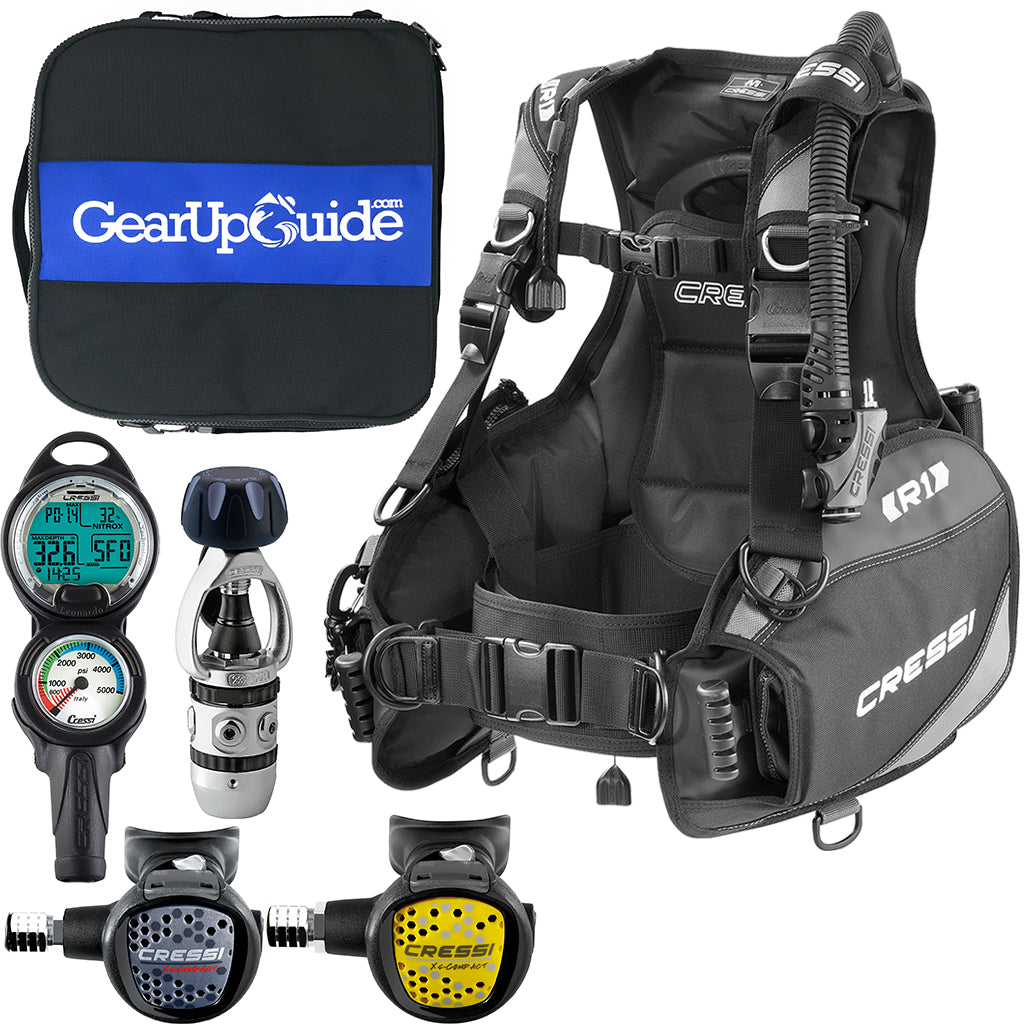
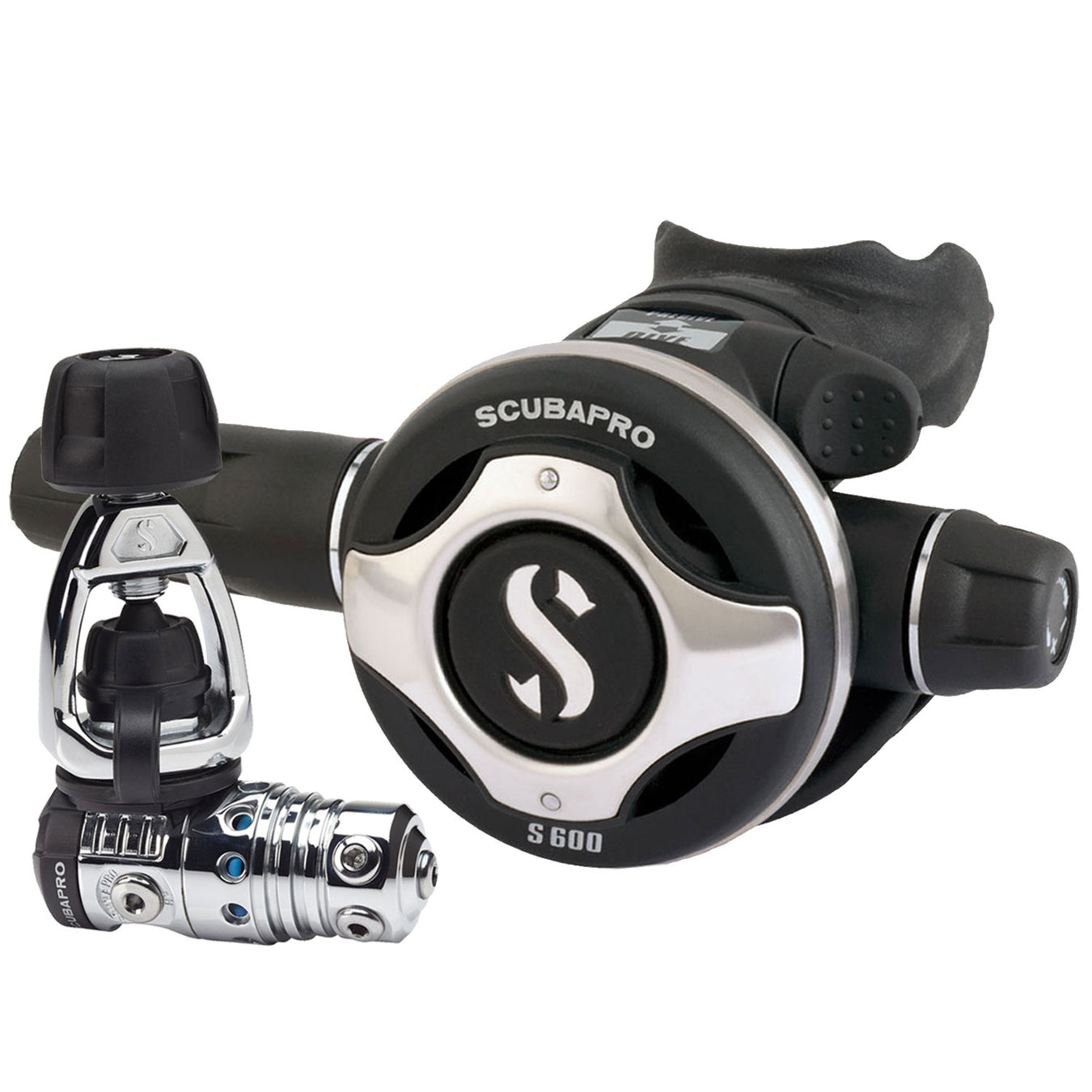
The scuba gear you use is not just a tool but your lifeline underwater. The design and capabilities of your equipment play a crucial role in how deep you can dive.
The most recognizable piece of diving equipment, the scuba tank, holds the compressed air or gas mixture divers breathe underwater. The choice between air and enriched air nitrox (a mix with a higher oxygen content) can affect how deep and how long divers can safely stay underwater.
For deeper dives, technical divers often use blends like trimix (a mix of oxygen, nitrogen, and helium) to mitigate the risks of narcosis and oxygen toxicity.
Dive computers are critical for monitoring depth, time, and decompression status, helping divers stay within safe limits. These devices use sophisticated algorithms to track the absorption of inert gases, providing real-time data and safety stop information to prevent decompression sickness.
With the allure of the deep comes the responsibility to dive safely, respecting the ocean's power and the limits of human endurance.
One of the primary risks of deep diving is decompression sickness (DCS), caused by inert gases forming bubbles in the body during ascent. Symptoms can range from joint pain and dizziness to paralysis and death. Nitrogen narcosis, often called "the rapture of the deep," affects a diver's judgment and motor skills, similar to being intoxicated.
Both conditions underscore the importance of adhering to depth limits, dive planning, and gradual ascents with safety stops.
The depth of your dive is not just a number; it's a measure of your skill, training, and preparation. Divers must undergo certification courses to learn the basics and then gain experience under the guidance of seasoned instructors. Advanced and technical diving certifications introduce divers to the equipment and techniques needed to safely explore deeper waters.
For those drawn to the depths, scuba diving offers an adventure like no other, a chance to explore the mysteries of the underwater world and push the boundaries of human exploration.
Many of the ocean's most fascinating treasures lie beyond the reach of recreational diving limits. Shipwrecks, sunken aircraft, and deep-sea coral reefs offer a glimpse into history and a habitat teeming with life, waiting for those with the courage and skill to explore them.
As we ponder the question, "how deep can you dive with scuba gear?" we find that the answer lies not just in the technology or the physiology of the human body but in the spirit of adventure that drives us to explore. With each dive, we not only discover the secrets of the deep but also learn more about ourselves and our place in the natural world.
In the end, the depth to which you can dive is a personal journey, one that requires respect for the ocean, a commitment to safety, and an unquenchable curiosity about the world beneath the waves.
One of the most thrilling and challenging aspects of deep diving is exploring underwater caves. These submerged caverns offer a unique environment filled with mystery and beauty, but they also present significant risks due to confined spaces and potential disorientation.
Exploring underwater caves requires specialized training and equipment, including guidelines for maintaining a continuous guideline to the surface to ensure a safe exit in low visibility conditions. The allure of discovering hidden chambers and rock formations drives some divers to push the boundaries of their skills and courage.
When diving to greater depths, maintaining proper buoyancy control and trim becomes even more critical. Buoyancy compensators (BCs) and weight systems must be adjusted to achieve neutral buoyancy at different depths, allowing divers to conserve energy and move effortlessly through the water column.
Proper trim, which refers to the diver's horizontal body position in the water, helps reduce drag and improve streamlining, enhancing the overall diving experience and conserving air consumption for longer dives.
Exploring the depths with scuba gear unveils a mesmerizing world of marine life adapted to the challenges of deep-water environments. From bioluminescent creatures that glow in the dark to elusive species rarely seen in shallower waters, the biodiversity of the deep sea continues to captivate divers and scientists alike.
Deep-water corals, hydrothermal vent communities, and large pelagic species like sharks and whales add to the allure of deep diving, offering encounters that are both awe-inspiring and humbling. Understanding these ecosystems and the adaptations of their inhabitants provides valuable insights into the interconnectedness of life on Earth.
As awareness of the fragility of deep-sea ecosystems grows, conservation efforts have become increasingly important in protecting these vulnerable habitats. Organizations and initiatives focused on marine conservation work to preserve biodiversity, prevent habitat destruction, and combat illegal fishing practices that threaten deep-water species.
By promoting sustainable diving practices, supporting marine protected areas, and advocating for responsible tourism, divers can contribute to the long-term health and preservation of the oceans they love to explore.
Are you ready to embrace the depths and discover the wonders of the underwater world? Lancaster Scuba is your trusted partner on this journey, offering top-notch gear, expert instruction, and unforgettable travel experiences. Whether you're gearing up for your first dive or seeking to expand your horizons with advanced certifications and specialty courses, we have everything you need. Check out our scuba gear and take the first step towards your next underwater adventure. Gear up, dive in, and travel the seas with Lancaster Scuba.


{"one"=>"Select 2 or 3 items to compare", "other"=>"{{ count }} of 3 items selected"}