

Exploring the Depths: Spearfishing in San Diego
Dive into the exhilarating world of spearfishing in San Diego! Discover the best spots, techniques, and gear for an unforgettable underwater adventure.
Read now
In the vast, blue expanse of our planet's oceans, scuba diving offers an unparalleled adventure, inviting us to explore worlds beneath the waves that few have seen. Yet, as we gear up and dive into the unknown, one question often surfaces—how deep can scuba divers go? This question isn't just about numbers or limits; it's about understanding the essence of scuba diving, the blend of adventure and safety, and the spirit of exploration that drives us. Let's embark on a journey to uncover the depths to which scuba diving can take us, navigating through the layers of water that have captivated humans for centuries. This exploration is not just about reaching the bottom; it's about the experiences, the safety knowledge required, and the sheer joy of discovering the underwater world.
Scuba diving is an activity that allows us to breathe underwater, using specialized equipment to explore the ocean's depths. But how deep we can go is influenced by several factors, including training, experience, and the physical limits of the human body.
As divers descend, the pressure increases. This has significant effects on the body and the equipment used. The deeper you go, the more you feel the weight of the water above you, compressing air spaces and affecting buoyancy. Understanding and managing these effects are crucial for safe and enjoyable dives.
Moreover, the increased pressure affects how our bodies absorb gases. The deeper a diver goes, the more critical it becomes to monitor air consumption and manage the risk of decompression sickness, a condition that can occur if a diver ascends too quickly.
Scuba diving is not a one-size-fits-all activity. Divers are trained and certified at different levels, each allowing them to explore to certain depths. Recreational diving certifications typically cover depths up to 40 meters (130 feet), considered the limit for safe diving without specialized training.
Advanced training programs introduce divers to techniques and equipment that allow for deeper dives. Technical diving, for example, can take experienced divers beyond 100 meters (328 feet), but this requires extensive training, experience, and a thorough understanding of the risks involved.
For many, the allure of scuba diving lies in pushing boundaries and exploring the unknown. Beyond recreational diving depths, there's a whole new world to discover, from historic shipwrecks to deep-sea ecosystems.
Many of the ocean's most fascinating stories lie beyond the reach of recreational diving limits. Shipwrecks, sunk during wars or lost to storms, rest in deeper waters. Exploring these sites is not just an adventure; it's a journey through history, offering a glimpse into the past that few can experience.
However, diving to these depths requires not just advanced training but also a respect for the sites and their stories. Divers must navigate the fine line between exploration and preservation, ensuring that these underwater museums remain intact for future generations.
The deeper you go, the more the underwater landscape changes. Light fades, and the marine life adapts in fascinating ways to the dark, high-pressure environment. Deep-sea diving offers a unique opportunity to observe these adaptations firsthand, from bioluminescent creatures to species unknown to science until recently.
Yet, exploring these ecosystems also highlights the importance of conservation. The deep sea is a fragile environment, and divers must tread lightly, aware of their impact on these untouched worlds.
With the adventure of deep diving comes the responsibility of managing risks. Safety is paramount in scuba diving, especially as divers venture beyond recreational limits.
One of the most significant risks of deep diving is decompression sickness, caused by ascending too quickly and not allowing the body to decompress properly. Similarly, nitrogen narcosis, the "rapture of the deep," can impair a diver's judgment and motor skills at depths beyond 30 meters (100 feet).
Understanding these risks and how to mitigate them is a crucial part of deep diving training. Divers learn to use dive computers to monitor their depth and ascent rate, plan their dives carefully, and always dive with a buddy for safety.
Moreover, it's essential for divers to be aware of their physical and mental state during deep dives. The psychological effects of diving into the depths can vary from person to person, and maintaining a calm and focused mindset is crucial for safe exploration. Techniques such as mindfulness and controlled breathing can help divers manage stress and anxiety that may arise in the underwater environment.
Another aspect that adds to the allure of scuba diving is underwater photography. Capturing the beauty and mystery of the underwater world allows divers to share their experiences with others and preserve memories of their adventures.
Underwater photography presents unique challenges compared to traditional photography on land. Factors such as low light conditions, limited visibility, and the need to stabilize oneself in the water require divers to hone their skills and adapt to the environment.
However, the rewards of underwater photography are immense. From vibrant coral reefs teeming with life to the graceful movements of marine creatures, each shot tells a story of the hidden wonders beneath the waves. Photographs not only serve as mementos for divers but also raise awareness about the importance of ocean conservation and protection.
Successful underwater photography relies on the right equipment and techniques. Divers use specialized cameras housed in waterproof casings to capture stunning images below the surface. Understanding lighting, composition, and the behavior of marine life is essential for creating compelling underwater photographs.
Furthermore, post-processing plays a significant role in enhancing underwater images. Editing software allows divers to adjust colors, contrast, and clarity, bringing out the true beauty of the underwater world captured through their lenses.
How deep can scuba divers go? The answer is as complex as the ocean itself, intertwined with the limits of human endurance, the advancements in diving technology, and the spirit of adventure that drives us. Scuba diving is more than just a sport or hobby; it's a journey into the unknown, a constant learning process, and a testament to the human desire to explore.
Whether it's the allure of a sunken shipwreck, the mystery of deep-sea ecosystems, the challenge of pushing physical and psychological limits, or the art of capturing underwater moments through photography, diving deep offers an adventure like no other. But with great adventure comes great responsibility—to ourselves, to our fellow divers, and to the marine environments we cherish and explore.
As we continue to dive deeper, let's do so with respect, caution, and an unending curiosity for the wonders that lie beneath the waves. The ocean's depths are a final frontier on this planet, and for those willing to explore them, they offer experiences that are truly beyond compare.
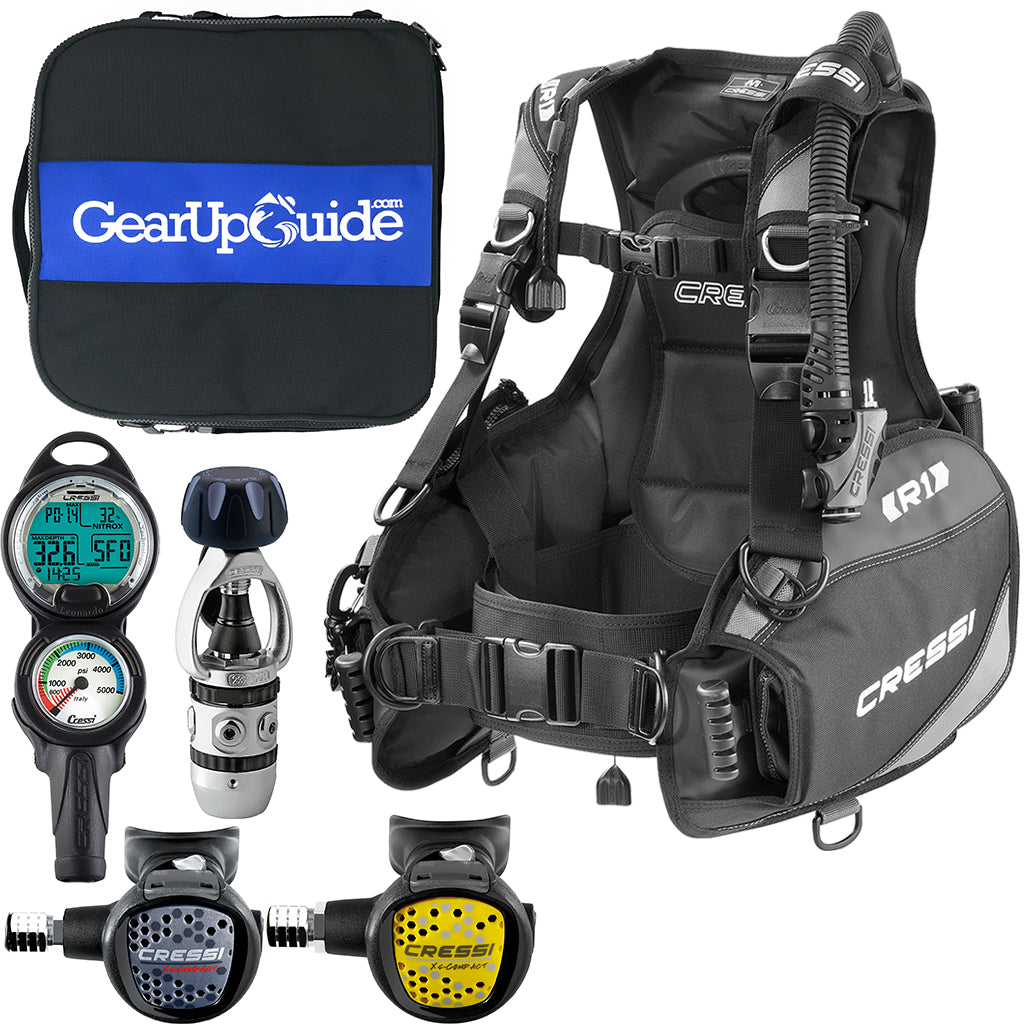
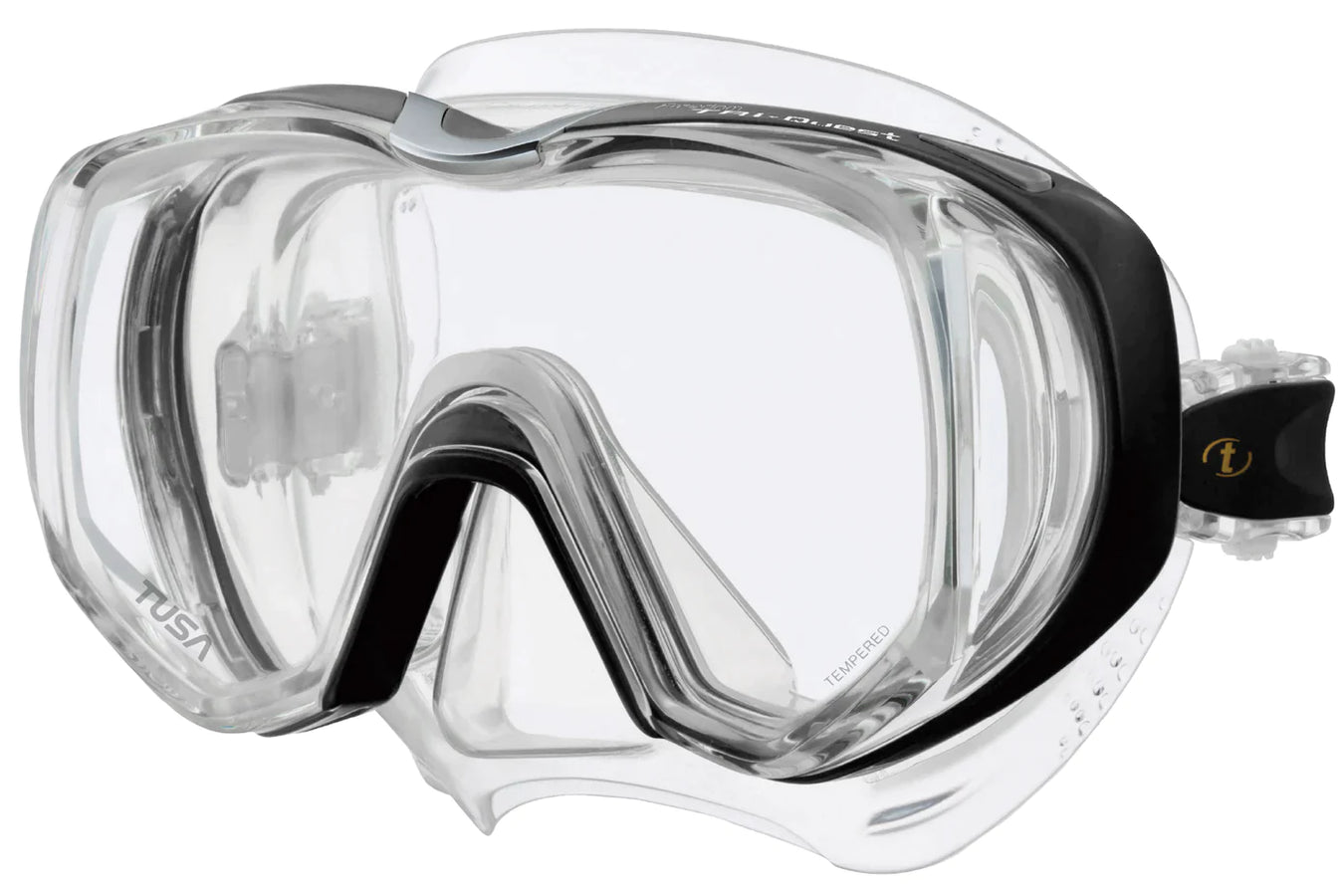
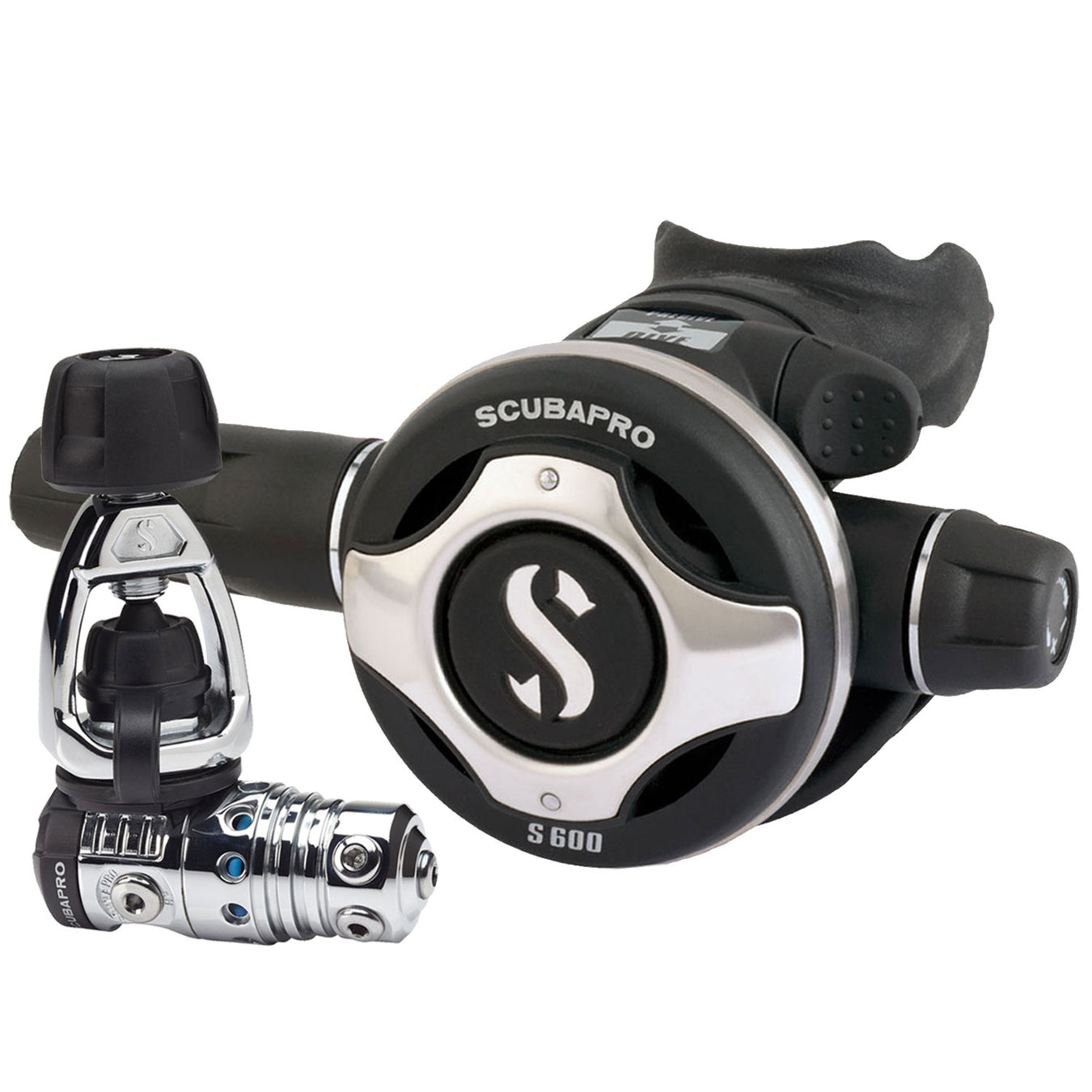
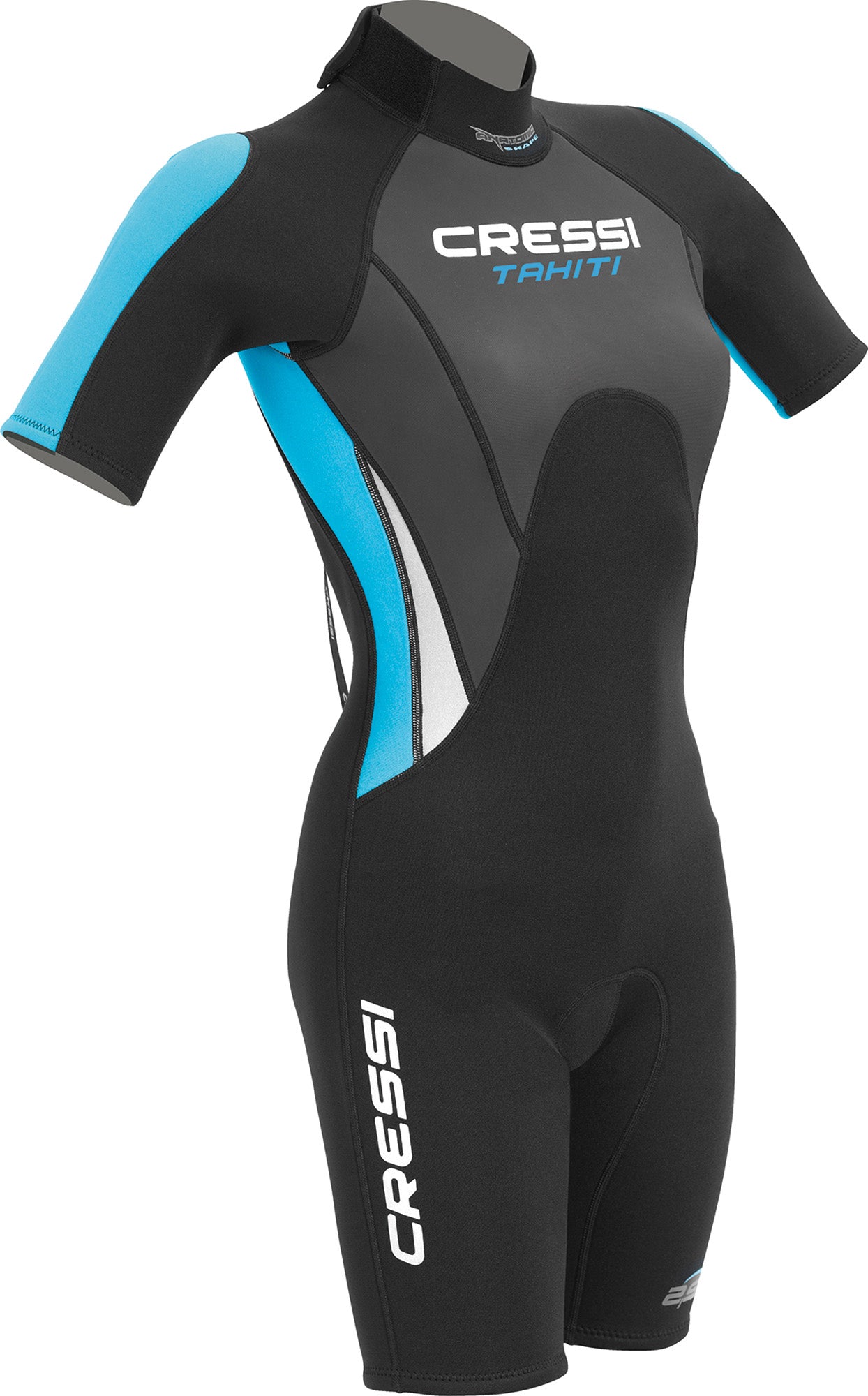
As you contemplate the depths you can explore and the adventures that await, remember that the right gear and training are your tickets to a safe and exhilarating dive. Lancaster Scuba is here to equip you with everything you need, from top-notch scuba gear to expert diving instruction. Embrace the "Gear. Dive. Travel." experience and let us guide you through your underwater journey. Whether you're just starting out or looking to expand your diving horizons, we have the resources to support your passion. Check out our scuba gear and start planning your next dive adventure today!


{"one"=>"Select 2 or 3 items to compare", "other"=>"{{ count }} of 3 items selected"}