

Exploring the Depths: Spearfishing in San Diego
Dive into the exhilarating world of spearfishing in San Diego! Discover the best spots, techniques, and gear for an unforgettable underwater adventure.
Read now
In the vast, blue expanse of our planet's oceans, scuba divers are the adventurers who dare to explore beneath the surface, seeking out the mysteries and marvels hidden in the deep. The question of "how deep can scuba divers go" is not just a matter of physical capability or technological advancement; it's a journey into the heart of what drives humans to explore the unknown. This exploration is not only about reaching new depths but understanding the limits and possibilities that the underwater world presents.
Scuba diving is an activity that allows humans to breathe underwater using a self-contained underwater breathing apparatus. But how deep divers can go depends on several factors, including training, experience, and the type of equipment used. Let's dive into the fundamentals of diving depths.
The ocean is a beautiful but challenging environment, with water pressure increasing the deeper you go. At sea level, the atmospheric pressure is 1 atmosphere (atm). However, for every 10 meters (approximately 33 feet) you descend underwater, the pressure increases by 1 atm. This increase in pressure affects the human body in various ways, which divers must understand and respect.
Divers are trained to manage the effects of pressure, including the risks of decompression sickness (DCS), nitrogen narcosis, and oxygen toxicity. These conditions can become serious threats to divers who venture too deep without proper precautions or exceed their training limits.
For recreational divers, the recommended maximum depth is 40 meters (130 feet). This limit is set by major diving certification agencies and is based on the risks associated with deeper dives, including the increased chance of DCS and the challenges of managing gas mixtures and narcosis.
Recreational diving within this limit allows divers to explore a vast array of underwater environments, from coral reefs teeming with life to sunken ships that tell stories of the past. Each dive, no matter the depth, offers a unique adventure and an opportunity to witness the beauty of the underwater world.
While recreational limits are sufficient for many, some divers are drawn to the challenges and mysteries that lie deeper. Advanced diving techniques and technologies have opened the doors to depths once thought unreachable.
Technical diving is a term used to describe diving beyond the recreational limits, whether in depth, time, or environment (such as cave diving). Tech divers use specialized equipment, including mixed gases like trimix (a blend of oxygen, nitrogen, and helium) to reduce narcosis and DCS risks at great depths.
Technical diving requires extensive training, experience, and planning. Divers learn to manage multiple gas mixtures, navigate in challenging environments, and handle potential emergencies. This level of diving allows exploration of deep wrecks, caves, and underwater formations that are beyond the reach of recreational divers.
Saturation diving is a professional diving technique used primarily for underwater construction, salvage, and research. Divers live in a pressurized environment for extended periods, allowing their bodies to "saturate" with inert gases, thereby avoiding DCS during long or deep dives. Saturation divers can work at depths of several hundred meters, but this type of diving is highly specialized and carries significant risks.
The depths reached by saturation divers are a testament to human ingenuity and the desire to explore and understand the deepest parts of our oceans. These divers are at the forefront of scientific research, underwater construction, and salvage operations, pushing the boundaries of what's possible under the sea.
As we explore deeper into the ocean, safety and conservation must remain at the forefront of our endeavors. The allure of the deep is undeniable, but it comes with a responsibility to protect ourselves and the marine environments we love.
Safety in diving comes down to education, preparation, and respect for the limits of one's training and experience. Divers are encouraged to continue their education, practice their skills, and dive within their limits. The use of dive computers, proper planning, and adherence to safety protocols can significantly reduce the risks associated with deep diving.
Moreover, divers are ambassadors for the ocean, often playing a crucial role in conservation efforts. By witnessing the beauty and fragility of underwater ecosystems, divers are uniquely positioned to advocate for their protection and preservation.
The impact of human activities on the ocean is profound, from coral bleaching and overfishing to pollution and climate change. Divers can contribute to conservation efforts by participating in reef cleanups, citizen science projects, and advocating for marine protected areas.
Exploring the depths of the ocean is a privilege that comes with the duty to protect these environments for future generations. Each dive, whether in shallow waters or at the edge of human limits, is an opportunity to foster a deeper connection with the ocean and a commitment to its conservation.
When considering the depths that scuba divers can reach, it's essential to acknowledge the psychological aspects of deep diving. Descending into the darkness of the deep sea can evoke a mix of awe and fear, challenging divers both mentally and emotionally. The concept of nitrogen narcosis, often referred to as "rapture of the deep," can alter perception and decision-making at depth, adding an extra layer of complexity to deep dives.
Furthermore, the physical demands of deep diving require divers to be in peak condition. Maintaining proper fitness levels, including cardiovascular health and muscle strength, is crucial for managing the stresses of deep dives. Divers often undergo rigorous physical training to enhance their endurance and ensure they can handle the challenges of extended time underwater.
One of the most alluring aspects of deep diving is the opportunity to explore sunken shipwrecks that lie at the ocean floor. These underwater time capsules hold stories of the past, offering a glimpse into history and maritime mysteries. Divers who venture into the depths to visit these wrecks not only witness the remnants of bygone eras but also contribute to the preservation and documentation of these cultural heritage sites.
Shipwrecks can be found at various depths, from shallow waters accessible to recreational divers to deep sites that require advanced technical skills. Each wreck tells a unique story, whether it's a merchant vessel lost to a storm or a warship sunk in battle. Exploring these underwater museums requires a blend of historical knowledge, diving expertise, and a deep respect for the artifacts and marine life that now call these wrecks home.
Documenting shipwrecks through photography, videography, and archaeological surveys is not only a way to capture the beauty and historical significance of these sites but also a means of monitoring their condition over time. By studying how shipwrecks decay and interact with their underwater environments, researchers can learn more about preservation techniques and the impact of human activity on these fragile underwater treasures.
Moreover, the exploration of deep shipwrecks offers a window into the past, allowing us to connect with our maritime heritage and the stories of those who sailed the seas long ago. Divers who venture into the depths to visit these wrecks play a vital role in preserving history and ensuring that these underwater time capsules remain intact for future generations to explore and appreciate.
In the quest to discover "how deep can scuba divers go," we find that the answer lies not just in the depths we can reach but in the depth of our understanding, respect, and responsibility towards the underwater world. The ocean's mysteries are vast, and as we push the boundaries of exploration, we must also commit to being stewards of this incredible frontier.
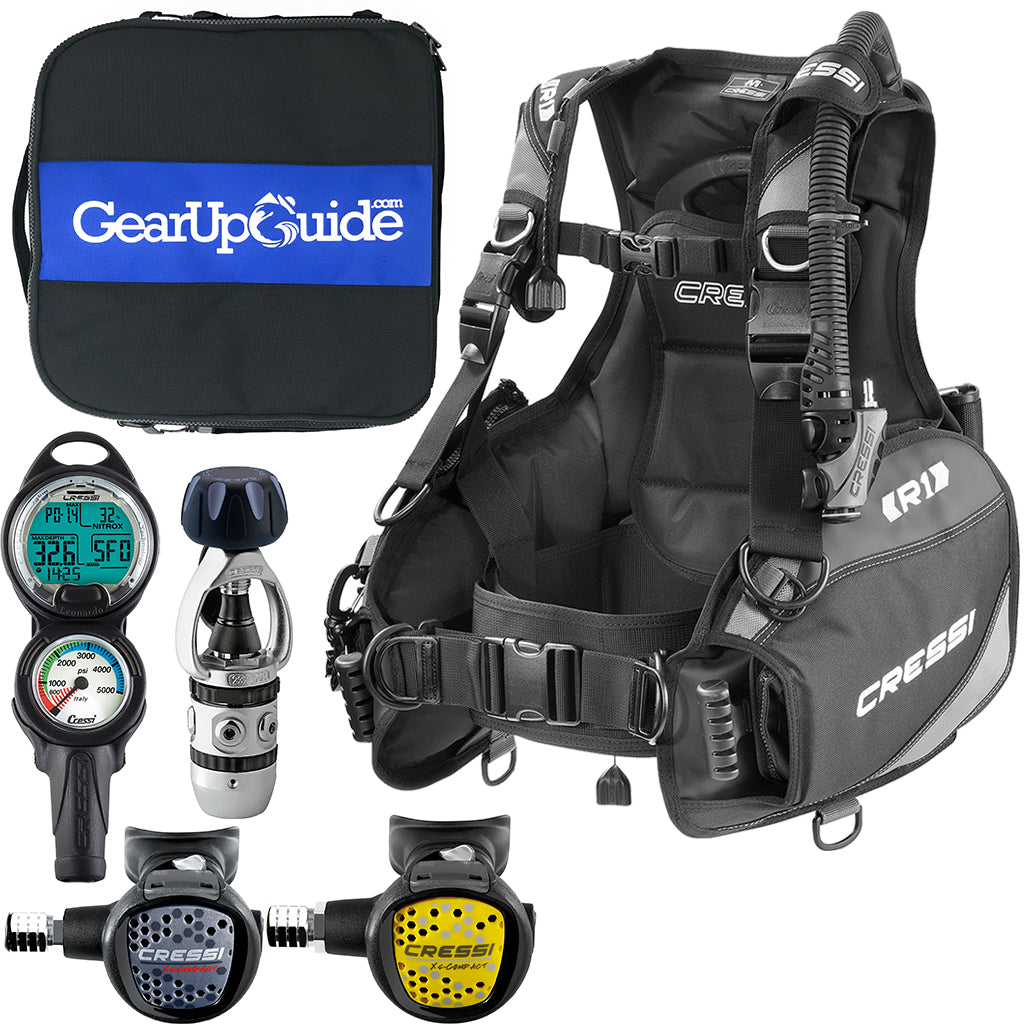
As you contemplate the depths you can explore, remember that Lancaster Scuba is here to guide you every fathom of the way. With our expert diving instruction and a wide selection of equipment, we ensure a seamless experience for all your underwater adventures. Whether you're gearing up for your first dive or planning your next underwater expedition, we have everything you need. Check out our scuba gear and embrace the spirit of "Gear. Dive. Travel." to make your deep-sea dreams a reality.


{"one"=>"Select 2 or 3 items to compare", "other"=>"{{ count }} of 3 items selected"}