

Exploring the Depths: Spearfishing in San Diego
Dive into the exhilarating world of spearfishing in San Diego! Discover the best spots, techniques, and gear for an unforgettable underwater adventure.
Read now
In the vast, uncharted waters of our planet, scuba diving offers an escape into a world filled with mystery, adventure, and the allure of the unknown. The question of "how deep can conventional scuba equipment go" is not just a query about technical limitations; it's an invitation to explore the boundaries of human capability and the technological advancements that allow us to venture further into the aquatic abyss. This exploration is not merely about depth—it's about the passion, safety, and the spirit of discovery that defines the diving community.
At the heart of every dive is the pursuit of something beyond the ordinary, a quest that pushes the limits of both the diver and their equipment. Understanding the depths achievable with conventional scuba gear is essential for every diver, from the novices taking their first plunge to the seasoned veterans exploring new frontiers.
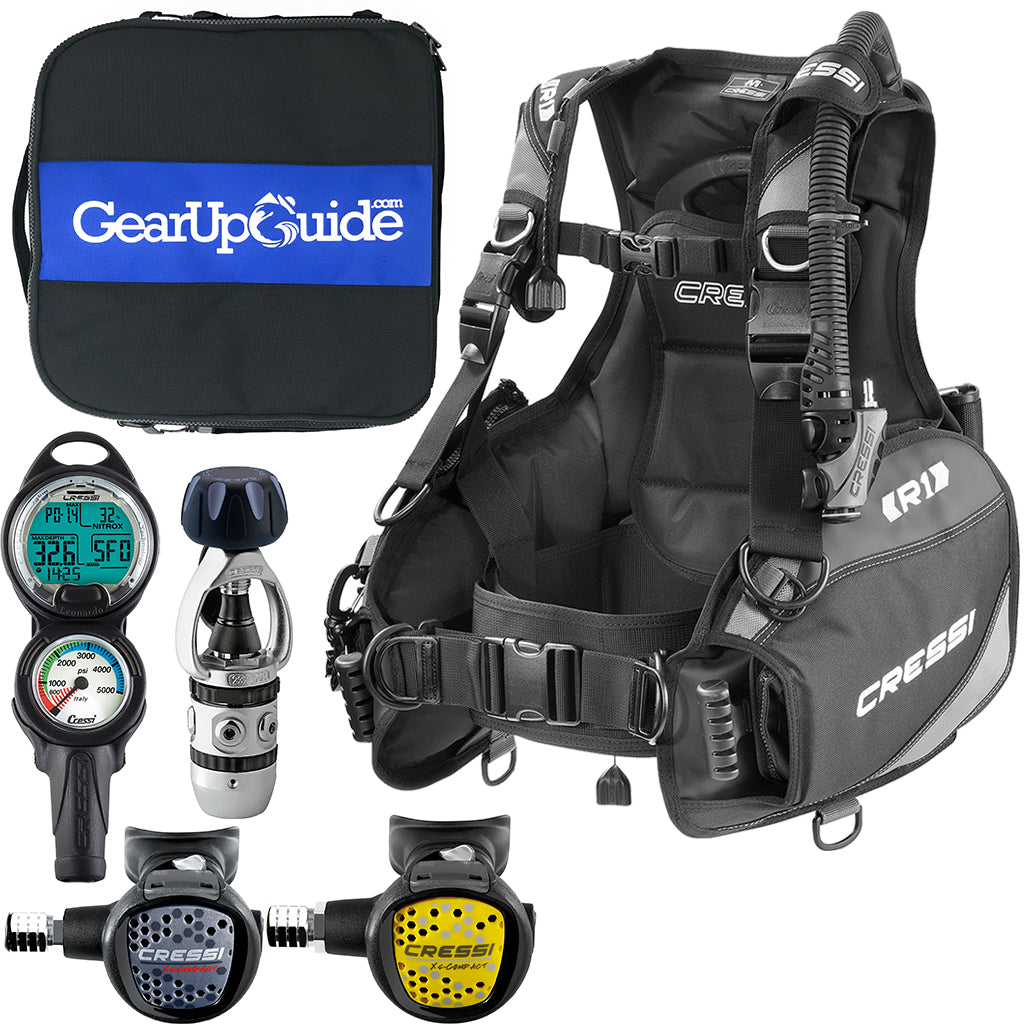
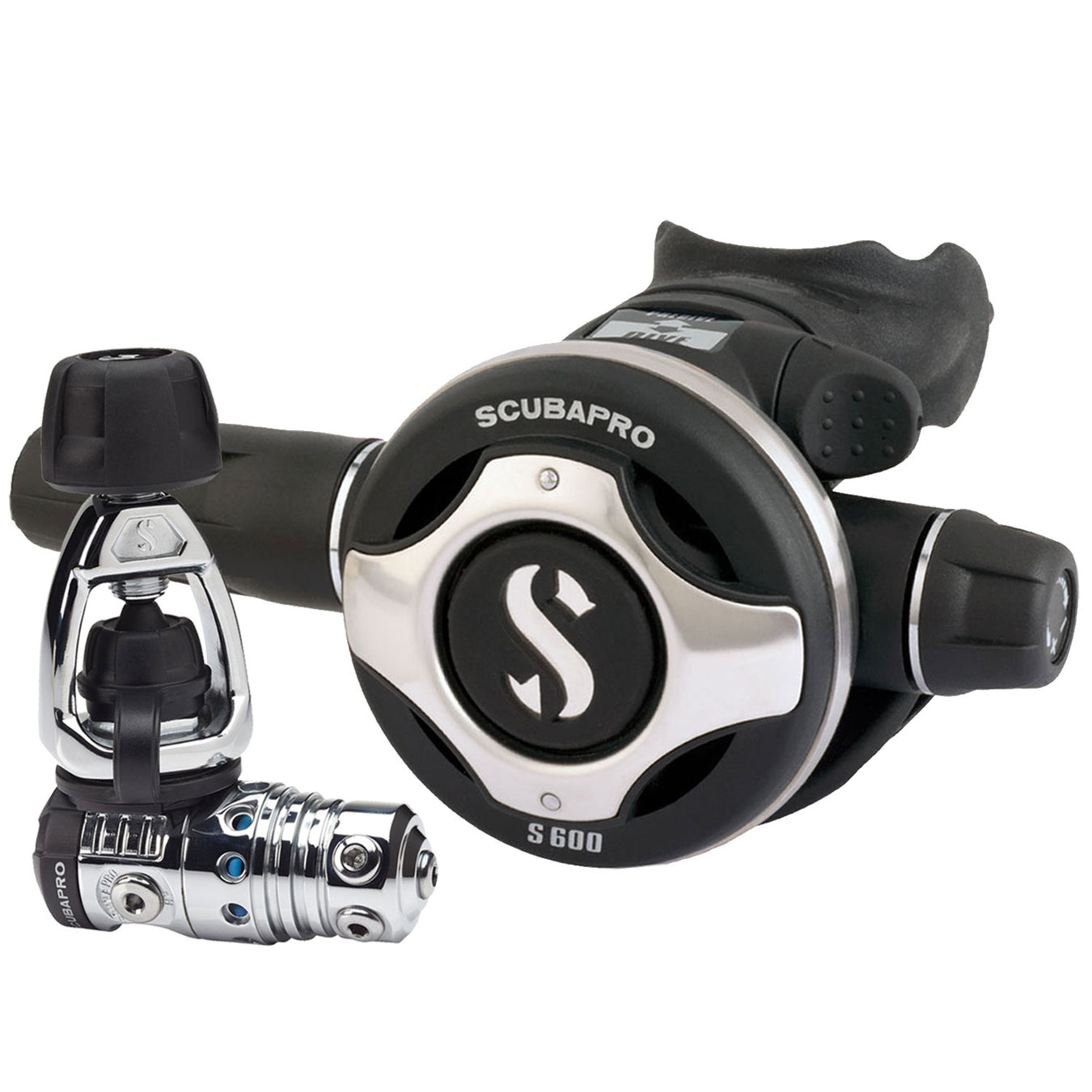
Conventional scuba equipment, the lifeline of the diving community, comprises several key components designed to sustain life beneath the waves. The self-contained underwater breathing apparatus (SCUBA) allows divers to breathe underwater by carrying their source of breathing gas, usually compressed air or enriched air nitrox. This equipment, while sophisticated, has its limits, dictated by physics, physiology, and the technology at its core.
The design and capabilities of scuba gear have evolved significantly since its inception, driven by a relentless pursuit of deeper, longer, and safer dives. Today's equipment incorporates advanced materials, computerized dive computers, and enhanced safety features, all aimed at expanding the underwater horizon for divers.
As divers descend, the pressure exerted by the weight of the water above increases. This increase in pressure affects both the diver and their equipment, particularly the air in their tanks and their body's ability to absorb gases. The deeper a diver goes, the more compressed the air in their tank becomes, and the faster it is consumed.
Moreover, the risk of decompression sickness (DCS), also known as "the bends," escalates with depth and time spent underwater. DCS occurs when dissolved gases in the diver's blood form bubbles as they ascend and pressure decreases. These risks define the safe operational limits for conventional scuba diving.
The depth to which a diver can safely go with conventional scuba equipment is a matter of both physical limits and safety protocols. These boundaries ensure that the adventure of diving remains a joy, not a peril.
Recreational scuba diving, which encompasses the majority of diving activities, is generally limited to a maximum depth of 40 meters (130 feet). This limit is set by major diving certification agencies to ensure divers have a margin of safety from the effects of nitrogen narcosis and the increased risk of DCS.
Nitrogen narcosis, a temporary alteration in consciousness caused by breathing nitrogen at high pressure, can impair a diver's judgment and motor skills, similar to being intoxicated. Staying within the recommended limits helps mitigate this risk, allowing divers to explore safely.
For those seeking to push beyond the boundaries of recreational diving, advanced and technical diving courses offer the training and knowledge to safely explore deeper waters. Technical diving can extend beyond 40 meters, utilizing specialized gas mixes such as trimix (a blend of oxygen, nitrogen, and helium) to reduce narcosis and oxygen toxicity risks.
Technical divers also employ redundant systems and carry additional equipment to manage the increased risks and logistical challenges of deep diving. These dives are meticulously planned and executed, with safety as the paramount concern.
The question of how deep conventional scuba equipment can go is more than a matter of depth—it's a testament to the human spirit's unyielding desire to explore, understand, and connect with the underwater world. Each dive, regardless of depth, is an adventure into the unknown, an opportunity to witness the marvels of the deep firsthand.
For many divers, the allure of deeper dives is irresistible. The chance to glide through ancient shipwrecks, marvel at untouched coral reefs, and encounter exotic marine life that few have seen, calls to the adventurer in every diver. These experiences, accessible only through the advancements in scuba technology and training, enrich the lives of those who dare to explore.
Yet, with every adventure comes the responsibility to dive within the limits of one's training, experience, and equipment. The diving community thrives on shared experiences and the collective respect for the ocean's power and mystery.
The journey into deeper waters is not undertaken lightly. It requires a commitment to continuous education, a deep respect for the ocean's dangers, and a dedication to the principles of safe diving. Through advanced training, divers learn to navigate the challenges of deep diving, from managing gas consumption to handling potential emergencies.
As divers, our exploration of the depths is guided by a philosophy that values safety, education, and a profound respect for the marine environment. It's this philosophy that allows us to push the boundaries of conventional scuba diving, venturing deeper into the ocean's heart with confidence and awe.
Advancements in technology have revolutionized the world of scuba diving, opening up new possibilities for exploration and safety. One such innovation is the development of rebreathers, devices that recycle exhaled air, removing carbon dioxide and replenishing oxygen for the diver to breathe again.
Rebreathers offer extended dive times and reduced gas consumption compared to traditional scuba equipment. They also produce fewer bubbles, making them ideal for underwater photographers and researchers who wish to minimize disturbance to marine life.
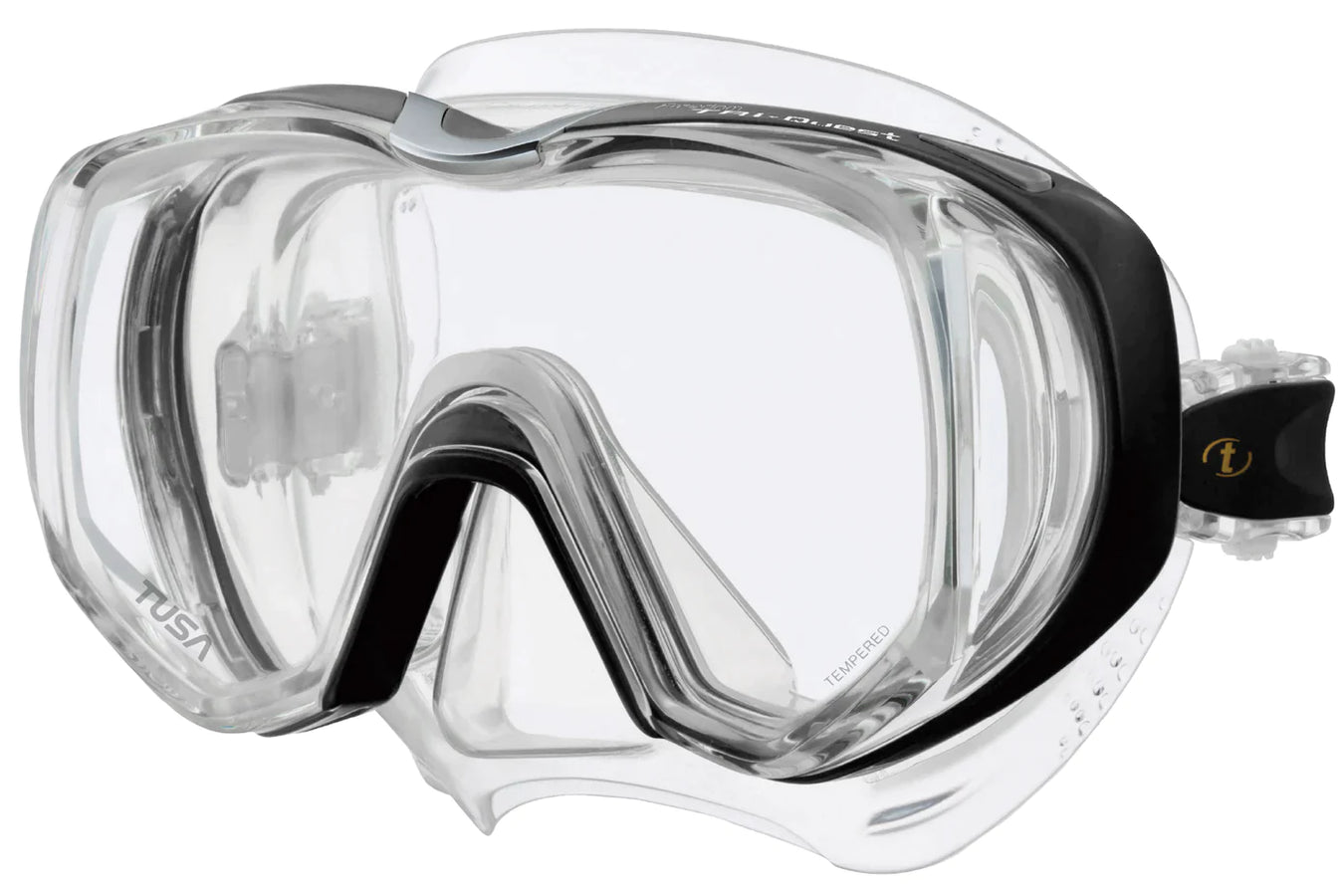
Another breakthrough in scuba gear technology is the integration of heads-up displays (HUDs) in dive masks. These displays provide real-time information to divers, such as depth, dive time, and remaining air supply, enhancing situational awareness and safety underwater.
Scuba diving not only allows us to explore the depths of the ocean but also provides a unique opportunity to study and protect underwater habitats. Coral reefs, often referred to as the rainforests of the sea, are biodiversity hotspots that support a wide array of marine life.
By diving responsibly and participating in citizen science initiatives, divers can contribute valuable data on reef health, species populations, and environmental changes. This collaborative effort between divers, scientists, and conservationists plays a crucial role in preserving these fragile ecosystems for future generations.
The depths to which conventional scuba equipment can take us are bound by the laws of physics, the limits of human physiology, and the technology we've developed to explore the underwater realm. Yet, within these boundaries lies a world of adventure, discovery, and unparalleled beauty, waiting to be explored. As we continue to push the limits of diving, we do so with a commitment to safety, education, and the relentless pursuit of adventure that defines the diving community.
Whether it's a shallow coral reef or the mysterious contours of a sunken vessel, every dive is an opportunity to explore further, learn more, and connect deeply with the wonders of the aquatic world. The question of "how deep can conventional scuba equipment go" is not just about depth—it's about how deeply we're willing to immerse ourselves in the pursuit of discovery and the endless adventure that lies beneath the waves.
As you stand on the brink of your next underwater adventure, remember that the right gear, training, and travel opportunities can elevate your diving experience. Lancaster Scuba is your gateway to the depths, offering top-notch equipment, expert PADI-certified courses, and unforgettable dive trips. Whether you're just starting or looking to expand your diving horizons, we've got you covered. Check out our scuba gear and join us as we gear up, dive in, and travel to the world's most awe-inspiring underwater destinations.


{"one"=>"Select 2 or 3 items to compare", "other"=>"{{ count }} of 3 items selected"}