

Exploring the Depths: Spearfishing in San Diego
Dive into the exhilarating world of spearfishing in San Diego! Discover the best spots, techniques, and gear for an unforgettable underwater adventure.
Read now
In the vast, uncharted waters of our planet, scuba diving offers an unparalleled adventure, inviting us to explore the mysteries that lie beneath the surface. The question of "how deep can a human dive with scuba gear" is not just a matter of technical capability but also one of human spirit and the relentless pursuit of pushing boundaries. This exploration takes us into the heart of what it means to dive, not just into the ocean, but into the very essence of human potential and curiosity.
Understanding the limits of human endurance and technological support in the underwater realm begins with a grasp of the basic principles of scuba diving. These principles are not merely technical guidelines but are the foundation of a safe and exhilarating journey into the depths.
The human body is an extraordinary machine, capable of adapting to a wide range of environments. However, the underwater world presents unique challenges, both physically and psychologically. The pressure increases by one atmosphere for every 10 meters (approximately 33 feet) of water depth, affecting our bodies in ways that are both fascinating and demanding.
Psychologically, the deep ocean is a realm of profound mystery and isolation, which can evoke a sense of awe as well as anxiety. The deeper a diver goes, the more critical it becomes to maintain a calm and focused mindset, navigating not just the physical but also the mental challenges of the deep.
Scuba gear is the lifeline that allows humans to breathe and operate underwater. Yet, this equipment has its limits. The standard air tanks used in recreational diving are filled with compressed air, which contains about 78% nitrogen and 21% oxygen. At greater depths, the increased pressure causes the body to absorb more nitrogen, leading to a condition known as nitrogen narcosis, which can impair judgment and motor skills.
Beyond certain depths, divers must use mixed gases, such as trimix (a blend of oxygen, nitrogen, and helium), to mitigate the risks of nitrogen narcosis and oxygen toxicity. However, the use of these specialized gas mixes requires additional training, equipment, and planning.
The depth a diver can reach is not just a number but a reflection of their training, experience, and the type of diving they are undertaking. Recreational diving offers a glimpse into the underwater world, while technical diving pushes the boundaries of exploration and human capability.
Recreational scuba diving is designed to be accessible and safe for a wide range of enthusiasts, focusing on the beauty and wonder of the underwater world within relatively shallow depths. The generally accepted maximum depth for recreational diving is 40 meters (130 feet). This limit is set to minimize the risks associated with deeper dives, such as decompression sickness, also known as "the bends."
At these depths, divers can explore coral reefs, sunken ships, and marine life, experiencing the thrill of discovery within a safe and manageable framework. The focus is on enjoyment and conservation, encouraging a connection with the ocean that is both profound and respectful.
Technical diving is where the true depth potential of scuba diving is explored. Technical divers undergo extensive training to handle the complex equipment and challenging conditions of deep and cave diving. These divers often venture beyond the 40-meter mark, reaching depths that can exceed 100 meters (328 feet).
Technical diving requires a deep understanding of dive physics, physiology, and decompression theory. Divers use specialized equipment, including mixed gases and rebreathers, to extend their depth range and bottom time. This type of diving is not for the faint-hearted but offers an unparalleled opportunity to explore places few humans have ever seen.
The allure of the deep is undeniable, but it comes with significant risks. Education, training, and adherence to established safety protocols are paramount in ensuring that the adventure of deep diving remains a joy rather than a tragedy.
Dive education is the cornerstone of safe diving practices. Through certified courses, divers learn about the effects of pressure on the body, how to plan dives safely, and how to respond to potential underwater emergencies. Advanced and technical diving courses further equip divers with the skills needed to safely explore greater depths.
Education is not just about safety; it's about empowerment. A well-trained diver is confident, competent, and capable of making informed decisions, turning challenges into opportunities for adventure.
Every diver has personal limits, determined by their experience, training, and physical condition. Respecting these limits is crucial for safe diving. Pushing beyond one's capabilities can lead to dangerous situations, including decompression sickness, nitrogen narcosis, and oxygen toxicity.
Understanding and respecting the limits of scuba gear is equally important. The technology that allows us to breathe and explore underwater has its boundaries, and wise divers always plan their dives with a margin of safety in mind.
Physical fitness plays a crucial role in scuba diving, especially as divers venture into deeper waters. Strong cardiovascular health and muscular endurance are essential for managing the physical demands of diving, including carrying equipment, swimming against currents, and maintaining buoyancy control.
Flexibility and core strength are also vital for maneuvering underwater and conserving energy during extended dives. Divers who prioritize their physical fitness not only enhance their safety and performance but also increase their enjoyment and longevity in the sport.
Proper maintenance of scuba equipment is essential for safe diving practices. Regular inspections, servicing, and replacement of worn-out parts ensure that gear functions reliably underwater, reducing the risk of equipment failure during a dive.
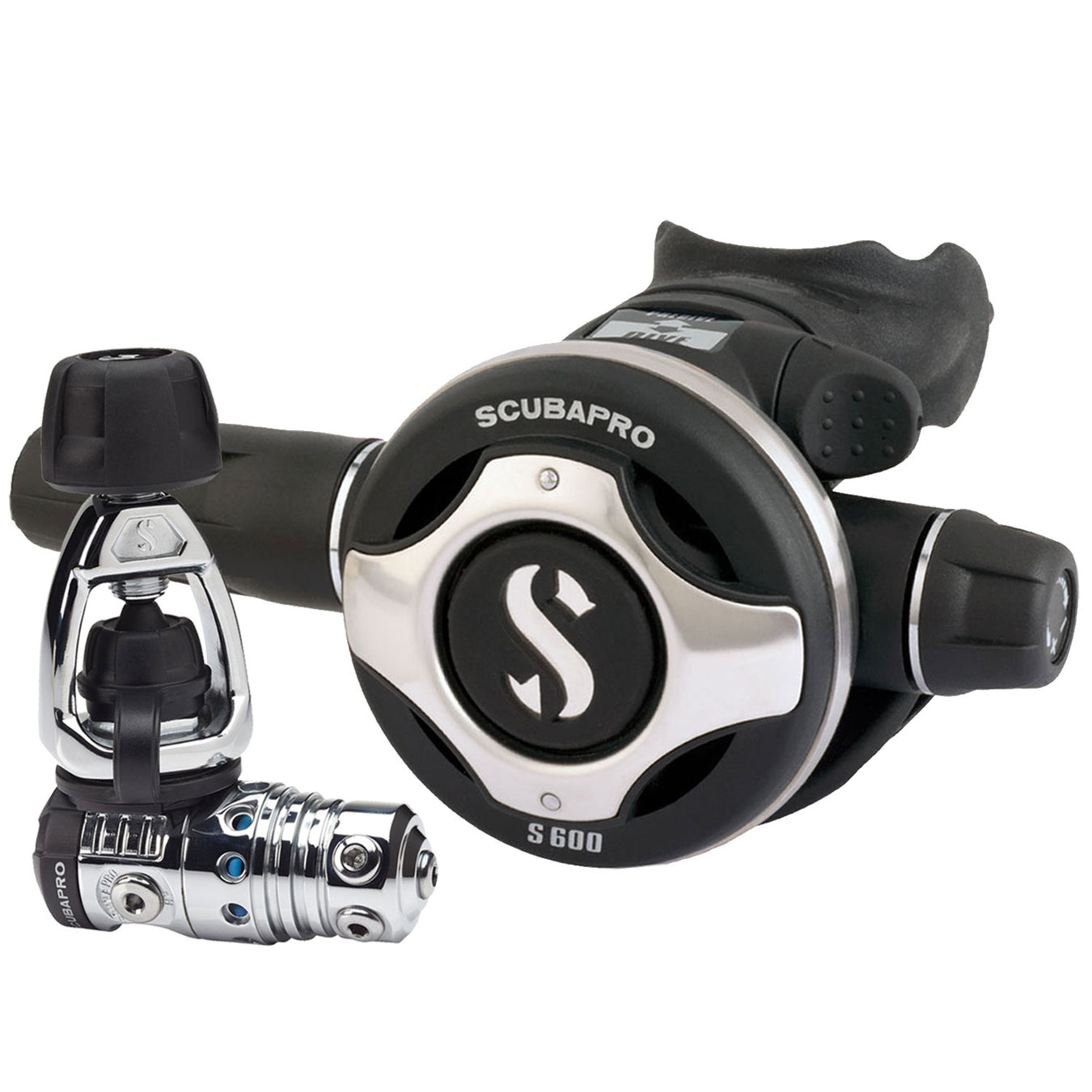
Before each dive, thorough pre-dive checks should be conducted to confirm that all equipment is functioning correctly. This includes testing regulators, checking tank pressure, and verifying the integrity of buoyancy control devices. Adequate preparation and attention to detail can prevent potential issues and contribute to a smooth and enjoyable diving experience.
Being prepared for emergencies is a fundamental aspect of responsible diving. Training in emergency response and rescue techniques equips divers with the skills to assist themselves and others in challenging situations underwater. From managing equipment malfunctions to providing first aid, these skills are essential for maintaining safety and confidence in the water.
Regular practice of emergency drills and scenarios reinforces divers' ability to react quickly and effectively in high-pressure situations. By prioritizing emergency response training, divers enhance their readiness to handle unexpected challenges and contribute to a culture of safety within the diving community.
The question of "how deep can a human dive with scuba gear" is more than a query about technical capabilities; it's a reflection of the human spirit's desire to explore, understand, and connect with the natural world. Whether it's the recreational diver marveling at a coral reef within the sunlit waters or the technical diver venturing into the silent depths of a shipwreck, scuba diving offers a unique and profound way to experience our planet.
Safety, education, and respect for the ocean's power and mystery are the keys to unlocking these depths. As we dive deeper, not just into the ocean but into our own potential, we discover that the true adventure lies in the journey itself, in the courage to explore the unknown, and in the shared experiences that bind us as a community of adventurers.
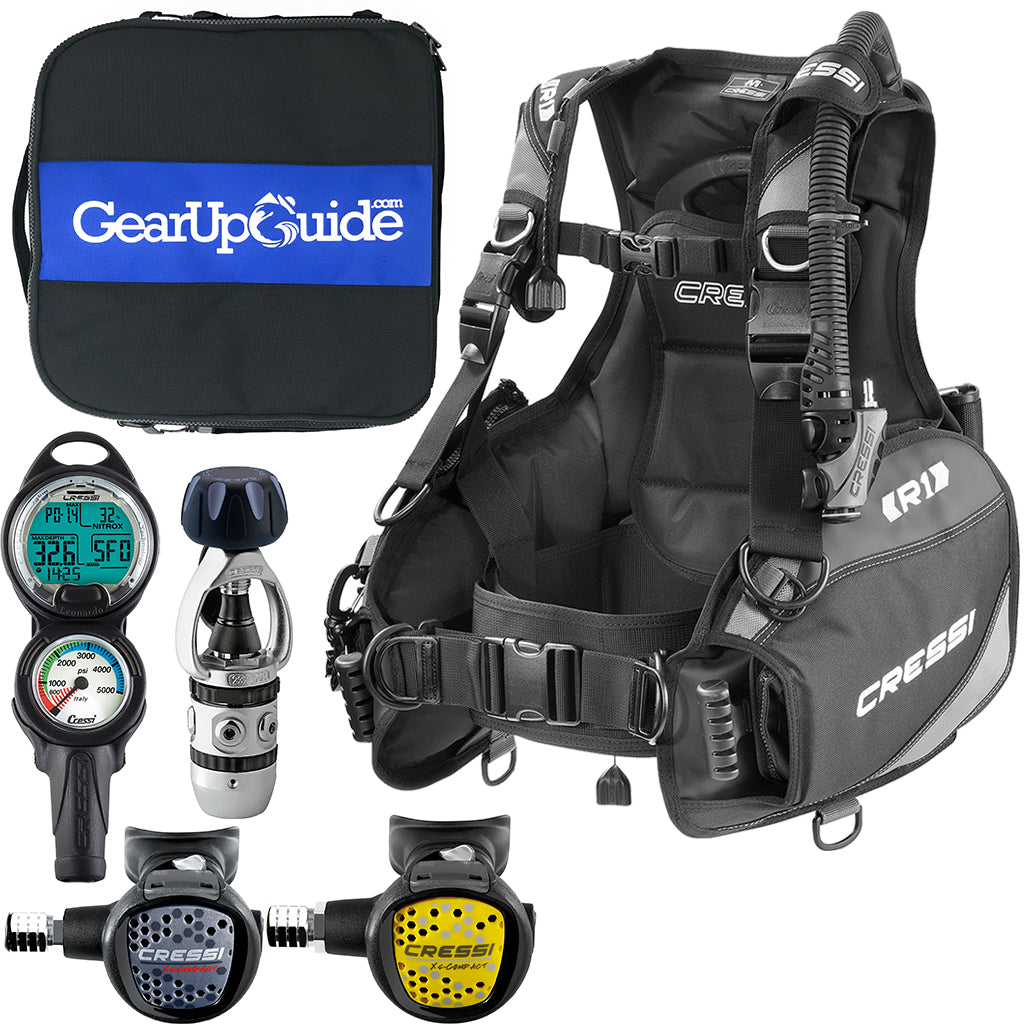
Ready to embrace the depths and unlock the full potential of your diving adventures? Lancaster Scuba is here to guide you every step of the way. From top-notch gear to expert instruction and unforgettable travel experiences, we provide everything you need to safely explore the wonders beneath the waves. Check out our scuba gear and start planning your next dive today. Dive into the adventure with confidence, knowing that Lancaster Scuba is your partner in the quest for underwater discovery.


{"one"=>"Select 2 or 3 items to compare", "other"=>"{{ count }} of 3 items selected"}