

Exploring the Depths: Spearfishing in San Diego
Dive into the exhilarating world of spearfishing in San Diego! Discover the best spots, techniques, and gear for an unforgettable underwater adventure.
Read now
Are you ready to take the plunge into the thrilling world of scuba diving? Before you dive in headfirst, it's essential to equip yourself with the right set of scuba gear. Scuba gear is not just a fashion statement; it's your ticket to exploring the underwater realm with comfort, safety, and confidence. In this comprehensive guide, we will walk you through the fundamentals of scuba diving gear and help you make informed decisions when purchasing your first set of equipment.
Before we delve into the specifics of scuba gear, let's lay some groundwork on the fundamentals of scuba diving. Understanding the basics will provide a solid foundation for selecting the right equipment that suits your needs.
Scuba diving is an exhilarating activity that allows you to explore the underwater world like never before. However, it's important to remember that safety should always be your top priority. By mastering the fundamentals of scuba diving, you'll not only enhance your diving experience but also ensure that you're well-prepared for any situation that may arise.
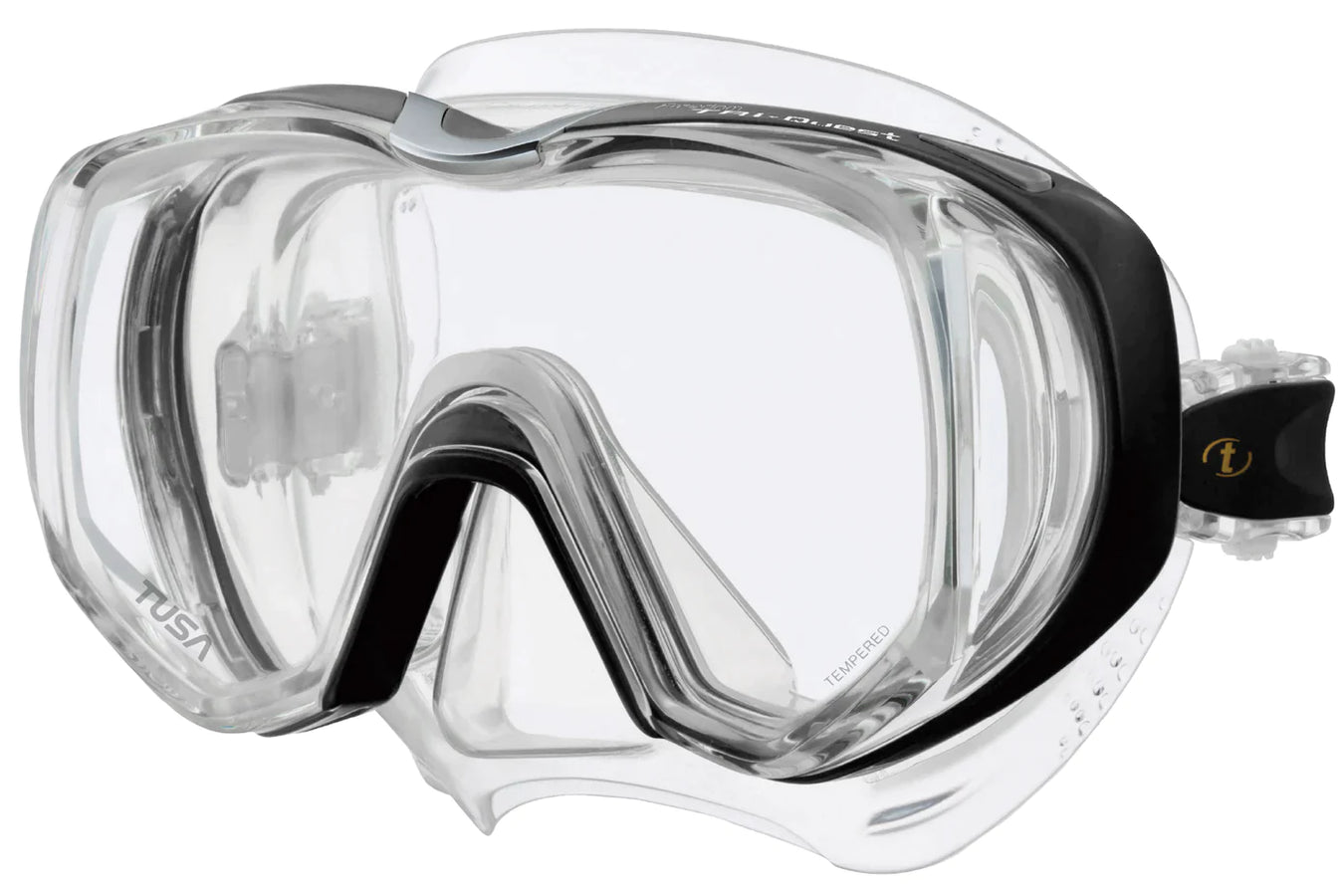
When it comes to scuba diving, your mask is more than just a window to the underwater world. It's a crucial tool that enables you to see clearly, equalize pressure, and maintain your comfort. Look for a mask with a secure fit, a wide field of vision, and a soft skirt that ensures a proper seal. Remember, a well-fitting mask is essential for both safety and enjoyment!
Additionally, consider the type of lens that suits your needs. Some masks come with single lenses, while others have multiple lenses or even prescription lenses for those who wear glasses. Choosing the right lens can greatly enhance your underwater visibility and make your diving experience even more enjoyable.
A snorkel is a simple yet essential piece of gear that allows you to breathe comfortably while floating on the surface. Opt for a snorkel with a purge valve to clear any water that enters, a comfortable mouthpiece, and a flexible yet durable design. Don't forget to consider factors such as size, shape, and ease of attachment when selecting your snorkel.
Furthermore, some snorkels come with additional features such as splash guards or dry tops, which prevent water from entering the snorkel when you're submerged. These features can be particularly useful if you plan on snorkeling in choppy waters or if you're a beginner who wants to ensure a hassle-free experience.
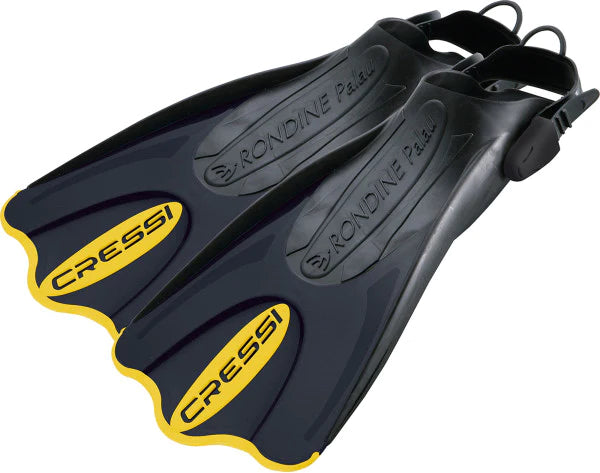
Fins are like wings for underwater explorers. They propel you through the water and allow you to maneuver effortlessly. Look for fins that fit snugly, provide excellent propulsion, and offer optimal flexibility and comfort. Remember, fins come in various styles, including open heel and full-foot designs, so choose what feels right for you.
Consider the type of diving you'll be doing when selecting your fins. If you're planning on exploring coral reefs or engaging in underwater photography, you may prefer shorter, more maneuverable fins. On the other hand, if you're embarking on long, deep dives, longer fins that provide greater thrust may be more suitable. The key is to find fins that match your diving style and preferences.
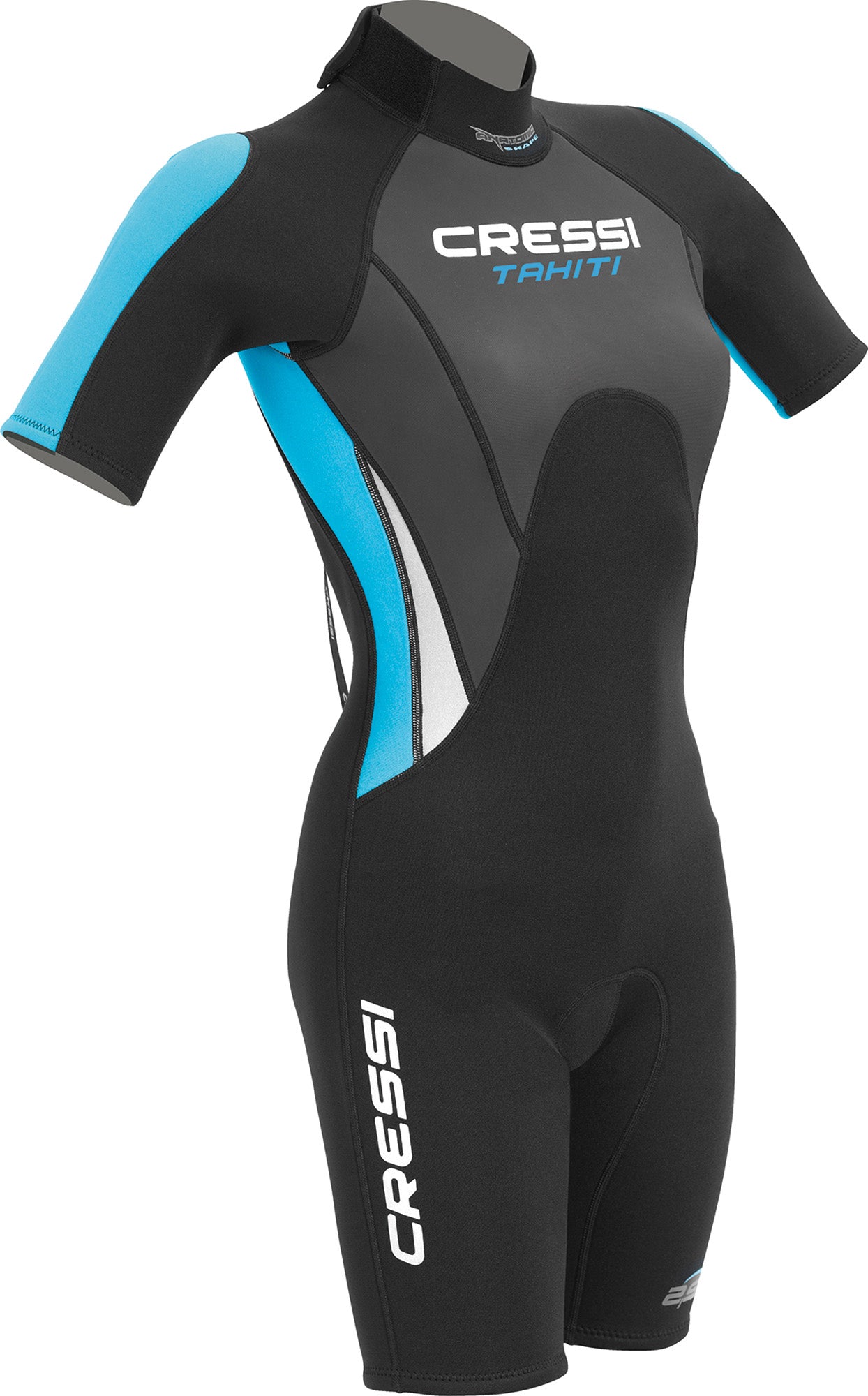
Water temperature can vary greatly, and exposure protection suits are your allies in staying warm and safe during your dives. Wetsuits, drysuits, and dive skins cater to different water temperatures and personal preferences. Opt for a suit that fits well, provides adequate insulation, and has proper seals to minimize heat loss. Don't forget to check the suit's thickness, material, and durability!
When choosing an exposure protection suit, it's important to consider factors such as the water temperature of your dive location, the duration of your dives, and your personal tolerance to cold. Wetsuits are ideal for moderate water temperatures, while drysuits are designed for colder waters. Dive skins, on the other hand, are perfect for warm-water diving or as an additional layer under a wetsuit or drysuit.
By selecting the right exposure protection suit, you'll not only stay comfortable throughout your dives but also reduce the risk of hypothermia and other cold-related injuries. Remember, being properly insulated is essential for enjoying your underwater adventures to the fullest!
While the previous section covered the basics, we are now diving (pun intended) into more advanced gear that ensures your safety and enhances your diving experience. Let's explore the life-support equipment you need as an aspiring diver.
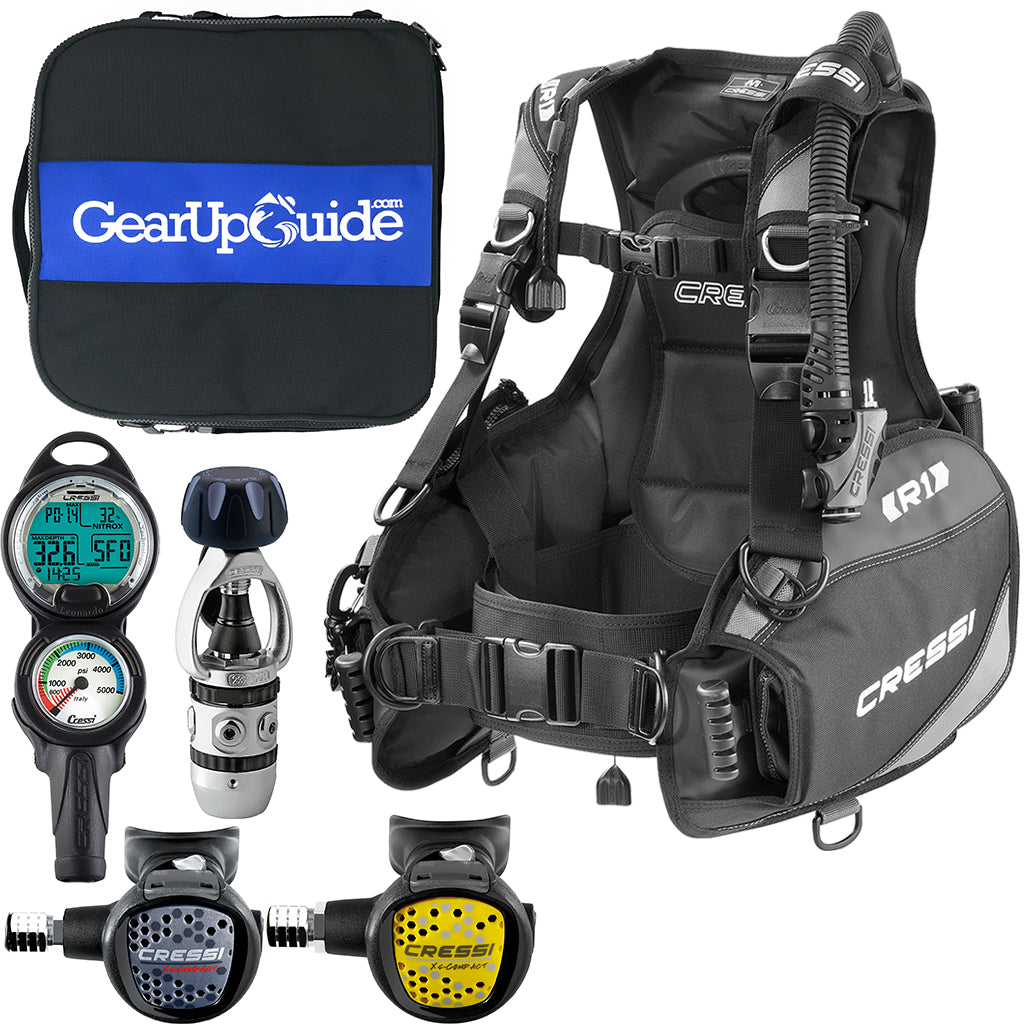
A Buoyancy Compensator (BC) is your trusty companion underwater. It allows you to control your buoyancy and maintain a comfortable position. Look for a BC that fits well, has sufficient lift capacity, and offers convenient features like weight integration and multiple D-rings for attaching accessories. Remember, proper buoyancy control is crucial for effortless diving and conserving energy.
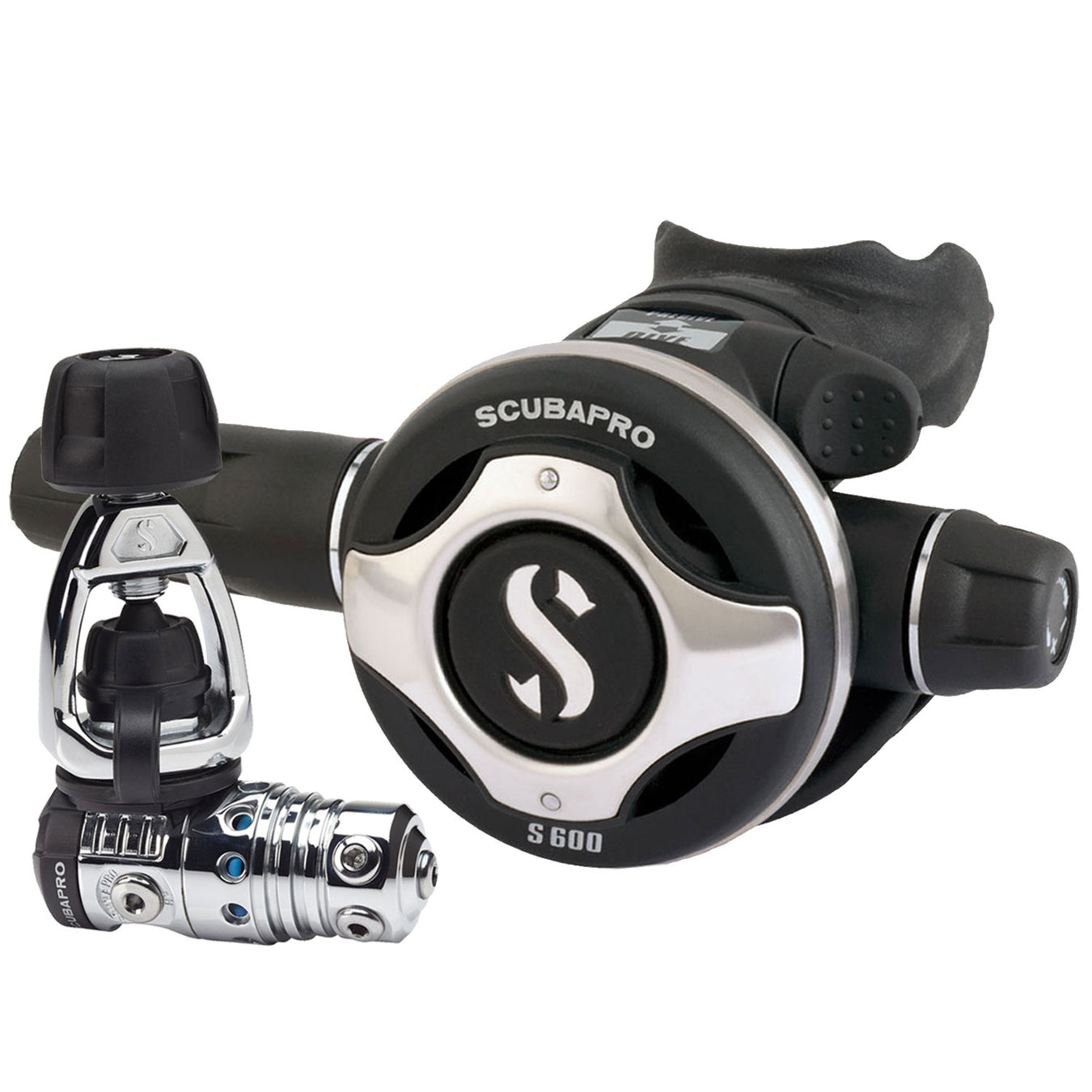
Your regulator is your lifeline underwater, providing you with a continuous supply of air. Opt for a regulator that offers smooth breathing, adjustable settings, and reliable performance. Look for certification standards like the DIN (Deutsches Institut für Normung) or Yoke to ensure compatibility with your tank setup. Remember, a high-quality regulator is an investment in your safety and peace of mind.
Technology has revolutionized scuba diving, and dive computers have become essential tools for every diver. These devices monitor your depth, bottom time, decompression limits, and much more. Look for a dive computer that is easy to use, reliable, and offers features like nitrox compatibility and wireless air integration. Remember, a dive computer empowers you to dive safely and make informed decisions underwater.
Now that we've covered the essentials, it's time to share some insider tips to help you navigate the world of scuba gear. First and foremost, choose a reliable and reputable dive shop that offers expert guidance and a wide range of equipment options. Don't be afraid to ask questions, seek recommendations, and try different gear before making your purchase.
Scuba gear can be a significant investment, but it's essential to view it as a long-term investment in your diving adventures. Remember, your safety and comfort should be the top priorities when selecting your gear. An excellent way to manage costs is to prioritize essential items first and gradually add to your collection over time.
Proper maintenance and care are critical to keeping your scuba gear in optimal condition. Rinse your equipment with fresh water after each dive, store it properly, and follow the manufacturer's instructions for servicing and inspections. Well-maintained gear lasts longer, performs better, and ensures a safe and enjoyable diving experience.
As you embark on your diving journey, you'll encounter various terms and jargon related to scuba gear. Take a moment to familiarize yourself with the essential terminology to better understand the gear descriptions, technical specifications, and conversations within the diving community. Embrace the language of adventure!
Now that you're armed with knowledge about scuba gear essentials, go forth, explore, and embrace the underwater world with confidence! Remember, your gear is not just equipment; it's your gateway to thrilling adventures, unforgettable sights, and boundless possibilities. Happy diving!
But wait, there's more! Let's delve deeper into the world of scuba gear and explore the fascinating history behind some of the essential equipment. Did you know that the concept of buoyancy control dates back to ancient times? Early divers used animal bladders and hollow reeds to regulate their buoyancy underwater. It wasn't until the 1960s that the modern BCs we know today were developed, revolutionizing the way divers explore the depths.
And what about regulators? The first demand valve regulator, which allowed divers to breathe underwater without manually controlling the airflow, was invented by Emile Gagnan and Jacques-Yves Cousteau in 1943. This groundbreaking invention opened up a whole new world of possibilities for divers, making it easier and safer to explore the underwater realm.
As for dive computers, they have come a long way since their inception. The first dive computer, called the "Deco Brain," was introduced in the early 1980s. It was a bulky device that provided basic dive data, but today's dive computers are sleek, compact, and packed with advanced features that ensure divers can dive with confidence and precision.
So, next time you gear up for a dive, take a moment to appreciate the rich history and innovation behind the equipment that keeps you safe and allows you to embark on incredible underwater adventures. Happy diving!
Now that you're versed in the essentials of scuba gear and its rich history, it's time to gear up for your own underwater explorations. At Lancaster Scuba, we're committed to providing you with not only the knowledge but also the equipment you need to dive with assurance. From top-notch gear to expert instruction and exotic dive travel, we've got you covered. Check out our scuba gear and take the first step towards your diving adventures with confidence. Gear up, dive in, and let the travels begin!


{"one"=>"Select 2 or 3 items to compare", "other"=>"{{ count }} of 3 items selected"}