

Exploring the Depths: Spearfishing in San Diego
Dive into the exhilarating world of spearfishing in San Diego! Discover the best spots, techniques, and gear for an unforgettable underwater adventure.
Read now
In the realm of adventure and exploration, scuba diving offers an unparalleled opportunity to immerse oneself in the mysteries of the underwater world. It's not merely about equipping yourself with gear and diving in; it's about preparing for an adventure that promises both beauty and challenges. This guide is designed to navigate you through the essentials of scuba diving, ensuring a journey that's as safe as it is exhilarating.
Before delving into the azure depths, understanding the core requirements of scuba diving is crucial. It's a blend of passion, preparation, and respect for the marine environment that forms the foundation of every successful dive.
The first step towards becoming a scuba diver is obtaining proper education and certification. Renowned organizations like PADI (Professional Association of Diving Instructors) and NAUI (National Association of Underwater Instructors) offer courses that range from beginner to advanced levels. These courses not only teach you the technical skills needed for diving but also instill a deep respect for marine conservation.
Statistics show that divers who undergo comprehensive training are significantly less likely to encounter emergencies underwater. This education is not just about safety; it's about becoming a responsible member of the diving community, capable of exploring the underwater world while minimizing your impact on it.
Moreover, these certification courses cover topics such as dive planning, underwater navigation, and emergency procedures. Understanding the physics of diving, the effects of pressure on the body, and how to prevent and manage common diving-related injuries are crucial components of these educational programs.
Scuba diving is an activity that demands good physical health. While you don't need to be an Olympic athlete, basic fitness levels, including cardiovascular health and strength, are important. A medical check-up prior to starting your diving education is a wise step, ensuring that conditions such as asthma or heart issues are properly managed.
Moreover, swimming skills cannot be overlooked. Being comfortable in water, capable of swimming 200 meters non-stop, and maintaining a float for 10 minutes are generally required to ensure that you can handle yourself in various underwater situations.
Strength and flexibility are also essential for managing gear, currents, and underwater obstacles. Engaging in regular exercise routines that focus on core strength, leg muscles, and flexibility can enhance your diving experience and reduce the risk of injuries while underwater.
The right gear is your best ally in the underwater realm. It not only supports your exploration but also ensures your safety in the depths of the ocean.
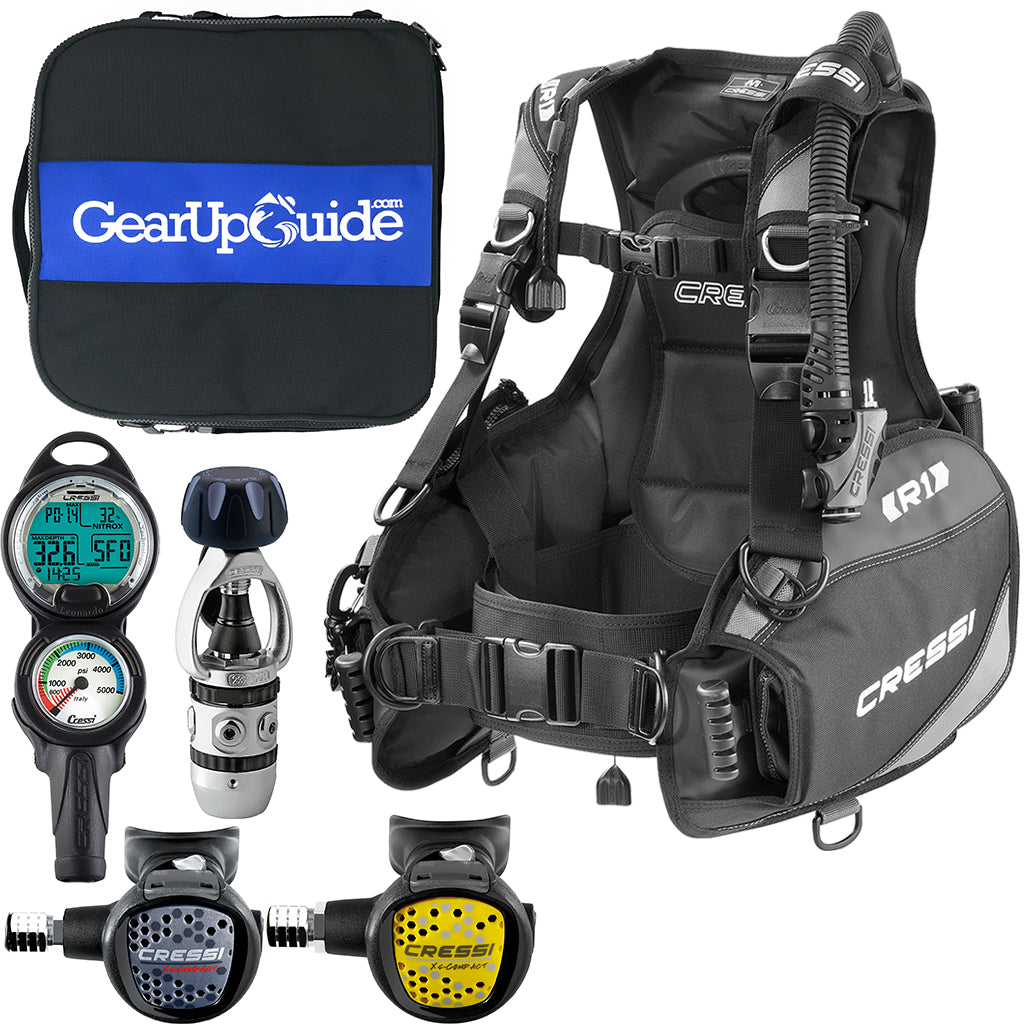
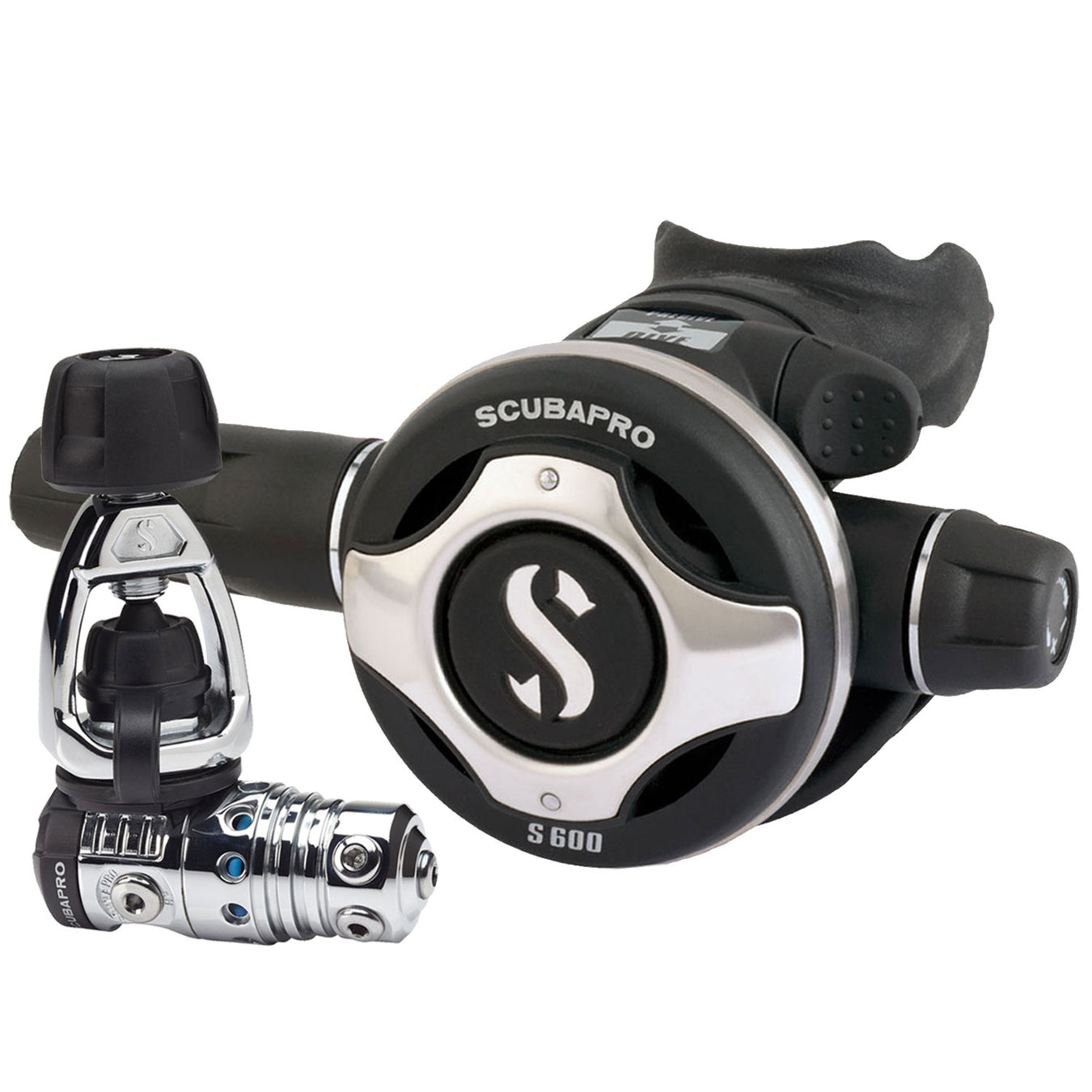
At the heart of scuba diving gear is the SCUBA unit itself, which stands for Self-Contained Underwater Breathing Apparatus. This includes a regulator, tank, buoyancy control device (BCD), and a weight system. The regulator delivers air from your tank, allowing you to breathe underwater. The BCD, a vest that can be inflated or deflated, helps you maintain neutral buoyancy, essential for a smooth diving experience.
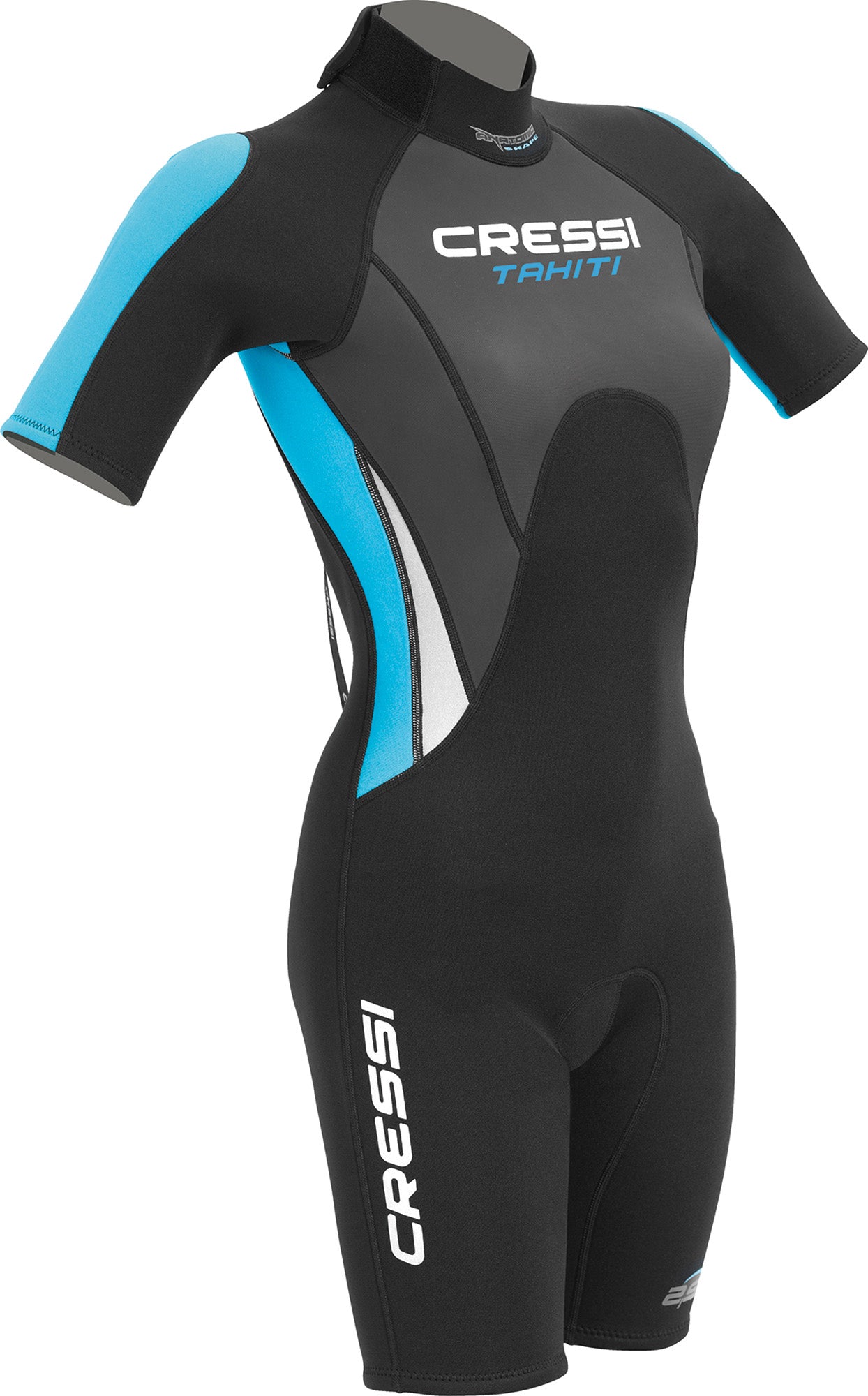
Diving suits, such as wetsuits or drysuits, protect you from the cold and potential hazards like sharp rocks or harmful marine life. The choice between a wetsuit and a drysuit depends on the water temperature of your dive location. Wetsuits, made of neoprene, offer thermal protection by trapping a thin layer of water between the suit and your skin. Drysuits, on the other hand, keep you completely dry and are preferred in colder waters.
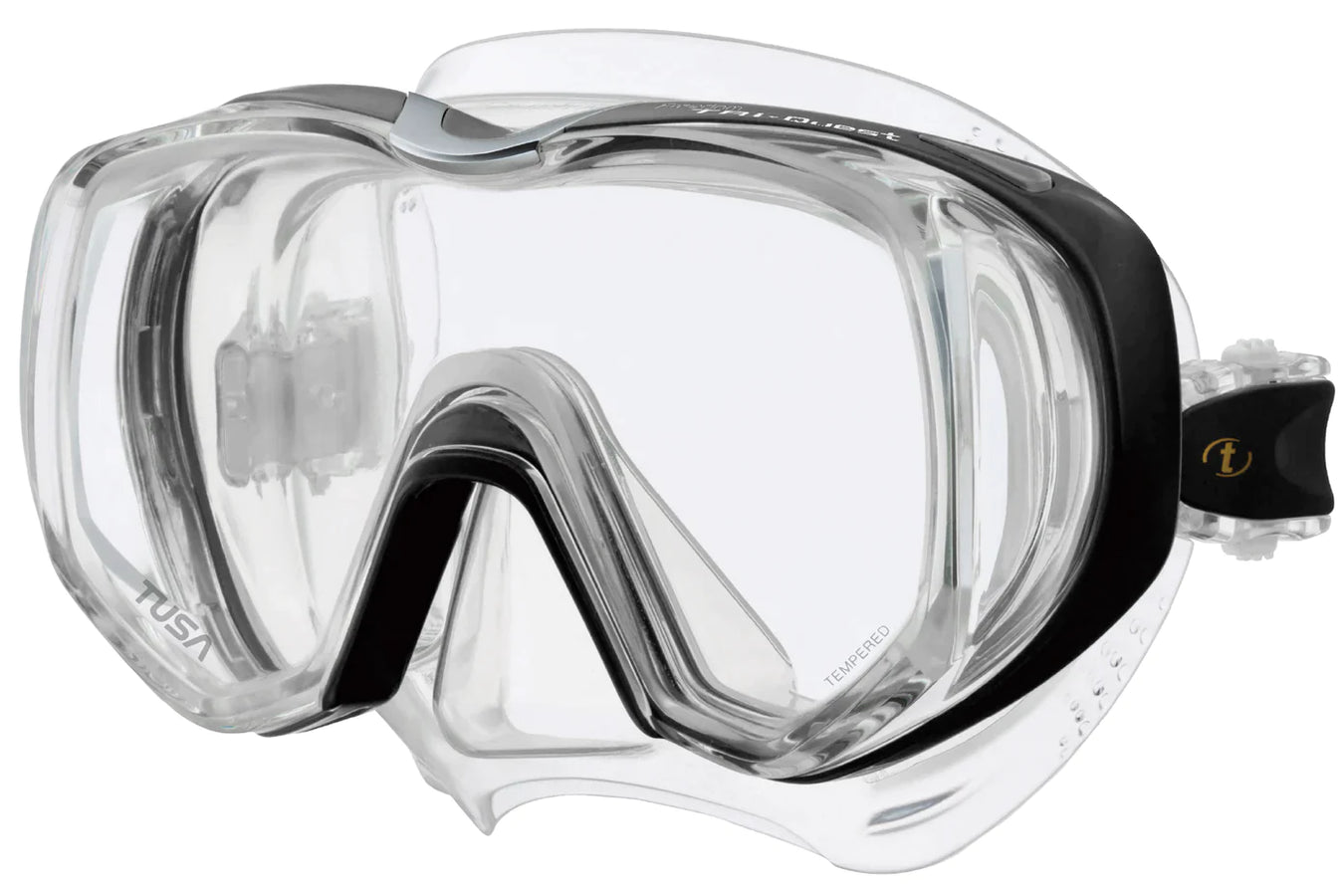
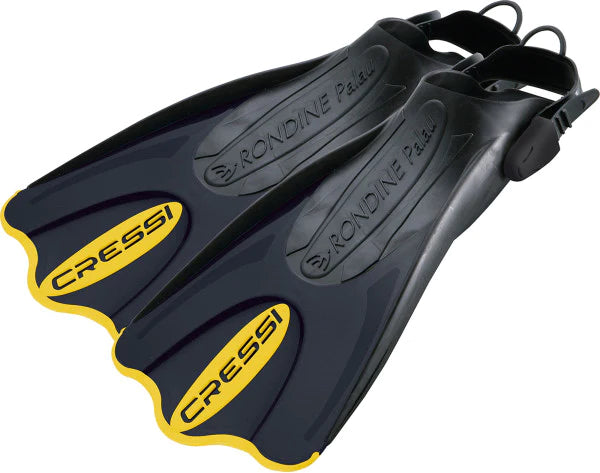
Beyond the basics, several pieces of equipment enhance the diving experience. A dive computer monitors your depth, time underwater, and ascent rate, crucial for avoiding decompression sickness. Fins provide mobility, allowing you to glide through the water with ease. Masks create an air space in front of your eyes, enabling clear vision underwater, while snorkels can be useful during surface swims.
It's also wise to carry a dive knife or tool, not as a weapon, but as a safety device to free yourself or a dive buddy from entanglement in fishing lines or nets. Dive lights, underwater cameras, and signaling devices are additional tools that can enrich your diving adventures.
Proper maintenance of your gear is essential for safe diving. Regularly inspecting and servicing your equipment, including regulators, tanks, and BCDs, ensures that everything functions correctly underwater. Storing your gear in a cool, dry place away from direct sunlight and chemicals helps prolong its lifespan and performance.
Effective dive planning is a critical aspect of ensuring a safe and enjoyable underwater experience. From choosing the right dive site to managing gas consumption, meticulous planning can make all the difference.
When selecting a dive site, consider factors such as your experience level, the conditions of the site, and the marine life you hope to encounter. Beginners may prefer calm, shallow reefs with minimal currents, while advanced divers might seek out challenging sites with deep drop-offs or wrecks.
Researching potential dive locations, either through dive shops, online resources, or local dive clubs, can provide valuable insights into the best times to visit, the types of marine species you might see, and any specific regulations or guidelines for the area.
Monitoring your gas supply during a dive is crucial for a safe ascent and avoiding decompression sickness. Understanding your air consumption rate, factoring in depth and exertion levels, and establishing predetermined points to begin your return are key aspects of gas management.
Using a dive computer or dive watch with integrated air monitoring capabilities can help you track your remaining air supply and plan your dive accordingly. Establishing a buddy system where you and your dive partner regularly check each other's gauges enhances safety and ensures that both divers are aware of their air status throughout the dive.
With the thrill of exploration comes the responsibility of diving safely and respectfully.
Before each dive, conducting a thorough pre-dive safety check with your buddy is essential. This includes reviewing each other's gear setup, ensuring all equipment is functioning correctly, and discussing dive plans and signals. The acronym "BWRAF" - BCD, Weights, Releases, Air, and Final OK - is a handy reminder of the key points to check.
Understanding and respecting your limits and those of your dive buddy are also crucial. Always plan your dive according to the least experienced diver in the group and be prepared to adjust your plans based on conditions or comfort levels.
Scuba diving offers a unique opportunity to witness the beauty of marine ecosystems, but it also places us in a position of responsibility towards these fragile environments. Avoid touching or disturbing marine life and be mindful of your buoyancy to prevent damage to coral reefs. Remember, we are visitors in the underwater world, and it's our duty to leave no trace behind.
Embarking on the journey of scuba diving is an adventure that opens up new horizons, offering a glimpse into the hidden wonders of our planet. With the right preparation, education, and respect for the marine environment, diving can be an incredibly rewarding experience. Whether you're exploring local dive sites or traveling to exotic destinations, the underwater world is a place of endless discovery and adventure. So gear up, dive in, and prepare to be amazed by the beauty that lies beneath the surface.
Now that you're equipped with the knowledge of what it takes to start your scuba diving journey, it's time to gear up with Lancaster Scuba. Whether you're a beginner eager to explore underwater realms or an experienced diver seeking advanced courses and specialty gear, we've got you covered. Dive into our extensive selection of scuba gear, benefit from expert instruction, and join us on exhilarating dive trips to breathtaking destinations. Check out our scuba gear today and take the first step towards unforgettable underwater adventures with Lancaster Scuba – where Gear, Dive, and Travel come together for a seamless diving experience.


{"one"=>"Select 2 or 3 items to compare", "other"=>"{{ count }} of 3 items selected"}