

Exploring the Depths: Spearfishing in San Diego
Dive into the exhilarating world of spearfishing in San Diego! Discover the best spots, techniques, and gear for an unforgettable underwater adventure.
Read now
In the vast expanse of the ocean lies a world teeming with life, adventure, and mysteries waiting to be explored. Scuba diving offers a unique key to unlock this underwater realm, providing experiences that are as enriching as they are exhilarating. Yet, one question often surfaces for those eager to dive into this adventure: How old do you have to be to get scuba certified? This inquiry is not just about numbers; it's about opening doors to new possibilities, understanding the importance of safety, and embracing the spirit of exploration.
The journey into the deep begins with a step marked by curiosity and courage. The minimum age for scuba certification is a topic enveloped in considerations of safety, maturity, and the physical demands of diving. Let's dive deeper into what this means for aspiring divers.
For young enthusiasts dreaming of aquatic adventures, junior scuba certification presents the first ripple in the pond. Typically, children as young as 10 years old can embark on this journey, discovering the wonders of the underwater world under the guidance of certified professionals. This early introduction to diving is designed with safety as its cornerstone, ensuring that young divers are equipped with the knowledge and skills necessary for safe and enjoyable dives.
Junior certification courses are tailored to the learning styles and physical abilities of younger divers, emphasizing the joy of discovery while instilling a deep respect for the marine environment. These courses lay the foundation for a lifetime of diving adventures, fostering a sense of camaraderie among fellow junior divers and nurturing a lifelong passion for exploration.
As junior divers grow in experience and age, the ocean's call grows ever more compelling. At the age of 15, these young adventurers can transition to a full scuba certification, unlocking new depths of exploration. This transition is not merely a change in status but a testament to their dedication, skill, and maturity. With full certification, divers are welcomed into a global community of explorers, sharing in the collective thrill of discovery and the unspoken bond that connects all who venture beneath the waves.
The path to becoming a certified diver is as much about education as it is about adventure. Understanding the principles of safe diving is crucial, not only for the diver's well-being but for the preservation of the underwater world they seek to explore.
Education stands as the bedrock of safe diving practices. Comprehensive training courses cover everything from basic underwater navigation to emergency response techniques, ensuring that divers are prepared for a wide range of scenarios. This education is not just about learning to dive; it's about learning to dive responsibly, with a keen awareness of one's environment and the impact of one's actions.
As divers progress through their training, they develop a deeper understanding of the delicate balance that exists beneath the waves. This knowledge empowers them to become ambassadors for ocean conservation, advocating for the protection of marine habitats and the incredible life forms they support.
Scuba diving is an activity that demands both mental and physical preparedness. Before embarking on their underwater journey, aspiring divers must ensure they are in good health and meet the physical requirements for diving. This includes a thorough medical evaluation to identify any conditions that may pose risks during dives.
Physical fitness plays a crucial role in a diver's ability to handle the physical demands of diving, such as swimming against currents or managing diving equipment underwater. A commitment to maintaining good health and fitness is essential for a safe and enjoyable diving experience, allowing divers to fully embrace the adventures that await them beneath the surface.
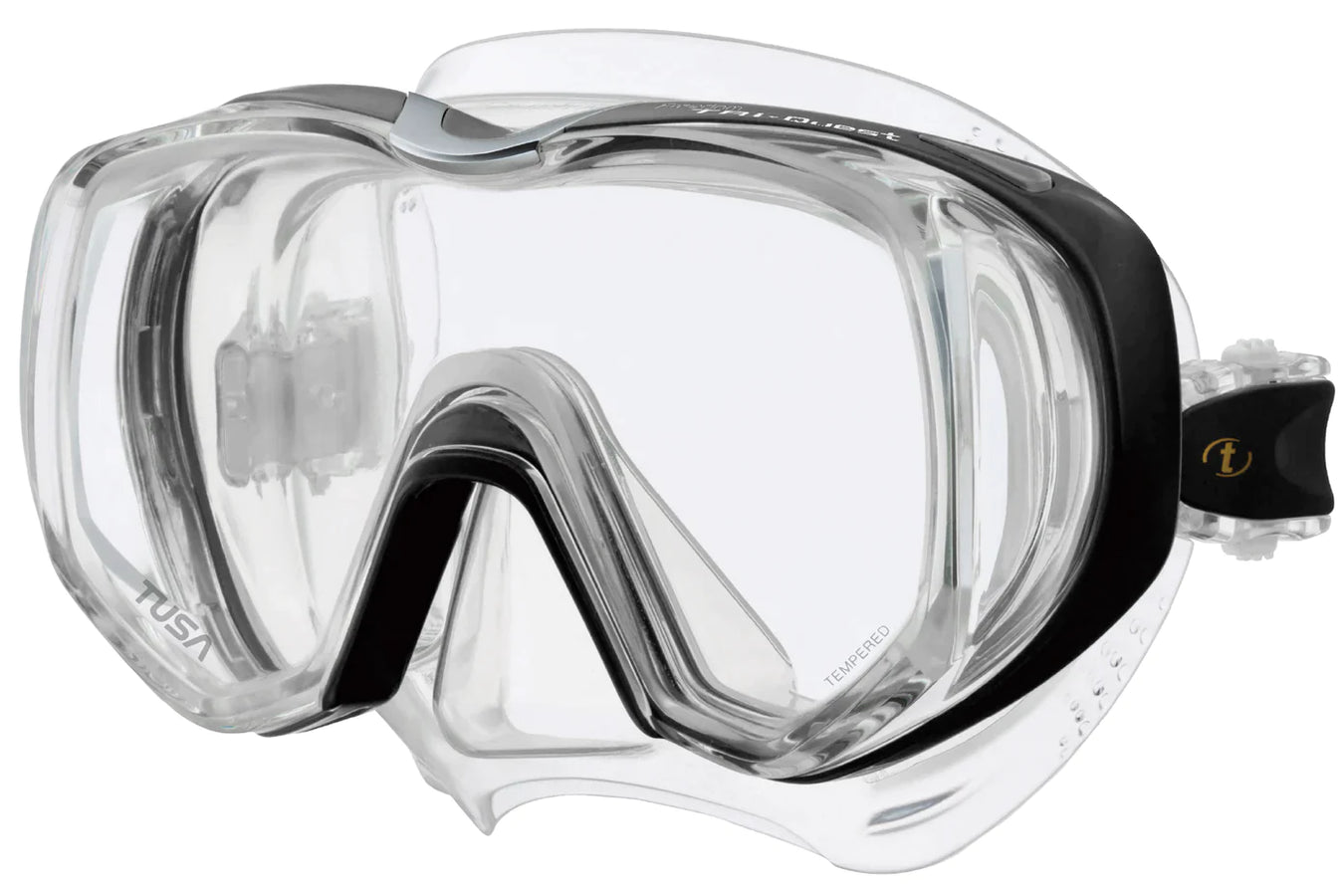
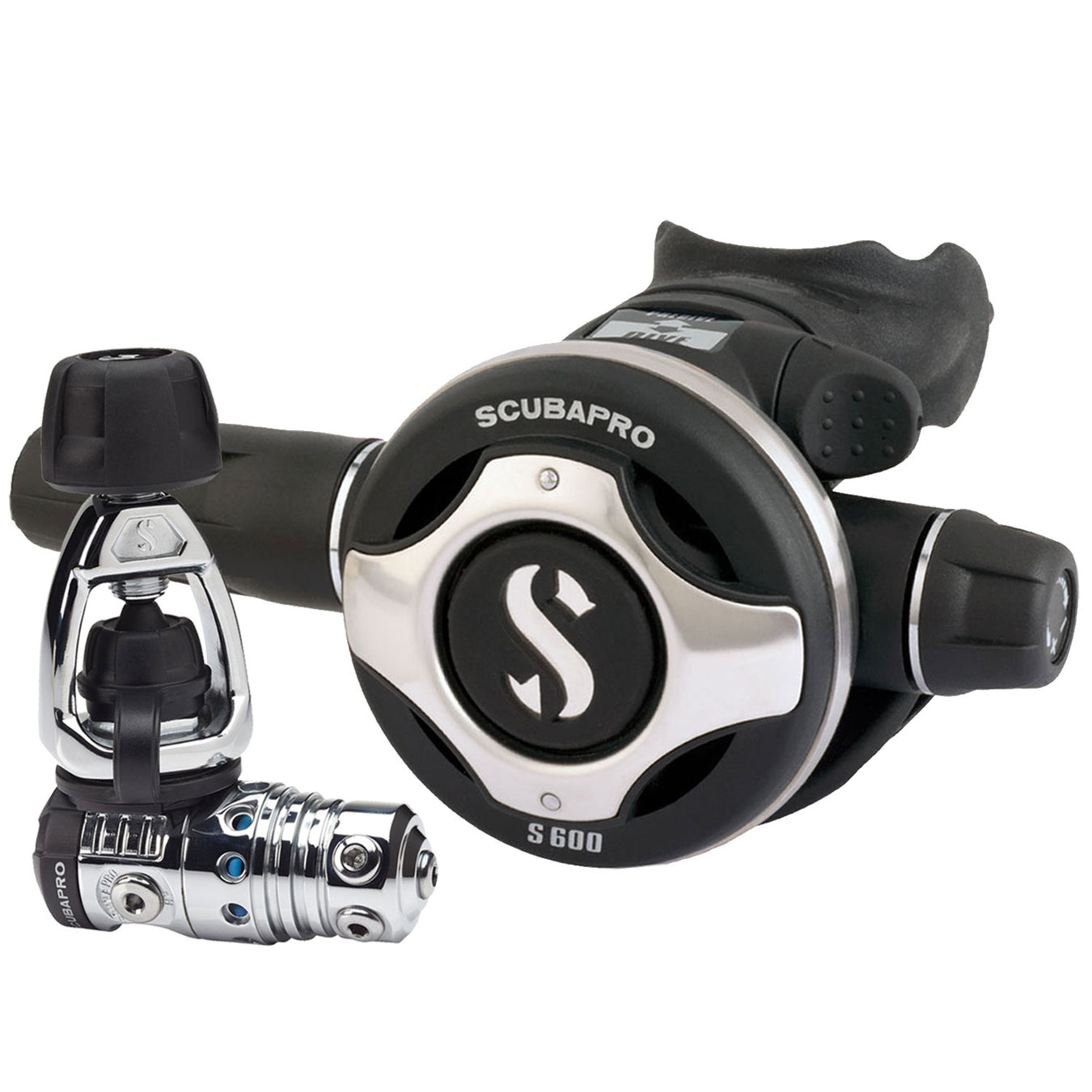
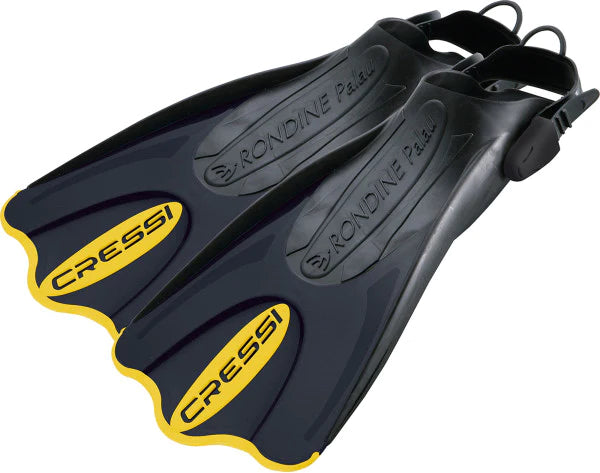
Scuba diving is a gear-intensive activity, requiring divers to be well-versed in the equipment that will accompany them on their underwater excursions. From masks and fins to tanks and regulators, each piece of gear plays a vital role in ensuring a safe and comfortable dive.
Proper maintenance and care of diving equipment are paramount to diver safety. Regular inspections, servicing, and storage practices help prevent equipment malfunctions that could compromise a dive. Divers are trained not only in how to use their gear effectively but also in how to recognize signs of wear or damage that may necessitate repairs or replacements.
The allure of scuba diving lies not just in the beauty of the underwater world, but in the personal growth and discoveries made along the way. Diving is a journey of self-discovery, challenging individuals to push beyond their limits and explore the unknown.
With certification in hand, divers are free to explore the vast oceans, uncovering hidden treasures and encountering marine life in its most natural habitat. Each dive is an opportunity to learn, to experience the profound beauty of the sea, and to connect with fellow divers who share a passion for adventure.
The journey of a diver is an endless adventure, with each dive offering new insights, challenges, and wonders. It is a path marked by continuous learning, where the mysteries of the ocean become lessons in courage, resilience, and respect for the natural world.
Beyond the thrill of exploration, scuba diving fosters a sense of community among those who pursue it. Divers, regardless of age or experience, are part of a global family united by a love for the ocean and a commitment to its preservation. This community is a source of support, inspiration, and friendship, offering a sense of belonging to all who join its ranks.
In the heart of this community, stories of adventure and discovery are shared, strengthening the bonds between divers and fueling the collective passion for the underwater world. It is here, within this global family, that the true spirit of scuba diving thrives, driven by a shared desire to explore, protect, and celebrate the ocean's wonders.
As divers venture into the depths, they are greeted by a world unlike any other. The underwater realm is a place of wonder and mystery, where vibrant coral reefs teem with life, and ancient shipwrecks hold tales of bygone eras. Exploring these underwater landscapes is a journey into history, ecology, and the boundless beauty of nature.
Every dive offers a chance to encounter marine creatures in their natural habitat, from graceful sea turtles gliding through the water to elusive octopuses camouflaging against the reef. Divers witness firsthand the intricate ecosystems that support a dazzling array of species, each playing a vital role in the underwater tapestry of life.
With the privilege of exploring the ocean comes the responsibility to protect it. Scuba divers are not just observers of marine life; they are stewards of the sea, entrusted with safeguarding its fragile ecosystems for future generations. Conservation efforts are at the core of the diving community, with initiatives aimed at reducing pollution, combating overfishing, and preserving marine habitats.
Through education and advocacy, divers work to raise awareness about the threats facing our oceans and the urgent need for conservation action. They participate in reef clean-up projects, coral restoration efforts, and scientific research expeditions aimed at better understanding and protecting marine environments. By taking an active role in conservation, divers become ambassadors for the ocean, inspiring others to join in the mission of preserving our planet's most precious resource.
As divers immerse themselves in the underwater world, they witness the impacts of human activity on marine ecosystems firsthand. From plastic pollution endangering marine life to coral bleaching caused by rising sea temperatures, the challenges facing our oceans are vast and complex. By engaging in conservation initiatives and supporting sustainable practices, divers strive to make a positive difference in the health and longevity of our oceans.
Ready to dive into the world of scuba and embrace the wonders of the deep? Lancaster Scuba is your gateway to the underwater journey you've been dreaming of. With our expert diving instruction and an extensive selection of top-quality equipment, we make it easy for you to gear up, dive in, and travel to breathtaking aquatic destinations. Whether you're taking your first breath underwater or seeking to expand your diving horizons, our PADI certification courses cater to all levels. Don't wait any longer to explore the mysteries of the ocean. Check out our scuba gear today and take the first step towards your next great adventure!


{"one"=>"Select 2 or 3 items to compare", "other"=>"{{ count }} of 3 items selected"}