

Exploring the Depths: Spearfishing in San Diego
Dive into the exhilarating world of spearfishing in San Diego! Discover the best spots, techniques, and gear for an unforgettable underwater adventure.
Read now
In the vast expanse of the ocean, there lies an adventure that combines the thrill of hunting with the grace of swimming beneath the waves—spearfishing. This ancient practice, which has evolved from survival to sport, offers a unique way to connect with the marine environment. For those drawn to the call of the sea and the allure of catching their own meal, learning spearfishing is the first step into a world of underwater exploration and sustainable fishing practices.
Before diving into the depths, understanding the essence of spearfishing is crucial. It's not merely about the hunt; it's about immersion in an aquatic world, respecting its inhabitants, and embracing the ocean's challenges. Spearfishing is a skill that requires patience, precision, and preparation.
Spearfishing dates back thousands of years, making it one of the oldest forms of fishing. Initially, it was a means of survival, utilizing simple wooden spears to catch fish for food. Over centuries, the equipment and techniques have evolved, incorporating advancements such as the speargun, yet the essence of spearfishing remains unchanged—harmonizing with the ocean to sustainably harvest its resources.
Today, spearfishing is recognized not only as a method of fishing but as a sport that challenges the body and mind. It has grown a community of enthusiasts who share a passion for the ocean and a commitment to conservation.
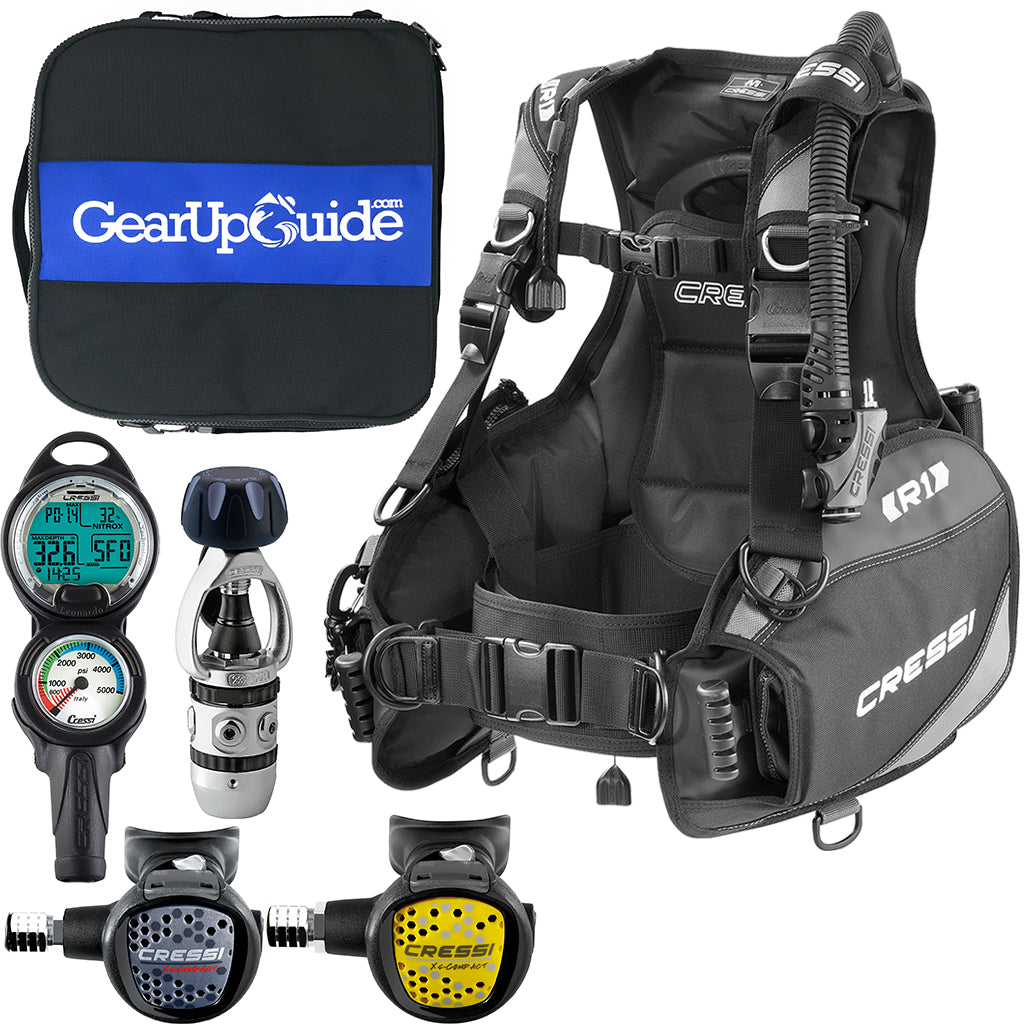
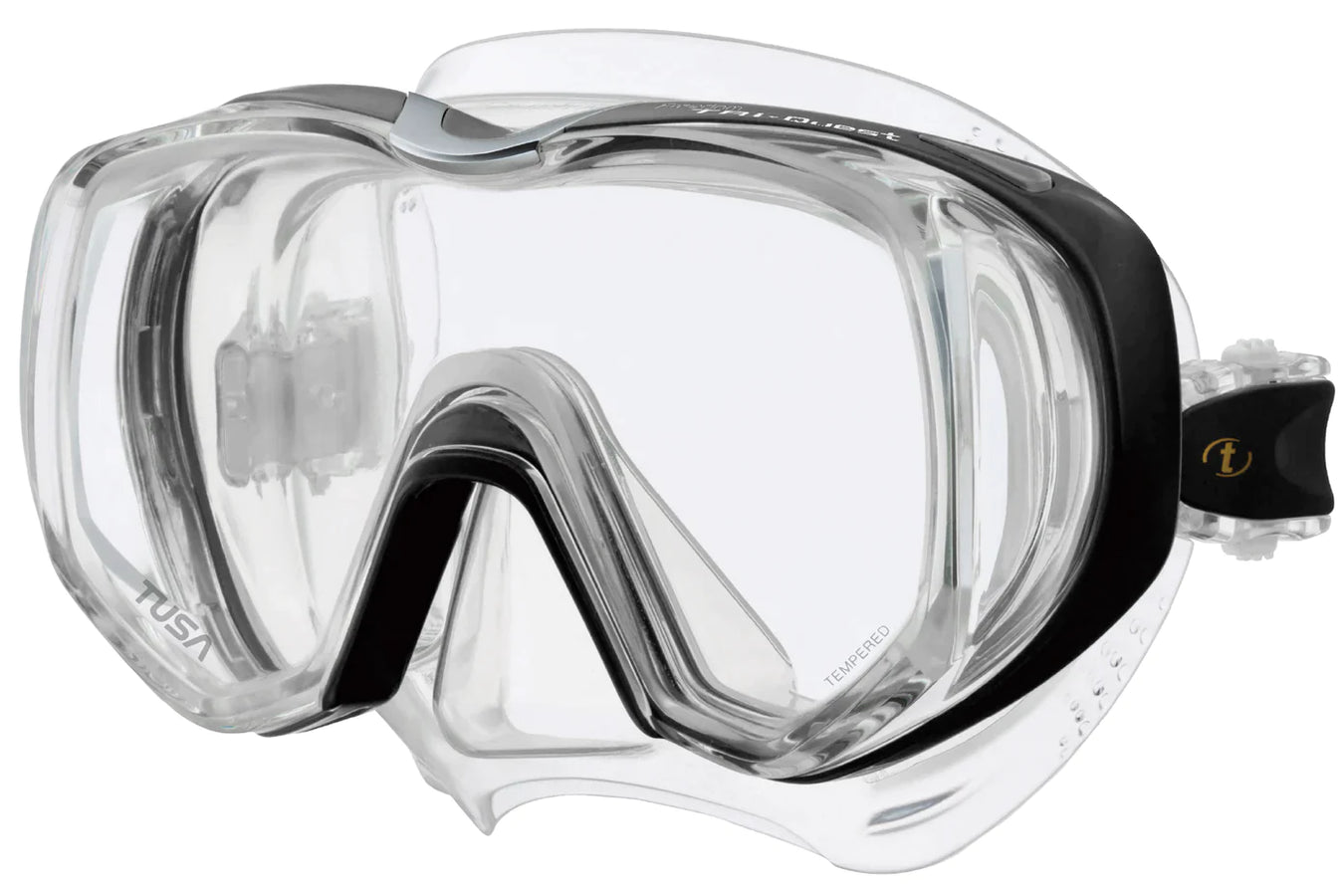
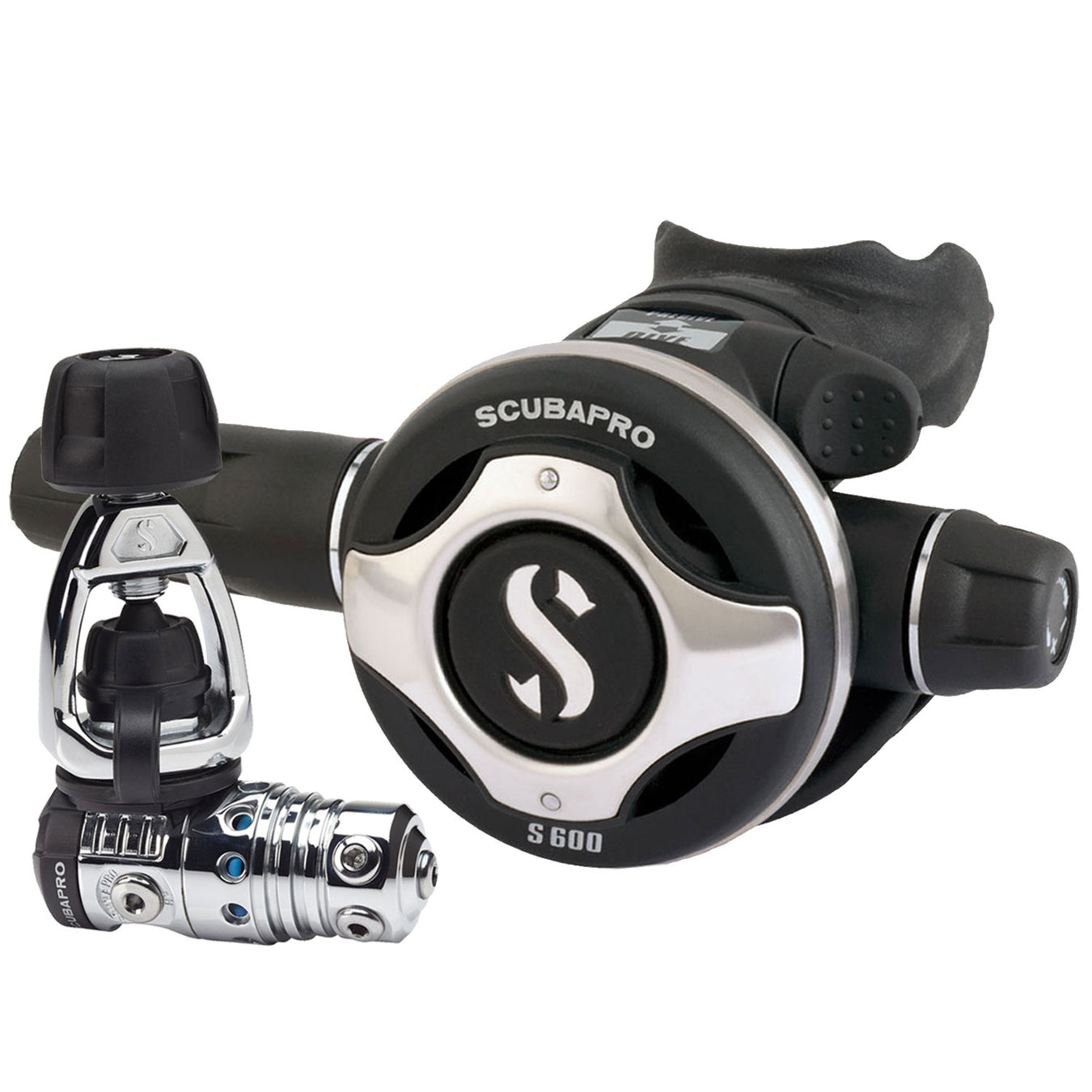
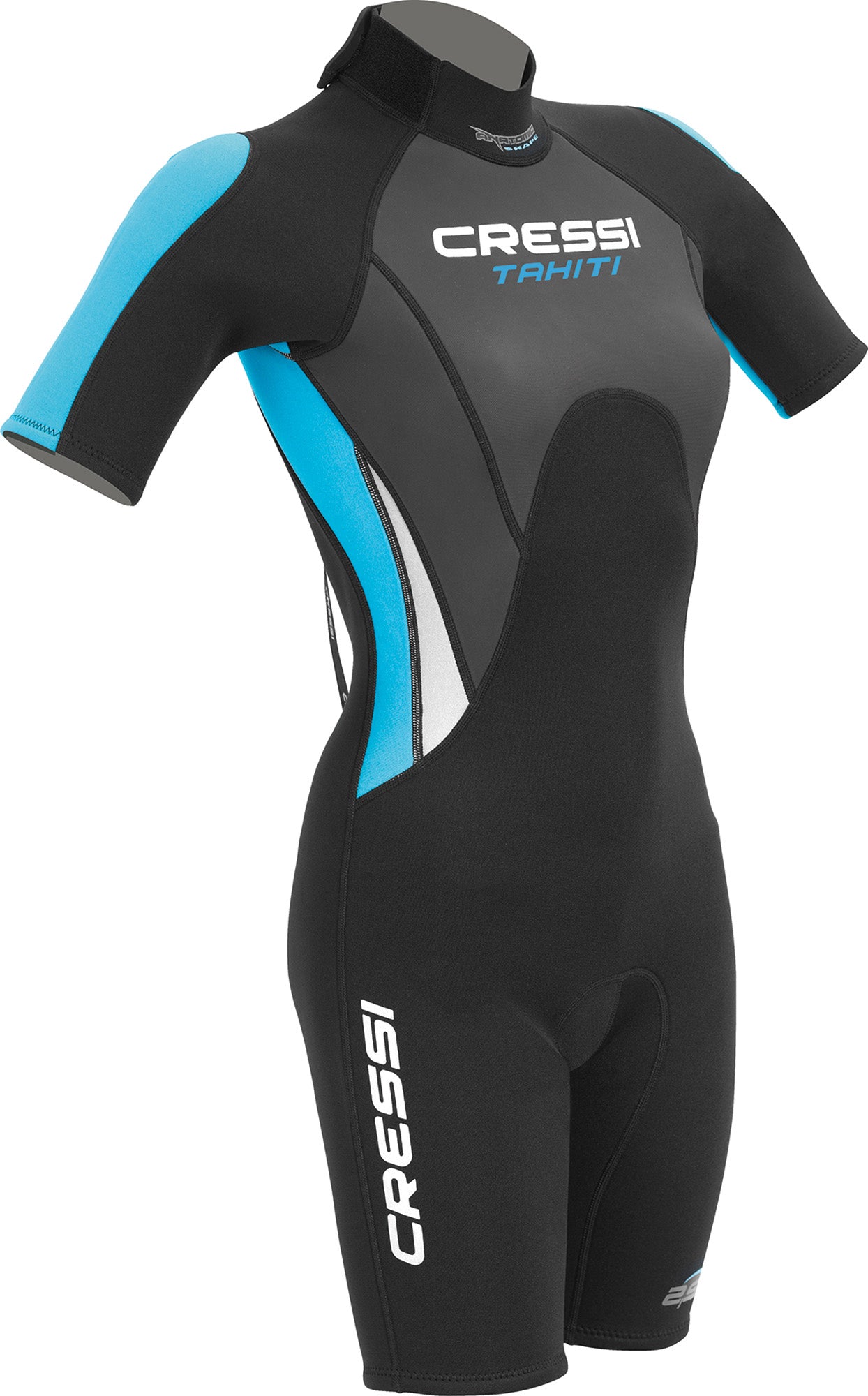
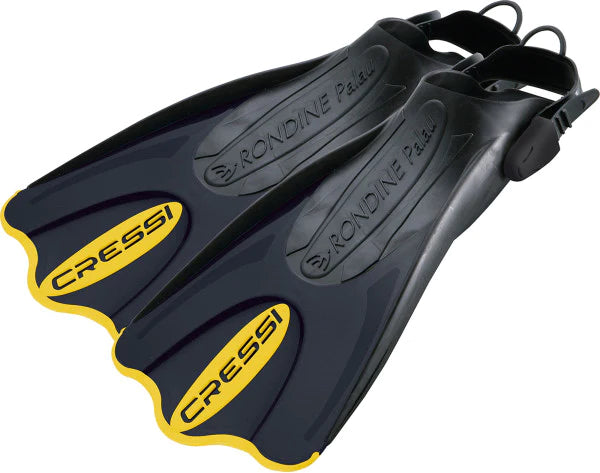
The journey into spearfishing begins with selecting the appropriate gear. A speargun, fins, snorkel, mask, and wetsuit are the basics every spearfisher needs. However, the choice of equipment varies based on factors such as the diving environment, target species, and personal preferences. Understanding the function and features of each piece of gear is essential for a safe and successful spearfishing experience.
For beginners, starting with a simple, reliable setup is advisable. As skills and experience grow, one can explore more advanced equipment, tailoring their gear to specific types of spearfishing adventures.
Safety is paramount in all forms of diving, and spearfishing is no exception. Learning proper safety protocols, such as never loading a speargun out of water, diving with a buddy, and being aware of one's surroundings, can prevent accidents and ensure enjoyable spearfishing trips. Additionally, understanding the local regulations and marine protected areas is crucial to responsible spearfishing.
Beginners are encouraged to take a spearfishing course, where they can learn not only the techniques and equipment handling but also the safety measures that protect both the diver and the marine environment.
Finding the right place to learn spearfishing is the next step in the journey. With the sport's growing popularity, numerous schools and instructors offer courses ranging from beginner to advanced levels. These courses provide comprehensive training, covering everything from equipment basics to underwater hunting techniques.
Choosing a reputable spearfishing school or certified instructor is crucial. Look for programs that emphasize safety, ethical spearfishing practices, and environmental conservation. Many schools also offer certification, which can be beneficial for those looking to advance their skills or dive in regulated areas.
Researching and reading reviews can help in selecting a school or instructor that aligns with your learning style and goals. Personal recommendations from experienced spearfishers can also be invaluable in finding quality education.
In addition to formal courses, the internet is a treasure trove of information for aspiring spearfishers. Online forums, social media groups, and websites dedicated to spearfishing are excellent resources for learning, sharing experiences, and connecting with the spearfishing community. While online resources are no substitute for hands-on training, they can complement formal education and provide ongoing learning opportunities.
Engaging with online communities can also offer insights into local spearfishing spots, equipment recommendations, and safety tips, enriching the learning experience.
There's no substitute for practical experience in the water. After completing a spearfishing course, practicing in different environments and conditions helps solidify the skills learned. Finding a mentor or joining a local spearfishing club can provide valuable guidance, support, and camaraderie as you refine your techniques and knowledge.
Mentorship from experienced spearfishers can accelerate learning, offering personalized advice and insights that are difficult to gain through formal education alone. It also opens the door to exploring new diving sites and participating in conservation efforts, further enriching the spearfishing journey.
When embarking on a spearfishing adventure, selecting the right destination can significantly impact your experience. Different regions offer unique marine ecosystems, varying species of fish, and diverse underwater topography. Whether you prefer the crystal-clear waters of tropical reefs or the challenging depths of temperate seas, each destination presents its own set of opportunities and challenges for spearfishers.
Popular spearfishing destinations include the coral reefs of the Caribbean, the kelp forests of California, the rocky shores of Australia, and the blue waters of Hawaii. Each location requires specific skills and equipment, making research and preparation essential before setting out on your spearfishing journey.
Before choosing a spearfishing destination, consider factors such as water visibility, currents, marine life abundance, and local regulations. Some areas may have restrictions on certain fish species or protected marine areas where spearfishing is prohibited. Understanding the environmental impact of spearfishing in your chosen location is crucial to practicing responsible fishing habits.
Researching online resources, guidebooks, and speaking with local spearfishing experts can provide valuable insights into the best locations for your skill level and interests. Planning ahead ensures a safe and enjoyable experience while minimizing negative impacts on the marine environment.
Each spearfishing destination presents its own set of challenges based on the underwater terrain and marine life. Tropical reefs may require navigating through coral formations and encountering a wide variety of colorful fish species, while temperate waters demand thermal protection and the ability to dive to greater depths.
Adapting your gear and techniques to suit the specific environment is essential for a successful spearfishing trip. Understanding the behavior of target fish species, the presence of predators, and the effects of tides and currents can enhance your chances of a fruitful hunt while ensuring your safety in unfamiliar waters.
When visiting a new spearfishing destination, it's essential to respect the local customs and traditions surrounding fishing practices. Some communities may have specific taboos or regulations regarding spearfishing, including designated fishing areas, catch limits, and sustainable fishing practices.
Engaging with local fishermen, conservation organizations, and dive operators can provide valuable insights into the cultural significance of spearfishing in the region. By showing respect for local traditions and following established guidelines, you contribute to the preservation of marine ecosystems and foster positive relationships with the communities you visit.
As you progress in your spearfishing journey, mastering advanced techniques can enhance your efficiency and success in the water. From breath-hold diving to stalking elusive fish species, honing your skills and expanding your knowledge opens up new possibilities for challenging and rewarding spearfishing experiences.
One of the fundamental skills in spearfishing is breath-hold diving, allowing you to silently approach fish and extend your bottom time underwater. Practicing relaxation techniques, such as controlled breathing and mental focus, can help increase your breath-holding capacity and reduce anxiety while diving.
Training in static apnea, dynamic apnea, and CO2 tolerance exercises can improve your ability to stay submerged for longer periods, giving you more opportunities to observe marine life and target your catch accurately. Understanding the physiological and psychological aspects of breath-hold diving is essential for safe and effective spearfishing.
Mastering the art of stalking fish and setting up successful ambushes is key to a successful spearfishing expedition. Observing fish behavior, learning their feeding patterns, and blending into the underwater environment are essential skills for approaching your targets unnoticed.
Using natural cover, slow movements, and strategic positioning can increase your chances of a precise shot and a clean kill. Practicing patience and developing a keen eye for underwater movement allows you to anticipate fish behavior and react swiftly when the opportunity presents itself.
Weather, tides, and underwater visibility can vary significantly in different spearfishing locations, requiring adaptability and quick decision-making skills. Being able to adjust your hunting strategy based on environmental conditions, fish behavior, and equipment performance is crucial for a successful catch.
Monitoring weather forecasts, understanding tidal patterns, and assessing water clarity before each dive can help you plan your approach and maximize your chances of encountering fish. Developing the ability to improvise and adapt to changing conditions ensures that you remain safe and effective in dynamic underwater environments.
Advancements in spearfishing technology have introduced a range of tools and equipment to enhance the hunting experience. From underwater drones for scouting to spear shafts with specialized tips for different fish species, utilizing the right gear can improve your accuracy and efficiency in the water.
Learning how to use fish finders, dive computers, and underwater cameras can provide valuable insights into the underwater landscape and the behavior of marine life. Integrating technology into your spearfishing arsenal can elevate your skills and open up new possibilities for exploration and discovery beneath the waves.
As stewards of the ocean, spearfishers play a vital role in preserving marine ecosystems and ensuring the long-term sustainability of fish populations. By adopting ethical fishing practices, supporting conservation initiatives, and advocating for responsible fishing regulations, spearfishers can contribute to the protection of underwater habitats and the preservation of biodiversity.
One of the core principles of sustainable spearfishing is selective harvesting, targeting only mature fish species within legal size limits and avoiding overfishing vulnerable populations. By focusing on quality over quantity and respecting catch regulations, spearfishers help maintain the balance of marine ecosystems and promote the resilience of fish stocks.
Understanding the life cycles of target fish species, their reproductive behavior, and population dynamics is essential for making informed harvesting decisions. By prioritizing the health of fish populations and the integrity of the marine environment, spearfishers contribute to the conservation of underwater biodiversity.
Engaging in marine conservation initiatives and community-based projects is a proactive way for spearfishers to give back to the ocean and support environmental sustainability. Joining beach cleanups, volunteering for coral reef restoration programs, and participating in scientific research projects are meaningful ways to contribute to the protection of marine habitats.
Collaborating with local conservation organizations, marine parks, and government agencies allows spearfishers to have a positive impact on marine conservation efforts and raise awareness about the importance of preserving underwater ecosystems. By actively participating in conservation activities, spearfishers demonstrate their commitment to the long-term health of the ocean.
As advocates for sustainable fishing practices, spearfishers have a voice in shaping fishing regulations, promoting marine conservation policies, and educating the public about ethical fishing behavior. By sharing knowledge, experiences, and best practices within the spearfishing community and beyond, spearfishers can inspire others to adopt environmentally conscious fishing habits.
Participating in discussions on marine conservation forums, attending public hearings on fishing regulations, and supporting initiatives that promote sustainable seafood consumption are effective ways for spearfishers to advocate for responsible fishing practices. By championing conservation values and ethical fishing standards, spearfishers contribute to the collective effort to protect the ocean for future generations.
Embarking on the spearfishing journey is not just about mastering a skill or catching fish—it's a profound connection to the ocean, a commitment to sustainability, and a lifelong pursuit of adventure and discovery. By learning from experienced mentors, engaging with the spearfishing community, and embracing conservation principles, spearfishers can enjoy a fulfilling and meaningful relationship with the marine world.
Through responsible fishing practices, ethical decision-making, and active participation in marine conservation efforts, spearfishers contribute to the preservation of marine biodiversity and the protection of fragile underwater ecosystems. By approaching spearfishing as a journey of exploration, education, and stewardship, enthusiasts can make a positive impact on the ocean and inspire others to join in the quest for sustainable fishing practices.
Ready to dive into the world of spearfishing? Lancaster Scuba is your gateway to mastering this ancient art with modern expertise. From top-notch gear to PADI-certified spearfishing courses, we have everything you need to embark on your underwater journey. Gear up for your next dive and explore our extensive collection of scuba equipment. Check out our scuba gear today and take the first step towards a lifetime of ocean exploration and conservation.


{"one"=>"Select 2 or 3 items to compare", "other"=>"{{ count }} of 3 items selected"}