

Exploring the Depths: Spearfishing in San Diego
Dive into the exhilarating world of spearfishing in San Diego! Discover the best spots, techniques, and gear for an unforgettable underwater adventure.
Read now
In the vast expanse of the ocean, where adventure beckons the brave and the passionate, lies the ancient and thrilling sport of spearfishing. It's a pursuit that combines the primal thrill of the hunt with the serene beauty of the underwater world. Yet, before one can dive into these depths and partake in this age-old tradition, a fundamental question arises: How old do you have to be to go spearfishing? This inquiry is not just about legal stipulations but also about readiness, safety, and the fostering of a responsible spearfishing enthusiast.
Understanding the legal age requirements for spearfishing is crucial for anyone looking to dive into this sport. Regulations vary significantly across the globe, reflecting the diverse perspectives on marine conservation, safety, and youth engagement in such activities.
In the United States, the age at which one can start spearfishing is not uniformly regulated across all states. Instead, it's subject to state-specific fishing and diving regulations. For instance, in Florida, individuals under the age of 16 are not required to have a fishing license but must be supervised by an adult. This implicitly sets a lower age limit for participation in spearfishing, provided safety measures are adhered to.
California, on the other hand, requires divers to obtain a fishing license at 16, with spearfishing gear subject to specific regulations to ensure both diver and marine life safety. These examples highlight the importance of consulting local regulations as a first step in planning a spearfishing adventure.
Down under, the approach to spearfishing age requirements mirrors its commitment to both marine conservation and sport accessibility. In Australia, there are no specific age restrictions for spearfishing. However, all participants are encouraged to complete a freediving and spearfishing safety course, emphasizing the country's focus on education and preparedness over strict age limitations.
European countries vary widely in their regulations. In Greece, for example, spearfishing without a license is permitted from the age of 16, whereas in Italy, enthusiasts must be at least 18 and hold a valid license. This diversity in age requirements across Europe reflects the continent's rich cultural perspectives on marine sports and youth engagement.
While legal age requirements provide a framework, the essence of spearfishing readiness transcends mere numbers. It encompasses maturity, physical readiness, and a deep respect for the marine environment.
The allure of the ocean's depths and the thrill of the hunt demand a level of maturity and responsibility that is not inherently tied to age. Young spearfishers must demonstrate an understanding of the sport's risks, a commitment to safety protocols, and a respect for marine life. This maturity is crucial not only for the individual's safety but also for the preservation of underwater ecosystems.
Spearfishing is a physically demanding sport that requires strength, endurance, and comfort in the water. Before embarking on this journey, individuals must assess their physical readiness. This includes swimming skills, breath-hold capabilities, and the ability to manage the spearfishing equipment. Often, this readiness comes with age and growth, but it is ultimately about physical capability rather than chronological age.
Physical readiness also involves understanding the effects of pressure changes on the body at different depths. As spearfishers descend into the ocean, the water pressure increases, impacting the body's ability to function optimally. Proper training and awareness of these physiological changes are essential for safe and successful spearfishing expeditions.
Regardless of age, education and training are paramount in spearfishing. Many regions and spearfishing clubs offer courses that cover everything from basic swimming and diving skills to advanced spearfishing techniques and safety procedures. These programs are designed to prepare individuals of all ages for the challenges and responsibilities of the sport.
In the journey of a young spearfisher, the role of guardians and mentors is indispensable. They are the custodians of safety, the guides to underwater etiquette, and the bridge to the vast knowledge that the sport of spearfishing encompasses.
For young enthusiasts, having a guardian or mentor present during spearfishing expeditions is not just about safety; it's about learning from experienced individuals. These mentors provide real-time guidance, share invaluable insights on marine life behavior, and instill a sense of responsibility towards the environment.
Moreover, mentors play a crucial role in teaching proper spearfishing techniques, including breath-holding exercises, target identification, and ethical harvesting practices. By passing down these skills and values, mentors contribute to the development of responsible and skilled spearfishers who prioritize conservation and sustainable fishing practices.
One of the most critical lessons guardians and mentors impart is a profound respect for marine life. Spearfishing is not merely about the catch; it's about understanding and respecting the ocean's ecosystems. This respect is crucial for ensuring sustainable practices and preserving the underwater world for future generations.
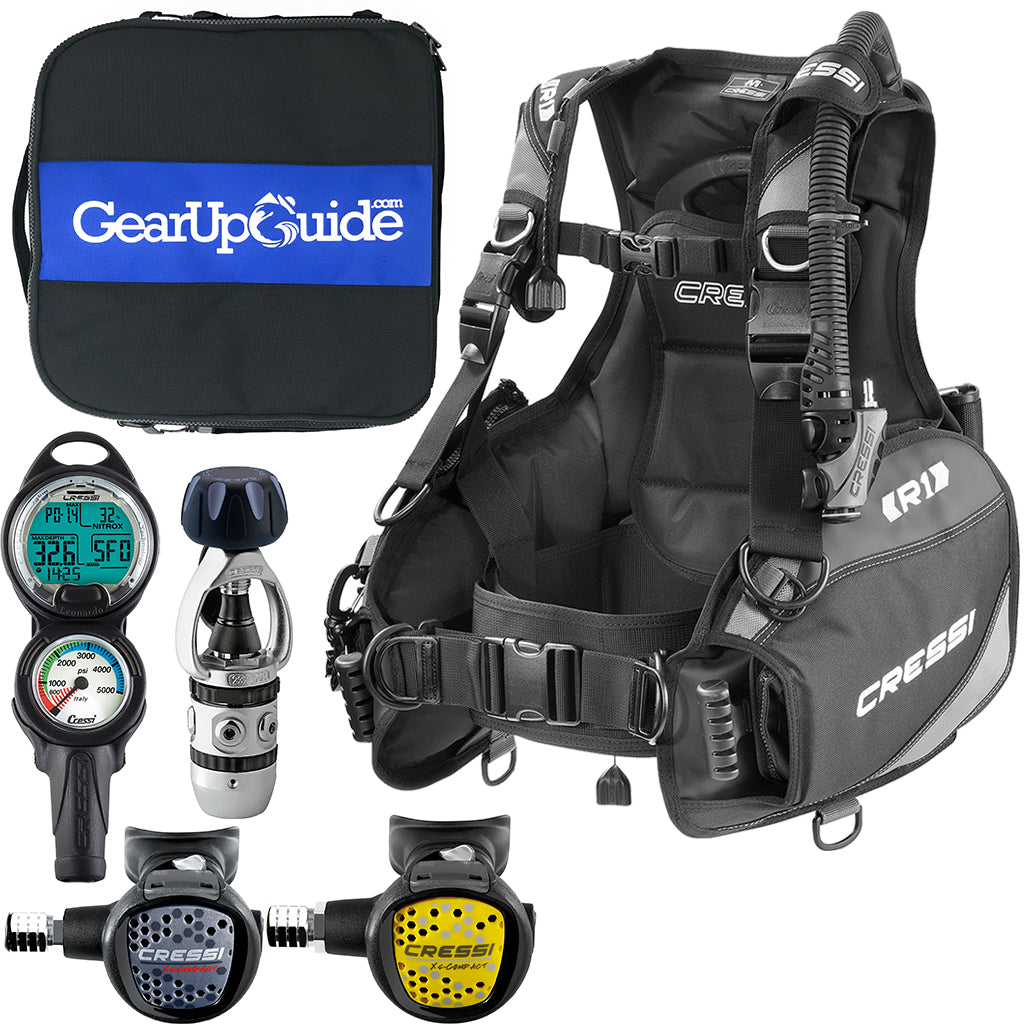
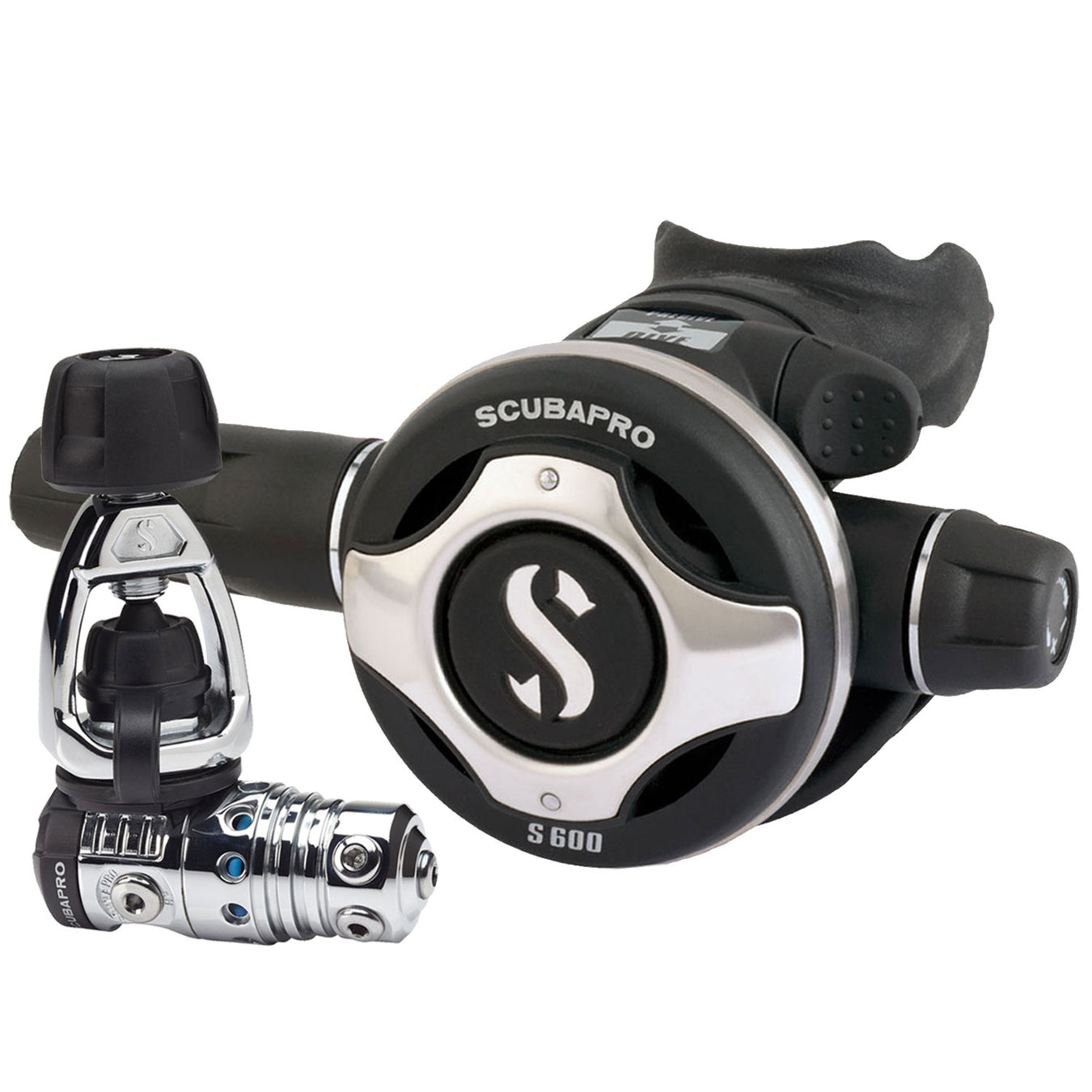
Equipping oneself for a spearfishing adventure involves more than just a speargun and diving mask. The world of spearfishing gear is vast and varied, offering tools and accessories designed to enhance safety, efficiency, and overall enjoyment of the sport.
At the heart of every spearfisher's gear collection is the speargun. These devices come in different types, including pneumatic, band-powered, and roller spearguns, each suited to different hunting styles and target species. Understanding the mechanics and operation of spearguns is essential for successful and ethical spearfishing.
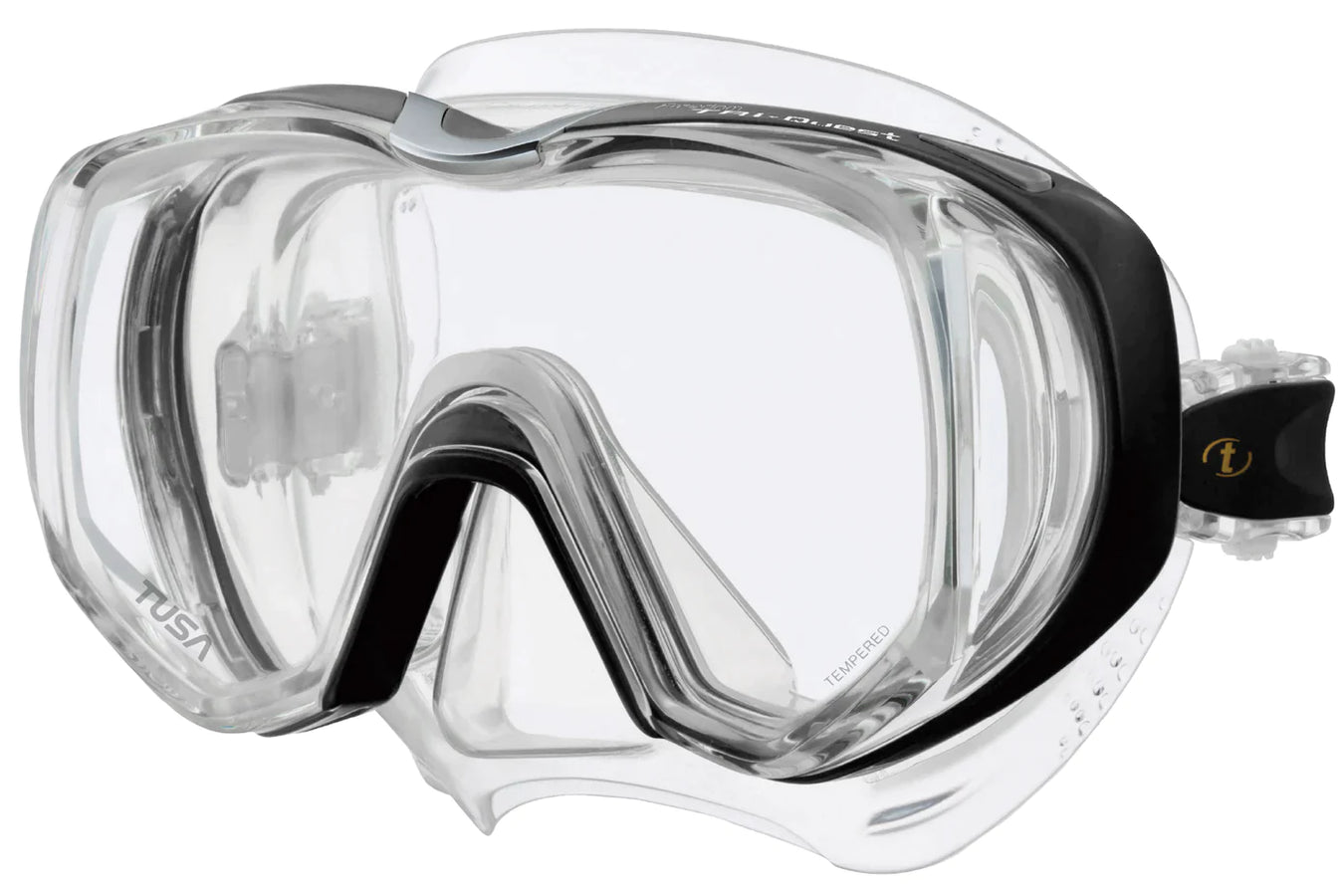
Clear vision and comfortable breathing are paramount in spearfishing, making high-quality dive masks and snorkels indispensable gear. A well-fitted mask with a wide field of view and a reliable snorkel for efficient surface breathing enhance the diver's experience and safety underwater.
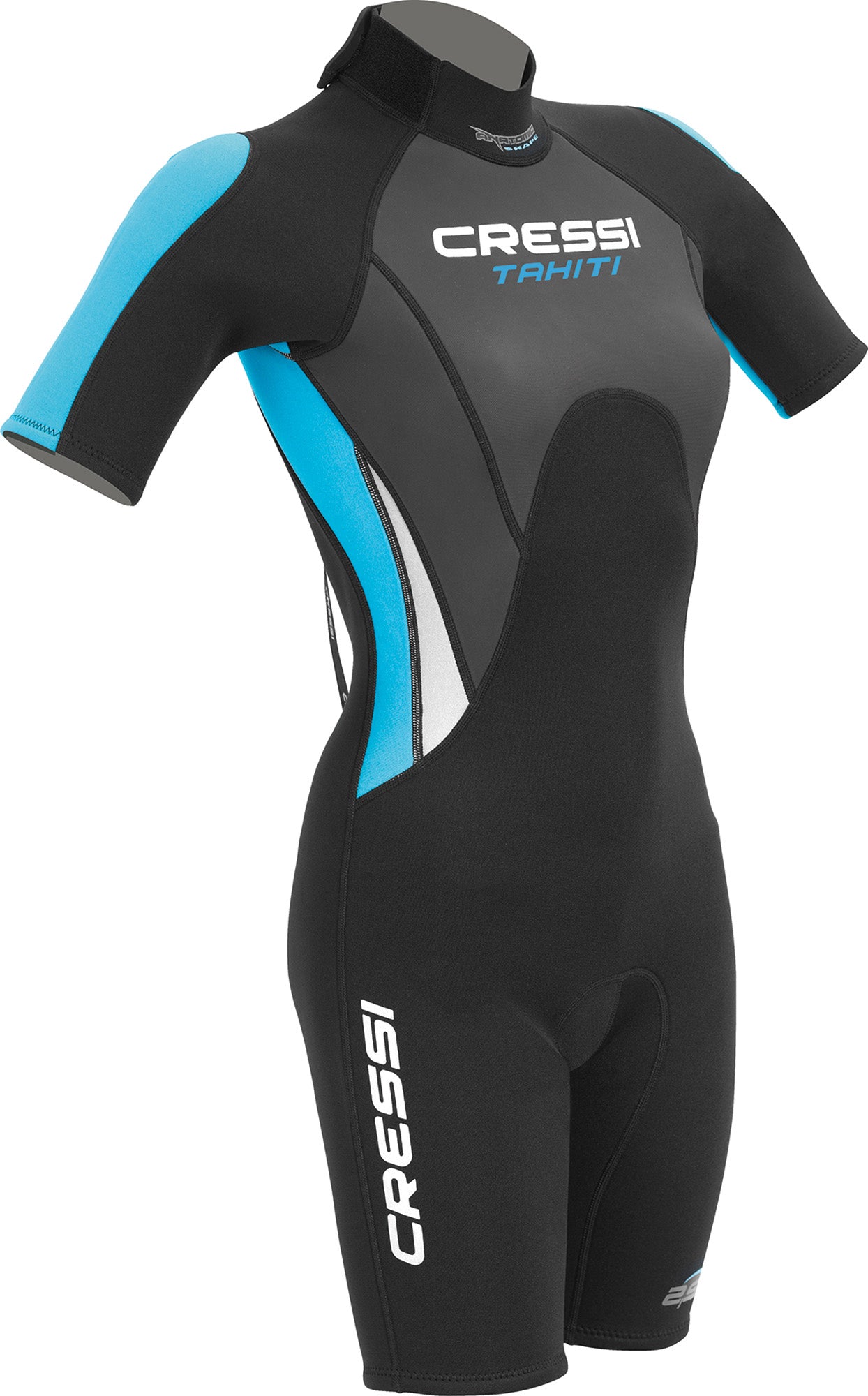
Temperature regulation and buoyancy control are key considerations in spearfishing, addressed by wetsuits and weight belts. Wetsuits provide thermal insulation and protection from marine hazards, while weight belts help divers achieve neutral buoyancy for effortless diving and maneuvering.
Ensuring safety during spearfishing expeditions involves carrying essential equipment such as dive knives, signaling devices, and floatation devices. These tools serve as precautionary measures in emergencies and aid in communication and navigation while exploring the underwater environment.
Spearfishing is a journey that goes beyond age. It's a path of growth, learning, and immersion in the natural world. While legal age requirements provide a necessary framework for participation, the true essence of spearfishing readiness lies in maturity, physical capability, and education. As we dive into the depths, let us remember that spearfishing is not just about the thrill of the hunt but about becoming stewards of the underwater world we so deeply admire.
For those looking to embark on this journey, understanding the legal requirements is just the beginning. Embrace the learning process, seek guidance from experienced spearfishers, and always prioritize safety and respect for marine life. Spearfishing is an adventure that enriches our lives, connecting us more deeply with the mysteries of the ocean and ourselves.
Ready to take the plunge into the world of spearfishing? Lancaster Scuba is your trusted partner on this exhilarating journey. Whether you're just starting out or looking to enhance your skills, we've got you covered with top-notch equipment and expert instruction. Dive into our extensive collection of scuba and water sports gear, and find everything you need for your underwater expeditions. With Lancaster Scuba, you're not just prepared; you're set for a lifetime of aquatic adventures. Check out our scuba gear today and embark on a journey that transcends the ordinary.


{"one"=>"Select 2 or 3 items to compare", "other"=>"{{ count }} of 3 items selected"}