

Exploring the Depths: Spearfishing in San Diego
Dive into the exhilarating world of spearfishing in San Diego! Discover the best spots, techniques, and gear for an unforgettable underwater adventure.
Read now
In the vast, blue expanse of our planet's oceans, a unique adventure awaits those daring enough to explore beneath the surface. Scuba diving offers an unparalleled experience, a chance to immerse oneself in the serene, yet vibrant world underwater. But before one can dive into these adventures, a crucial step must be taken—obtaining a scuba diving certification. This journey is not just about learning to dive; it's about unlocking a door to the wonders of the aquatic world, a rite of passage that ensures safety, confidence, and the promise of countless adventures.
At the heart of becoming a certified diver is the commitment to safety and education. The process is designed to equip aspiring divers with the necessary skills, knowledge, and experience to dive safely and enjoyably. Let's dive deeper into what this journey entails.
Several organizations offer scuba diving certifications, each with its unique approach, but all adhering to international safety standards. The Professional Association of Diving Instructors (PADI) and the Scuba Schools International (SSI) are among the most recognized. Selecting the right agency is the first step in your diving journey, one that aligns with your personal goals and values in diving.
Each agency's certification process includes a combination of theoretical learning, confined water dives to practice skills, and open water dives to experience the real underwater world. The choice of agency can influence your learning experience, so it's important to research and choose one that resonates with your aspirations.
The certification process typically involves three key phases: academic learning, confined water dives, and open water dives. Academic sessions can be completed online or in a classroom setting, covering essential topics such as dive theory, equipment, and safety procedures. Confined water dives, often conducted in a pool, allow students to practice and master diving skills in a controlled environment before heading to open water.
Finally, open water dives are where the real adventure begins. Under the supervision of a certified instructor, students apply what they've learned in actual diving conditions, exploring local dive sites or even exotic locations. This phase not only tests the diver's skills but also ignites a sense of adventure, offering a glimpse into the vast opportunities that certification opens up.
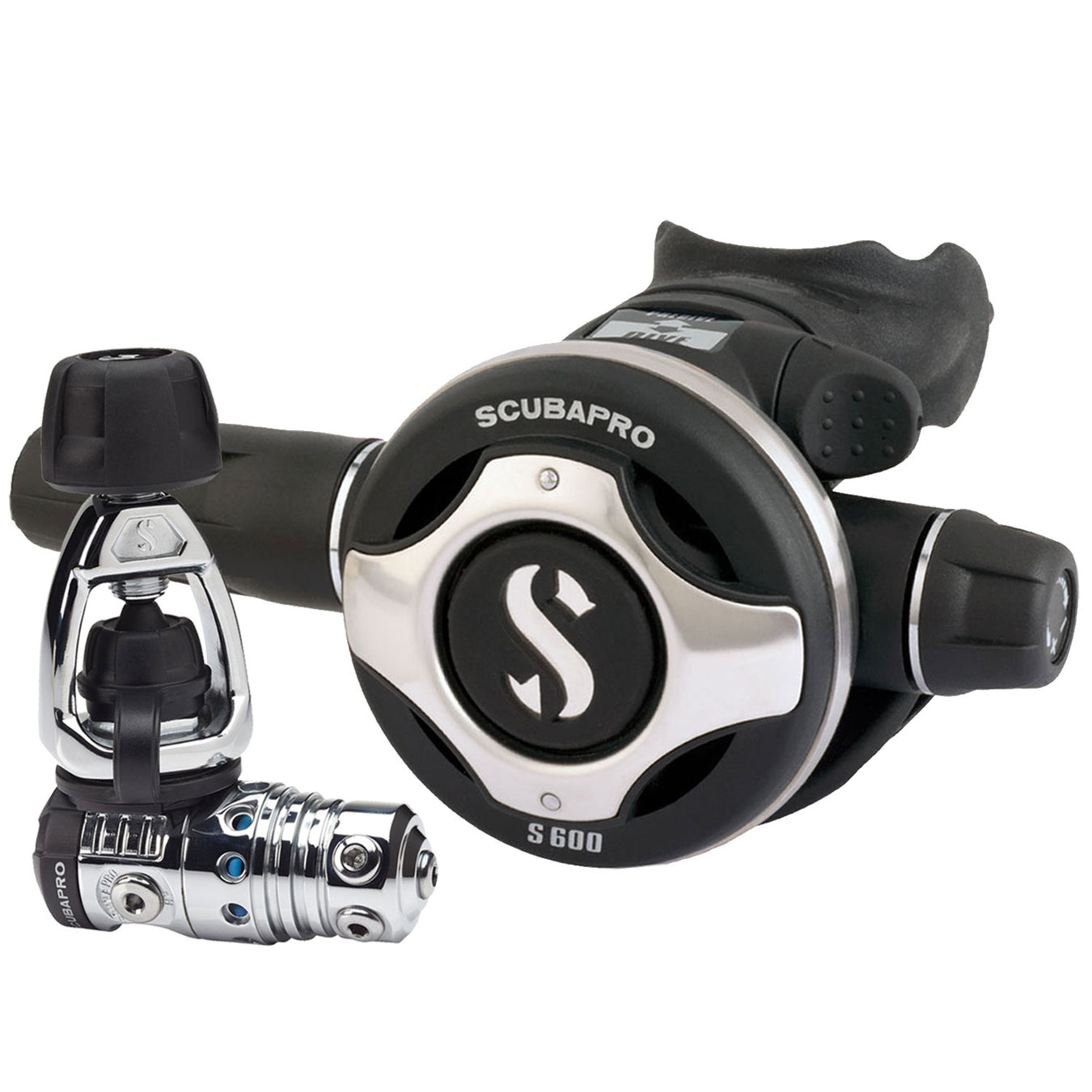
One crucial aspect of scuba diving certification is becoming proficient in handling and maintaining diving equipment. From regulators to buoyancy control devices, understanding how each piece of equipment functions and how to troubleshoot common issues is essential for a safe and enjoyable diving experience.
During certification courses, divers learn how to assemble, disassemble, and care for their gear properly. They also gain insights into the importance of regular equipment inspections and servicing to prevent malfunctions underwater. This knowledge not only enhances diver safety but also instills a sense of self-reliance and preparedness for various diving conditions.
Safety is the cornerstone of the scuba diving community. A certification ensures that every diver has undergone rigorous training to handle various underwater situations. However, the responsibility of a diver extends beyond personal safety to include the preservation of marine environments.
Scuba diving, while exhilarating, carries inherent risks. Proper training teaches divers how to manage potential dangers, from equipment malfunctions to encounters with wildlife. Safety training also includes learning how to assist other divers in distress, ensuring that the diving community looks out for one another.
Statistics show that educated divers are significantly less likely to experience accidents. This highlights the critical role of certification in promoting safety within the diving community.
Becoming a certified diver also means becoming a steward of the ocean. Many certification courses incorporate conservation education, teaching divers about the fragile ecosystems they explore and how to minimize their impact. From coral reef preservation to responsible wildlife interactions, divers are equipped with the knowledge to protect the underwater world for future generations.
Once certified, divers have the opportunity to delve into specialty courses that cater to their specific interests and goals. These courses allow divers to focus on particular aspects of diving, such as underwater photography, wreck diving, or marine biology. By pursuing specialty certifications, divers can deepen their knowledge and skills in specialized areas of the underwater world.
Specialty courses not only enhance the diving experience but also open doors to new adventures and discoveries. Whether exploring underwater caves or studying marine ecosystems, these courses offer a chance to expand one's horizons and develop a deeper connection with the ocean.
Obtaining a scuba diving certification is just the beginning of a lifelong journey of exploration and discovery. Certified divers have the freedom to explore the depths of the ocean, uncover hidden treasures, and encounter marine life in their natural habitats.
With certification in hand, the world's oceans, lakes, and rivers become accessible. Divers can explore historic shipwrecks, vibrant coral reefs, and underwater caves. Each dive is an opportunity to experience the weightlessness of underwater flight, to witness the dance of light beneath the waves, and to be part of a community that shares a deep love for the ocean.
Moreover, certification opens up opportunities for further education and specialization. Advanced courses offer dives into deeper waters, night diving, underwater photography, and much more, allowing divers to continually grow and challenge themselves.
Scuba diving is more than an activity; it's a shared passion that connects people from all walks of life. Certification introduces divers to a global community, a network of enthusiasts and professionals who share experiences, advice, and friendship. This community is not just about diving together but also about conserving the marine environment and promoting safe diving practices worldwide.
In conclusion, obtaining a scuba diving certification is the first step in a journey filled with adventure, learning, and camaraderie. It's about embracing the unknown, respecting the ocean, and becoming part of a community that values the thrill of discovery and the importance of safety. So, take the plunge, get certified, and discover what lies beneath the surface of our planet's most magnificent frontier.
Ready to dive into the world of scuba? Lancaster Scuba is your gateway to the underwater realm. With our expert PADI-certified courses, you can go from novice to pro, and with our extensive selection of gear, you'll be equipped for any dive. Whether you're looking to explore local quarries or embark on a tropical journey, we've got you covered. Check out our scuba gear and start planning your next underwater adventure today. Gear. Dive. Travel. Your journey begins here.


{"one"=>"Select 2 or 3 items to compare", "other"=>"{{ count }} of 3 items selected"}