

Exploring the Depths: Spearfishing in San Diego
Dive into the exhilarating world of spearfishing in San Diego! Discover the best spots, techniques, and gear for an unforgettable underwater adventure.
Read now
In the realm of underwater exploration, obtaining a scuba certification is akin to unlocking a door to a world brimming with uncharted territories, vibrant marine life, and the sheer thrill of the unknown. This journey, much like any quest for knowledge and adventure, begins with a single step—a step that promises to transform the ordinary into the extraordinary. Let us embark on this journey together, exploring the depths of what it means to become a certified scuba diver, the challenges and triumphs that await, and the endless possibilities that lie beneath the surface of our planet's vast oceans.
At the heart of every adventure lies a foundation of knowledge and preparation. The path to scuba certification is no exception. It is a process designed not only to equip aspiring divers with the necessary skills and knowledge for safe diving practices but also to instill a deep respect for the underwater world and its inhabitants.
Embarking on the journey to scuba certification begins with selecting a certification agency. Renowned organizations such as PADI (Professional Association of Diving Instructors), NAUI (National Association of Underwater Instructors), and SSI (Scuba Schools International) offer various programs tailored to meet the needs of divers at every level of experience. Each agency adheres to rigorous standards, yet their teaching methodologies and course offerings may differ, making it essential for prospective divers to research and choose the one that aligns with their personal goals and learning preferences.
Statistics indicate that PADI certifies approximately 900,000 divers annually, underscoring the popularity and global recognition of its programs. However, divers are encouraged to explore all options, considering factors such as course availability, instructor qualifications, and the specific focus areas of each certification program.
The certification process typically comprises three main components: academic learning, confined water dives, and open water dives. The academic section covers essential theory and safety practices, often delivered through a combination of classroom instruction and e-learning modules. This foundational knowledge is crucial for understanding the physics and physiology of diving, equipment usage, and environmental conservation principles.
Confined water dives serve as the practical application of learned theories, allowing students to practice and refine their skills in a controlled environment, such as a swimming pool. This stage is critical for building confidence and ensuring divers are comfortable with basic underwater maneuvers and emergency procedures.
The culmination of the certification process is the open water dives, where students demonstrate their proficiency in real-world diving conditions under the direct supervision of a certified instructor. Successfully completing a series of open water dives is a testament to the diver's ability to safely and responsibly explore the underwater realm.
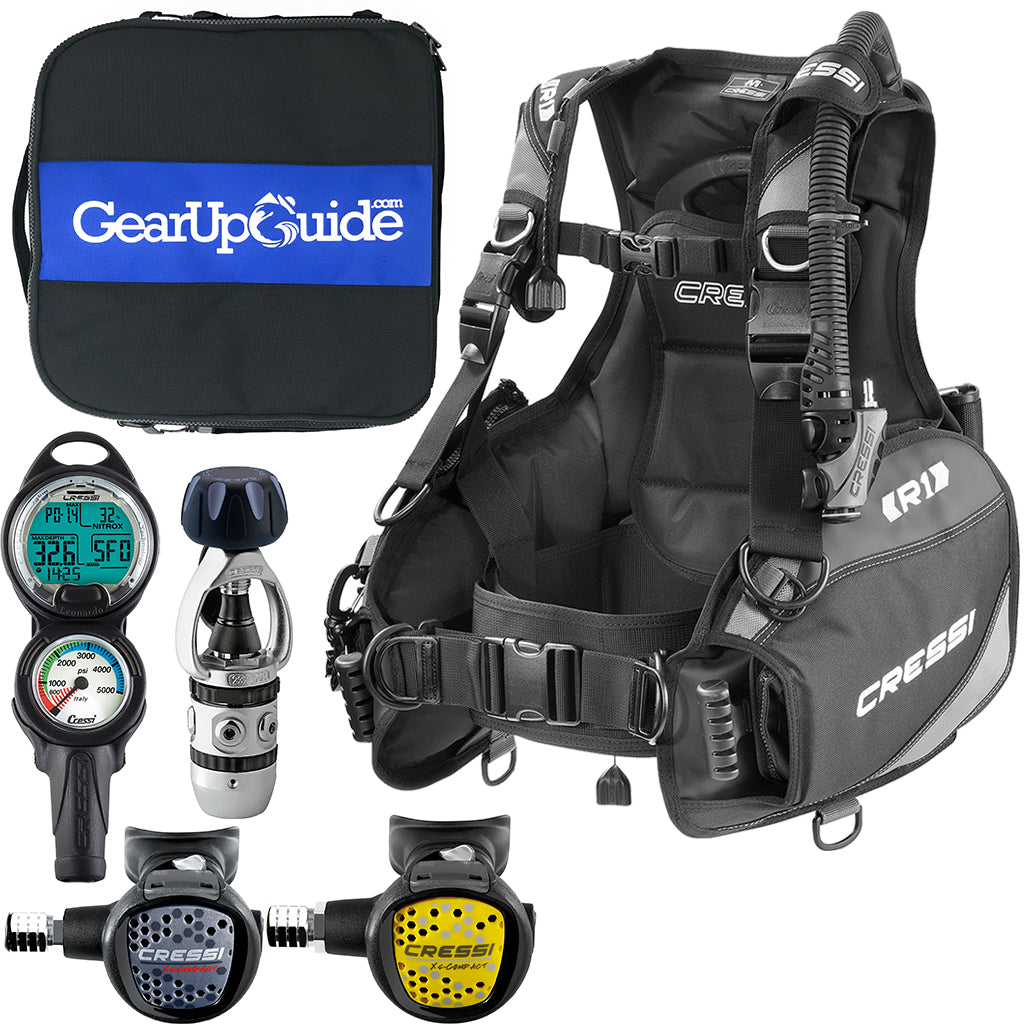
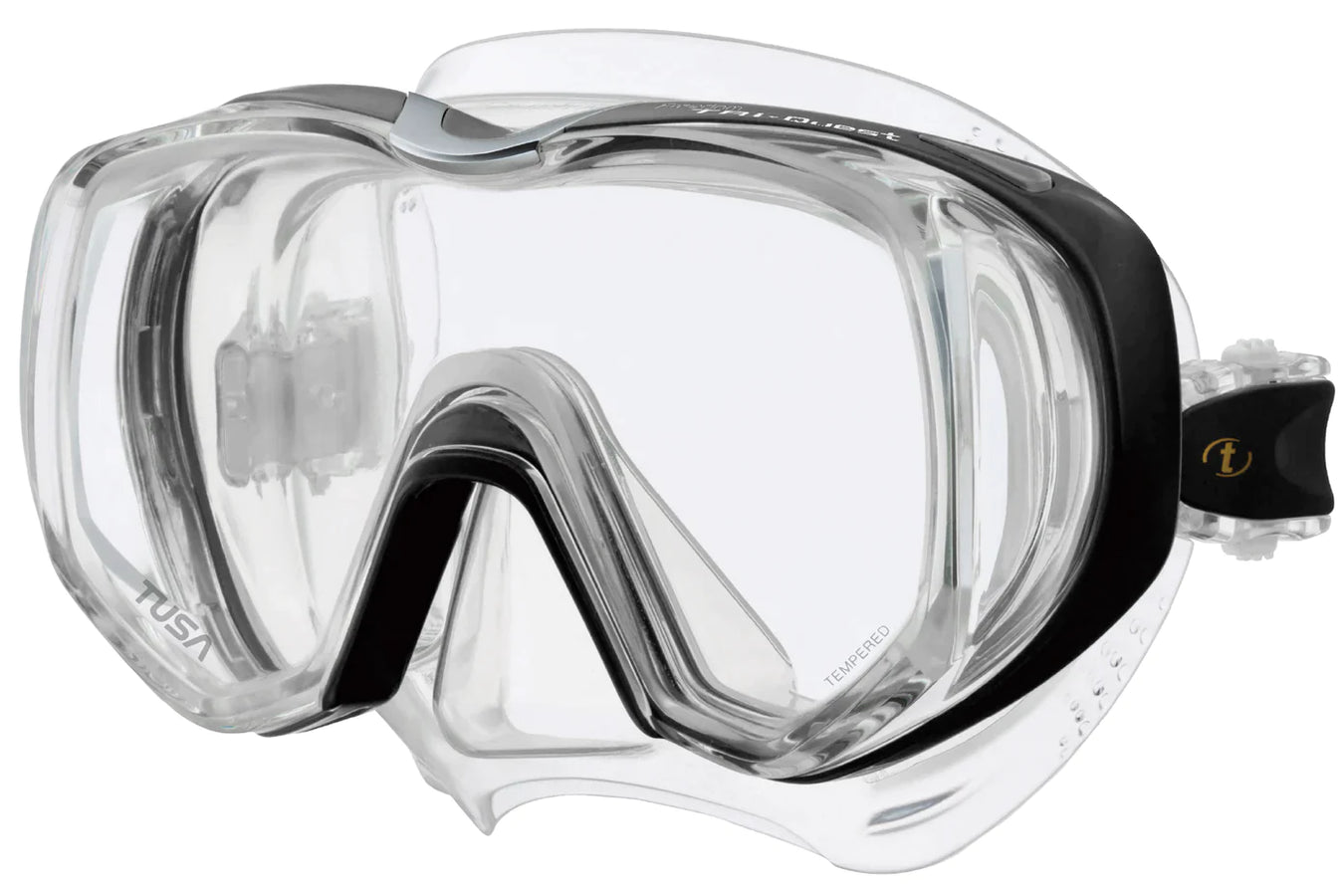
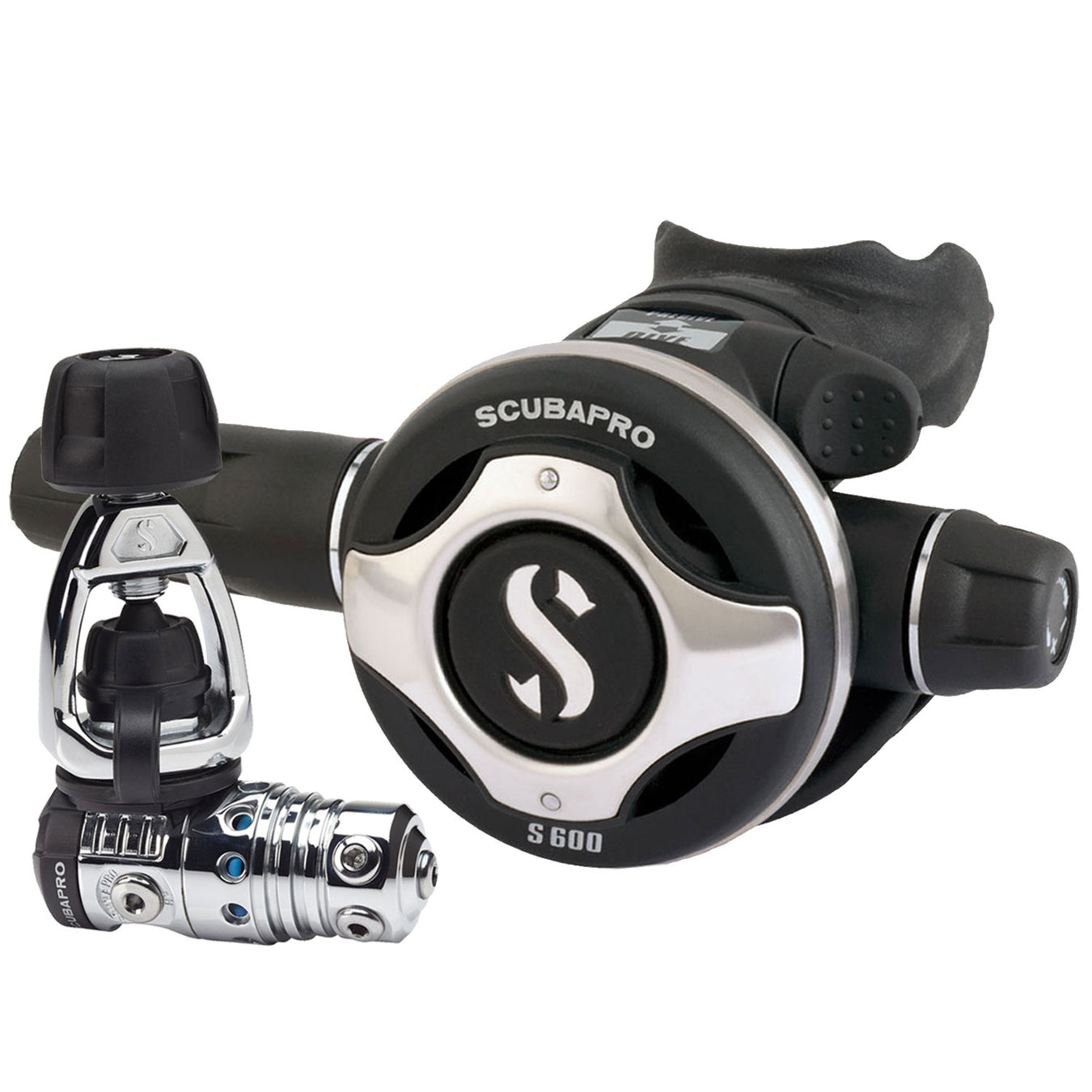
One crucial aspect of scuba diving that often goes overlooked is the selection and maintenance of diving equipment. Properly fitting gear, including masks, fins, regulators, and buoyancy control devices, is essential for a safe and comfortable diving experience. Divers must understand how to assemble, check, and maintain their equipment to ensure it functions correctly underwater.
Regular equipment inspections, servicing, and following manufacturer guidelines for care and maintenance are vital practices that contribute to diver safety. Understanding the functionality of each piece of equipment and being able to troubleshoot common issues can prevent potential accidents and enhance the overall diving experience.
Safety is the bedrock upon which the scuba diving community stands. It is a constant companion on every dive, a guiding principle that ensures the well-being of divers and the preservation of the marine environment.
Education and training are paramount in the pursuit of scuba diving excellence. A well-informed diver is not only a safe diver but also an ambassador for marine conservation. Comprehensive training programs cover a wide range of safety topics, including dive planning, buddy system protocols, and emergency response techniques. These programs are designed to prepare divers for the unexpected, equipping them with the knowledge and skills to navigate challenges with confidence and poise.
Statistics reveal that divers who engage in continuous education and adhere to established safety guidelines experience significantly fewer incidents and injuries. This underscores the critical role of education in fostering a culture of safety within the diving community.
Respecting personal dive limits is a fundamental aspect of safe diving practices. These limits are influenced by a diver's level of training, experience, physical fitness, and environmental conditions. Recognizing and adhering to these boundaries is essential for minimizing risk and ensuring a safe and enjoyable diving experience.
Advanced certification courses offer divers the opportunity to expand their skills and knowledge, enabling them to safely explore more challenging dive sites. Whether it's navigating deep wrecks or mastering buoyancy control in delicate coral reefs, advanced training opens the door to new adventures while reinforcing the importance of safety and responsibility.
Being prepared for emergencies is a critical aspect of safe diving practices. Divers must undergo training in emergency procedures, including responding to equipment malfunctions, assisting distressed divers, and managing underwater incidents. Understanding how to stay calm under pressure and execute emergency protocols can make a significant difference in the outcome of a challenging situation.
Carrying essential safety equipment, such as signaling devices, first aid kits, and redundant breathing systems, is a standard practice among experienced divers. Regular emergency drills and scenario-based training help divers hone their response skills and enhance their ability to handle unexpected events while underwater.
The allure of scuba diving lies not only in the thrill of exploration but also in the unique opportunities it presents for personal growth, environmental stewardship, and community building.
Scuba diving offers an unparalleled opportunity to witness the marvels of the underwater world firsthand. From the kaleidoscopic beauty of coral reefs teeming with life to the solemn grandeur of sunken ships that whisper tales of history's past, each dive is a journey of discovery. Divers are privileged explorers who experience the profound beauty and fragility of marine ecosystems, fostering a deep sense of connection and responsibility towards environmental conservation.
With over 70% of the Earth's surface covered by water, the possibilities for exploration are nearly limitless. Each dive site offers its own unique challenges and rewards, inviting divers to continually expand their horizons and pursue new adventures.
Capturing the underwater world through photography and videography has become a popular aspect of modern scuba diving. Underwater cameras allow divers to document their experiences, share the beauty of marine life with others, and contribute to scientific research and conservation efforts. Understanding the techniques and equipment required for underwater imaging can add a creative dimension to diving adventures.
From mastering lighting and composition to post-processing techniques, underwater photographers and videographers immerse themselves in a world of visual storytelling beneath the waves. Sharing stunning images and videos not only preserves memories but also raises awareness about the importance of protecting marine environments for future generations.
Specialty diving courses offer divers the opportunity to explore specific areas of interest within the vast realm of underwater activities. From wreck diving and night diving to underwater navigation and marine biology, these courses provide in-depth knowledge and practical skills for enthusiasts looking to delve deeper into particular aspects of scuba diving.
By undertaking specialty courses, divers can enhance their expertise, discover new passions, and gain insights into specialized diving practices. Whether seeking adventure in underwater caves or learning about marine conservation techniques, specialty courses open doors to unique experiences and foster a lifelong love for the underwater world.
The journey to obtaining a scuba certification is a voyage of discovery, challenge, and unparalleled adventure. It is a path that leads not only to personal enrichment but also to a deeper appreciation for the natural world and our place within it. Aspiring divers are embarking on an extraordinary journey that promises to expand their horizons, challenge their limits, and enrich their lives in ways they never imagined.
Whether driven by a desire for adventure, a passion for conservation, or the pursuit of knowledge, the journey to scuba certification is a rewarding endeavor that offers endless opportunities for exploration and growth. So, take the plunge, embrace the adventure, and become part of a global community of divers dedicated to exploring the wonders of the underwater world.
Ready to dive into the world of scuba with confidence and excitement? Lancaster Scuba is your trusted partner on this thrilling journey. From top-notch gear to expert-led PADI certification courses and unforgettable dive travel experiences, we have everything you need to make your underwater adventures seamless and memorable. Check out our scuba gear today and gear up for a lifetime of exploration with Lancaster Scuba—where your adventure begins with Gear. Dive. Travel.


{"one"=>"Select 2 or 3 items to compare", "other"=>"{{ count }} of 3 items selected"}