

Exploring the Depths: Spearfishing in San Diego
Dive into the exhilarating world of spearfishing in San Diego! Discover the best spots, techniques, and gear for an unforgettable underwater adventure.
Read now
In the vast expanse of the ocean lies a world teeming with life, adventure, and mysteries waiting to be explored. For those drawn to the allure of the underwater realm, becoming scuba certified opens the door to this magnificent world. The journey to scuba certification is not just about learning to dive; it's about embracing a lifestyle that celebrates exploration, respects the marine environment, and prioritizes safety and education.
The road to scuba certification is paved with excitement, learning, and a deep appreciation for the underwater world. It's a journey that transforms the curious into the capable, equipping them with the skills and knowledge to safely explore the ocean's depths.
Scuba certification is the process by which individuals are trained and evaluated to ensure they possess the necessary skills and knowledge to dive safely. This certification is often issued by recognized organizations such as PADI (Professional Association of Diving Instructors) or SSI (Scuba Schools International), which set the global standards for scuba diving education and safety.
At its core, scuba certification involves a combination of theoretical learning, confined water dives to practice skills, and open water dives to demonstrate proficiency. This comprehensive approach ensures that certified divers are well-prepared to enjoy diving adventures while minimizing risks.
With various levels and specialties available, selecting the right certification course is the first step in your diving journey. The most common starting point is the Open Water Diver certification, designed for beginners with little to no diving experience. This course covers the fundamentals of scuba diving, including equipment usage, dive planning, and underwater navigation.
For those seeking to expand their skills and knowledge, advanced courses and specialties such as Deep Diver, Wreck Diver, or Underwater Photographer offer opportunities to explore specific interests and enhance diving capabilities.
Preparation is key to a successful and enjoyable certification experience. This includes selecting a reputable dive center or instructor, completing any required medical forms or assessments, and familiarizing yourself with the basic principles of scuba diving through pre-course materials.
Physical fitness also plays a crucial role in diving. Engaging in regular exercise, particularly activities that improve cardiovascular health and endurance, can enhance your comfort and safety underwater.
The journey to scuba certification is as much about the thrill of discovery as it is about education. Each step of the process offers unique challenges and opportunities for adventure.
Theoretical learning provides the foundation for safe and responsible diving. Through classroom sessions, online modules, or a combination of both, students explore topics such as dive theory, equipment, safety procedures, and environmental conservation. Engaging with this material not only prepares divers for practical exercises but also instills a deeper appreciation for the underwater world and its preservation.
Confined water dives are where the excitement truly begins. In a pool or pool-like conditions, students practice essential skills such as buoyancy control, mask clearing, and emergency procedures. These sessions offer a safe and controlled environment to build confidence and proficiency before transitioning to the open water.
During confined water dives, instructors focus on ensuring that divers are comfortable with their equipment and can perform critical skills with ease. Buoyancy control, in particular, is emphasized as it is essential for maintaining stability underwater and conserving energy during dives.
The culmination of the certification process, open water dives, allows students to apply their skills in a real-world setting. Under the guidance of an instructor, divers explore local dive sites, experiencing firsthand the wonders of the aquatic environment. These dives not only serve as a final assessment but also as an unforgettable introduction to the world of scuba diving.
Once you have obtained your scuba certification, a whole new world of specialized dive environments opens up for exploration. From vibrant coral reefs to eerie shipwrecks, each dive site offers a unique experience and challenges for divers to overcome.
Coral reefs are among the most biodiverse ecosystems on the planet, teeming with colorful fish, intricate coral formations, and other fascinating marine life. Diving on coral reefs allows divers to witness this underwater paradise up close and marvel at the beauty of these delicate ecosystems.
When diving on coral reefs, it is essential to practice good buoyancy control to avoid damaging the fragile coral structures. Divers should also be mindful of their fin placement to prevent accidental contact with the reef and its inhabitants.
Exploring sunken shipwrecks is a thrilling experience that combines history, adventure, and marine life encounters. Wreck diving allows divers to delve into the past and discover hidden treasures while navigating through the remnants of maritime history.
Before embarking on a wreck diving expedition, divers should undergo specialized training to ensure they have the skills and knowledge to explore these unique environments safely. Proper buoyancy control and awareness of potential hazards are crucial when navigating through wreck sites.
Capturing the beauty of the underwater world through photography is a popular pursuit among divers. Underwater photography allows divers to share their experiences, document marine life encounters, and showcase the mesmerizing landscapes found beneath the waves.
When engaging in underwater photography, divers must consider factors such as natural lighting, composition, and camera settings to capture stunning images. Patience and practice are key to mastering the art of underwater photography and creating captivating visual narratives of the underwater realm.
Achieving scuba certification is just the beginning of a lifelong adventure. The diving community is a vibrant and welcoming space, rich with opportunities for further education, exploration, and camaraderie.
With a world of diving possibilities at your fingertips, continuing education allows divers to explore new environments, take on new challenges, and refine their skills. Specialty courses and advanced certifications open the door to night diving, cave diving, technical diving, and more, each offering its own unique thrill and adventure.
Becoming scuba certified also means becoming part of a global community of divers. Dive clubs, online forums, and local events provide platforms for sharing experiences, planning dives, and forging friendships with those who share a passion for the underwater world.
As you embark on your journey to scuba certification, remember that each step is an opportunity to grow, learn, and discover. The ocean awaits with open arms, ready to reveal its secrets to those willing to dive deep into its depths. Welcome to the incredible adventure of scuba diving.
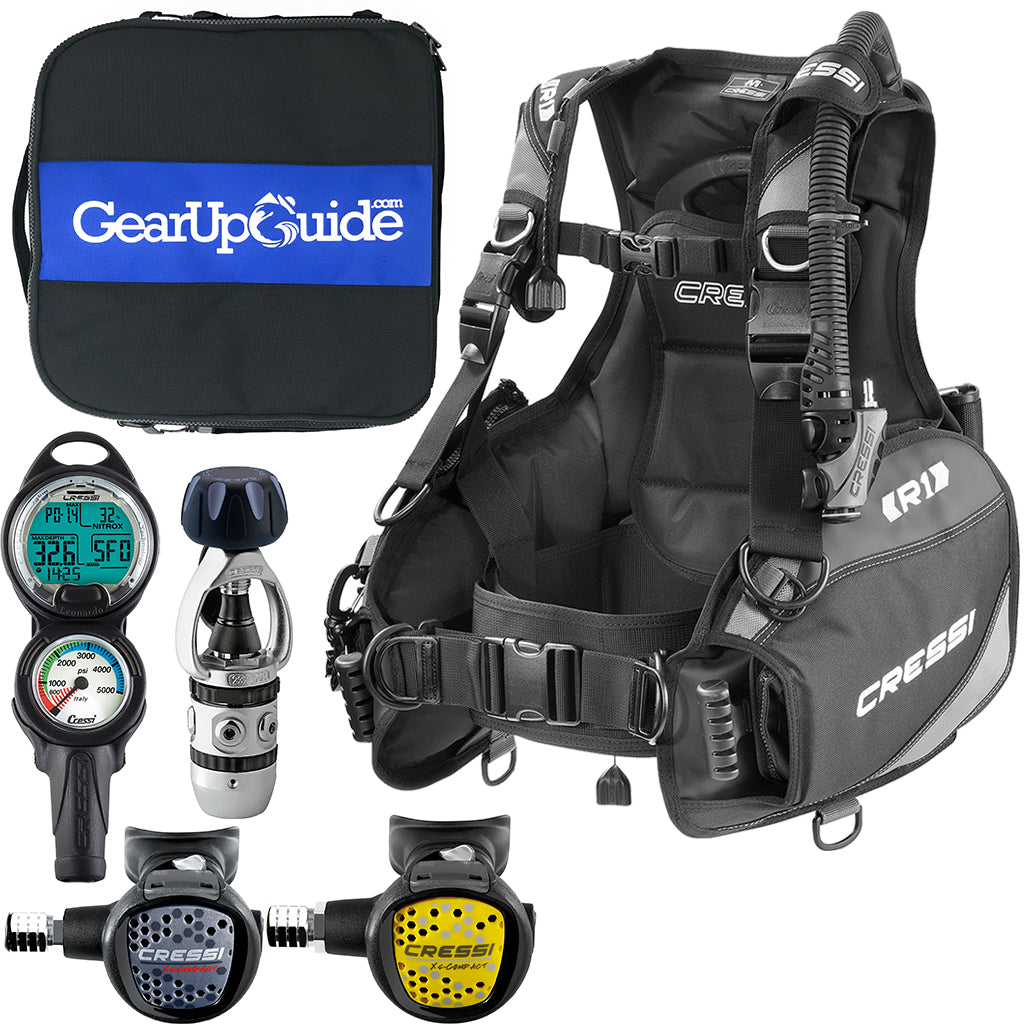
Ready to dive into the scuba lifestyle? Lancaster Scuba is your one-stop destination for all things diving. With our extensive selection of gear, expert-led PADI certification courses, and thrilling dive travel opportunities, we're here to ensure your underwater adventures are unforgettable. Check out our scuba gear and take the first step towards exploring the wonders beneath the waves.


{"one"=>"Select 2 or 3 items to compare", "other"=>"{{ count }} of 3 items selected"}