

Exploring the Depths: Spearfishing in San Diego
Dive into the exhilarating world of spearfishing in San Diego! Discover the best spots, techniques, and gear for an unforgettable underwater adventure.
Read now
In the vast expanse of the ocean lies a world teeming with life, mystery, and adventure, waiting to be explored by those who dare to dive beneath its surface. Becoming a licensed scuba diver opens the door to this underwater realm, offering an unparalleled opportunity to witness the marvels of the deep, firsthand. The path to earning this license is not just a series of steps but a journey into the heart of what it means to explore, understand, and respect the aquatic world.
The quest to become a licensed scuba diver begins with understanding what certification entails and the significance it holds. Certification is not merely a formality but a testament to one's commitment, skill, and respect for the underwater environment. It is the first step in a lifelong journey of discovery and adventure beneath the waves.
Certification is the cornerstone of safe and responsible diving. It ensures that divers are equipped with the necessary knowledge and skills to safely navigate underwater environments, handle equipment, and respond to emergencies. More than a mere credential, it is a diver's passport to exploring underwater wonders around the globe, each with its unique challenges and beauty.
Statistics from diving organizations highlight the importance of certification in reducing accidents and enhancing diver safety. A study by the Professional Association of Diving Instructors (PADI) shows that certified divers are significantly less likely to encounter serious incidents due to their rigorous training in dive planning, problem management, and emergency procedures.
Several reputable organizations offer scuba diving certification, each with its philosophy, focus, and methodology. Among them, PADI, the Scuba Schools International (SSI), and the National Association of Underwater Instructors (NAUI) stand out as leaders in the field. Selecting the right agency is a personal choice that should align with the diver's values, learning style, and diving aspirations.
While PADI is renowned for its widespread recognition and extensive network of dive centers, SSI emphasizes flexibility in learning and NAUI is celebrated for its commitment to thorough education and conservation. Prospective divers should research and consider which agency's approach resonates most with their diving goals and ethos.
The journey to becoming a certified diver is structured yet flexible, designed to accommodate the learning pace and preferences of each individual. It comprises several key stages, each building upon the last to develop a comprehensive understanding and proficiency in scuba diving.
The first step in the certification process is mastering the theoretical aspects of scuba diving. This includes understanding the physics of diving, such as buoyancy and pressure, the physiology of how diving affects the body, and the essential principles of dive planning and safety. Most agencies offer a combination of classroom sessions and e-learning options to cater to different learning preferences.
Engaging with the material, divers begin to appreciate the complexities and responsibilities of diving. This foundational knowledge is crucial for making informed decisions underwater and ensuring the safety of oneself and others.
With a solid theoretical understanding in place, divers move on to confined water dives, usually conducted in a pool or calm, shallow water. This stage focuses on developing practical skills, such as using scuba equipment, controlling buoyancy, and performing safety procedures. It is an opportunity to apply theoretical knowledge in a controlled environment, under the guidance of experienced instructors.
Confined water dives are not just about skill acquisition but also about building confidence and comfort in the water. They prepare divers for the open water dives that follow, ensuring they are competent and ready for the challenges ahead.
The culmination of the certification process is the open water dives. This is where divers get to experience the true essence of scuba diving, exploring natural underwater environments under the supervision of their instructors. A minimum of four open water dives is typically required, allowing divers to demonstrate their proficiency in real-world conditions.
Completing the open water dives is a moment of immense pride and achievement. It signifies not just the mastery of diving skills but also the beginning of a lifelong adventure exploring the depths of the ocean. Certified divers emerge with a deep respect for the marine environment and a commitment to diving responsibly and safely.
Earning a basic scuba diving certification is just the beginning. The underwater world is vast and varied, offering endless opportunities for further learning, exploration, and specialization. Advanced courses and specialty certifications allow divers to explore new environments, develop additional skills, and deepen their understanding of the underwater world.
After achieving basic certification, divers can pursue advanced open water courses, which introduce more challenging diving scenarios and refine navigation, deep diving, and buoyancy control skills. Specialty courses offer the chance to explore specific interests such as wreck diving, underwater photography, night diving, and much more. These courses not only enhance diving capabilities but also open new avenues for adventure and discovery.
Specialty certifications underscore the importance of continuous learning and improvement in diving. They encourage divers to push their boundaries, explore new horizons, and become more versatile and adept underwater explorers.
As divers venture further and dive deeper, they become ambassadors for the ocean, witnessing firsthand the beauty and fragility of its ecosystems. Advanced education often emphasizes the importance of conservation and responsible diving practices, teaching divers how to minimize their impact and contribute to the preservation of marine environments.
Organizations like Project AWARE work closely with divers and diving agencies to promote ocean conservation through education, advocacy, and action. By engaging in conservation efforts and adopting responsible diving practices, certified divers play a crucial role in protecting the underwater world for future generations.
One exciting aspect of scuba diving is the opportunity to capture the breathtaking beauty of the underwater world through photography. Underwater photography is a specialized skill that allows divers to document their experiences, share the wonders of the ocean with others, and contribute to marine conservation efforts.
Mastering underwater photography requires not only technical proficiency with cameras and lighting equipment but also an understanding of marine life behavior, composition techniques, and environmental considerations. Divers can enroll in specialized underwater photography courses to enhance their skills and create stunning visual narratives of their underwater adventures.
From vibrant coral reefs teeming with colorful fish to majestic marine mammals gliding gracefully through the water, underwater photography offers a unique perspective on the diversity and splendor of marine ecosystems. Through their lens, divers can capture moments of beauty, intrigue, and wonder that inspire others to appreciate and protect the ocean's treasures.
For history enthusiasts and adventure seekers alike, underwater archaeology presents a fascinating avenue of exploration beneath the waves. Diving into the depths of the ocean, divers can discover submerged shipwrecks, ancient artifacts, and lost civilizations that offer glimpses into the past and unlock mysteries of bygone eras.
Underwater archaeology combines the thrill of scuba diving with the intrigue of uncovering historical treasures hidden beneath the sea. Divers trained in archaeological techniques can participate in expeditions to survey, excavate, and preserve underwater sites, contributing to our understanding of maritime history and cultural heritage.
Exploring underwater archaeological sites requires meticulous planning, specialized equipment, and a deep respect for historical preservation. Divers engaged in this field not only unravel the secrets of the past but also play a vital role in safeguarding underwater cultural heritage for future generations to appreciate and study.
Specialized training programs in underwater archaeology equip divers with the knowledge and skills needed to conduct archaeological surveys, document findings, and adhere to ethical standards in underwater exploration. These programs cover topics such as site mapping, artifact conservation, legal frameworks, and cultural heritage preservation.
By combining scuba diving expertise with archaeological training, divers can embark on a unique journey to explore submerged historical sites, contribute to academic research, and preserve the legacy of past civilizations hidden beneath the waves.
Becoming a licensed scuba diver is more than acquiring a set of skills; it is embarking on a journey of discovery, adventure, and stewardship. It opens up a world of possibilities, inviting divers to explore the mysteries of the ocean, connect with fellow enthusiasts, and contribute to the conservation of marine ecosystems. The path to certification is the first step in a lifelong voyage that transforms the way we see and interact with the underwater world.
With each dive, certified divers continue to learn, grow, and be inspired by the wonders of the ocean. The journey to become a licensed scuba diver is an invitation to adventure, a challenge to explore the unknown, and a commitment to protect the beauty that lies beneath the waves. It is a voyage that lasts a lifetime, offering endless opportunities to dive deeper into life's potential.
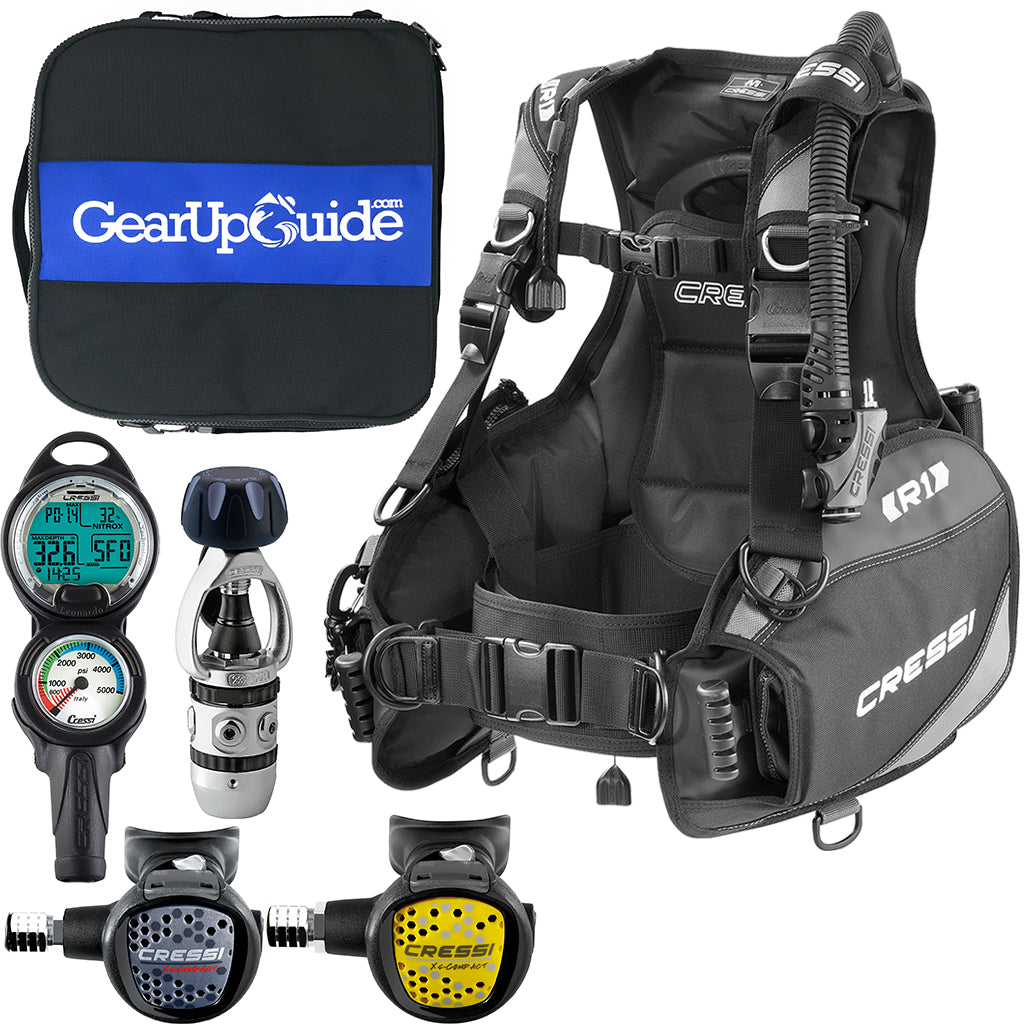
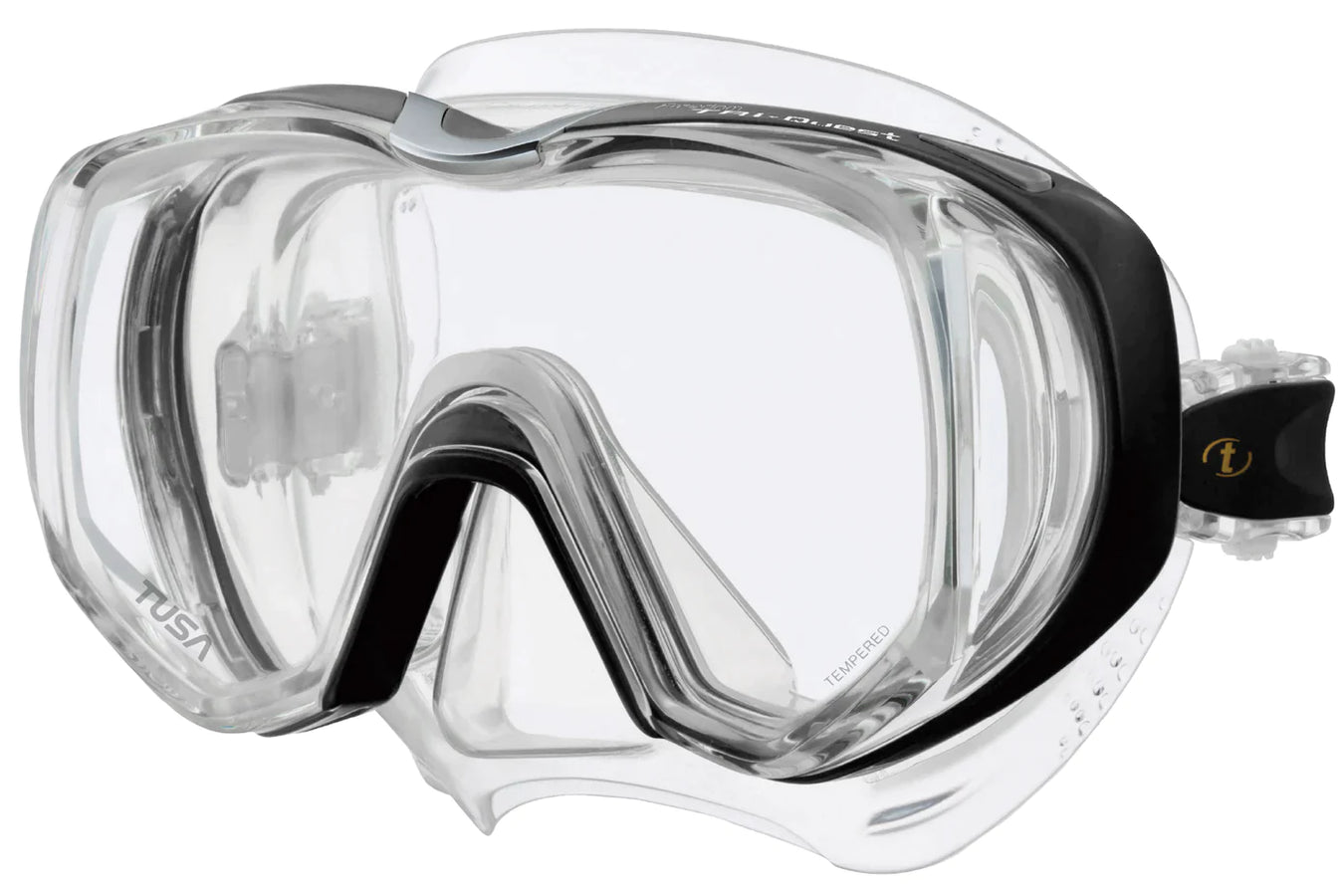
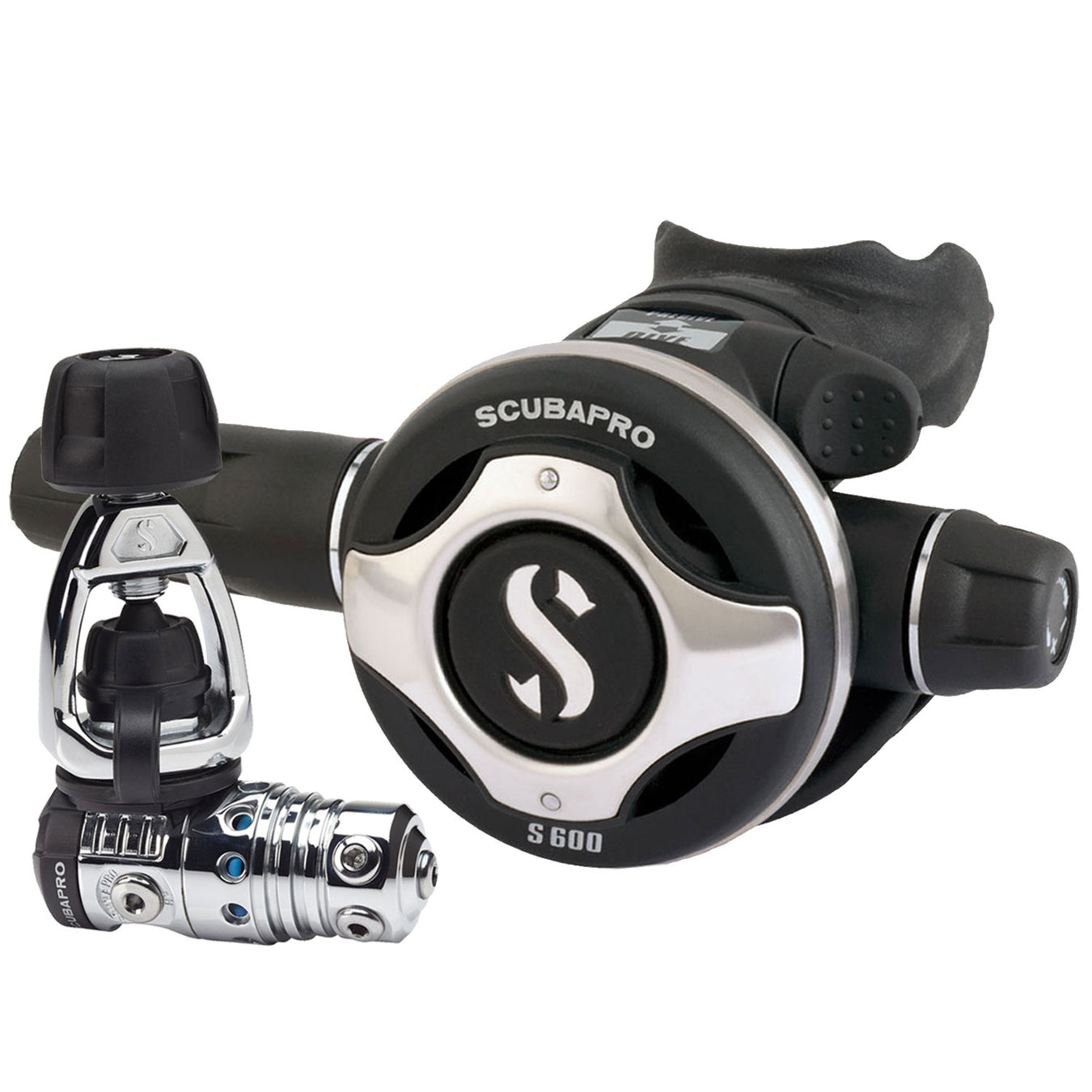
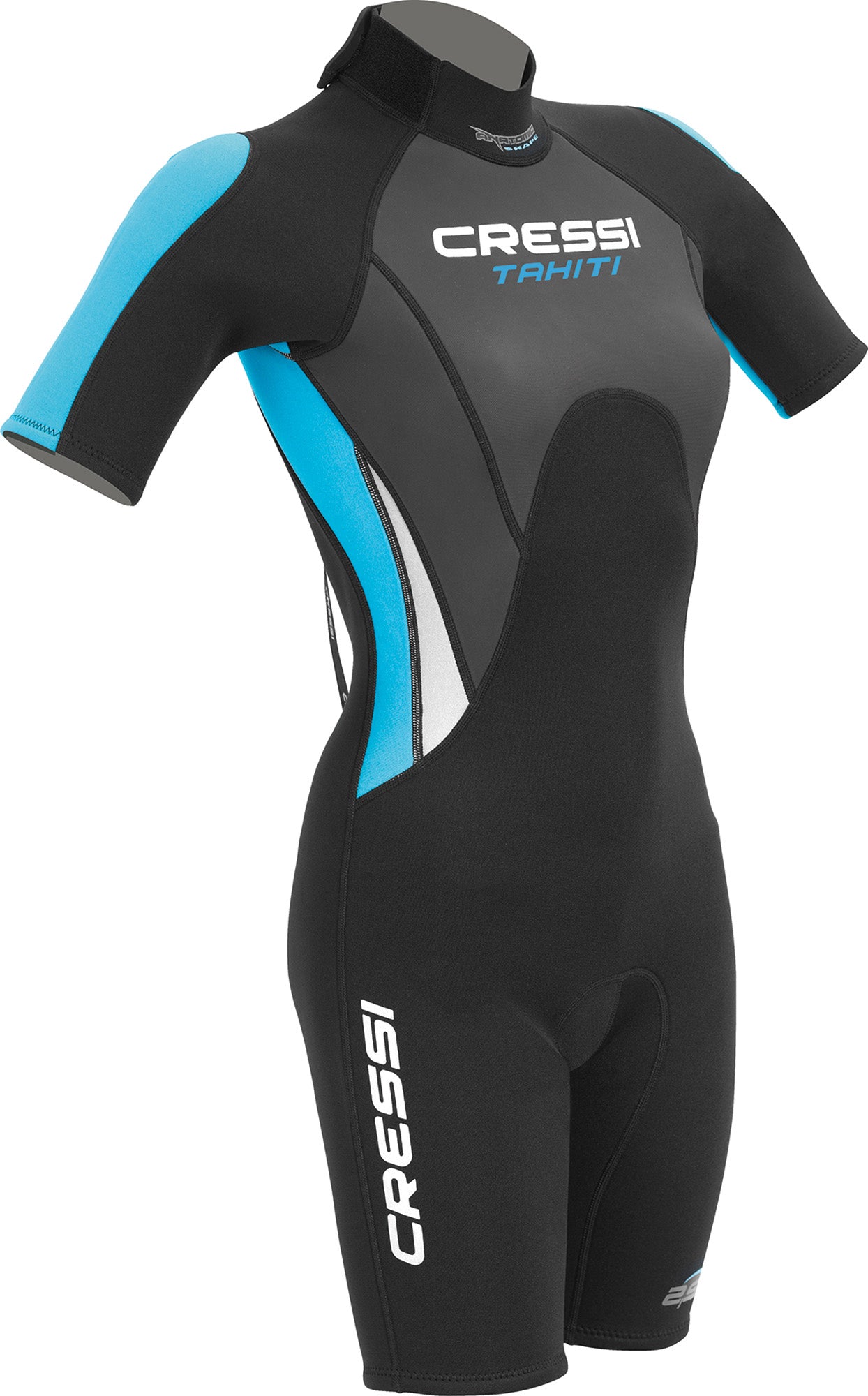
Ready to take the plunge into the world of scuba diving? Lancaster Scuba is here to guide you every step of the way. From top-notch gear to expert dive instruction and breathtaking travel destinations, we provide everything you need for a seamless dive experience. Whether you're just starting out or looking to expand your diving horizons, our PADI certification courses and specialty offerings like Spearfishing will set you on the path to underwater discovery. Don't wait to dive into your next great adventure—check out our scuba gear today and embark on a journey that will transform the way you see the world beneath the waves.


{"one"=>"Select 2 or 3 items to compare", "other"=>"{{ count }} of 3 items selected"}