

Exploring the Depths: Spearfishing in San Diego
Dive into the exhilarating world of spearfishing in San Diego! Discover the best spots, techniques, and gear for an unforgettable underwater adventure.
Read now
In the vast expanse of the underwater world, where adventure beckons the brave and the curious, lies the path to becoming a certified scuba diver—a journey not just of exploration, but of self-discovery and camaraderie. The question of "how long does scuba certification take" is more than a query; it's the beginning of an adventure that could change the way you interact with the world. Let's dive into the depths of this process, understanding not just the time commitment, but the transformation it heralds.
The road to becoming a certified scuba diver is paved with education, experience, and a profound respect for the marine environment. It's a journey that offers as much variety in its learning stages as the underwater world it aims to explore. The timeline can vary significantly, influenced by factors such as the type of certification, the learning pace of the diver, and the training agency chosen.
At the heart of the scuba certification journey is the choice of certification agency. Renowned organizations like PADI (Professional Association of Diving Instructors), NAUI (National Association of Underwater Instructors), and SSI (Scuba Schools International) offer various programs tailored to different levels of expertise and commitment. The choice of agency can influence the curriculum's depth, the flexibility of learning modules, and ultimately, the duration of the certification process.
Each agency adheres to standards set by the World Recreational Scuba Training Council, ensuring a comprehensive education in scuba diving safety, skills, and environmental awareness. However, the journey with each can differ slightly, offering a unique blend of online learning, confined water dives, and open water dives that together weave the fabric of a certified diver.
The adventure into scuba diving is tiered, beginning with an Open Water Diver certification, advancing through Advanced Open Water, and potentially leading to specialized and professional levels like Rescue Diver or Dive Master. The initial Open Water certification is the gateway, requiring anywhere from a few days to several weeks, depending on the intensity of the course and the individual's availability.
Advanced certifications and specialties allow divers to explore specific interests such as wreck diving, night diving, or underwater photography, each adding layers to the diver's skills and experiences. These subsequent certifications can take additional days to weeks, further extending the scuba certification timeline based on the diver's aspirations.
The scuba certification process is a blend of academic learning, skill development, and real-world application. It's a journey that balances the thrill of exploration with the solemnity of safety, creating a comprehensive learning experience.
The first plunge into scuba certification is through academic learning. This stage involves understanding the principles of scuba diving, including equipment, physics, physiology, and environmental conservation. Many agencies offer online modules that can be completed at the diver's pace, typically requiring 8 to 15 hours to complete.
This flexible approach allows aspiring divers to immerse themselves in the theoretical aspects of diving before ever taking the plunge, ensuring a foundation of knowledge that underpins safe and responsible diving practices.
With theoretical knowledge in hand, the next step is confined water dives. These sessions, often conducted in a swimming pool, allow divers to practice and perfect their skills in a controlled environment. Skills such as buoyancy control, mask clearing, and emergency procedures are honed here, with safety as the paramount concern.
The duration of this stage can vary, typically encompassing 2 to 5 sessions, each lasting a few hours. The pace is dictated by the diver's comfort and proficiency, ensuring that each individual is fully prepared for the open water.
Mastering buoyancy control is a crucial skill that not only enhances the diver's safety but also contributes to a more enjoyable and efficient underwater experience. Achieving neutral buoyancy, where the diver neither sinks nor floats, allows for effortless movement and conservation of energy during dives. It's a skill that requires practice and finesse, often perfected during confined water sessions before venturing into open water environments.
The culmination of the certification process is the open water dives. This stage transfers the skills learned in the pool to the dynamic environment of the ocean or lake. Divers complete a series of dives, usually 4 to 5, under the watchful eye of their instructor, applying their knowledge and skills in real-world scenarios.
This final step is where the magic of diving truly unfolds, offering encounters with marine life and ecosystems that ignite a lifelong passion for the underwater world. The open water dives typically span over two days, marking the end of the certification process and the beginning of an endless adventure.
The journey to scuba certification is as unique as the individuals who embark on it. Several factors can influence the duration of the process, tailoring the experience to the needs and aspirations of each diver.
One of the most significant factors is the diver's personal schedule and learning pace. Intensive courses can compress the certification into a single week, while more relaxed schedules can spread the process over several weekends or months. The flexibility of online learning modules further accommodates the diver's lifestyle, allowing for a personalized journey through the world of scuba diving.
For those with time constraints, some agencies offer accelerated programs that condense the learning modules and practical sessions into a shorter timeframe. While these intensive courses require a significant time commitment each day, they provide a focused and immersive experience that can suit individuals seeking a swift path to certification.
External factors such as weather and environmental conditions can also play a role in the certification timeline. Open water dives are subject to the whims of nature, with adverse conditions potentially delaying this final step. However, these challenges also teach adaptability and respect for the marine environment, integral qualities for any diver.
Understanding the impact of weather patterns on diving conditions is essential for every certified diver. Factors such as wind speed, wave height, and visibility can significantly affect the safety and enjoyment of a dive. Being able to interpret weather forecasts and make informed decisions about when to dive ensures that each underwater experience is as rewarding as it is secure.
Scuba diving is a gear-intensive activity, requiring specialized equipment to ensure safety and comfort underwater. Understanding the functions and maintenance of scuba gear is a vital aspect of the certification process, influencing both the timeline and the diver's overall experience.
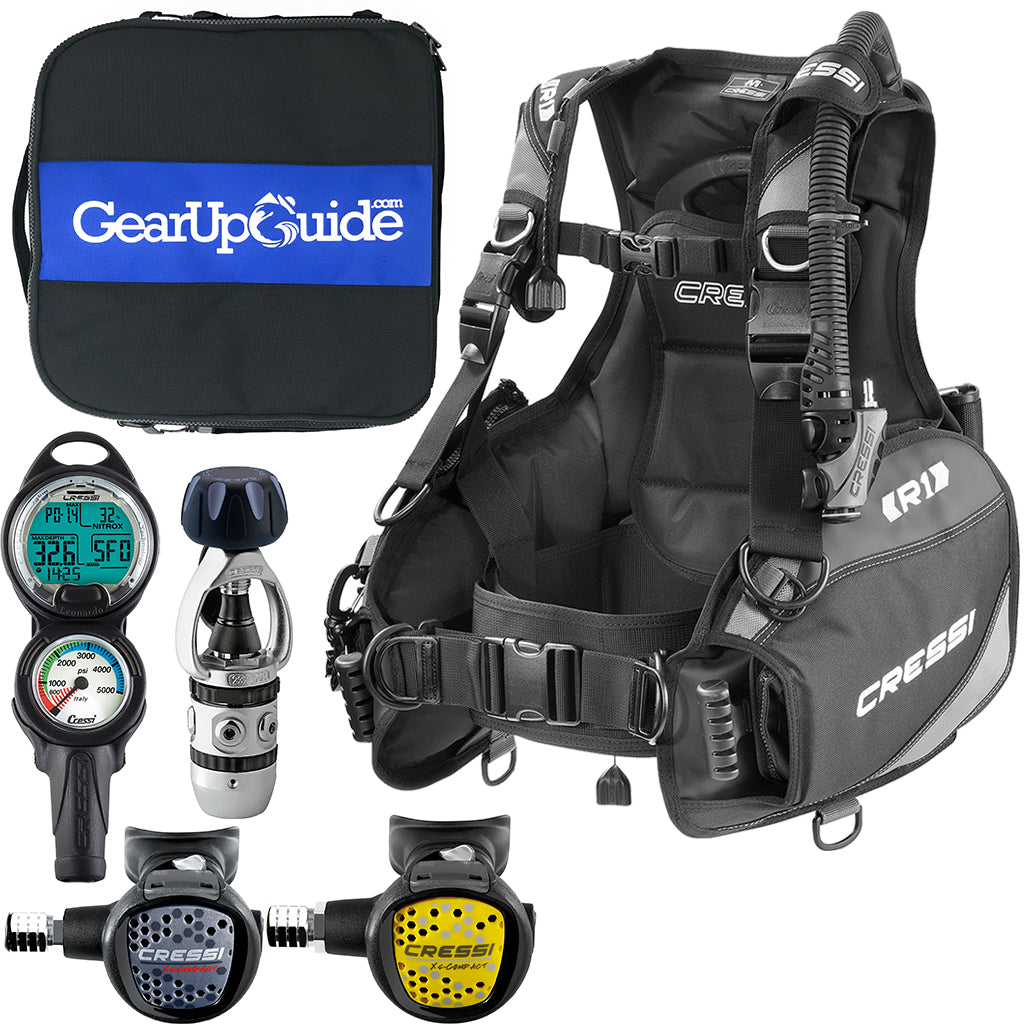
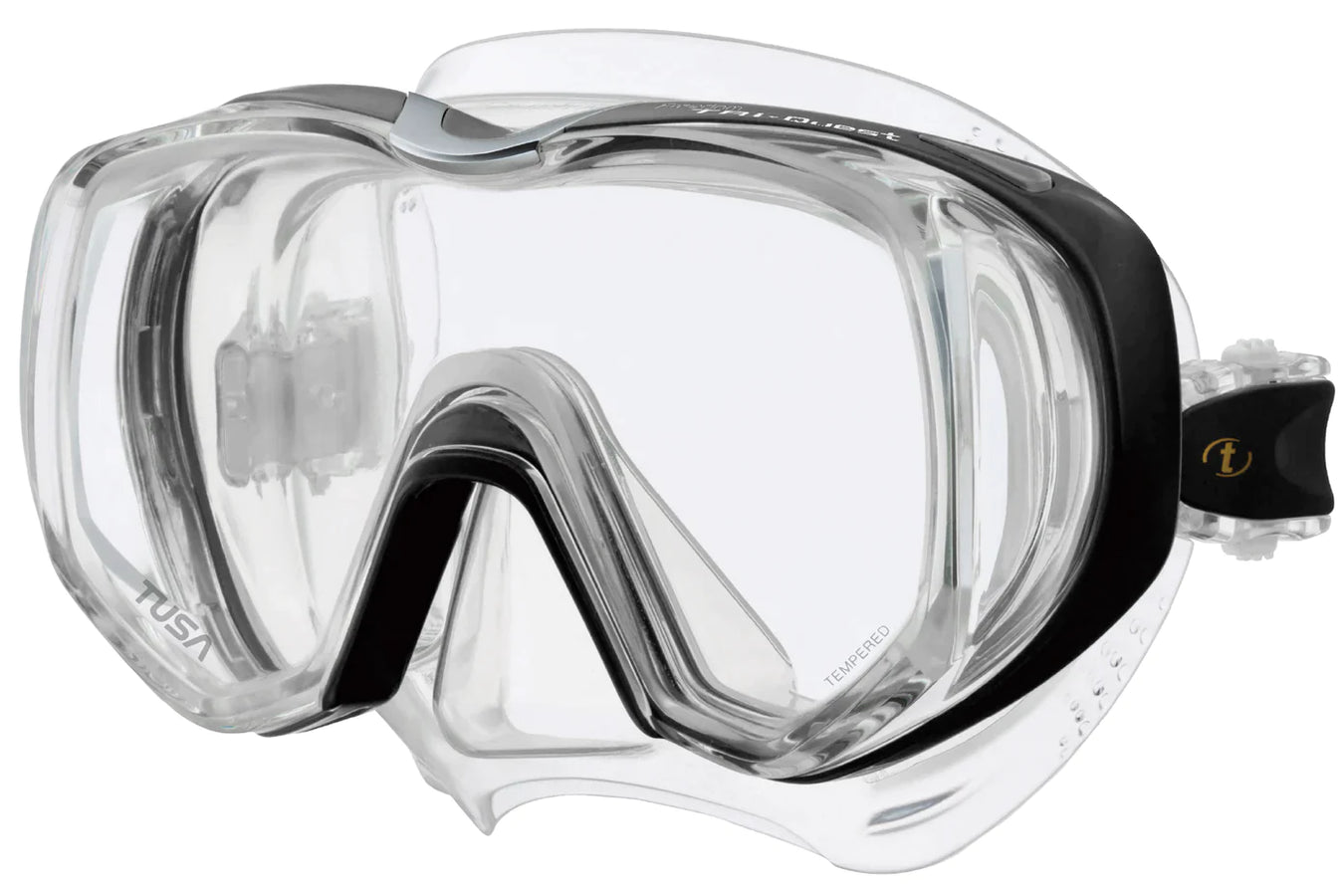
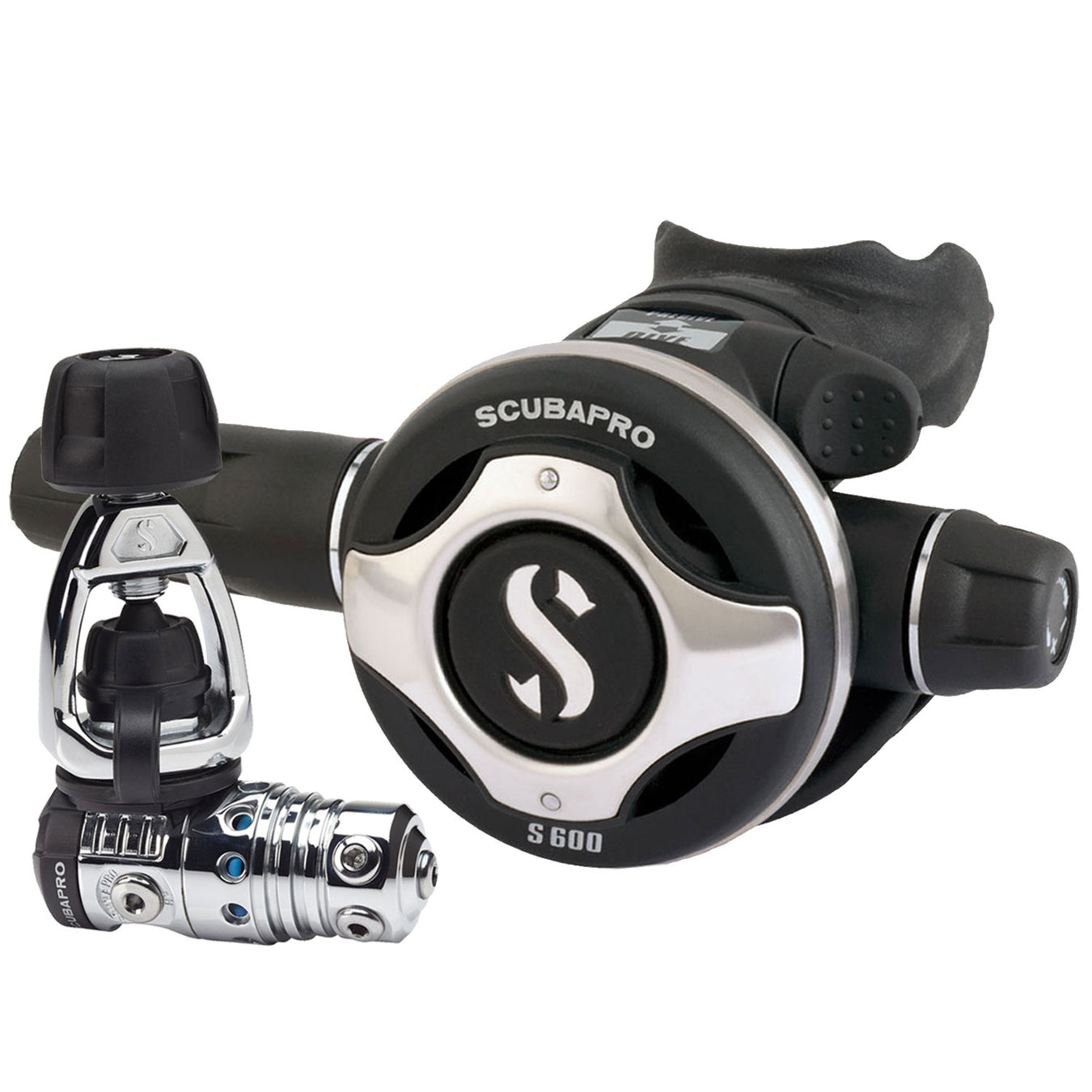
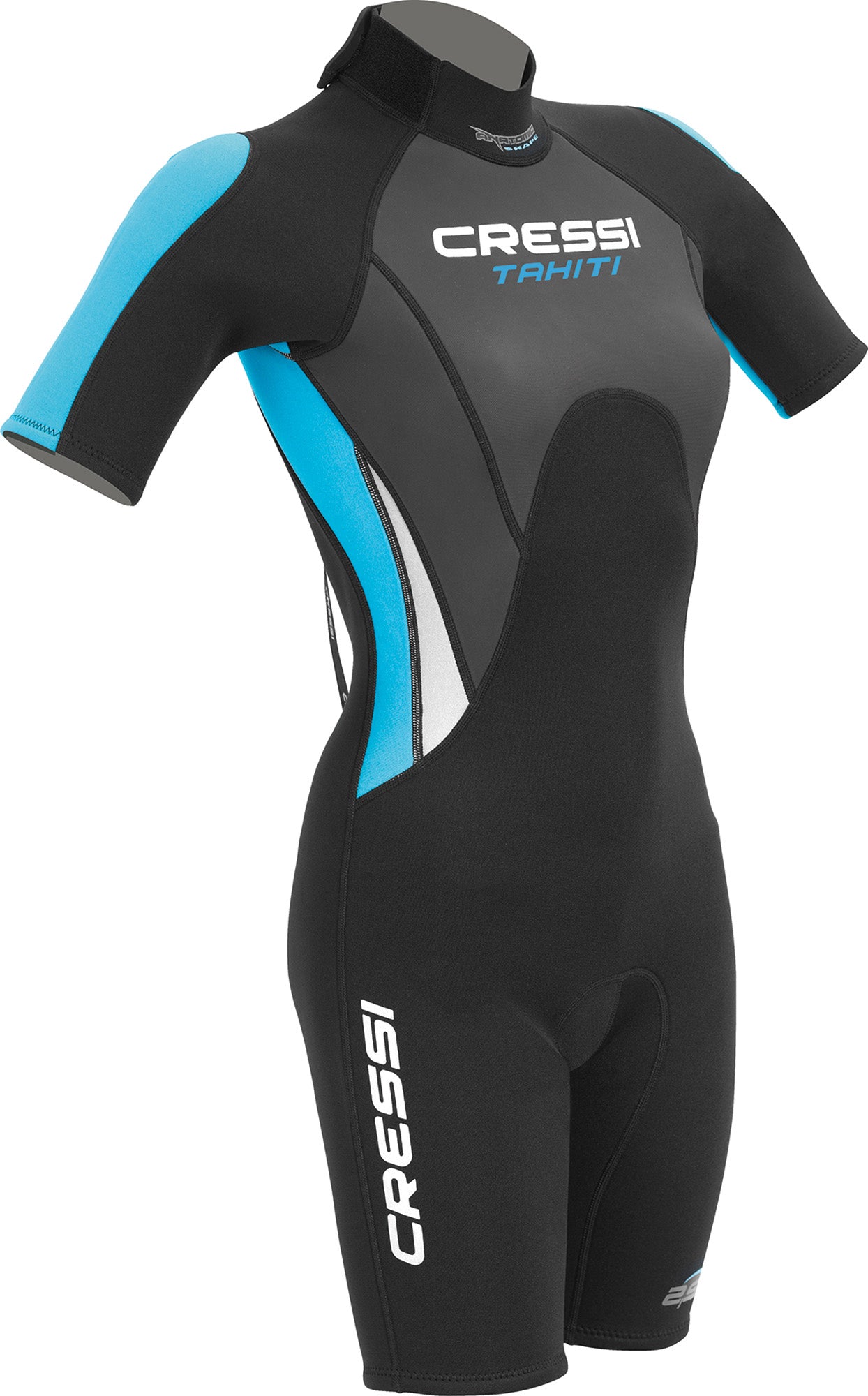
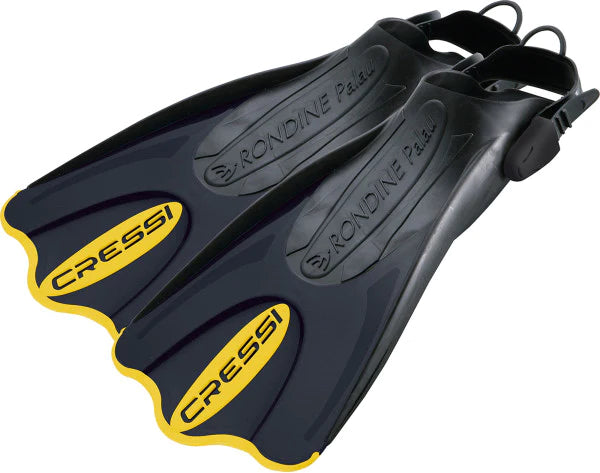
Basic scuba equipment includes a mask, snorkel, fins, wetsuit, buoyancy control device (BCD), regulator, and dive computer. Each piece of gear plays a crucial role in facilitating a diver's movement, breathing, and monitoring of vital information during a dive. Familiarizing oneself with the equipment and its assembly is typically part of the certification training, preparing divers for independent diving in the future.
Investing in personal scuba gear is a significant decision for many divers, offering a tailored and familiar set of equipment for their underwater adventures. While rental gear is available at most dive centers, owning gear ensures a consistent fit and performance that can enhance the overall diving experience. Factors such as comfort, durability, and ease of maintenance influence the selection of scuba gear, with options available for every budget and preference.
Beyond the foundational certifications, the world of scuba diving offers a myriad of specialized training courses and continuing education opportunities. These programs cater to divers seeking to expand their skills, knowledge, and experiences in specific areas of interest within the underwater realm.
Specialized training courses cover a wide range of topics, from underwater navigation and deep diving to marine conservation and technical diving. Each course provides divers with the expertise and confidence to explore new environments and engage with unique underwater challenges.
Continuing education is not just about acquiring new certifications; it's a mindset of constant improvement and adaptation to the ever-evolving field of scuba diving. Divers who pursue ongoing training often find themselves more prepared for diverse diving conditions, more aware of environmental issues, and more connected to the global community of divers.
Participating in specialty courses and continuing education programs can significantly extend a diver's timeline of certification, but the rewards in terms of skill development and enriched experiences are immeasurable. Whether it's learning to dive in challenging conditions or mastering advanced techniques, specialized training opens doors to new dimensions of the underwater world.
One of the most exciting aspects of becoming a certified scuba diver is the opportunity to explore dive destinations around the world. From vibrant coral reefs teeming with marine life to historic shipwrecks shrouded in mystery, the planet offers a diverse array of underwater wonders waiting to be discovered.
Popular dive destinations like the Great Barrier Reef in Australia, the Maldives in the Indian Ocean, and the Galapagos Islands in Ecuador attract divers from across the globe with their unique ecosystems and breathtaking underwater landscapes. Closer to home, coastal regions and freshwater lakes provide ample opportunities for divers to practice their skills and encounter local marine species.
Planning dive trips to different destinations involves considerations such as travel logistics, accommodation options, and dive site accessibility. Many divers join group excursions or liveaboard trips to maximize their underwater experiences and connect with like-minded enthusiasts. Exploring dive destinations not only enriches a diver's logbook but also fosters a deeper appreciation for the beauty and fragility of the world's oceans.
Embracing the spirit of adventure and discovery, divers can embark on a lifelong journey of exploration, ticking off bucket-list dive sites and creating memories that last a lifetime. Each dive destination offers a unique tapestry of sights, sounds, and sensations, inviting divers to immerse themselves in the wonders of the underwater realm.
The journey to scuba certification is not just a timeline; it's a narrative of growth, discovery, and connection with the ocean's mysteries. From the first breath underwater to the depths of advanced training, each step in the certification process unveils new facets of the underwater world and the diver's capabilities.
As you navigate the waters of scuba certification, remember that the timeline is but a framework for a much larger story—one filled with encounters with marine life, moments of awe-inspiring beauty, and bonds forged with fellow divers. Embrace each stage of the journey, savoring the challenges and triumphs that come with exploring the depths of the ocean.
Ready to transform your curiosity into action? Lancaster Scuba is your gateway to the underwater realm. With our expert diving instruction and extensive selection of equipment, we're here to ensure your scuba journey is unforgettable. Whether you're gearing up for your first dive or planning your next underwater expedition, we have everything you need. Check out our scuba gear and embrace the full spectrum of "Gear. Dive. Travel." Start your adventure today and become part of the vibrant community of divers exploring the wonders beneath the waves.


{"one"=>"Select 2 or 3 items to compare", "other"=>"{{ count }} of 3 items selected"}