

Exploring the Depths: Spearfishing in San Diego
Dive into the exhilarating world of spearfishing in San Diego! Discover the best spots, techniques, and gear for an unforgettable underwater adventure.
Read now
Within the vibrant world of underwater exploration, obtaining a scuba license is the first step towards unlocking the door to the ocean's mysteries. This journey, much like the adventures of seasoned divers, is filled with learning, excitement, and the promise of discovering the unknown. The process of becoming a certified diver is not just about mastering the skills but about embracing a lifestyle that cherishes the marine environment and thrives on exploration.
The path to obtaining a scuba license is a journey that begins with a single step: choosing the right certification agency. This decision is crucial, as it lays the foundation for your diving education and future adventures beneath the waves.
Several reputable organizations offer scuba certification, each with its unique approach to training and education. The Professional Association of Diving Instructors (PADI) and the Scuba Schools International (SSI) are among the most recognized, offering programs that cater to beginners and advanced divers alike. Selecting an agency that aligns with your diving aspirations and learning preferences is the first step towards a rewarding diving career.
It's essential to research and compare the philosophies, course structures, and global recognition of each agency. This ensures that your certification is not only a testament to your skills but also a passport to diving sites around the world.
Once you've selected a certification agency, the next step is to enroll in a beginner's course, commonly known as the Open Water Diver course. This course is designed to introduce you to the basics of scuba diving, including equipment usage, underwater navigation, and safety procedures.
The Open Water Diver course combines classroom learning, confined water dives (usually in a pool), and open water dives. This comprehensive approach ensures that you gain the knowledge, skills, and confidence needed to dive safely and enjoyably.
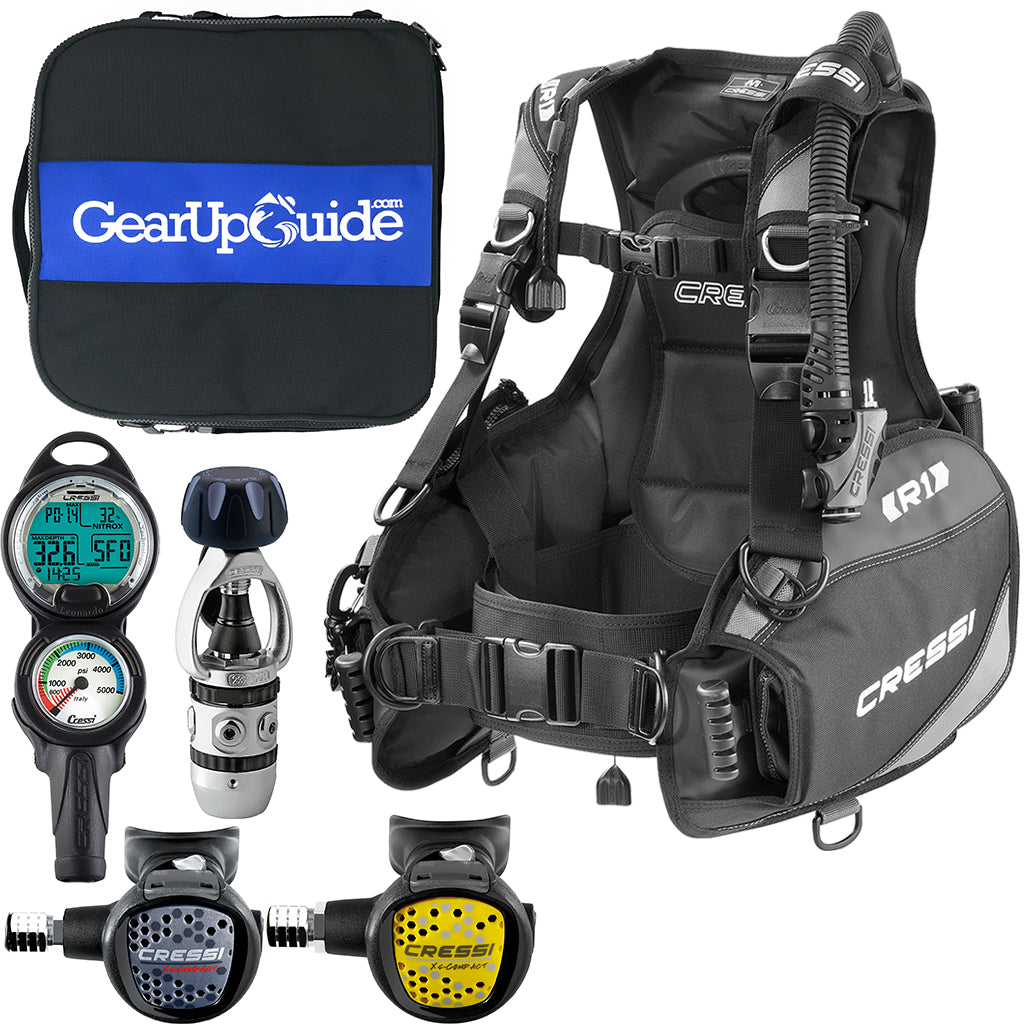
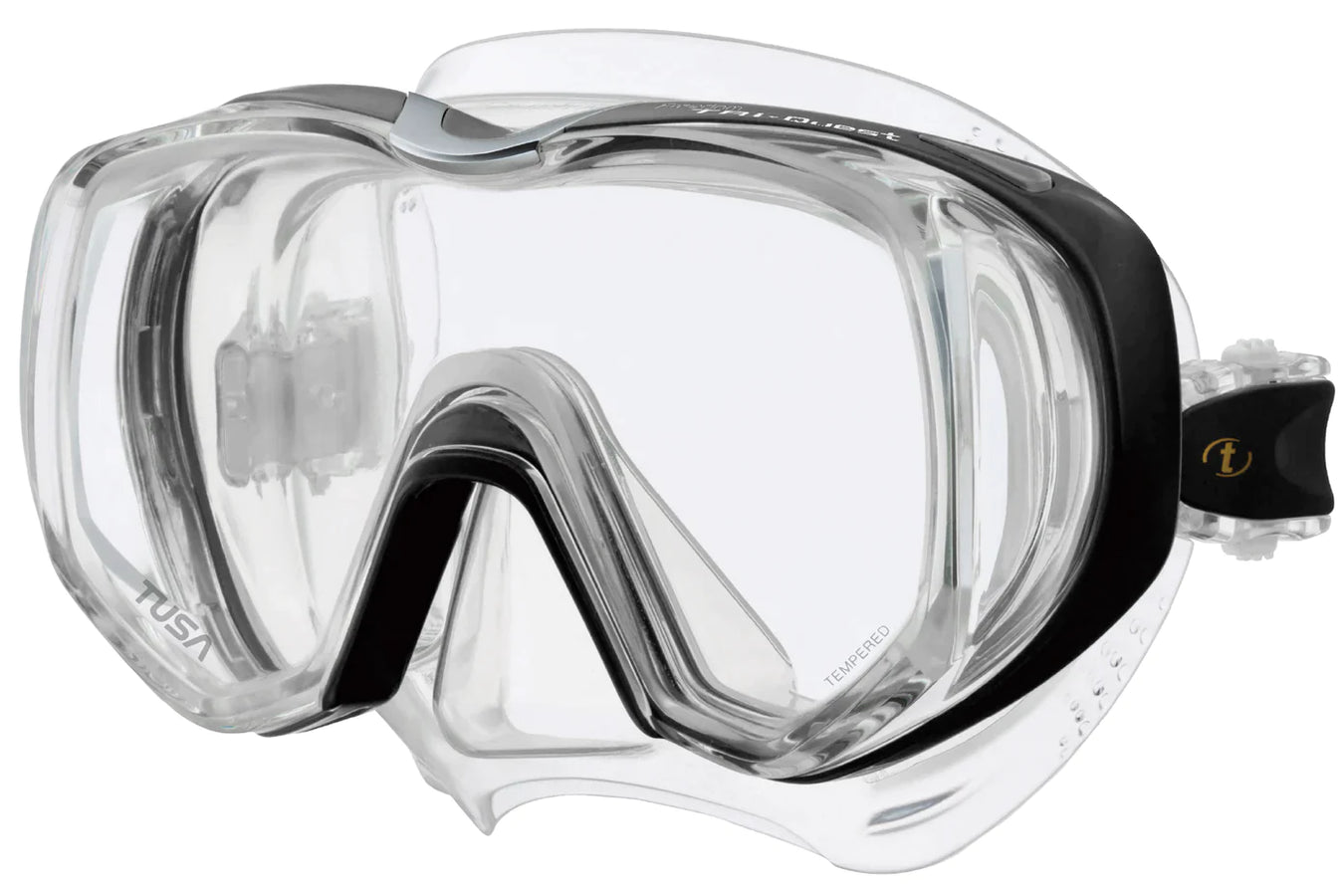
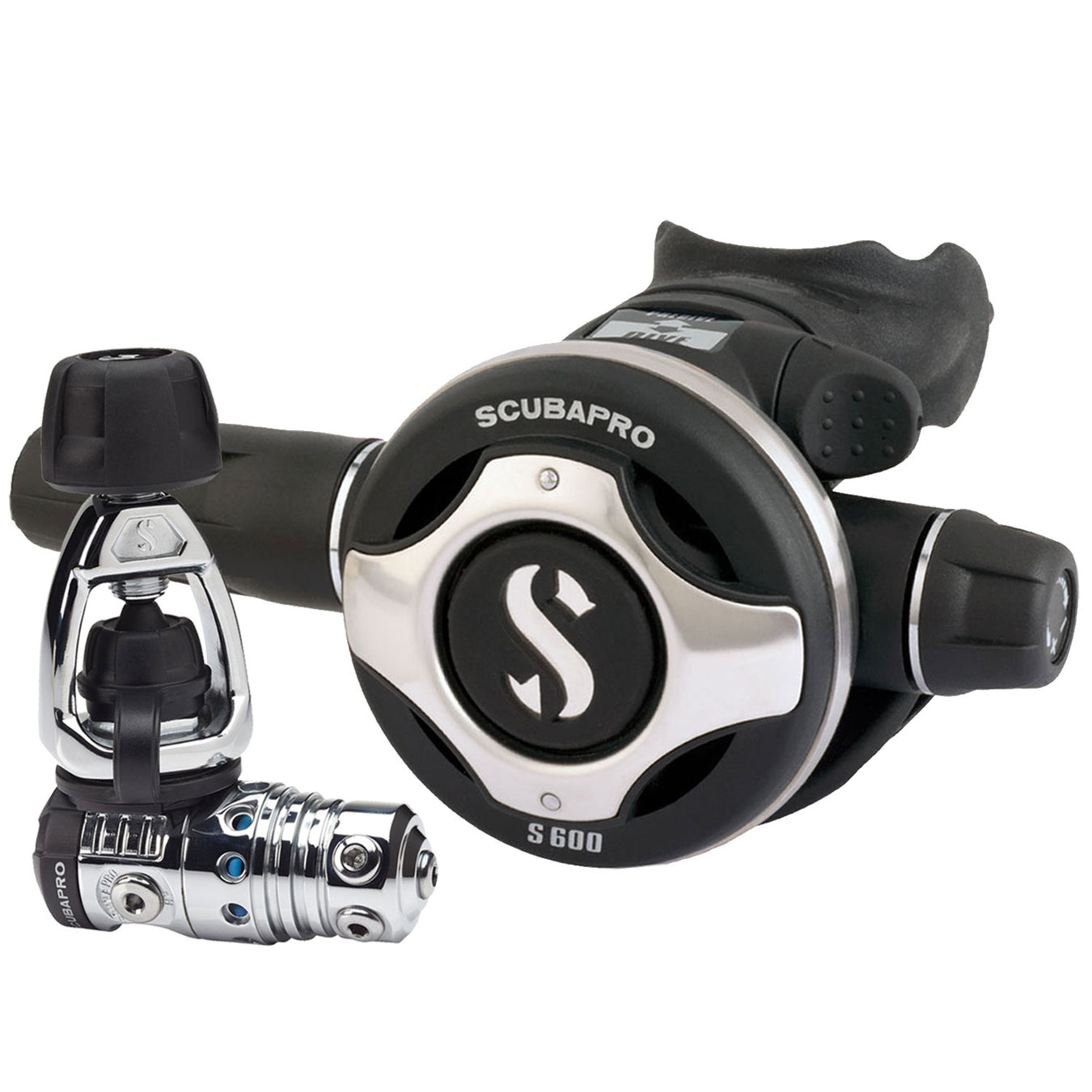
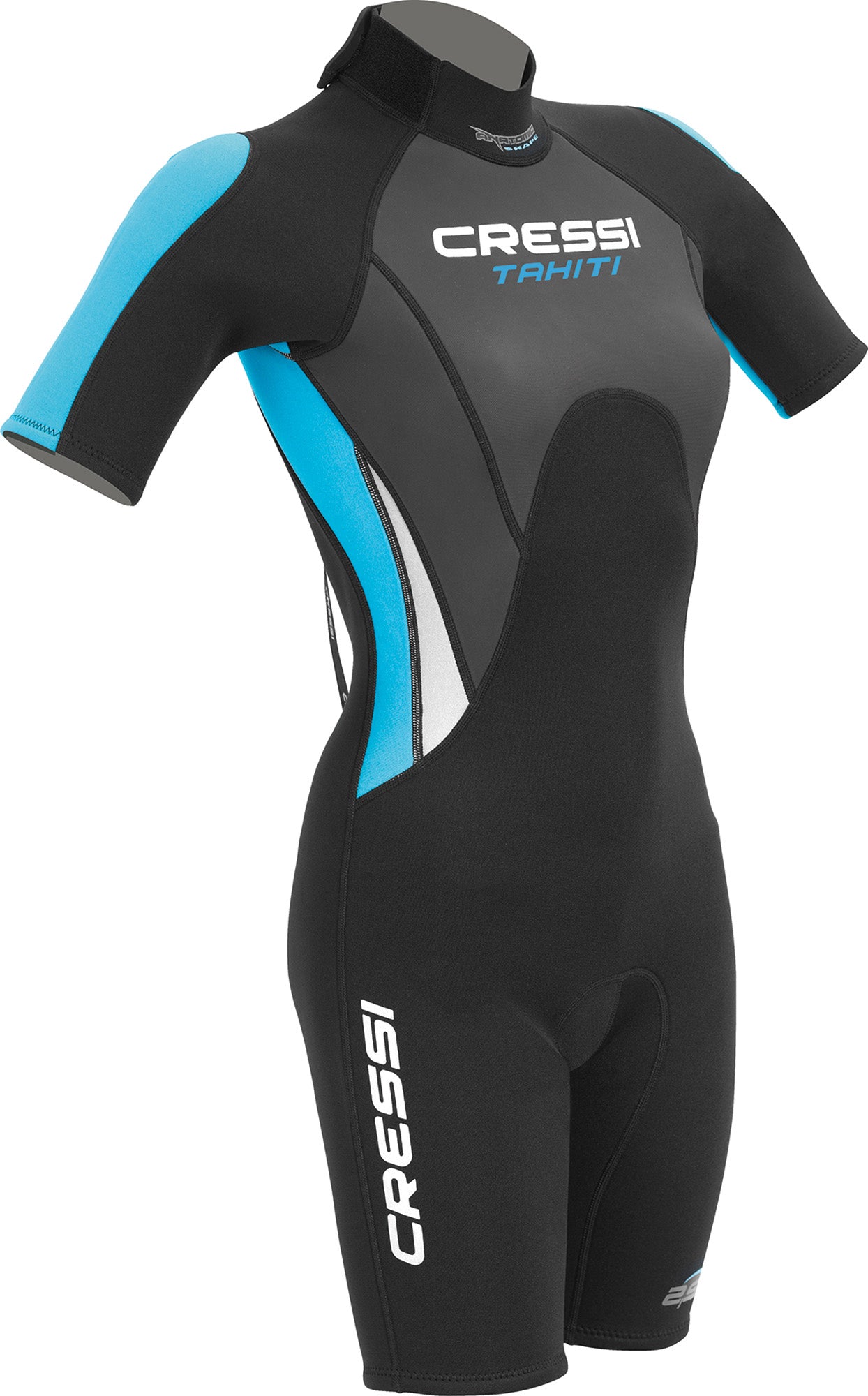
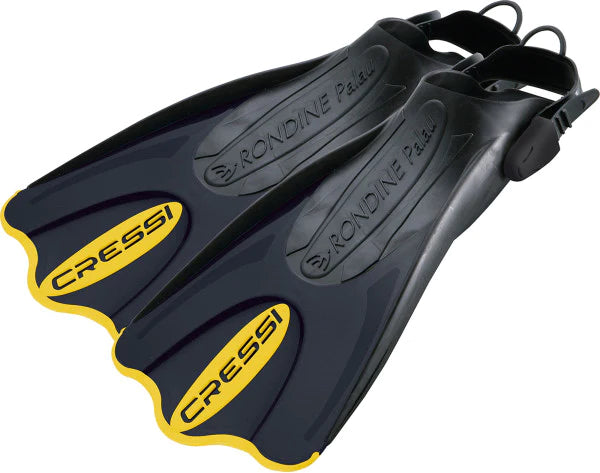
Before embarking on your scuba diving journey, it's crucial to invest in the right gear. While most dive centers provide rental equipment, having your own gear ensures comfort, familiarity, and personalized fit. The essential scuba diving equipment includes a mask, snorkel, fins, wetsuit, buoyancy control device (BCD), regulator, dive computer, and weights.
When selecting gear, consider factors such as fit, quality, and maintenance requirements. Properly fitting equipment enhances your comfort underwater and contributes to a safer and more enjoyable diving experience. Additionally, maintaining your gear according to manufacturer guidelines ensures its longevity and performance.
The road to certification is an immersive experience that varies in duration based on several factors, including the chosen certification agency, the learning format, and the individual's pace of learning.
Scuba certification courses are structured to provide a balanced mix of academic learning, skill development in confined water, and practical experience in open water settings. The academic portion covers diving theory and safety principles, which can be completed online, in a classroom, or through a combination of both.
Confined water sessions focus on mastering essential diving skills in a controlled environment, preparing you for the final phase of your training: open water dives. These dives are where you apply what you've learned in real diving conditions, under the supervision of an instructor.
The duration of the certification process can vary widely. Most beginners can expect to complete their Open Water Diver certification in as little as a few days to several weeks. Intensive weekend courses are popular among those with limited time, offering a fast track to certification through full-day sessions. Alternatively, a more relaxed pace with evening classes spread over several weeks may suit those looking for a less intensive experience.
Ultimately, the time it takes to get certified depends on your commitment, availability, and learning preferences. It's important to choose a pace that allows you to fully absorb the material and develop confidence in your diving skills.
One of the fundamental skills in scuba diving is mastering buoyancy control. Achieving neutral buoyancy allows you to hover effortlessly in the water, conserve energy, and protect the marine environment from accidental damage. Proper buoyancy control involves adjusting your weight system, breathing technique, and body position to maintain a stable and controlled underwater posture.
Practicing buoyancy control not only enhances your diving skills but also contributes to a safer and more enjoyable diving experience. Dive instructors often emphasize the importance of buoyancy control in diver training, highlighting its role in protecting fragile marine ecosystems and improving overall dive efficiency.
Obtaining your Open Water Diver certification is just the beginning of a lifelong adventure. The diving world is filled with opportunities to further your education, specialize in different types of diving, and explore new depths.
After earning your initial certification, you can continue your diving education by pursuing advanced courses. The Advanced Open Water Diver course, for example, allows you to explore specialized diving activities such as deep diving, underwater navigation, and night diving. This course is designed to build on the skills learned in the Open Water Diver course, offering a deeper understanding of diving and opening up new diving opportunities.
Specialty courses offer the chance to specialize in areas of interest, such as wreck diving, underwater photography, or search and recovery. These courses provide focused training, enabling divers to hone their skills and explore specific aspects of diving that fascinate them.
Underwater photography is a popular specialization among divers who want to capture the beauty and magic of the underwater world. Whether you're documenting marine life, coral reefs, or underwater landscapes, underwater photography allows you to share your diving experiences with others and preserve memories for a lifetime.
Mastering underwater photography requires not only diving and photography skills but also an understanding of light, composition, and marine behavior. Investing in the right underwater camera equipment, such as a waterproof housing and strobes, is essential for capturing high-quality images in the challenging underwater environment.
Becoming a certified diver is more than just earning a license; it's about joining a community of adventurers who share a passion for the underwater world. Certification opens up a realm of possibilities, from exploring coral reefs and encountering marine life to discovering sunken ships and contributing to ocean conservation.
With a scuba license in hand, the ocean becomes a playground of endless discovery. Each dive offers the chance to experience the weightlessness of underwater flight, witness the vibrant colors of coral gardens, and come face-to-face with fascinating marine creatures. The thrill of exploration and the beauty of the underwater world are rewards that keep divers coming back for more.
As a certified diver, you also have the opportunity to contribute to the preservation of marine ecosystems. Participating in coral reef restoration projects, collecting data for marine research, or simply adhering to responsible diving practices can make a significant difference in the health of our oceans. Diving with a purpose not only enriches your diving experience but also helps ensure that future generations can enjoy the beauty of the underwater world.
In conclusion, the journey to obtaining a scuba license is an adventure that offers far more than the ability to breathe underwater. It's a gateway to a lifetime of exploration, learning, and contribution to the marine environment. Whether you're drawn to the thrill of adventure, the beauty of the underwater world, or the camaraderie of the diving community, becoming a certified diver is a step towards experiencing the wonders of the ocean in ways you've never imagined.
Ready to dive into the world of scuba? Lancaster Scuba is your trusted partner on this exhilarating journey. With our expert diving instruction and a wide selection of top-quality equipment, we're here to ensure your underwater experiences are unforgettable. Embrace the "Gear. Dive. Travel." lifestyle and gear up for your next dive with us. Whether you're just starting out or looking to expand your diving horizons, our PADI certification courses and specialty offerings like Spearfishing will set you up for success. And when you're ready to explore new waters, join us on one of our exciting dive trips, from the hidden gems of local quarries to the exotic waters of Cozumel and beyond. Check out our scuba gear today and take the first step towards a lifetime of underwater adventure!


{"one"=>"Select 2 or 3 items to compare", "other"=>"{{ count }} of 3 items selected"}