

Exploring the Depths: Spearfishing in San Diego
Dive into the exhilarating world of spearfishing in San Diego! Discover the best spots, techniques, and gear for an unforgettable underwater adventure.
Read now
In the realm of underwater exploration, the allure of the ocean's hidden mysteries beckons adventurers and thrill-seekers alike. The first step into this captivating world is often through scuba certification, a gateway to the wonders beneath the waves. But what does this journey entail, and more importantly, how much is it to get scuba certified? This exploration is not just about numbers; it's about understanding the value behind the certification and the doors it opens to the vast, uncharted territories of our blue planet.
Scuba certification is more than a mere card; it's a testament to the bearer's commitment to safety, education, and environmental stewardship. The process involves theoretical learning, confined water dives, and open water dives, each designed to equip the diver with the necessary skills and knowledge for safe and enjoyable underwater adventures.
The journey begins with the Open Water Diver certification, the most recognized entry-level certification worldwide. This certification serves as the foundation, introducing divers to basic scuba skills and safety protocols. Following this, divers can pursue advanced certifications, such as Advanced Open Water Diver, Rescue Diver, and various specialty certifications, each unlocking new depths, environments, and experiences.
Advanced certifications not only offer the thrill of exploration but also emphasize the importance of continued education and responsibility towards the marine environment. These courses are designed to challenge and inspire divers, encouraging a lifelong commitment to learning and adventure.
The cost of getting scuba certified can vary widely depending on several factors, including location, dive center, and the type of certification. Generally, the Open Water Diver certification can range from $350 to $500. This fee typically covers the cost of instruction, rental equipment, course materials, and certification fees. However, it's important to note that additional costs, such as travel and accommodation for dive trips, may apply.
Advanced certifications and specialty courses can vary in cost, reflecting the level of expertise and resources required. These courses not only further a diver's skills but also contribute to their growth as a responsible and informed member of the diving community.
While the cost of scuba certification is an important consideration, it's essential to recognize the value it brings. Certification opens up a world of adventure, allowing divers to explore the mysteries of the ocean with confidence and safety.
At the heart of scuba certification is a commitment to safety and education. The training prepares divers to handle various underwater conditions and emergencies, ensuring that each dive is not only enjoyable but also safe. This emphasis on education and preparedness is invaluable, not only in diving but in all aspects of life.
Moreover, certification courses instill a deep respect for the marine environment, teaching divers the importance of conservation and responsible diving practices. This awareness is crucial in preserving the beauty and diversity of underwater ecosystems for future generations.
For many, scuba certification is the beginning of a lifelong adventure, offering endless opportunities to explore the hidden wonders of our world. From the vibrant coral reefs teeming with life to the haunting beauty of sunken shipwrecks, the ocean holds countless stories waiting to be discovered.
Each dive is an opportunity to experience the thrill of exploration, to witness the majestic beauty of marine life, and to be part of a community that shares a passion for adventure and discovery. The cost of certification pales in comparison to the priceless experiences and memories that await beneath the waves.
In conclusion, the cost of scuba certification is an investment in oneself, in adventure, and in the preservation of our planet's most precious resource—the ocean. It's an entry ticket to a world of unparalleled beauty and mystery, a commitment to personal growth and safety, and a passport to a global community of like-minded adventurers.
As we consider the question, "How much is it to get scuba certified?" let us also ponder the value of the experiences, the knowledge, and the connections that certification brings. For those who hear the call of the ocean, scuba certification is not just a cost but a doorway to the adventure of a lifetime.
Before embarking on the thrilling journey of scuba diving, it's crucial to understand the essential dive equipment required for a safe and enjoyable underwater experience. From the basic gear needed for every dive to specialized equipment for advanced divers, each piece plays a vital role in ensuring comfort, safety, and efficiency beneath the waves.
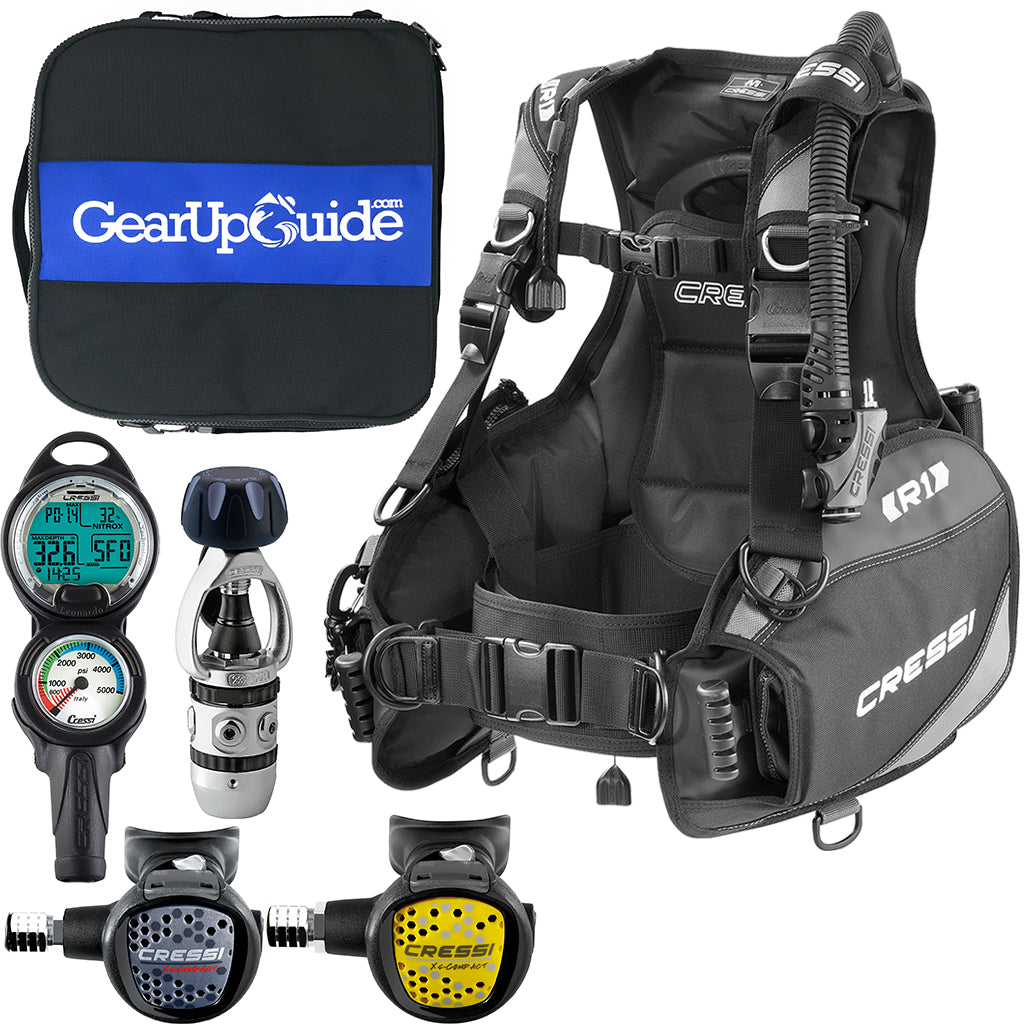
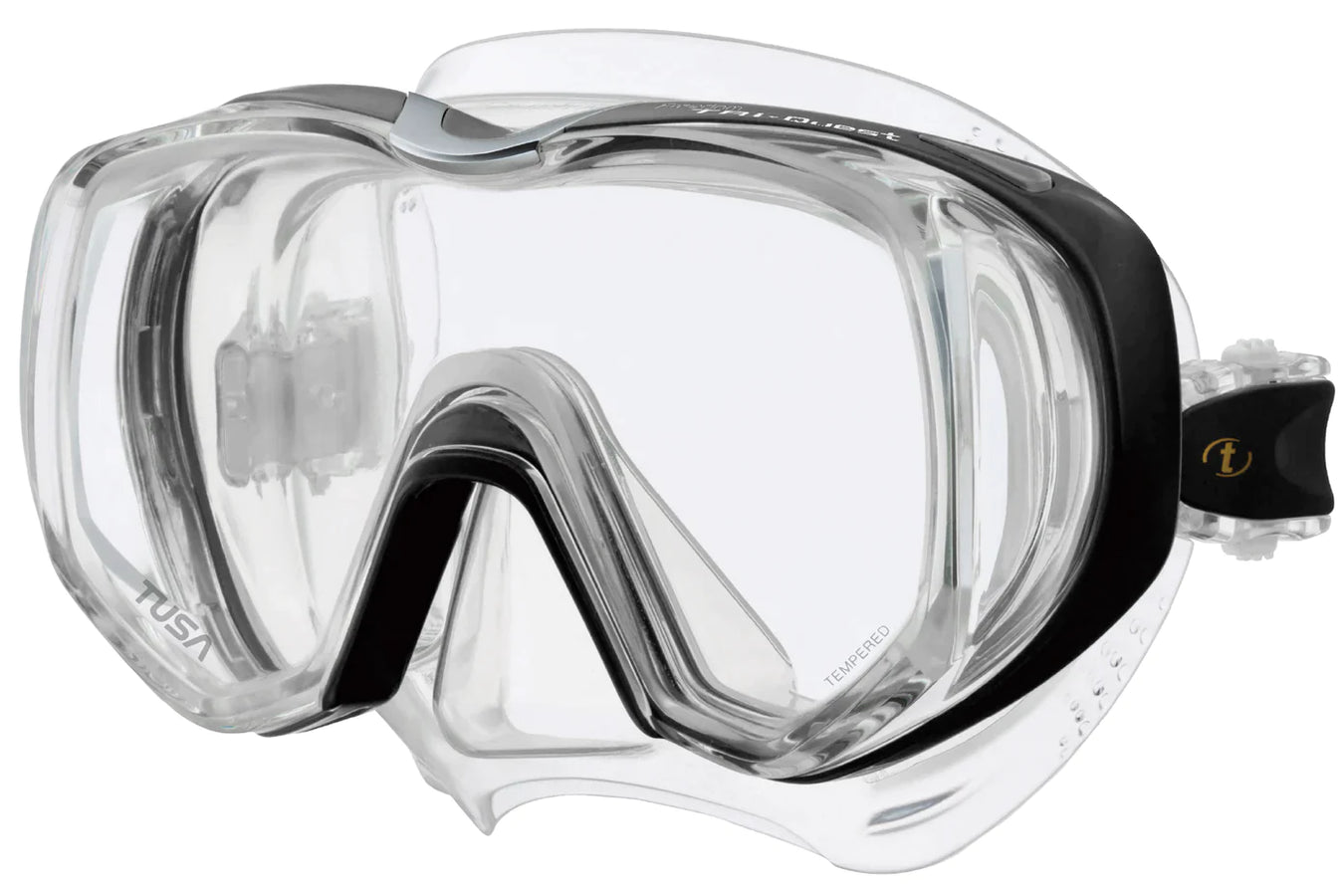
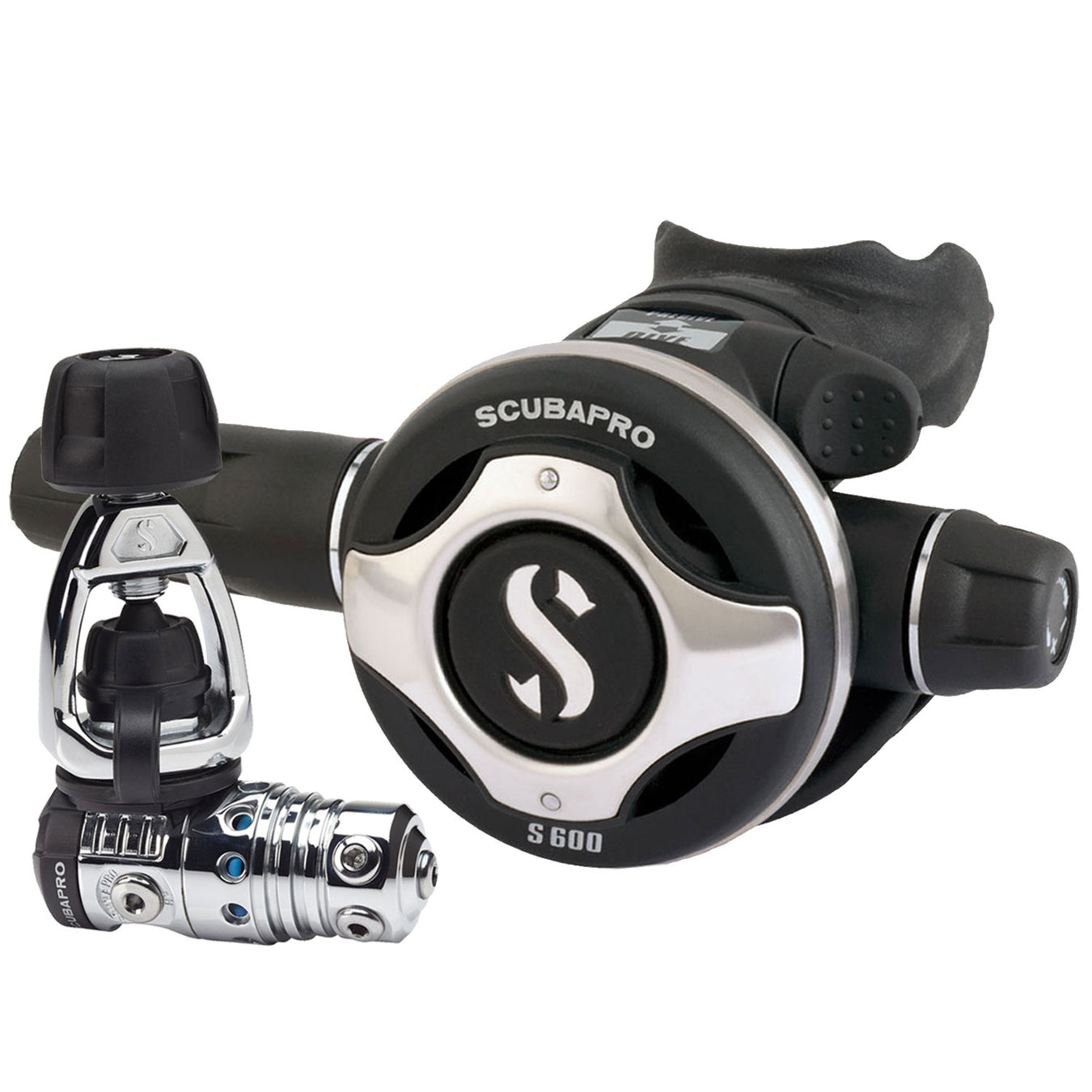
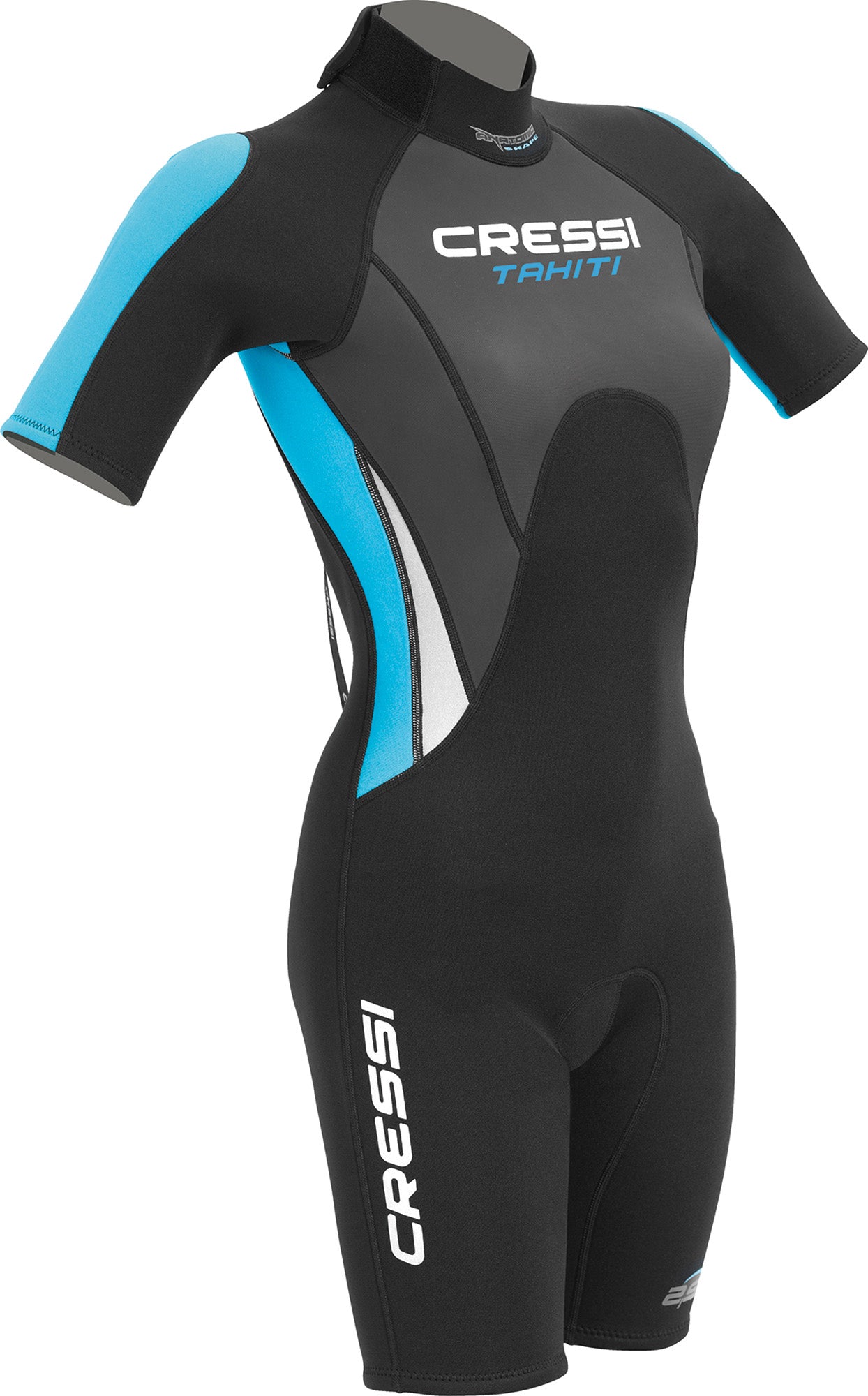
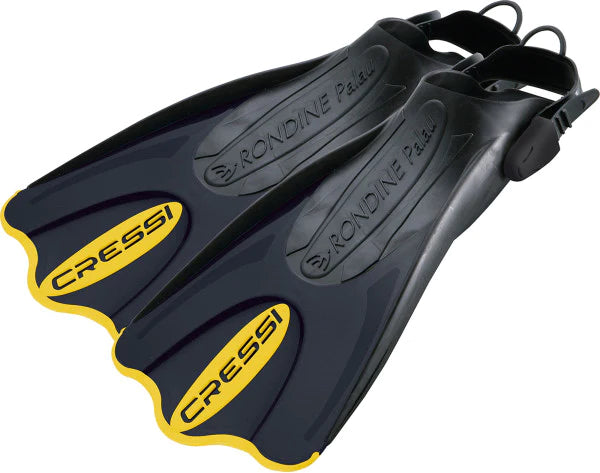
The fundamental dive gear includes a mask, snorkel, fins, wetsuit or drysuit, buoyancy control device (BCD), regulator, and dive computer. The mask provides clear vision underwater, the snorkel allows for surface breathing, and fins enhance propulsion. The wetsuit or drysuit regulates body temperature, while the BCD helps control buoyancy. The regulator delivers air from the tank to the diver, and the dive computer monitors depth, time, and decompression limits.
Each piece of basic dive gear is essential for diver comfort, safety, and efficiency during the dive. Proper maintenance and care of this equipment are crucial to ensure its functionality and reliability on every underwater excursion.
Advanced divers may require specialized equipment based on the type of diving they engage in. For example, underwater photographers and videographers may need camera housing and lighting systems, while technical divers may use redundant gas supplies and dive propulsion vehicles (DPVs). Rebreathers, which recycle exhaled air, are utilized by some divers for extended dive times and reduced gas consumption.
Specialized dive equipment enhances the diving experience by allowing divers to explore specific environments and capture stunning underwater moments. Understanding the functionality and maintenance of specialized gear is essential for safe and successful dives in challenging conditions.
When embarking on the journey to become scuba certified, selecting the right dive center is a crucial decision that can significantly impact the quality of training and overall diving experience. A reputable dive center with experienced instructors, well-maintained equipment, and a strong focus on safety and environmental conservation can make a profound difference in a diver's journey.
When choosing a dive center, divers should consider factors such as instructor qualifications, class sizes, facility amenities, safety protocols, and environmental initiatives. Experienced and knowledgeable instructors can provide comprehensive training and guidance, while small class sizes allow for personalized attention and tailored instruction.
Facilities with well-maintained equipment and comfortable amenities contribute to a positive learning environment, ensuring that divers are equipped with the tools and resources they need for a successful certification journey. Safety protocols and environmental initiatives demonstrate a dive center's commitment to diver well-being and marine conservation, fostering a culture of responsible diving practices.
By carefully evaluating these factors and selecting a dive center that aligns with their values and goals, divers can set themselves up for a rewarding and fulfilling scuba certification experience.
Your journey to becoming a certified diver is just a click away with Lancaster Scuba. With our expert diving instruction and a wide selection of top-quality gear, we're here to ensure your scuba certification experience is seamless and unforgettable. Embrace the "Gear. Dive. Travel." lifestyle and gear up for your underwater explorations. Check out our scuba gear today and take the first step towards a lifetime of aquatic adventures.


{"one"=>"Select 2 or 3 items to compare", "other"=>"{{ count }} of 3 items selected"}