

Exploring the Depths: Spearfishing in San Diego
Dive into the exhilarating world of spearfishing in San Diego! Discover the best spots, techniques, and gear for an unforgettable underwater adventure.
Read now
In the vast expanse of water activities, there lies an experience that combines the thrill of exploration with the beauty of the underwater world—snorkeling. This aquatic adventure allows individuals to glimpse the vibrant life beneath the waves, offering a unique perspective on the planet's diverse ecosystems. Snorkeling is not just about floating on the surface; it's a gateway to understanding the intricate balance of marine life and the importance of conserving our oceans.
At its core, snorkeling is a simple yet profoundly enriching activity. It requires minimal equipment and preparation, making it accessible to adventurers of all ages and skill levels. But beyond its simplicity lies a world teeming with life, colors, and stories waiting to be discovered.
Snorkeling is the practice of swimming through a body of water while equipped with a diving mask, a shaped breathing tube called a snorkel, and usually swim fins. Utilizing this gear, snorkelers can observe underwater attractions for extended periods with relatively little effort and without the complexities of scuba diving.
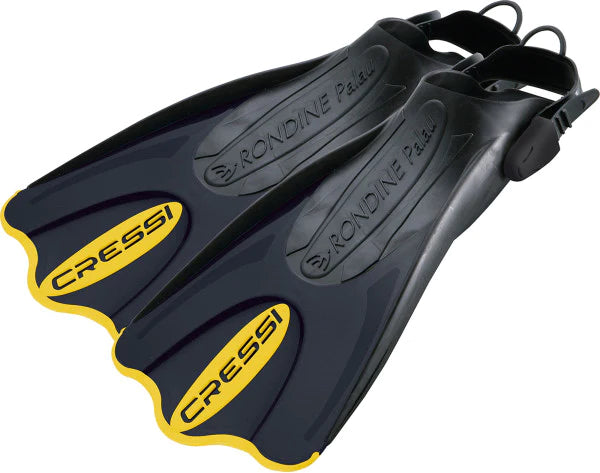
The snorkel, a pivotal component of the snorkeler's equipment, allows the individual to breathe while facing downward in the water, marveling at the scenery below. The diving mask offers a clear window to the underwater world, and the fins provide the means to glide effortlessly over coral reefs and alongside schools of fish.
While snorkeling and scuba diving both offer a view into the marine environment, they cater to different desires and levels of adventure. Snorkeling is often seen as more accessible and less intimidating, requiring no certification and minimal instruction. It's an activity that families can enjoy together, providing an introduction to the wonders of the sea.
The appeal of snorkeling lies in its simplicity and the immediate connection it offers to the natural underwater world. It's an activity that doesn't just entertain but also educates and inspires conservation efforts.
Snorkeling opens up a window to the incredible diversity of life beneath the waves. From the smallest coral polyps to majestic sea turtles, snorkelers can witness the complexity and beauty of marine ecosystems up close.
Every dip beneath the surface is an opportunity for discovery. Snorkelers often describe the exhilaration of encountering marine species in their natural habitat, observing their behaviors, and even identifying new species.
By bringing people face to face with the beauty and fragility of marine ecosystems, snorkeling plays a crucial role in promoting ocean conservation. It's a powerful reminder of the importance of protecting these environments for future generations.
While snorkeling is accessible and generally safe, it's important to approach the activity with respect for the ocean and awareness of potential risks.
Before entering the water, it's crucial to understand the local conditions—currents, tides, and marine life behavior. This knowledge can prevent accidents and ensure a safe snorkeling experience.
Beyond the basic snorkeling equipment, safety gear such as a snorkeling vest can provide buoyancy and visibility. Additionally, waterproof communication devices can enhance safety for snorkelers exploring more remote areas.
Responsible snorkeling involves respecting marine life and habitats. Avoid touching or stepping on coral, maintain a safe distance from wildlife, and follow all local guidelines and regulations.
As snorkeling continues to grow in popularity, its role in marine conservation and education becomes increasingly significant. With advancements in equipment and a growing awareness of the importance of protecting our oceans, snorkeling is set to remain a beloved adventure that connects us more deeply with the natural world.
Technological advancements are making snorkeling even more accessible and enjoyable. From full-face snorkeling masks that offer a 180-degree field of vision to eco-friendly gear made from sustainable materials, the future of snorkeling gear looks promising.
Snorkeling has the power to transform individuals into advocates for the ocean. Through citizen science projects and conservation initiatives, snorkelers can contribute to the protection and restoration of marine ecosystems.
Aside from the sheer enjoyment and wonder that snorkeling brings, it also offers numerous health benefits. The combination of physical activity and relaxation in a natural setting makes snorkeling a fantastic way to improve both physical and mental well-being.
Snorkeling is an excellent cardiovascular exercise, as it engages various muscle groups, including the core, legs, and arms. The continuous movement of swimming against the water's resistance helps to enhance cardiovascular fitness and endurance. Additionally, the low-impact nature of snorkeling makes it suitable for individuals of different fitness levels, including those with joint issues or injuries.
Moreover, being immersed in the underwater world has proven to have calming effects on the mind. The rhythmic breathing required while snorkeling can induce a meditative state, reducing stress and anxiety. The sights and sounds of the marine environment, from colorful fish darting around to the gentle swaying of seaweed, create a serene and tranquil atmosphere that promotes mental relaxation and mindfulness.
Furthermore, snorkeling exposes individuals to natural sunlight, which is a vital source of vitamin D. Sunlight triggers the production of vitamin D in the skin, essential for maintaining healthy bones, supporting the immune system, and improving overall mood. However, it's crucial to practice sun safety while snorkeling by wearing sunscreen, a rash guard, and a wide-brimmed hat to protect the skin from harmful UV rays.
Overall, the combination of physical activity, mental relaxation, and exposure to natural sunlight makes snorkeling a holistic activity that contributes to overall well-being. Whether you're exploring coral reefs in tropical waters or observing marine life in temperate seas, the health benefits of snorkeling make it not just a recreational pastime but a wellness practice that nourishes the body and soul.
When planning a snorkeling adventure, selecting the right destination can enhance the overall experience. Each marine environment offers unique attractions and challenges, catering to different preferences and skill levels.
Tropical destinations like the Maldives, Hawaii, or the Great Barrier Reef in Australia are renowned for their crystal-clear waters, vibrant coral reefs, and diverse marine life. Snorkelers in these regions can encounter colorful fish, sea turtles, and even majestic manta rays, creating unforgettable memories of underwater encounters.
For those seeking colder waters and unique ecosystems, destinations like the Galapagos Islands or Norway's fjords provide opportunities to witness cold-water species such as seals, sea lions, and kelp forests. While the water temperature may be cooler, the biodiversity and distinct underwater landscapes make these destinations a paradise for adventurous snorkelers.
When choosing a snorkeling destination, consider factors such as water visibility, marine biodiversity, safety conditions, and the presence of guided tours or local experts who can enhance your snorkeling experience. Whether you're a beginner or an experienced snorkeler, exploring different destinations can offer a variety of underwater wonders to discover and appreciate.
Now that you're captivated by the essence of snorkeling and eager to explore the underwater realm, Lancaster Scuba is here to equip you for the journey. With our extensive selection of gear, expert diving instruction, and thrilling travel opportunities, we're committed to enhancing your aquatic adventures. Whether you're just starting out or looking to expand your skills with specialty courses, we've got you covered. Check out our scuba gear and embark on your next underwater expedition with confidence and the best equipment available.


{"one"=>"Select 2 or 3 items to compare", "other"=>"{{ count }} of 3 items selected"}