

Exploring the Depths: Spearfishing in San Diego
Dive into the exhilarating world of spearfishing in San Diego! Discover the best spots, techniques, and gear for an unforgettable underwater adventure.
Read now
In the vast, blue expanse of our world's oceans, there lies an ancient practice that has not only survived through centuries but has thrived into a modern adventure sport—spearfishing. This pursuit combines the primal thrill of the hunt with the serene beauty of the underwater world. Yet, as with any adventure that beckons, it comes with its own set of rules and guidelines, particularly concerning the age at which one can start this journey. Let's dive into the depths of understanding how old you have to be to embark on the spearfishing adventure.
Understanding the age requirements for spearfishing is not just about adhering to regulations; it's about ensuring safety and fostering a responsible attitude towards marine conservation. The age at which one can start spearfishing varies by region, reflecting the local governance on marine activities and the overarching principles of safety and environmental stewardship.
In many parts of the world, the legal age to start spearfishing is often set at 16 years. This age is considered a point at which individuals can comprehend and adhere to safety protocols, and possess a certain level of physical strength and mental maturity required for underwater hunting. However, some countries and states allow younger enthusiasts to participate in spearfishing, provided they are accompanied by adults or have undergone certified training courses.
For instance, in Australia, the regulations can vary significantly from one state to another, with some areas having no specific age restrictions but requiring supervision for those under 18. In contrast, the United States has a more standardized approach, generally aligning with the minimum age for obtaining a fishing license, which can be as young as 12 in certain states.
Regardless of legal age restrictions, most spearfishing communities and experts advocate for proper certification and training. Such programs are crucial not only for safety but also for educating young spearfishers about sustainable practices and the importance of preserving marine ecosystems. Training courses typically cover essential skills, including freediving techniques, fish identification, and spearfishing equipment handling, ensuring that beginners are well-prepared before they take the plunge.
Certification bodies like the Professional Association of Diving Instructors (PADI) offer specialized courses for young divers, starting from the age of 10 for basic scuba diving skills, with more advanced and specific training available for older teens. This structured approach to learning ensures that by the time young enthusiasts reach the legal age for spearfishing, they are equipped with the knowledge and skills to engage in the sport safely and responsibly.
Spearfishing is an exhilarating sport, but it comes with its inherent risks. Understanding and mitigating these risks is paramount, especially for younger divers who are just beginning to explore the underwater world.
The physical demands of spearfishing require a good level of fitness and health. The sport involves swimming, often in open water, and the ability to hold one's breath for extended periods. For younger individuals, it's important to assess their physical readiness for such activities, with a particular focus on their swimming skills and overall health.
Pre-existing health conditions, such as asthma or heart issues, may pose significant risks when diving. Therefore, a thorough medical check-up is recommended before taking up spearfishing, to ensure that the individual is fit for the sport.
Beyond physical fitness, young spearfishers must be educated about the potential dangers of the sport. This includes understanding how to manage encounters with marine life, navigating strong currents, and dealing with equipment malfunctions underwater. Comprehensive training courses cover these aspects extensively, equipping divers with the knowledge to handle emergencies.
Supervision by experienced divers is also crucial in the early stages of learning. This mentorship provides an additional layer of safety, allowing young divers to gain confidence and experience in a controlled and supportive environment.
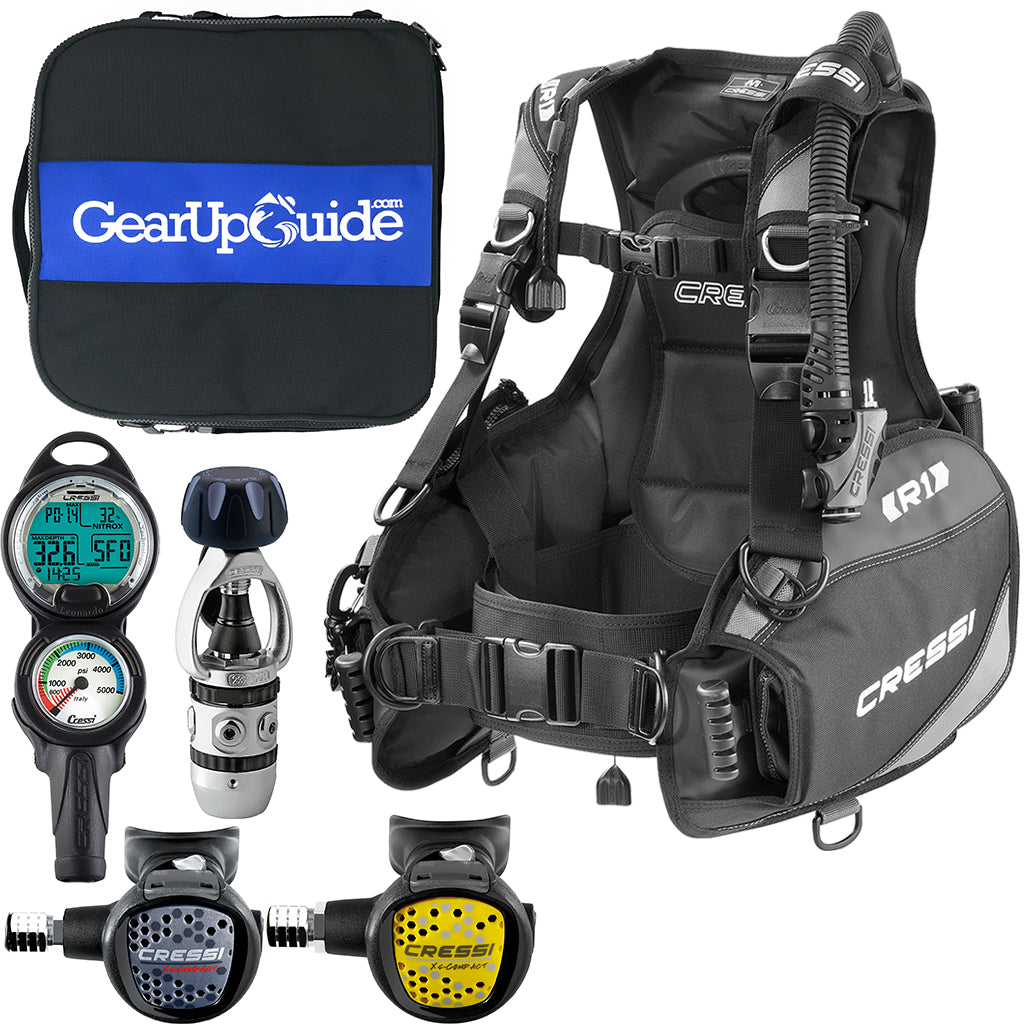
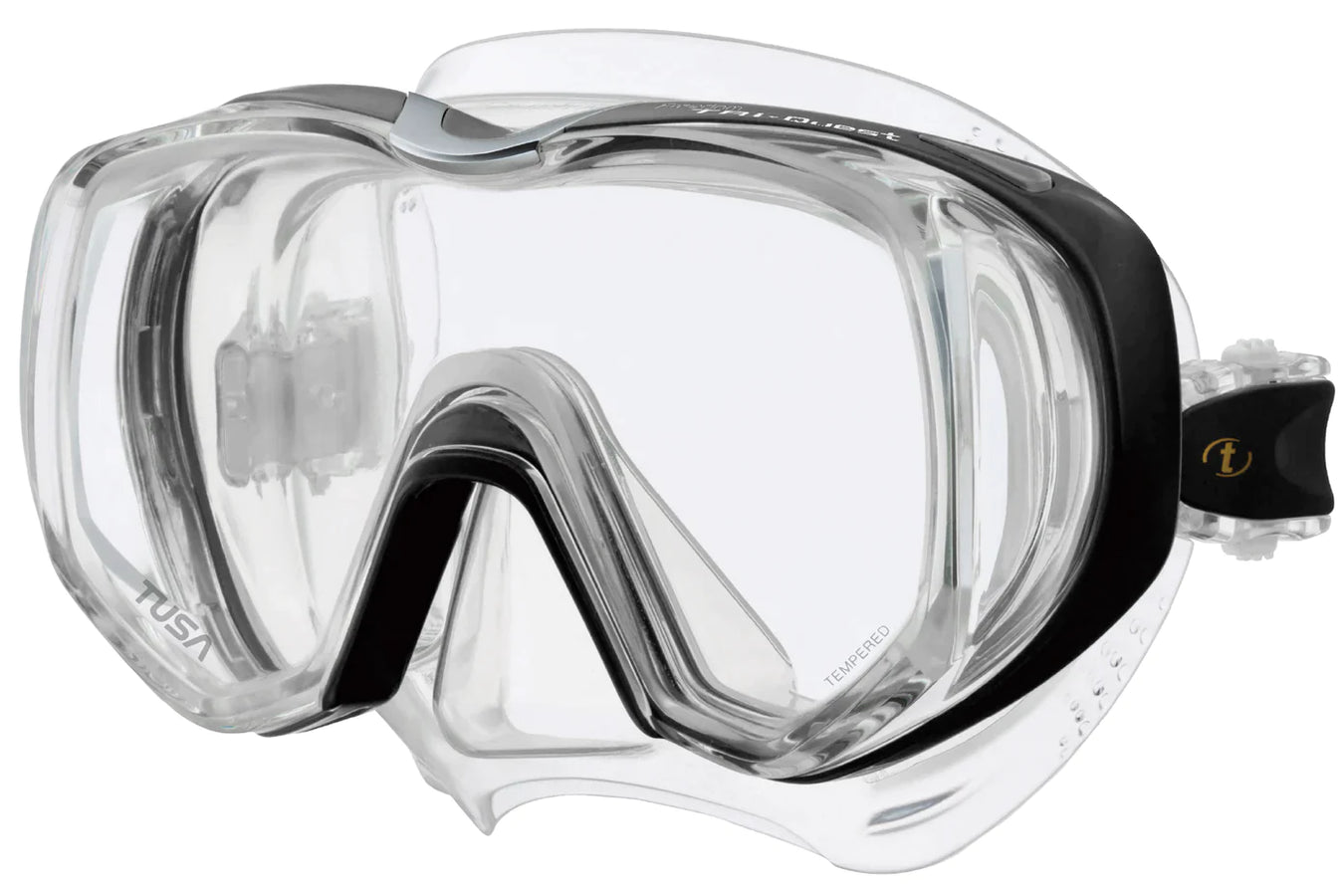
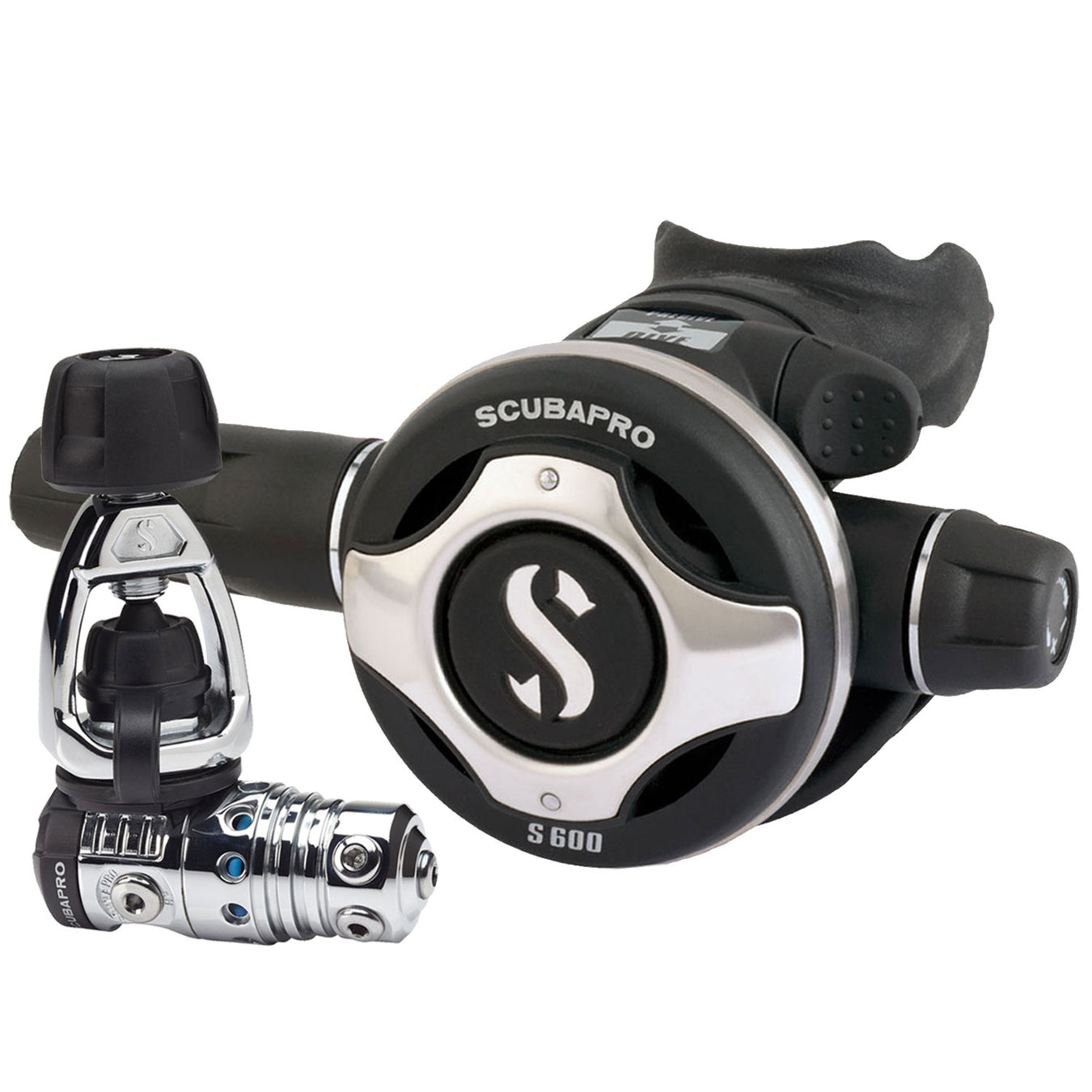
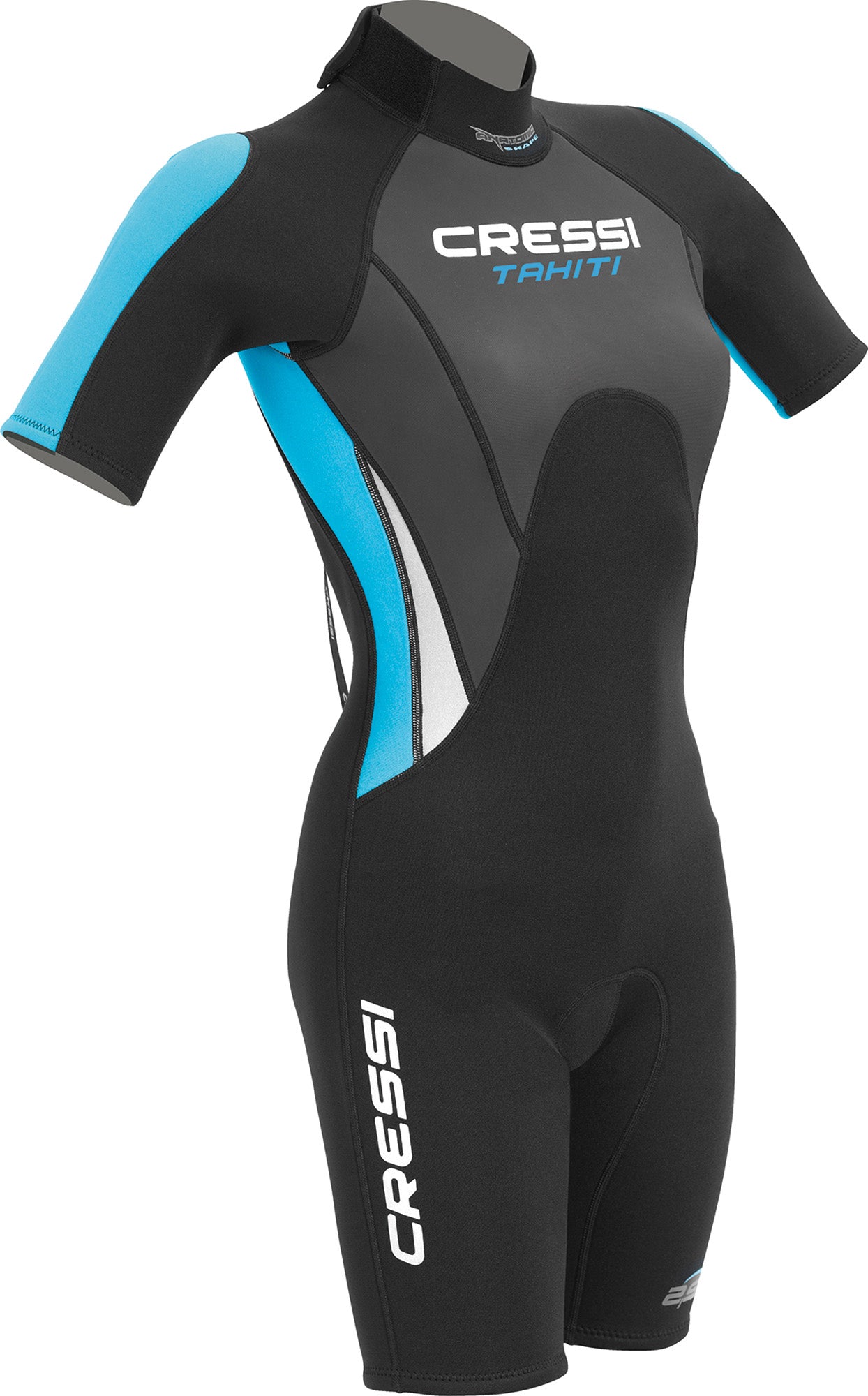
When it comes to spearfishing equipment, ensuring that it is well-maintained and suitable for the task is essential for a safe diving experience. From spearguns to diving masks, each piece of gear plays a crucial role in the diver's ability to navigate the underwater world effectively. Regular equipment checks and maintenance routines are vital practices that every spearfisher, regardless of age, should adopt to ensure their safety and the success of their dives.
As young spearfishers venture into the waters, mastering the techniques and strategies of the hunt becomes a fundamental aspect of their journey. Spearfishing is not just about diving into the depths; it's about honing skills that allow divers to target specific fish species while minimizing impact on the marine environment.
One of the core skills that young spearfishers must develop is proficient freediving. Freediving involves diving underwater without the use of breathing apparatus, relying solely on the diver's ability to hold their breath. Proper breath-holding techniques, relaxation methods, and efficient finning movements are essential components of successful freediving, enabling divers to move gracefully and silently through the water in pursuit of their prey.
Training in freediving not only enhances a diver's hunting capabilities but also contributes to their overall safety by improving breath-holding capacity and underwater comfort. Young enthusiasts are encouraged to undergo formal freediving courses to learn these techniques under the guidance of experienced instructors, ensuring a solid foundation for their spearfishing endeavors.
Responsible spearfishing involves not only catching fish but also making informed decisions about which species to target. Understanding the behavior and characteristics of different fish species is crucial in selecting appropriate targets that align with sustainable fishing practices. By learning to identify fish based on size, shape, and behavior, young spearfishers can make ethical choices that contribute to the conservation of marine ecosystems.
Moreover, selective targeting plays a significant role in maintaining the ecological balance of underwater habitats. By avoiding overfishing and focusing on sustainable harvesting practices, young divers can actively participate in preserving the biodiversity of marine environments for future generations to enjoy.
While spearfishing offers an exciting avenue for underwater exploration, it also serves as a platform for fostering environmental awareness and conservation efforts among young divers. Immersed in the beauty of marine ecosystems, spearfishers have a unique opportunity to witness firsthand the wonders of the underwater world and the importance of protecting it for the future.
Through their interactions with marine life and habitats, young spearfishers develop a profound appreciation for the diversity and interconnectedness of underwater ecosystems. Observing the intricate relationships between different species, from colorful reef fish to majestic pelagics, instills a sense of responsibility towards preserving these fragile environments.
By recognizing the role they play in the delicate balance of marine biodiversity, young divers are inspired to adopt sustainable fishing practices that minimize their impact on underwater ecosystems. This awareness extends beyond the thrill of the hunt, transforming spearfishing into a meaningful journey of exploration and conservation.
Engaging in spearfishing from a young age opens doors to various conservation initiatives and community engagement opportunities. Many spearfishing organizations and clubs actively participate in marine conservation projects, such as reef restoration, marine debris clean-ups, and habitat protection efforts.
By joining these initiatives, young divers not only contribute to tangible conservation outcomes but also become ambassadors for marine stewardship within their communities. Through education, outreach, and hands-on conservation work, they inspire others to value and protect the oceans, ensuring a sustainable future for marine environments and the species that call them home.
Participating in conservation-focused events and activities also allows young spearfishers to connect with like-minded individuals who share their passion for the underwater world. Building a network of conservation-minded peers creates a supportive community where knowledge is shared, experiences are celebrated, and collective efforts are made towards safeguarding marine ecosystems for generations to come.
While the focus on age, safety, and training is essential, it's also important to highlight the incredible opportunities that spearfishing offers. This sport is not just about the thrill of the hunt; it's a gateway to underwater exploration, a way to connect with nature, and a path to personal growth.
Engaging in spearfishing from a young age fosters a deep appreciation for marine ecosystems and the importance of conservation. Ethical spearfishing practices, such as targeting only certain species and adhering to size and bag limits, contribute to sustainable fishing efforts. This aspect of the sport teaches young divers about the delicate balance of marine life and the role they play in preserving it for future generations.
Like many adventure sports, spearfishing is about the community it builds. For young divers, being part of a spearfishing community offers a sense of belonging and an opportunity to share experiences and learn from others. It's a platform for mentorship, where seasoned spearfishers can pass down their knowledge and passion to the next generation.
In conclusion, the question of how old one has to be to spearfish is intertwined with considerations of safety, education, and a respect for the marine environment. While the legal age may vary, the journey into spearfishing is one that begins with preparation and learning. For those young adventurers eager to explore the depths, spearfishing offers not just an adventure, but a lifelong path of discovery, conservation, and camaraderie.
Ready to plunge into the world of spearfishing? Lancaster Scuba is your gateway to the underwater adventure. With our extensive selection of gear, expert diving instruction, and thrilling dive trips, we're here to ensure your spearfishing experience is unforgettable. Whether you're a beginner or a seasoned diver, our PADI-certified courses, including Spearfishing speciality, will equip you with the skills you need. Check out our scuba gear today and join a community passionate about diving, conservation, and exploration. Gear up, dive in, and let the adventure begin!


{"one"=>"Select 2 or 3 items to compare", "other"=>"{{ count }} of 3 items selected"}