

Exploring the Depths: Spearfishing in San Diego
Dive into the exhilarating world of spearfishing in San Diego! Discover the best spots, techniques, and gear for an unforgettable underwater adventure.
Read now
In the vast and thrilling world of scuba diving, a question often bubbles up to the surface among beginners and seasoned divers alike—do you wear clothes under a wetsuit? This inquiry, seemingly simple, opens the door to a deeper understanding of diving comfort, safety, and the nuances that make each dive not just a plunge into the ocean but an adventure into the unknown. Let's dive deeper into the layers of this question, exploring the fabric of choices divers have and how these choices impact the overall diving experience.
Before unraveling the question at hand, it's crucial to understand the purpose and design of a wetsuit. Crafted to insulate and protect, wetsuits are more than just attire; they are a diver's first line of defense against the ocean's embrace. The science behind a wetsuit's neoprene material lies in its ability to trap a thin layer of water between the suit and the skin, which is then warmed by the body, creating an insulating barrier against the cold.
Neoprene, the heart of a wetsuit's construction, is a type of synthetic rubber that boasts excellent insulation properties. The thickness of the neoprene varies, typically ranging from 2mm to 8mm, to accommodate different water temperatures. This variance in thickness is a testament to the adaptability of wetsuits, designed to offer warmth in waters that range from mildly cool to near freezing.
Moreover, the design of a wetsuit is meticulously engineered to minimize water entry and maximize flexibility. Features such as sealed seams, zippers, and adjustments in fit ensure that each diver can find a suit that not only protects but enhances their underwater journey.
The primary role of a wetsuit in ensuring diver safety cannot be overstated. By providing thermal protection, wetsuits guard against hypothermia, a risk that even in moderate water temperatures can turn a dive into a dangerous endeavor. Additionally, the protective layer of a wetsuit shields the skin from abrasions, stings, and other underwater hazards, making it an indispensable tool in a diver's safety arsenal.
Comfort, too, is a critical consideration. The right wetsuit fits like a second skin, offering both warmth and flexibility. This balance is crucial for enabling divers to move freely, whether they're exploring a coral reef or navigating through a shipwreck.
With the foundational understanding of a wetsuit's purpose, we now return to the core question—do you wear clothes under a wetsuit? The answer is nuanced, influenced by personal preference, diving conditions, and the type of wetsuit. Let's explore the layers of considerations that divers face when making this choice.
For many divers, the decision to wear or not wear clothing under a wetsuit boils down to personal comfort. Some divers opt for a layer of clothing, such as a swimsuit or specially designed dive skins, to add a layer of comfort and ease when donning and doffing the wetsuit. Others prefer the simplicity of wearing nothing under the wetsuit, finding it more comfortable and less cumbersome.
It's important to note that whatever choice is made, comfort should never compromise safety. The fit of the wetsuit must remain snug yet flexible, ensuring that the diver can move freely and that the suit performs its thermal protection role effectively.
Hygiene is another factor that influences the choice of wearing undergarments beneath a wetsuit. Some divers find that a layer of clothing under the wetsuit can help maintain personal hygiene, especially when renting or sharing wetsuits. Additionally, for long dive days or multiple dives, having the option to change undergarments can provide a fresh and clean feeling throughout the diving experience.
Practicality also plays a role, particularly in terms of changing in and out of wetsuits in public or shared spaces. Undergarments can offer a level of privacy and convenience in these situations, making the transition between dives more comfortable and socially considerate.
The diving environment and the type of wetsuit also significantly impact the decision to wear clothes underneath. In colder waters, where thicker wetsuits are necessary, some divers choose to wear thermal layers designed for diving to enhance warmth. Conversely, in warmer climates, a light swimsuit or dive skin under a thinner wetsuit may suffice for comfort without compromising the suit's thermal efficiency.
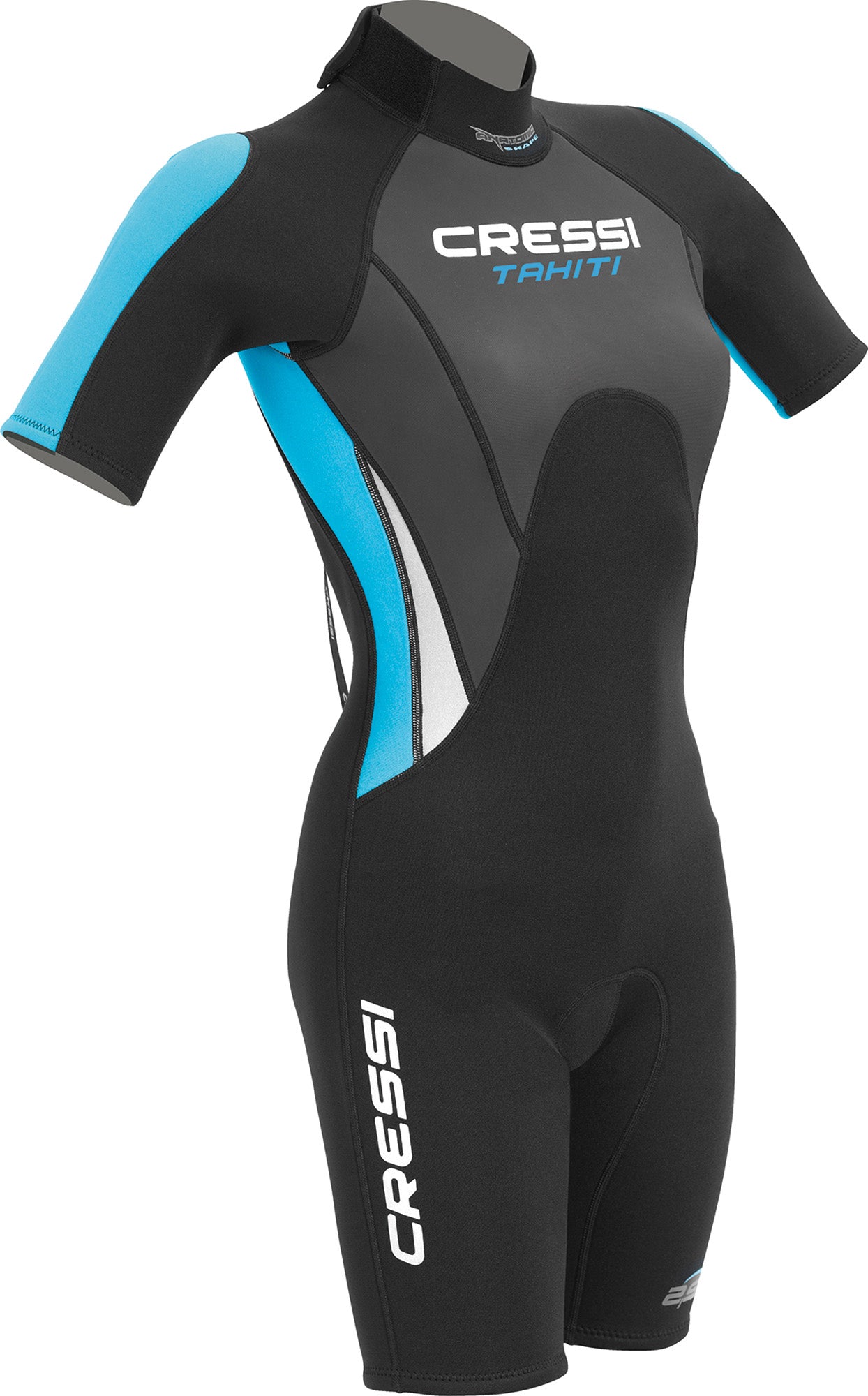
The type of wetsuit—be it a full suit, shorty, or a two-piece—can also dictate the practicality and comfort of wearing undergarments. Each style offers different levels of coverage and warmth, influencing what, if any, clothing might be worn underneath.
As the popularity of diving continues to grow, so does the concern for the environmental impact of wetsuits. Neoprene, the primary material used in wetsuit production, is a synthetic rubber derived from petroleum. The manufacturing process of neoprene involves energy-intensive procedures, raising questions about the sustainability of wetsuit production.
Efforts are being made to develop eco-friendly alternatives to traditional neoprene, such as bio-based rubber and recycled materials. These innovations aim to reduce the carbon footprint of wetsuits and lessen their environmental impact. Divers are increasingly seeking out wetsuit brands that prioritize sustainability, aligning their passion for the ocean with environmentally conscious choices.
When deciding whether to wear clothes under a wetsuit, the choice of undergarments plays a crucial role in enhancing comfort and performance. Dive-specific undergarments, such as rash guards, dive skins, and thermal layers, are designed to complement the wetsuit and improve the overall diving experience.
Rash guards, typically made from quick-drying and breathable materials, offer protection against sun exposure and abrasions. They can be worn under a wetsuit to prevent chafing and provide an additional layer of insulation. Dive skins, on the other hand, are form-fitting suits that reduce drag in the water and can be used alone in warm conditions or as a base layer in colder waters.
Both rash guards and dive skins come in a variety of styles and thicknesses, allowing divers to customize their undergarments based on personal preference and diving conditions. These garments not only enhance comfort but also contribute to the longevity of the wetsuit by reducing wear and tear.
In colder water environments, thermal layers are essential for maintaining body heat and extending dive times. These undergarments, often made from materials like fleece or merino wool, provide additional insulation without adding bulk. By trapping a layer of warm air against the skin, thermal layers enhance the wetsuit's thermal efficiency and keep divers comfortable in chilly waters.
When choosing thermal layers, divers should consider the water temperature, duration of the dive, and their own cold tolerance. Layering appropriately can make a significant difference in overall warmth and comfort, allowing divers to enjoy longer and more enjoyable dives in varying conditions.
In the end, whether to wear clothes under a wetsuit is a decision that dives deep into personal preference, practical considerations, and the specific circumstances of each dive. What remains constant, however, is the wetsuit's role as an essential companion in the diver's quest for adventure, safety, and the exploration of the underwater world. As divers, the choices we make, from the gear we select to the clothes we (or don't) wear underneath, are all threads in the larger tapestry of our diving experiences—each dive a unique story, each choice a reflection of our journey into the depths.
As you consider the personal choice of what to wear under your wetsuit, remember that the right gear can make all the difference in your diving comfort and safety. Lancaster Scuba is here to help you gear up for your underwater adventures. With our extensive selection of scuba and water sports equipment, expert diving instruction, and exciting travel opportunities, we've got you covered from your first dive to your next big trip. Check out our scuba gear and embrace the full spectrum of diving experiences with confidence and style.


{"one"=>"Select 2 or 3 items to compare", "other"=>"{{ count }} of 3 items selected"}