

Exploring the Depths: Spearfishing in San Diego
Dive into the exhilarating world of spearfishing in San Diego! Discover the best spots, techniques, and gear for an unforgettable underwater adventure.
Read now
In the vast, blue expanse of the ocean, where adventure calls through the whisper of the waves, lies the ancient and exhilarating practice of spearfishing. This sport, a blend of skill, patience, and respect for the marine environment, offers an intimate encounter with the underwater world. But before embarking on this aquatic adventure, one pivotal question emerges: Do you need a license to go spearfishing?
Spearfishing is not merely a method of fishing; it is an art form that has been passed down through generations, connecting us with the primal instinct of hunting for sustenance. It requires precision, understanding of the marine ecosystem, and a deep respect for the underwater habitats we temporarily become part of.
The tradition of spearfishing dates back thousands of years, originating as a means of survival. It has evolved from simple wooden spears to sophisticated equipment, allowing modern spearfishers to pursue their quarry with greater efficiency and minimal environmental impact.
Today, spearfishing combines ancient wisdom with modern technology. Divers use pneumatic and band-powered spearguns, carefully selecting their gear to match the environment and target species, ensuring a sustainable practice that honors the ocean's delicate balance.
As with any form of interaction with the natural world, spearfishing is governed by regulations designed to protect marine life and ensure the safety of participants. These rules vary significantly by location, highlighting the importance of familiarizing oneself with local laws before diving in.
Regulations serve a dual purpose: safeguarding marine ecosystems and ensuring spearfishers conduct their activities responsibly. By adhering to these guidelines, spearfishers contribute to the conservation of marine biodiversity, ensuring future generations can also enjoy the wonders of the underwater world.
In many countries, engaging in spearfishing requires a license, a testament to the commitment of both spearfishers and regulatory bodies to uphold the principles of conservation and responsible fishing practices. Licenses often come with educational components, emphasizing safety, ethics, and environmental stewardship.
The process of obtaining a spearfishing license can be seen as the first step in a journey of adventure and environmental awareness. It is an initiation into a community that values the ocean and its inhabitants, pledging to act as guardians for this vital resource.
Obtaining a spearfishing license typically involves a straightforward process: researching local regulations, completing any required educational courses, and submitting an application. This process not only legalizes one's activities but also enriches the spearfisher's understanding of the marine environment.
Education plays a crucial role in the licensing process, equipping spearfishers with the knowledge needed to engage in their sport safely and sustainably. Courses often cover topics such as species identification, safe diving practices, and the importance of adhering to no-take zones.
With a license in hand, the world beneath the waves opens up, offering endless opportunities for adventure, discovery, and connection with the marine world. Spearfishing is not just about the hunt; it's about experiencing the ocean in its purest form, learning its secrets, and becoming a part of its rhythm.
Becoming a licensed spearfisher is a commitment to a lifestyle that values patience, skill, and respect for nature. It's about joining a community of like-minded individuals who share a passion for the ocean and its preservation.
Sustainable spearfishing practices ensure that this ancient tradition can continue for generations to come. By choosing to spearfish responsibly, individuals play a vital role in marine conservation efforts, helping to maintain the health and diversity of ocean ecosystems.
Spearfishing enthusiasts have the opportunity to explore a wide range of underwater environments, each offering unique challenges and rewards. From coral reefs teeming with colorful fish to deep-sea expeditions in search of larger game, the world of spearfishing is as diverse as the ocean itself.
Spearfishing in coral reef ecosystems requires a delicate touch and a keen eye for spotting elusive species. Divers must navigate through intricate coral formations, mindful of the fragile nature of these underwater habitats. Target species in reef environments often include snapper, grouper, and parrotfish.
For those seeking a more adventurous experience, open water spearfishing offers the thrill of hunting pelagic species in the vast expanse of the open ocean. From tuna and mahi-mahi to wahoo and billfish, the challenges of open water spearfishing test the skills and endurance of even the most seasoned spearfishers.
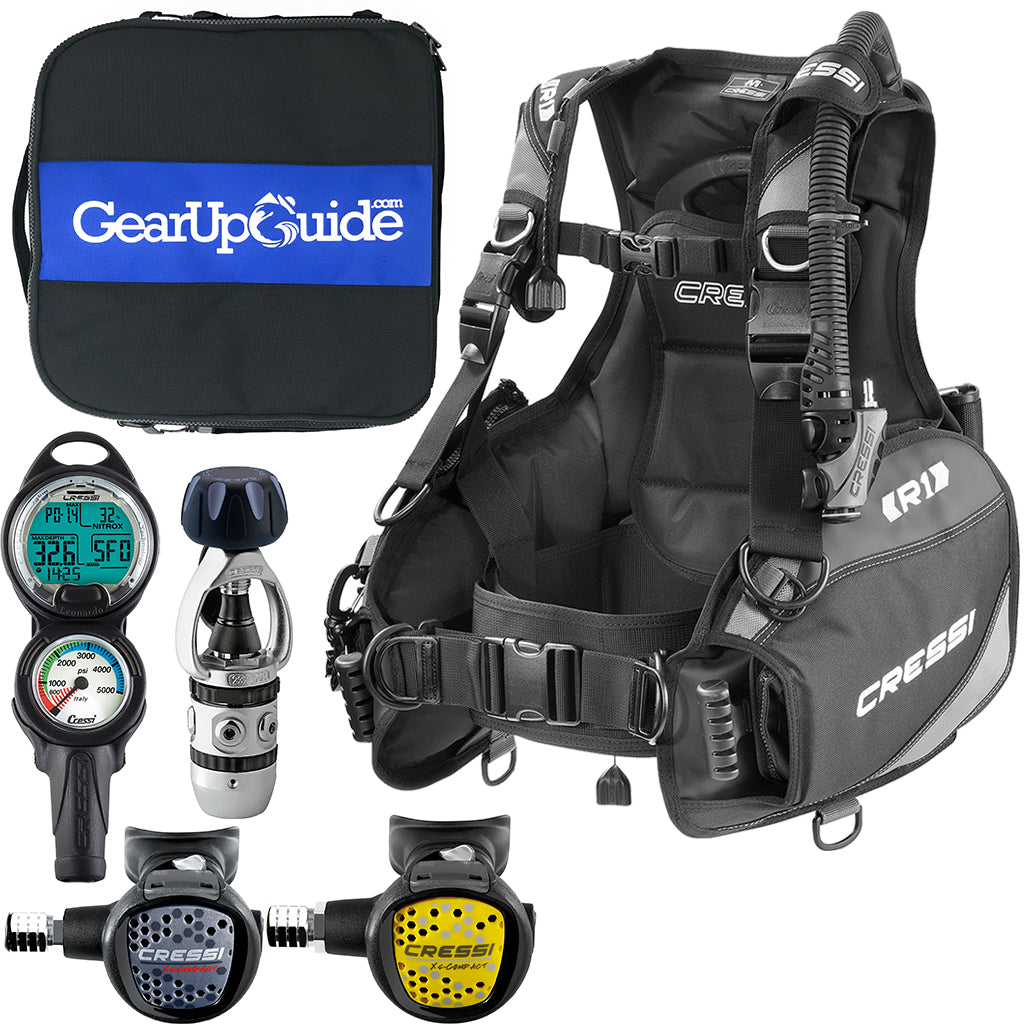
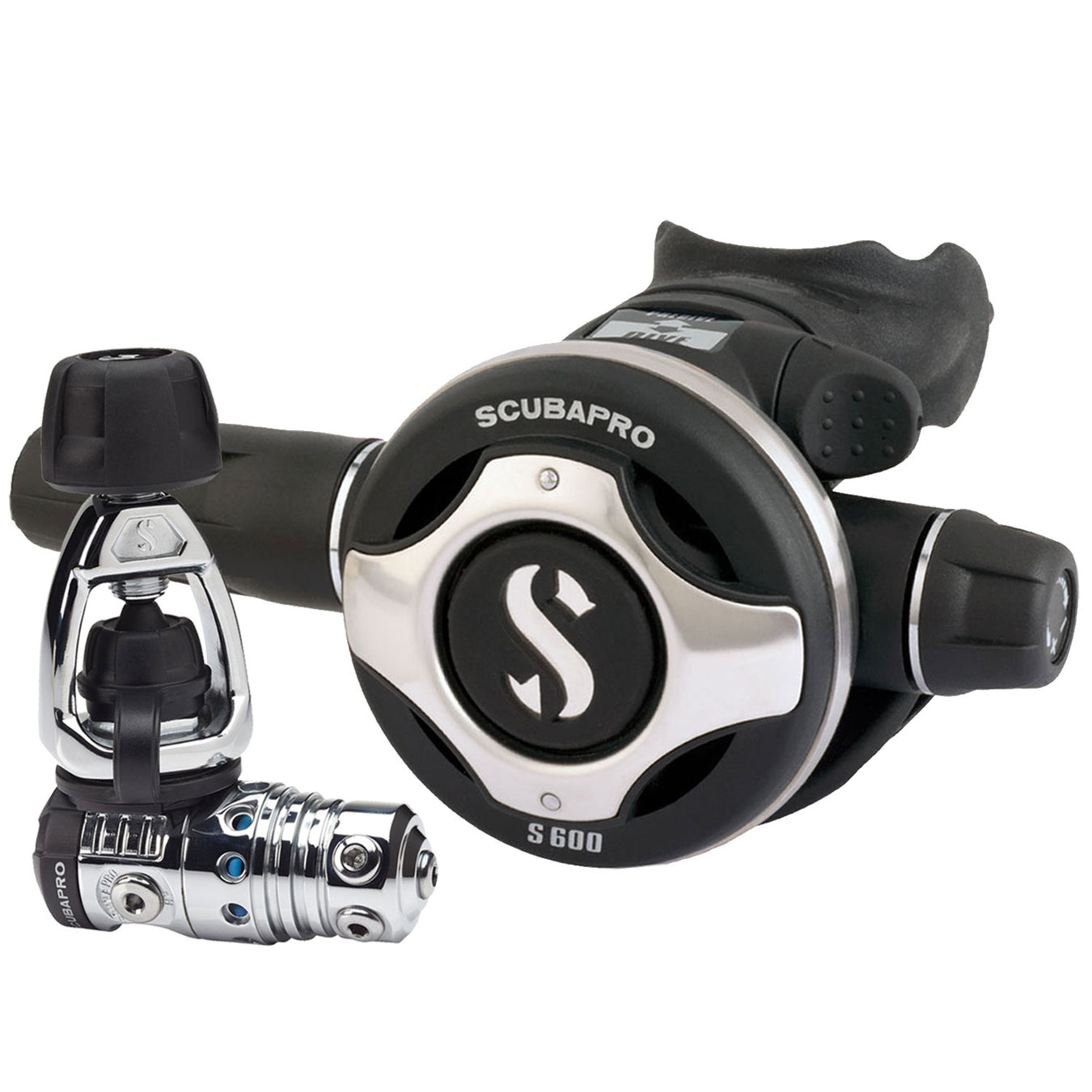
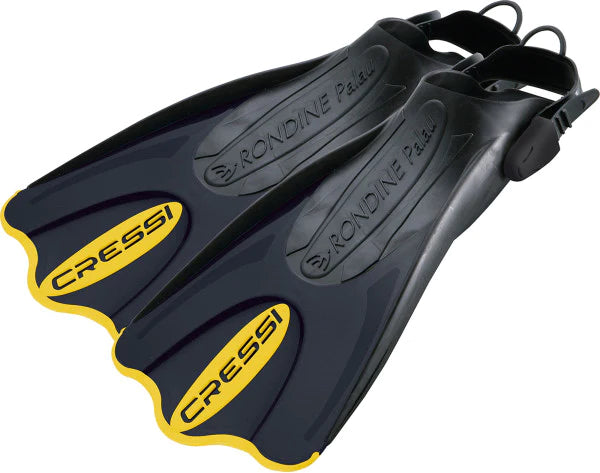
Choosing the right gear is essential for a successful and safe spearfishing expedition. From spearguns to wetsuits, each piece of equipment plays a crucial role in the diver's ability to navigate the underwater world and secure a successful catch.
Spearguns come in various types, including pneumatic, band-powered, and sling spearguns. The choice of speargun depends on the diver's skill level, target species, and diving environment. Pneumatic spearguns offer quick reloading times, while band-powered spearguns provide greater range and power.
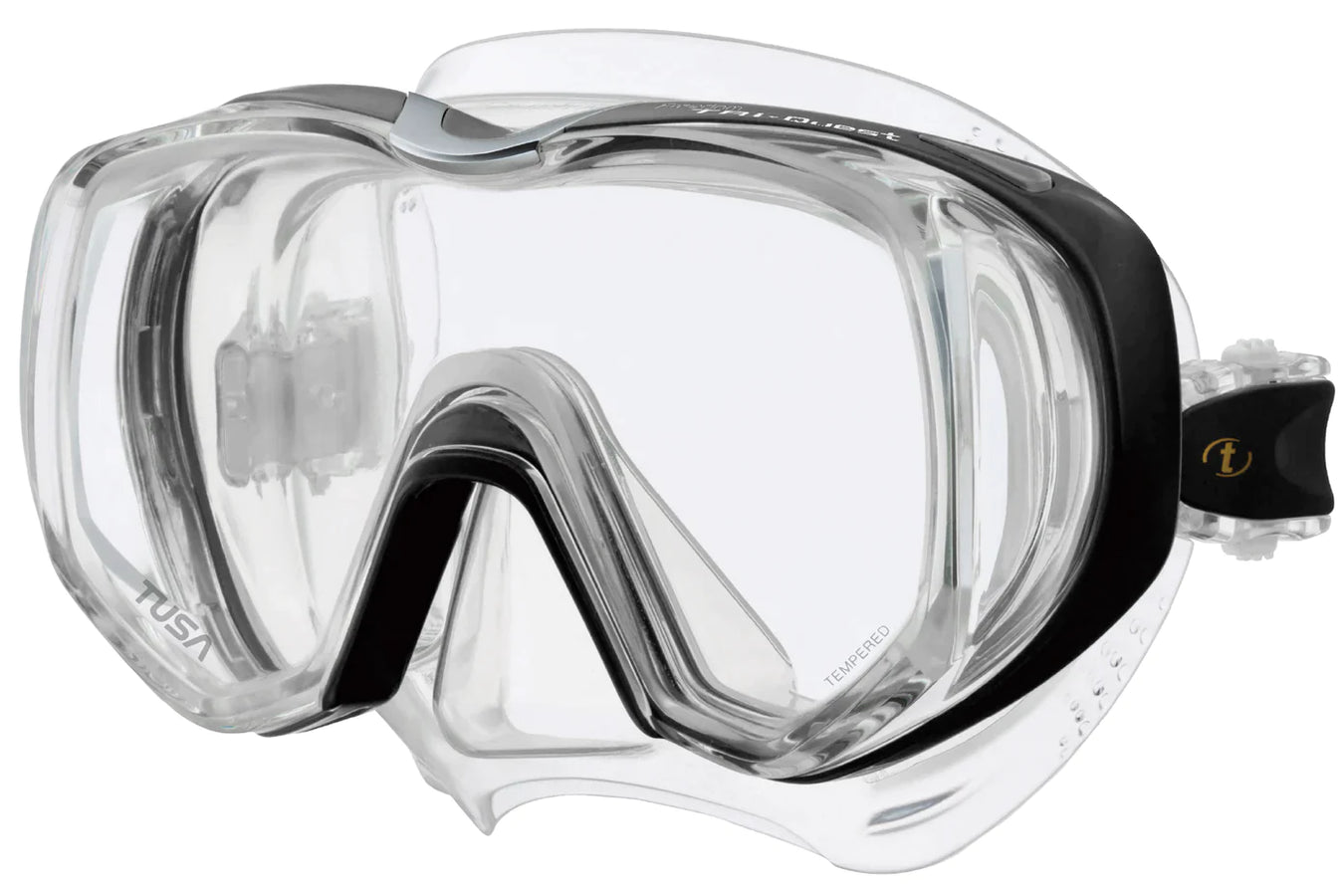
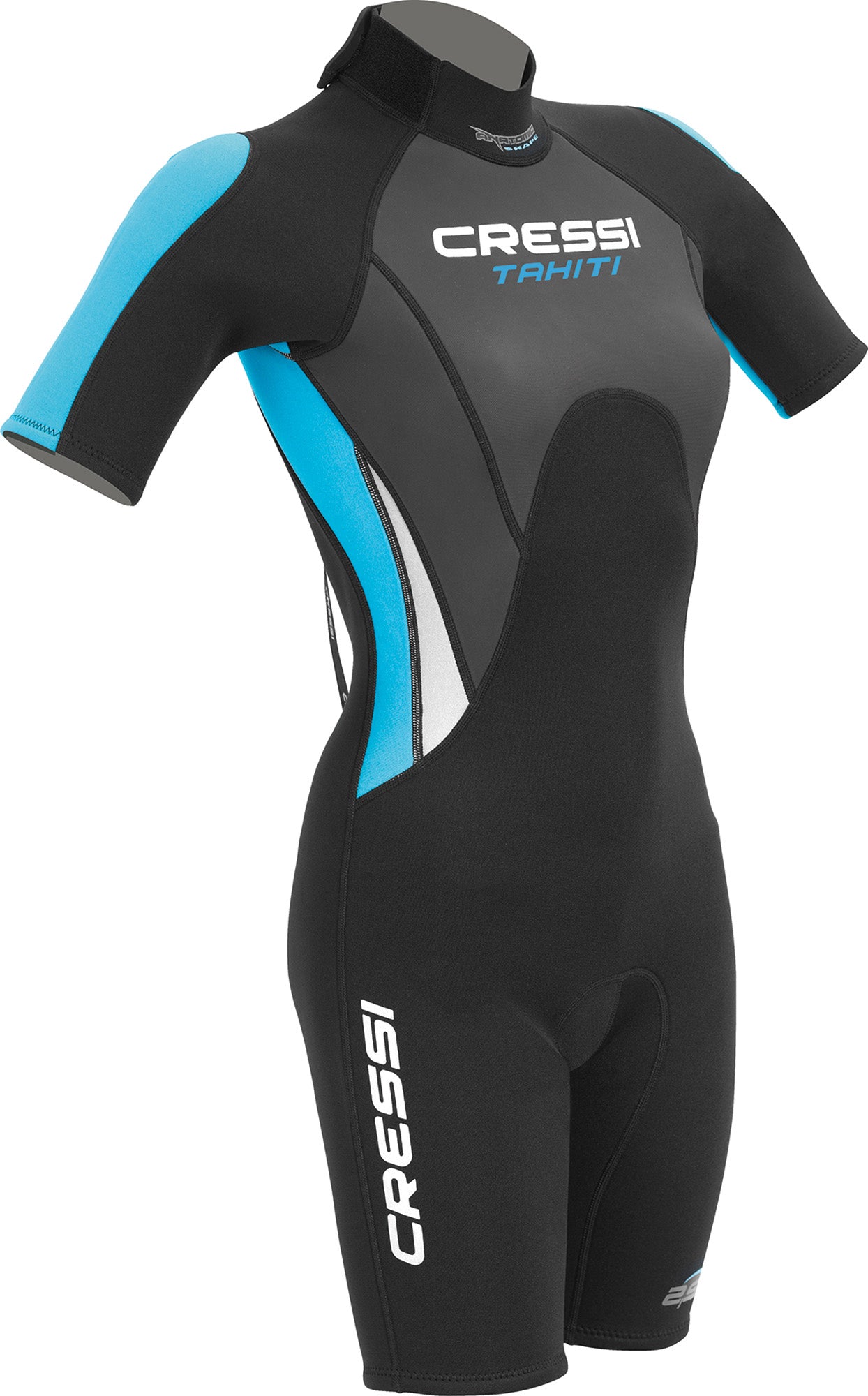
Wetsuits not only keep divers warm in cold waters but also provide protection against scrapes and stings from marine life. Dive masks are essential for clear vision underwater, allowing spearfishers to spot their prey with precision. Choosing the right fit and material for wetsuits and masks is crucial for comfort and safety.
Across the globe, spearfishing communities are actively engaged in conservation efforts to protect marine ecosystems and promote sustainable fishing practices. These initiatives range from beach clean-ups and habitat restoration projects to advocacy for marine protected areas and responsible fishing guidelines.
Spearfishing clubs and organizations often spearhead local conservation projects, mobilizing members and volunteers to participate in beach clean-ups, coral reef monitoring programs, and educational outreach initiatives. By actively engaging in conservation efforts, spearfishers demonstrate their commitment to preserving the marine environment.
Many spearfishing communities advocate for the establishment of marine protected areas (MPAs) to safeguard critical habitats and fish stocks. By supporting the creation of MPAs, spearfishers contribute to the long-term health and sustainability of marine ecosystems, ensuring that future generations can continue to enjoy the wonders of the ocean.
In conclusion, the question of whether you need a license to go spearfishing opens the door to a deeper exploration of what it means to engage with the ocean responsibly. It's about more than following regulations; it's about embracing a philosophy of sustainability, adventure, and respect for the natural world. As we dive into the depths, spear in hand, we're reminded of our responsibility to protect and preserve the marine environment, ensuring it remains vibrant and teeming with life for future adventurers to discover.
Ready to dive into the world of spearfishing with responsibility and passion? Lancaster Scuba is here to equip you with everything you need for your underwater adventures. From top-notch gear to expert diving instruction and unforgettable travel experiences, we've got you covered. Check out our scuba gear and join us as we explore the depths, embrace sustainability, and share the thrill of the ocean.


{"one"=>"Select 2 or 3 items to compare", "other"=>"{{ count }} of 3 items selected"}