

Exploring the Depths: Spearfishing in San Diego
Dive into the exhilarating world of spearfishing in San Diego! Discover the best spots, techniques, and gear for an unforgettable underwater adventure.
Read now
In the vast, open embrace of the ocean, where adventure calls through the whisper of the waves, lies the ancient and thrilling sport of spearfishing. It's a pursuit that combines the primal thrill of the hunt with the serene beauty of the underwater world. But as with any adventure that treads into the realm of nature and its laws, the question arises—do you need a license for spearfishing?
Spearfishing is not just an activity; it's a journey back to our ancestral roots, where the ocean was both a mysterious world and a vital source of sustenance. This sport allows individuals to engage directly with the environment, requiring skill, patience, and respect for the underwater ecosystem.
Spearfishing is one of the oldest forms of fishing, practiced for thousands of years across the world. It involves diving into the ocean and catching fish using a spear or a spear gun. Unlike traditional fishing, spearfishing demands a blend of swimming ability, breath control, and precision to successfully harvest fish.
Today, spearfishing is enjoyed by many as a sustainable method of fishing, as it allows for selective harvest, reducing bycatch and impacts on marine populations.
The allure of spearfishing lies in the hunt. Divers immerse themselves in the underwater realm, becoming part of the marine environment. It's a sport that offers an adrenaline rush unlike any other, as you track, aim, and capture your prey. The thrill of successfully spearing a fish is matched by the beauty of the ocean's landscapes and the creatures that inhabit them.
As with any activity that interacts so closely with nature, spearfishing is governed by regulations designed to protect marine life and ensure the safety of participants. These regulations vary significantly from one region to another, reflecting the unique ecological and social contexts of different waters.
Regulations are essential in maintaining the balance of marine ecosystems. They help manage fish populations, ensuring that species are not overfished and that the underwater environment remains vibrant and healthy for future generations. Regulations also serve to protect divers, ensuring that spearfishing is practiced in a safe and responsible manner.
In many areas, a license is indeed required to engage in spearfishing. The specifics, however, such as the age at which a license is needed, the cost, and the process for obtaining one, can vary widely. In some regions, spearfishing may be restricted to certain areas or limited to specific fish species. It's crucial for anyone interested in spearfishing to research and understand the regulations in their intended fishing location.
Failure to comply with local laws and regulations can result in fines, confiscation of equipment, and even legal action. Beyond legal compliance, obtaining a license and adhering to regulations demonstrates respect for the marine environment and the communities that depend on it.
When engaging in spearfishing, it's vital to consider the broader environmental impact of this activity. While spearfishing can be a sustainable method of fishing when practiced responsibly, it still has the potential to disrupt marine ecosystems if not carried out mindfully. By understanding the habitats of the fish you target, the breeding seasons of different species, and the overall health of the marine environment, spearfishers can make informed decisions that minimize their ecological footprint.
Safety is paramount in spearfishing, not just for the diver but for the marine environment as well. The sport poses unique challenges and risks, which can be mitigated through education, preparation, and adherence to safety guidelines.
Before embarking on a spearfishing adventure, it's essential to be well-prepared. This includes being proficient in swimming and diving, understanding how to use spearfishing equipment safely, and knowing first aid and emergency procedures. Diving with a buddy is strongly recommended, as is informing someone onshore of your plans.
Responsible spearfishing involves more than just following regulations. It's about understanding the impact of your actions on the marine ecosystem. This includes choosing equipment that minimizes harm to marine life, targeting only species that are abundant, and avoiding sensitive habitats such as coral reefs.
Proper maintenance of spearfishing equipment is not only crucial for the success of your dives but also for the safety of marine life. Regularly inspecting and cleaning your gear helps prevent accidents and ensures that your equipment functions optimally. Additionally, disposing of old or damaged gear responsibly is essential to prevent it from becoming marine debris.
Spearfishing offers an unparalleled adventure, connecting us with the natural world in a profound and exhilarating way. It's a sport that demands skill, respect, and a deep appreciation for the marine environment.
For those drawn to the call of the ocean, spearfishing can be a rewarding pursuit. Whether you're seeking the thrill of the hunt, the beauty of the underwater world, or a sustainable way to harvest seafood, spearfishing offers something for everyone. By understanding and adhering to licensing requirements and safety guidelines, you can embark on this adventure with confidence and respect for the ocean that sustains it.
So, do you need a license for spearfishing? The answer is often yes, but this requirement is just one part of a larger journey—a journey that offers adventure, connection, and the opportunity to dive deeper into the mysteries of the ocean. As you prepare to take the plunge, remember that spearfishing is not just about the fish you catch but the experiences you gather and the respect you show for the marine world.
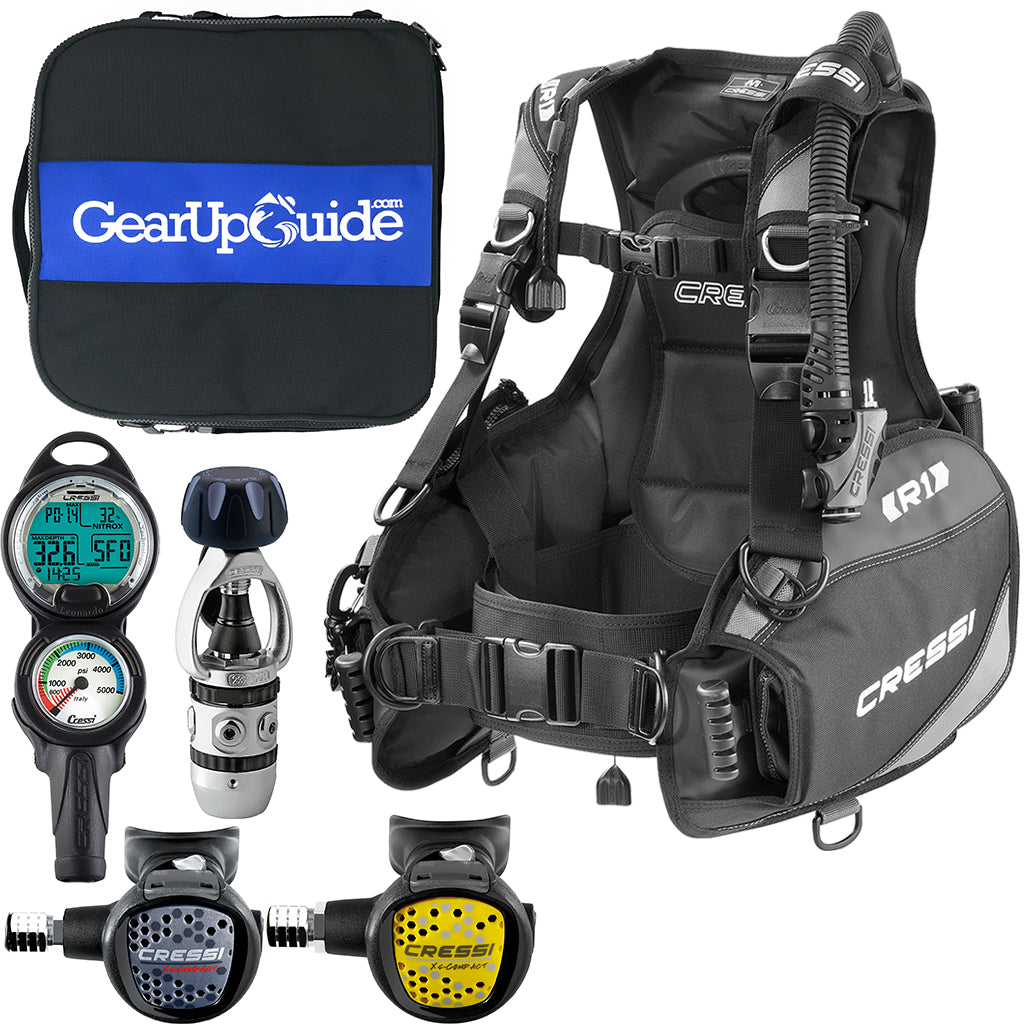
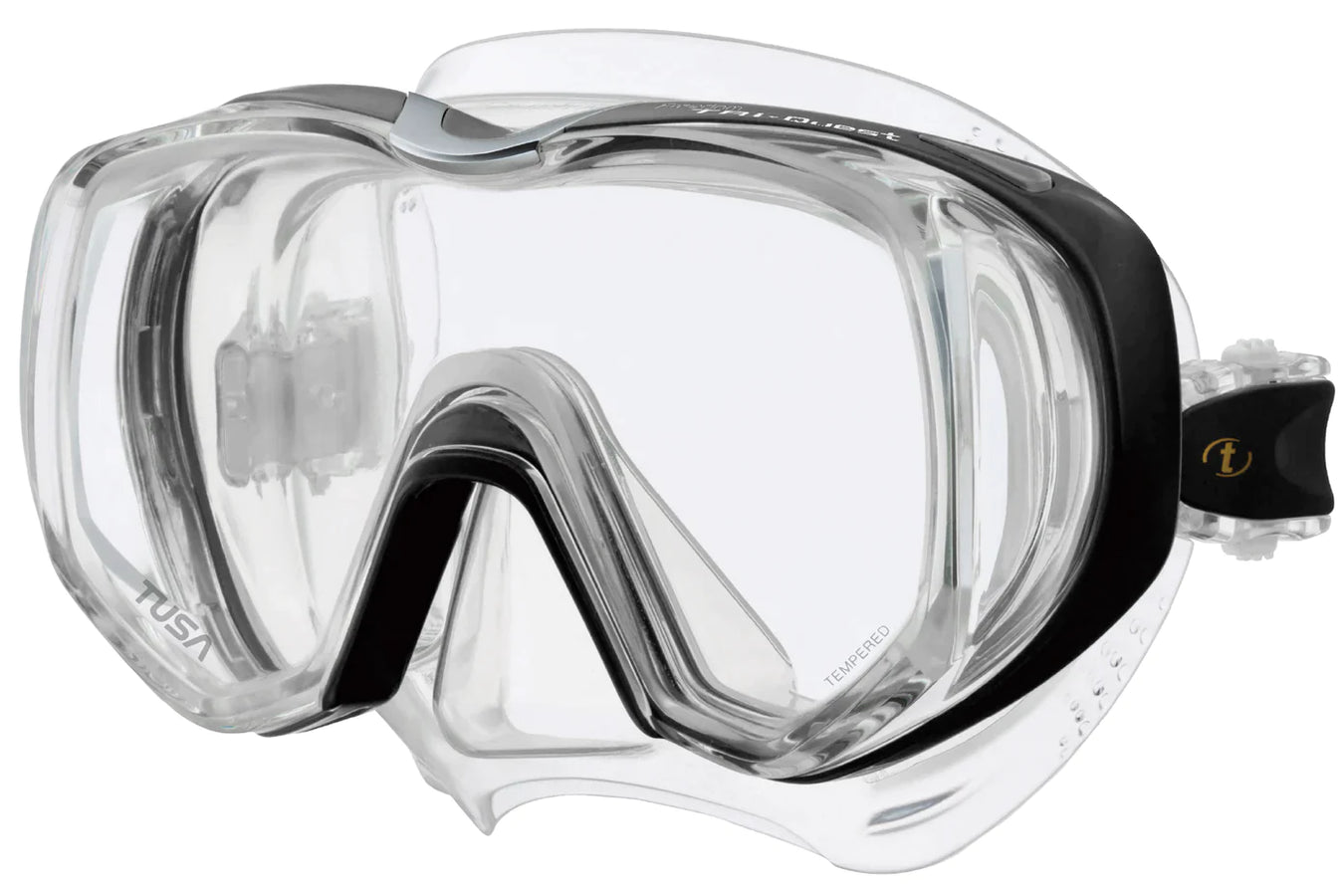
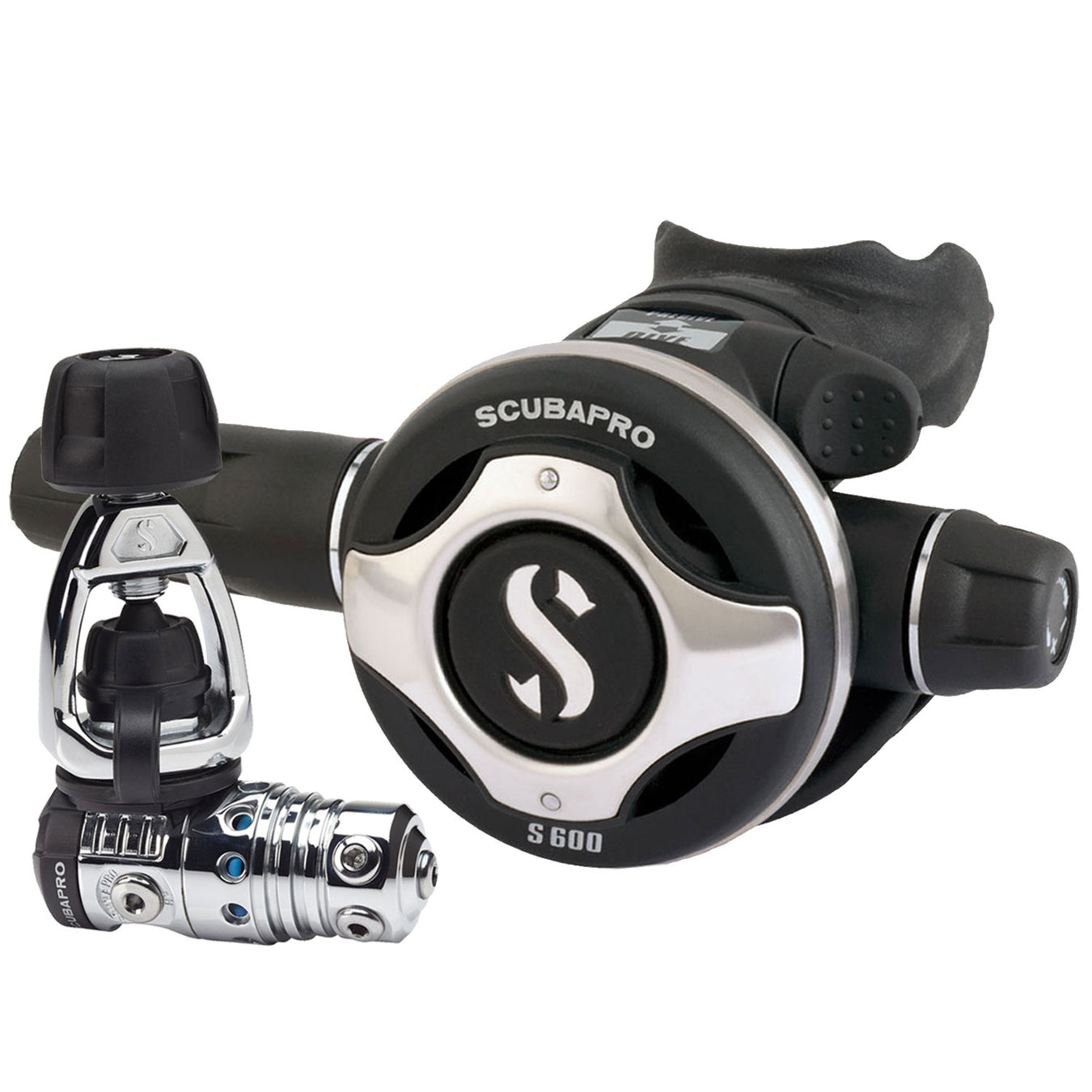
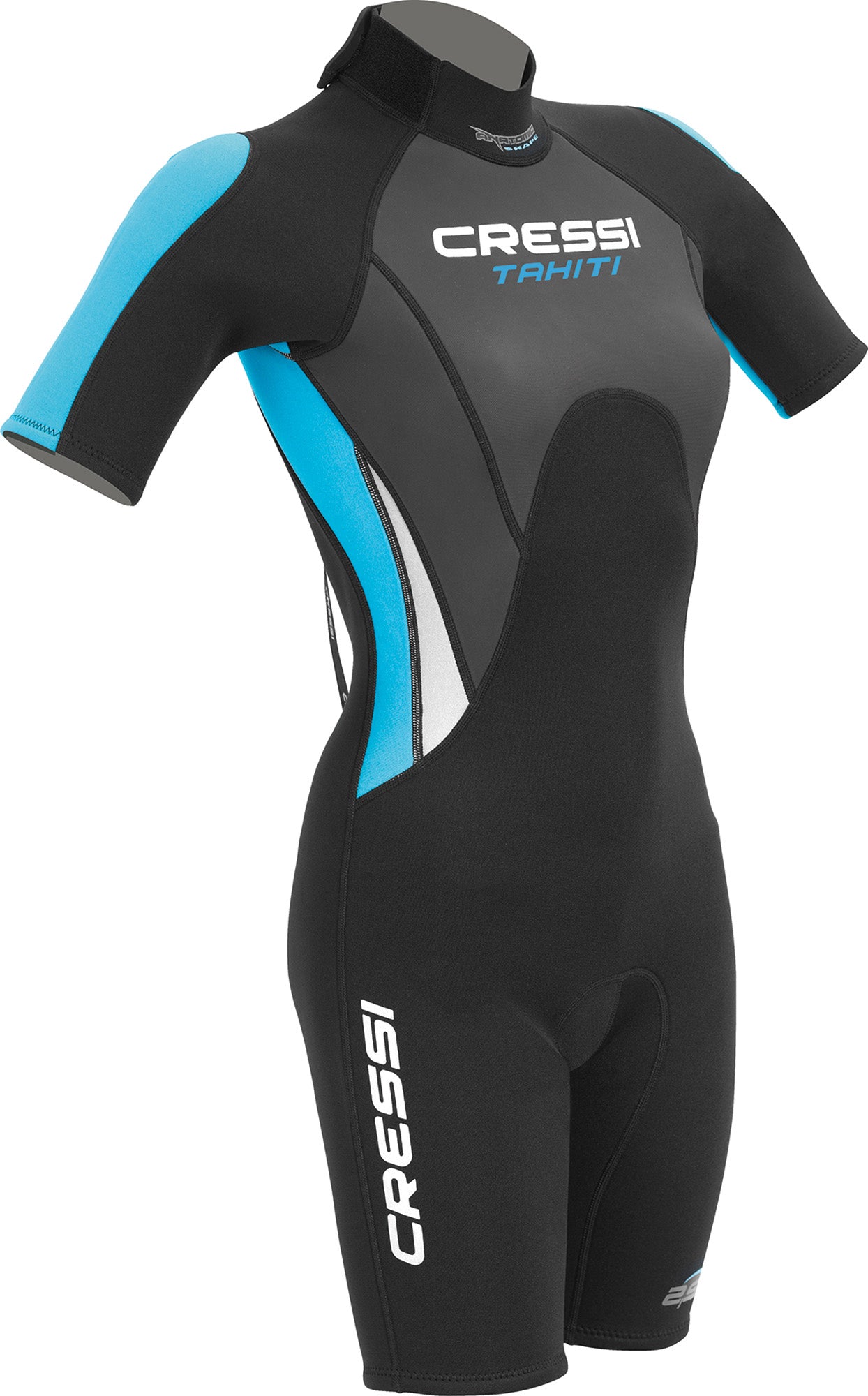
Ready to dive into the world of spearfishing with the right gear and expert guidance? Look no further than Lancaster Scuba, where your underwater journey is our priority. From top-notch equipment to PADI-certified spearfishing courses, we've got you covered. Check out our scuba gear and start planning your next aquatic adventure today!


{"one"=>"Select 2 or 3 items to compare", "other"=>"{{ count }} of 3 items selected"}