

Exploring the Depths: Spearfishing in San Diego
Dive into the exhilarating world of spearfishing in San Diego! Discover the best spots, techniques, and gear for an unforgettable underwater adventure.
Read now
In the vast, blue expanse of the ocean, where adventure calls to the hearts of many, lies the thrilling sport of spearfishing. It's not just a pursuit of fish; it's a quest for a deeper connection with the marine world. But before embarking on this underwater adventure, one pivotal question surfaces—do I need a license for spearfishing?
Spearfishing is an ancient method of fishing that has evolved into a modern sport, combining the thrill of the hunt with the beauty of the underwater world. It's a practice that demands skill, patience, and respect for the ocean's ecosystems. But as with any adventure that treads into the realm of nature's delicate balance, it comes with responsibilities and regulations.
Spearfishing is more than just catching fish; it's an art form that has been perfected over centuries. Today, it's practiced with sophisticated gear, including spearguns and pole spears, allowing divers to immerse themselves fully in the underwater hunting experience. This sport offers an escape into a world where only the most adept and respectful hunters thrive.
The allure of spearfishing lies in its simplicity and the direct connection it offers between the hunter and the marine environment. It's a sustainable way of fishing, as it allows for selective hunting, reducing bycatch and minimizing ecological impact. However, the very nature of this selective hunting necessitates a deep understanding of marine life and regulations.
As spearfishing gains popularity, the need for regulations becomes paramount to ensure the sustainability of marine ecosystems. Many countries and states have implemented specific laws governing spearfishing activities. These regulations often include licensing requirements, restricted areas, seasonal closures, and size and bag limits for certain species.
The purpose of these regulations is twofold: to protect marine life from overfishing and to ensure the safety of those who dive into the depths in pursuit of their passion. Adhering to these rules is not just a legal obligation but a moral one, reflecting the spearfisher's respect for the ocean and its inhabitants.
When it comes to spearfishing, one of the most common inquiries is about licensing. The answer, however, is not straightforward. Licensing requirements for spearfishing vary significantly depending on the location, the body of water, and sometimes even the species being targeted.
In many parts of the world, a general fishing license is required to engage in spearfishing. For instance, in the United States, the need for a license and the type of license—whether it's for freshwater or saltwater fishing—can vary by state. In Australia, the regulations differ from state to state, with some requiring a fishing license for spearfishing in both freshwater and saltwater environments.
In contrast, some countries have specific licenses for spearfishing. These licenses may come with additional requirements, such as age restrictions, mandatory safety courses, and even tests on species identification. The aim is to ensure that spearfishers are not only skilled in the use of their equipment but also knowledgeable about the ecosystems they interact with.
It's crucial for spearfishers to be aware of the areas where spearfishing is permitted. Many marine reserves and protected areas prohibit spearfishing to preserve biodiversity and protect vulnerable species. Violating these restrictions can result in hefty fines and legal consequences, not to mention the ethical implications of harming conservation efforts.
Researching and understanding the specific regulations of your intended spearfishing location is essential. This includes not only licensing requirements but also any seasonal or area-specific restrictions that may be in place. Being informed and compliant is the hallmark of a responsible and respectful spearfisher.
Safety is paramount in spearfishing, not just for the spearfisher but also for the marine environment. The pursuit of this adventure sport requires adherence to safety protocols and regulations designed to protect both the individual and the ocean.
Spearfishing, while exhilarating, carries inherent risks. Diving into the ocean's depths and hunting requires physical fitness, training, and a respect for the water. Safety measures, such as diving with a buddy, knowing your limits, and being familiar with your equipment, are non-negotiable aspects of the sport.
Additionally, many regions require spearfishers to display a dive flag to alert boats and other water users to their presence. This simple yet crucial safety measure can prevent accidents and ensure a safe environment for everyone in the water.
Responsible spearfishing goes beyond following regulations; it's about adopting practices that protect the marine environment. This includes choosing not to take more than what you need, targeting only adult species that are not overfished, and avoiding sensitive habitats such as coral reefs and seagrass beds.
By embracing these practices, spearfishers can contribute to the conservation of the marine ecosystems they enjoy. It's a way of ensuring that the thrill of the hunt can be experienced by future generations, preserving the beauty and diversity of the ocean for years to come.
Spearfishing is a journey that offers more than just the excitement of the hunt; it's an opportunity to connect with the marine world in a profound and respectful way. Whether you're a seasoned spearfisher or looking to dive into this adventure for the first time, understanding and adhering to licensing requirements and regulations is the first step toward a rewarding and sustainable experience.
Before you set out on your next spearfishing adventure, take the time to research and understand the regulations that apply to your chosen location. Obtain the necessary licenses, familiarize yourself with safety protocols, and embrace the principles of environmental stewardship. In doing so, you'll not only enrich your own experience but also contribute to the preservation of the underwater world that calls to adventurers like you.
Aside from the thrill of the hunt and the connection to nature, spearfishing offers a range of benefits to those who partake in this exhilarating sport. One of the key advantages is the opportunity for physical exercise and mental relaxation that spearfishing provides. The act of diving, hunting, and navigating underwater environments can be a great way to stay active and relieve stress.
Moreover, spearfishing can also be a source of sustainable and fresh seafood. By selectively targeting specific species, spearfishers can enjoy the fruits of their labor in a way that minimizes waste and promotes responsible fishing practices. The satisfaction of catching your own meal and knowing exactly where it comes from adds a unique flavor to the dining experience.
Engaging in spearfishing can also foster a sense of community and camaraderie among enthusiasts. Whether it's sharing tips on techniques, exchanging stories of memorable catches, or simply enjoying the company of like-minded individuals, spearfishing can create bonds that extend beyond the waters. Participating in local spearfishing clubs or events can further enhance this sense of belonging and shared passion for the sport.
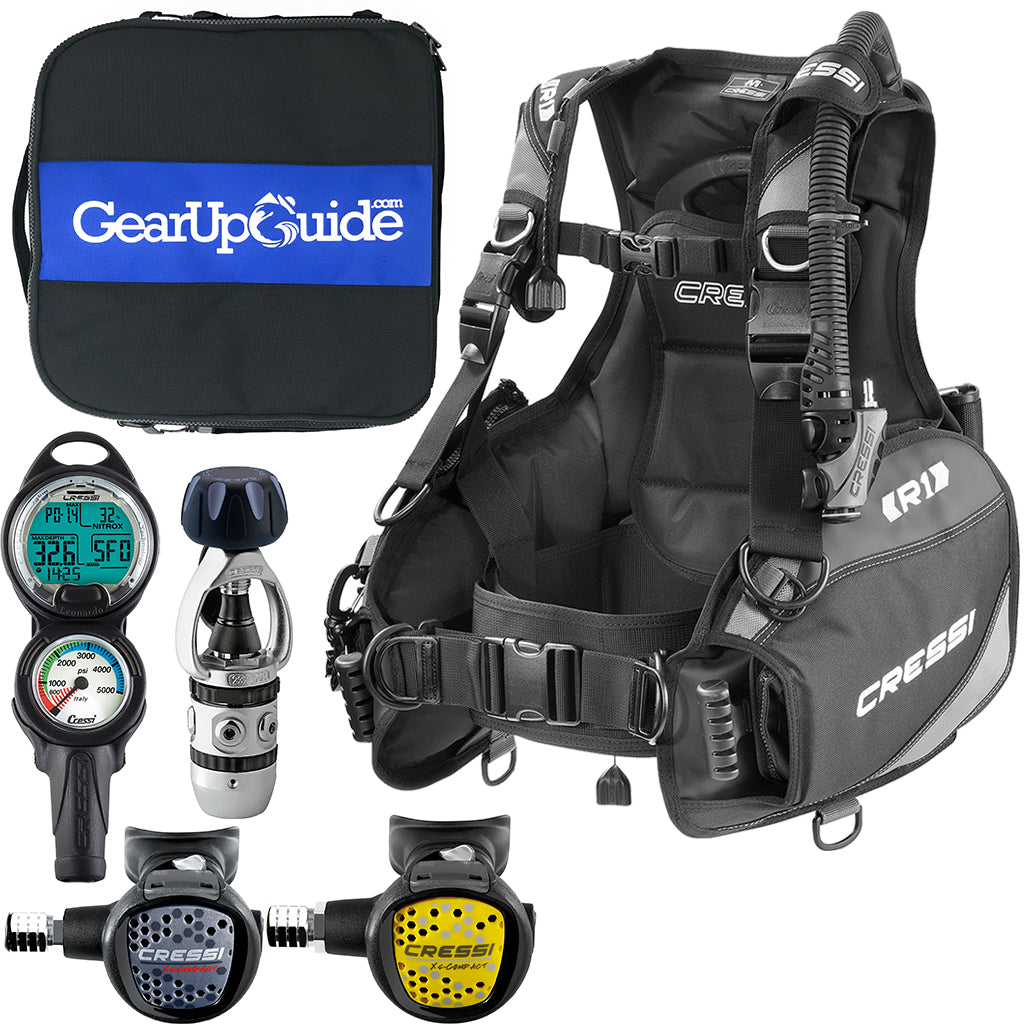
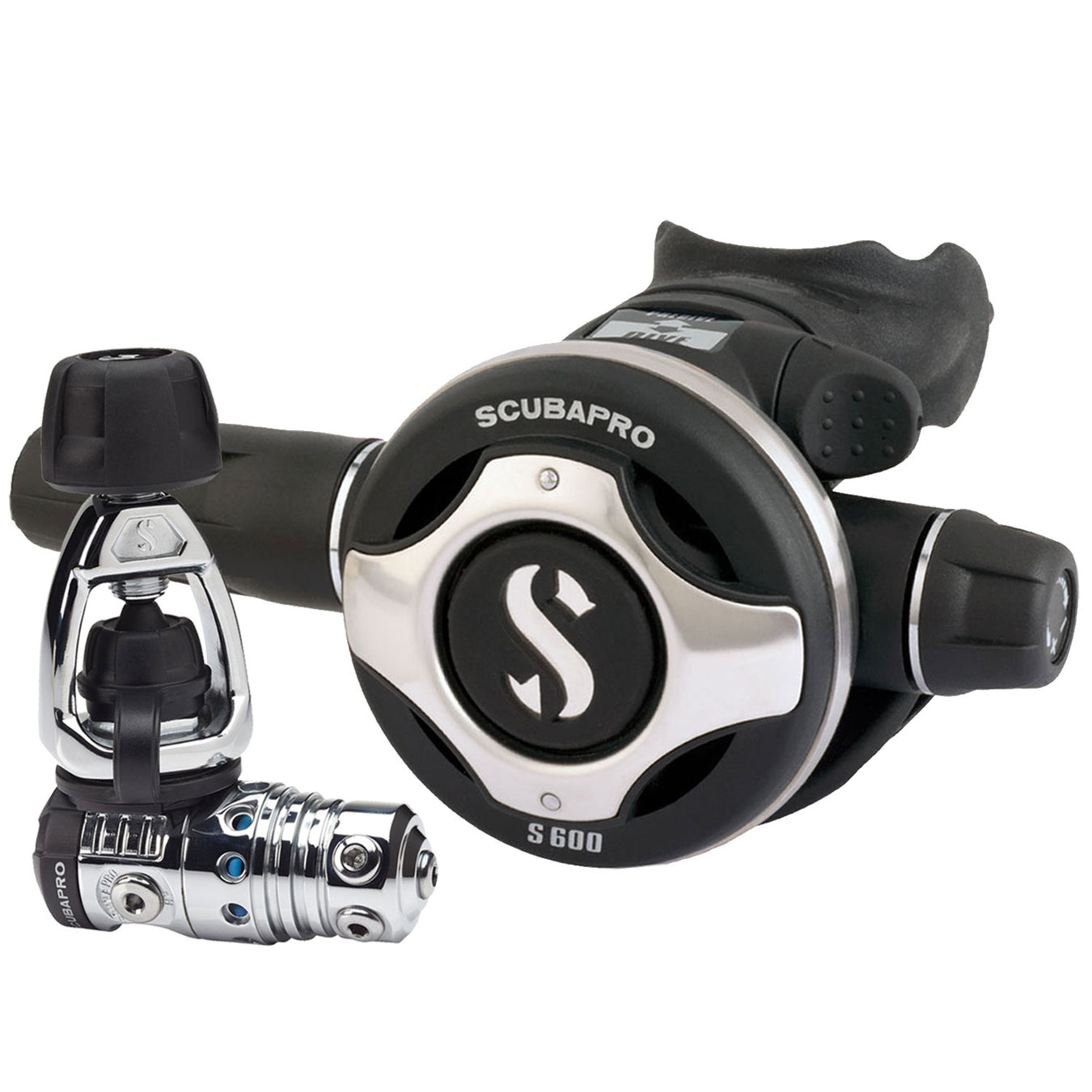
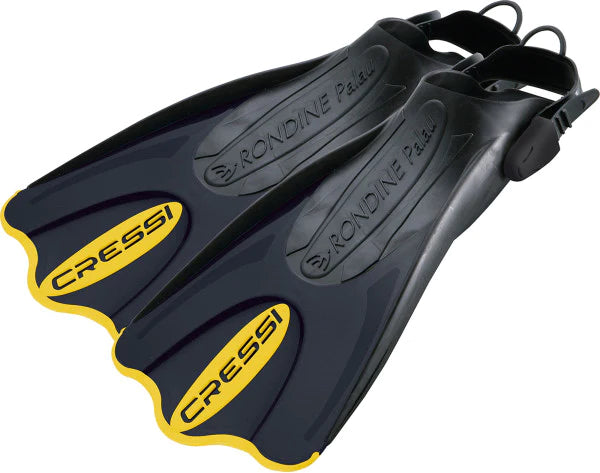
When delving into the world of spearfishing, having the right equipment and gear is essential for a successful and safe experience. From the choice of spearguns to the selection of wetsuits and fins, each piece of gear plays a crucial role in enhancing your performance and comfort underwater.
Spearguns are the primary tool used in spearfishing, allowing divers to accurately target and catch fish. These guns come in various types, including pneumatic, band-powered, and railguns, each suited for different hunting conditions and prey. Understanding the mechanics and operation of spearguns is fundamental to mastering the art of spearfishing.
When selecting a speargun, factors such as range, power, and maneuverability should be considered based on your skill level and the type of fish you intend to hunt. Proper maintenance and care of your speargun are also essential to ensure its longevity and optimal performance during dives.
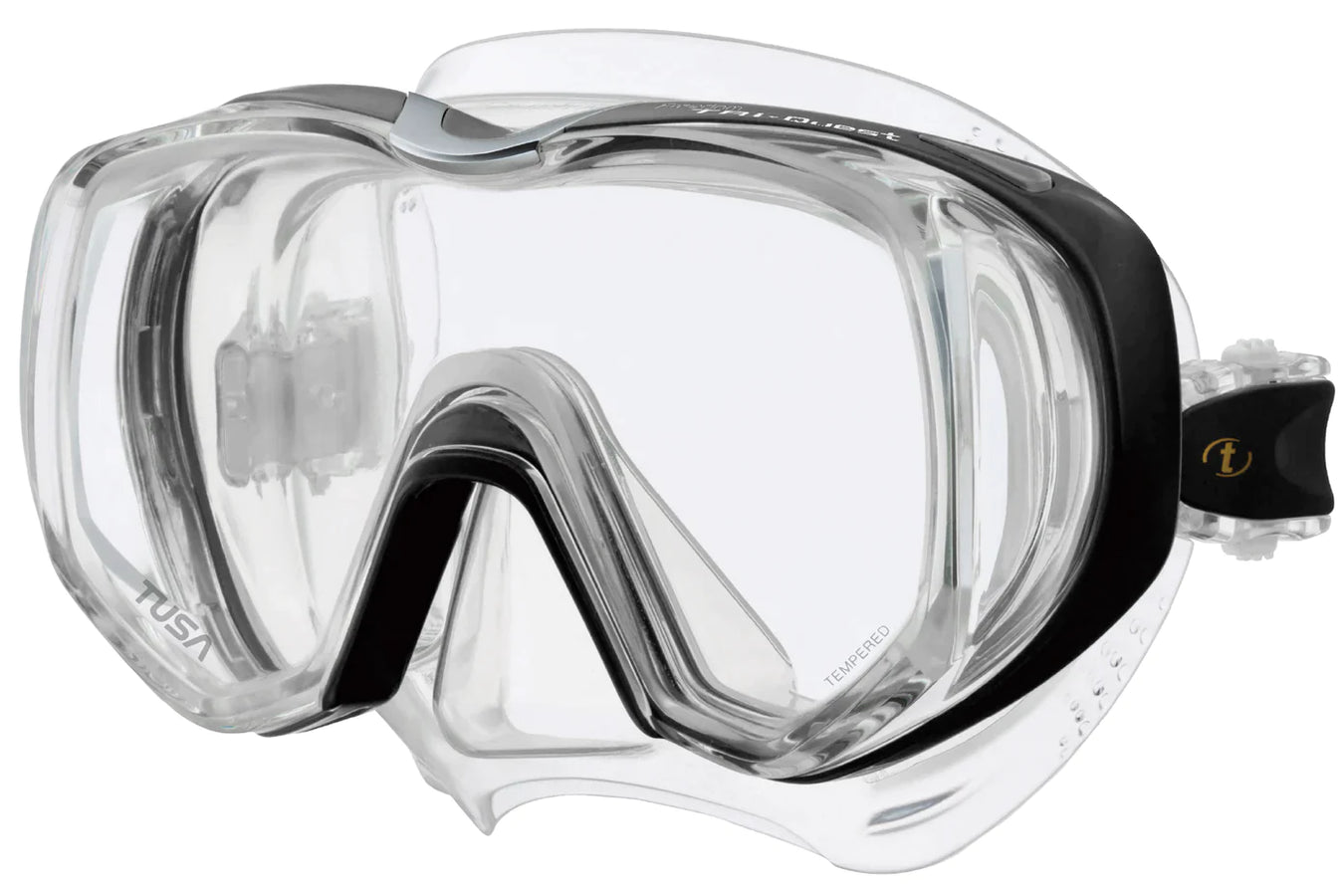
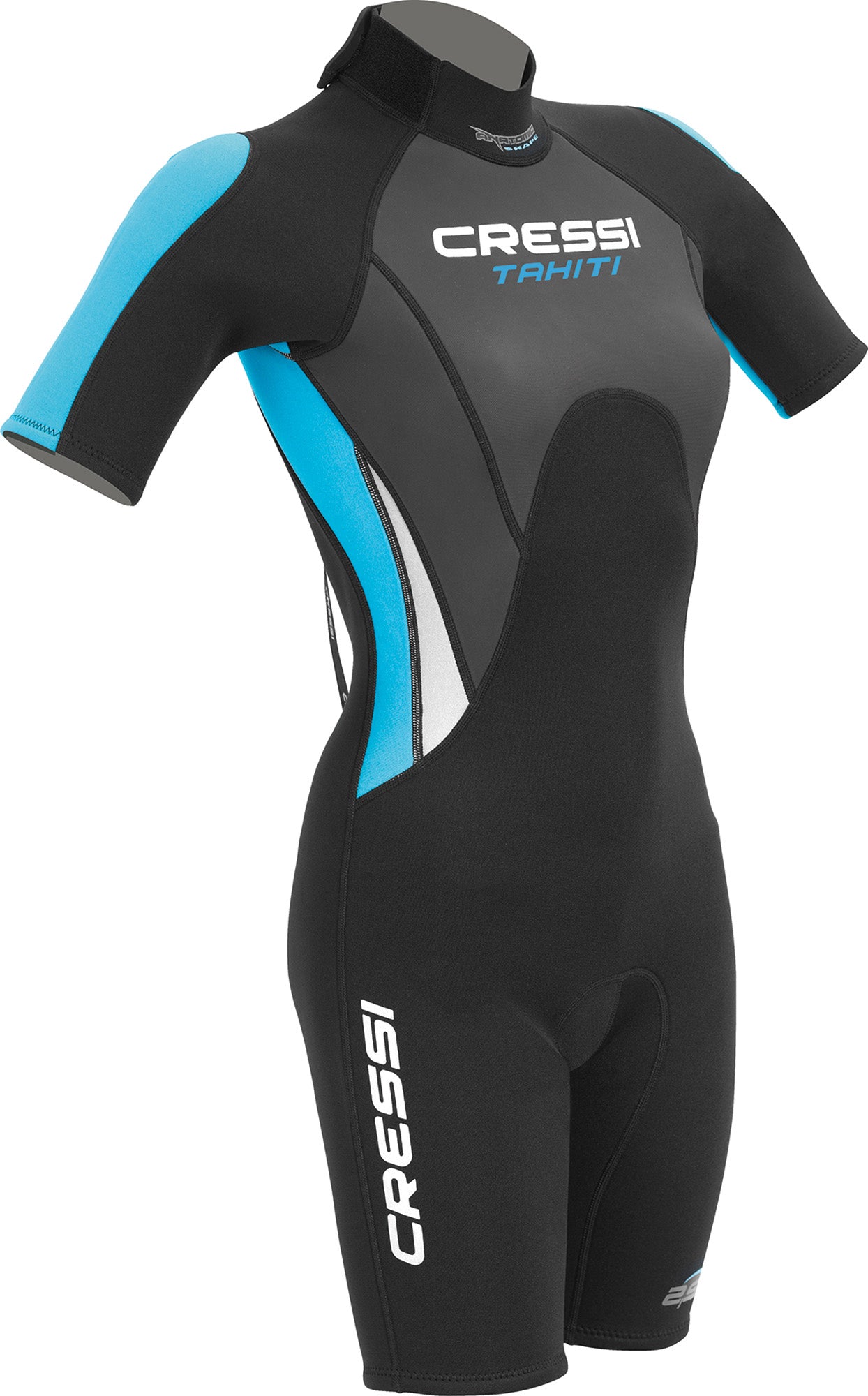
Protecting yourself from the elements and maintaining visibility underwater are crucial aspects of spearfishing. Wetsuits not only keep you warm in cold waters but also provide protection against abrasions and stings from marine life. Dive masks, on the other hand, enable clear vision and facilitate proper equalization of pressure while diving.
Choosing the right wetsuit thickness and material, as well as a well-fitted dive mask, can significantly enhance your comfort and safety during spearfishing expeditions. Investing in high-quality gear that suits your body type and diving conditions is key to enjoying a seamless and rewarding underwater adventure.
Becoming proficient in spearfishing requires more than just gear; it demands continuous training and skill development to hone your abilities as a hunter and conservationist. Enrolling in spearfishing courses or workshops can provide valuable insights into techniques, safety practices, and ethical considerations related to the sport.
Mastering the art of underwater navigation is essential for successful spearfishing expeditions. Understanding currents, tides, and underwater topography can help you locate fish habitats and plan your dives effectively. Developing proficiency in using dive computers and compasses can further enhance your navigation skills and ensure a safe return to the surface.
Practicing buoyancy control and finning techniques is also crucial for conserving energy and maneuvering gracefully underwater. By refining these skills through regular training and experience, you can increase your efficiency as a spearfisher and minimize your impact on the marine environment.
Recognizing different fish species and understanding their behavior is a fundamental aspect of responsible spearfishing. By familiarizing yourself with the characteristics and habitats of target species, you can make informed decisions on which fish to hunt and which to preserve. This knowledge not only enhances your hunting success but also contributes to the conservation of marine biodiversity.
Training your eye to identify fish species accurately and quickly can be achieved through field guides, online resources, and mentorship from experienced spearfishers. By continuously expanding your knowledge of marine life, you can deepen your appreciation for the underwater world and become a more conscientious participant in the sport of spearfishing.
Ready to dive into the world of spearfishing with the right gear and knowledge? Lancaster Scuba is your one-stop destination to gear up and get certified. Whether you're a beginner or an experienced spearfisher, we have everything you need to ensure a seamless experience. From top-notch equipment to PADI certification courses, including Spearfishing speciality, we've got you covered. Don't just dream about the underwater adventure—live it! Check out our scuba gear today and take the first step towards your next underwater expedition.


{"one"=>"Select 2 or 3 items to compare", "other"=>"{{ count }} of 3 items selected"}