

Exploring the Depths: Spearfishing in San Diego
Dive into the exhilarating world of spearfishing in San Diego! Discover the best spots, techniques, and gear for an unforgettable underwater adventure.
Read now
In the vast, silent world beneath the waves, communication takes on a form as unique as the environment itself. Scuba diving, a sport that combines the thrill of exploration with the beauty of the underwater world, also presents unique challenges—among them, how to communicate. The question of whether you can talk while scuba diving opens the door to a fascinating aspect of this aquatic adventure.
The ability to share observations, issue warnings, and express joy during a dive enhances the experience, making it safer and more enjoyable. But can divers actually talk to each other beneath the surface? Let's dive into the possibilities and technologies that make underwater communication feasible.
Before delving into the complexities of verbal communication underwater, it's essential to acknowledge the foundation of diver communication: hand signals. These gestures form a universal language that transcends nationality, allowing divers from around the globe to communicate basic information, directions, and safety concerns.
Hand signals cover everything from "I'm okay" to "low on air," "time to ascend," and much more. They are the first line of communication taught to divers and remain the most reliable method for conveying messages underwater.
For more detailed communication, divers often turn to underwater writing slates and signal devices. Slates allow divers to write messages to each other, providing a way to share complex thoughts or instructions that hand signals can't convey. Meanwhile, signal devices like shakers or underwater horns can attract a buddy's attention in case of emergency or when visual contact is lost.
As technology has advanced, so too have the methods by which divers can communicate. Various underwater communication devices have been developed, allowing for verbal communication between divers. These devices transform divers' voices into sonar signals that can be transmitted through the water and then converted back into sound by the receiver's headset.
These systems, while not without their limitations, represent a significant step forward in underwater communication, offering divers the chance to share real-time observations, coordinate efforts during complex tasks, and ensure safety protocols are followed.
Understanding the mechanics of how sound travels underwater is crucial to appreciating the challenges and solutions associated with talking while scuba diving.
Sound travels faster in water than in air, but its transmission is also more complex. Underwater, sound waves can be affected by temperature, pressure, and salinity variations, which can distort and redirect the path of sound. This makes clear communication challenging, as words can become garbled or lost entirely over distances.
Additionally, the density of water compared to air affects the frequency and wavelength of sound waves, influencing how clearly and at what distance they can be heard underwater. Understanding these acoustic properties is essential for developing effective communication systems for divers.
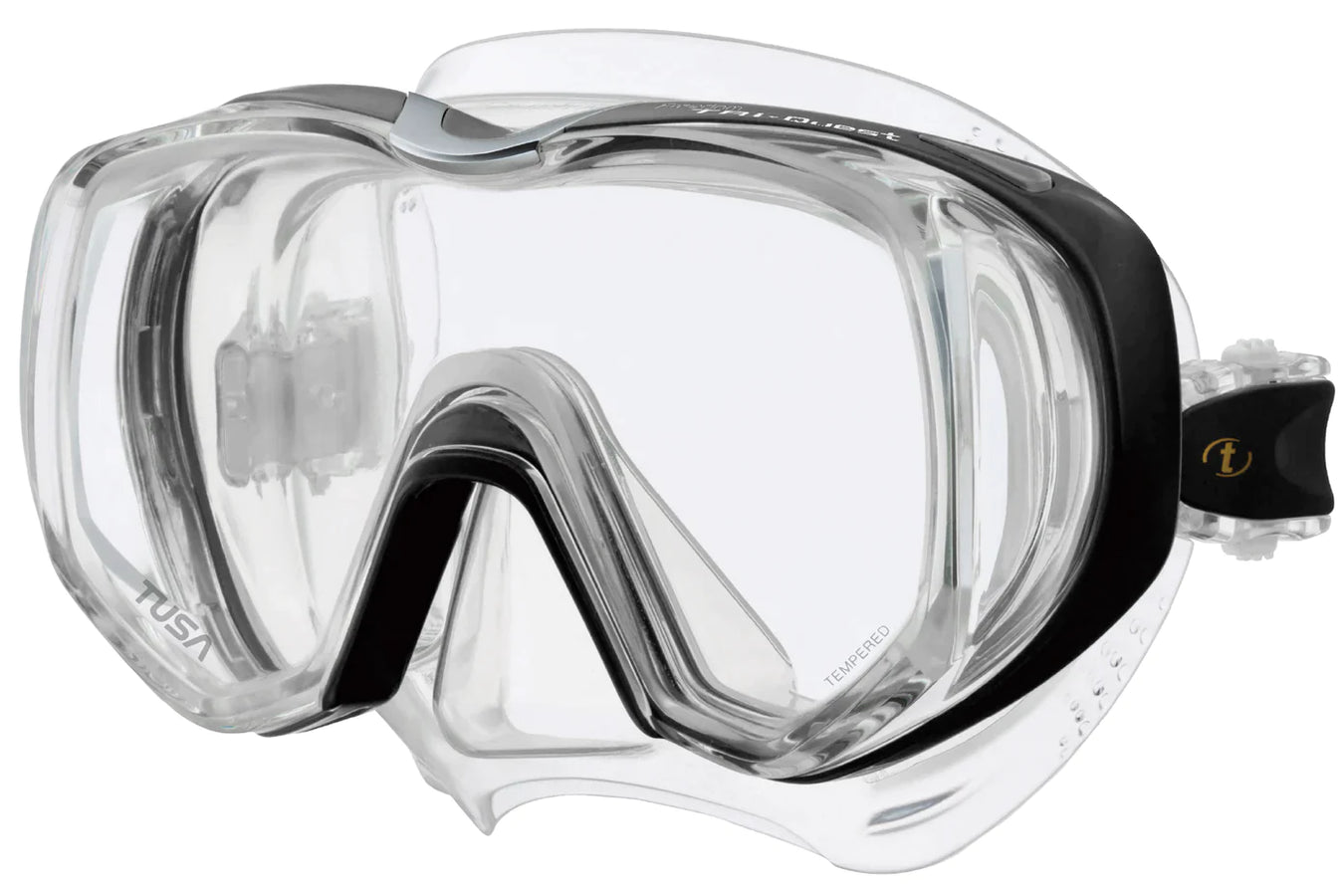
Specialized dive masks and communication units have been designed to overcome these challenges. Masks that include built-in microphones and earpieces allow divers to speak and listen more clearly than ever before. These devices often use bone conduction technology, transmitting sound through the diver's facial bones directly to the inner ear, bypassing the need for external earpieces.
While the ability to talk underwater adds convenience and enjoyment to diving, it also introduces new safety considerations.
Underwater communication devices have limited ranges, typically up to a few hundred meters under optimal conditions. Divers must remain aware of their positions relative to each other to maintain clear communication lines. Straying too far can result in lost signals and potential isolation.
Moreover, understanding the limitations of communication devices in different underwater environments is crucial. Factors such as water clarity, presence of obstacles, and depth can all impact the effectiveness of verbal communication between divers. Being mindful of these variables enhances diver safety and ensures effective communication during dives.
Talking underwater, especially with excitement or stress, can increase a diver's breathing rate, leading to a faster consumption of air. Divers must monitor their air supply closely, ensuring that communication does not compromise their safety or the safety of their dive buddy.
Despite the challenges, the ability to communicate verbally underwater opens up new dimensions of exploration and camaraderie among divers.
Being able to discuss what you're seeing in real-time, alert your buddy to a rare sea creature, or simply share the excitement of the dive enhances the experience immeasurably. It transforms a solitary exploration into a shared adventure, strengthening bonds between divers.
For dive instructors, the ability to give immediate feedback and instructions to students underwater is invaluable. It accelerates learning, reinforces safety protocols, and builds confidence among novice divers, making the underwater world more accessible and enjoyable for everyone.
Moreover, the use of underwater communication devices in training scenarios enhances the educational experience for divers of all levels. By simulating real-world communication challenges and emergency scenarios, instructors can better prepare their students for safe and effective diving practices.
In conclusion, while the serene silence of the underwater realm has its own allure, the ability to communicate verbally adds a rich layer to the tapestry of scuba diving experiences. Whether through hand signals, written messages, or the latest in underwater communication technology, divers continue to find innovative ways to break the silence of the deep, ensuring that every dive is not just an adventure, but a shared journey into the unknown.
Ready to dive into the world of underwater communication? Lancaster Scuba has everything you need to gear up and make the most of your diving experiences. From top-notch equipment that allows for seamless interaction beneath the waves to expert diving instruction that will prepare you for any scenario, we've got you covered. Embrace the full spectrum of scuba diving with our "Gear. Dive. Travel." approach. Check out our scuba gear today and take the first step towards transforming your underwater adventures!


{"one"=>"Select 2 or 3 items to compare", "other"=>"{{ count }} of 3 items selected"}