

Exploring the Depths: Spearfishing in San Diego
Dive into the exhilarating world of spearfishing in San Diego! Discover the best spots, techniques, and gear for an unforgettable underwater adventure.
Read now
In the vast, blue expanse of the ocean, where adventure beckons the brave and the curious, lies the thrilling sport of spearfishing. It's not just a test of skill and patience but a journey into the heart of the sea's mysteries. But can this ancient method of fishing, which dates back thousands of years, be combined with the modern marvel of scuba gear? This question invites us into an exploration not just of technique and equipment, but of ethics, safety, and the spirit of underwater hunting.
At first glance, spearfishing with scuba gear might seem like a perfect marriage of tradition and technology. Scuba gear allows divers to stay underwater longer, explore deeper, and in theory, catch more. But is it as straightforward as it seems?
Spearfishing is one of the oldest forms of fishing, with early humans sharpening sticks to catch their prey in rivers, lakes, and the ocean. Today, it has evolved into a sport that emphasizes stealth, precision, and an intimate understanding of the aquatic environment.
Traditional spearfishing is done while freediving, where the diver holds their breath, diving deep without the aid of breathing apparatus. This method requires not just physical fitness but a deep connection with the sea, as the diver must blend into the underwater world, becoming part of the ecosystem to approach their target.
Scuba gear, on the other hand, represents the pinnacle of human ingenuity in underwater exploration. It allows divers to breathe underwater, stay submerged for extended periods, and explore the depths with relative ease. Incorporating scuba gear into spearfishing, therefore, opens up new possibilities for hunters to venture deeper and stay underwater longer, potentially increasing their chances of a successful catch.
However, the use of scuba gear in spearfishing is not without its controversies. Some purists argue that it removes the element of skill and fair chase, making it less of a sport and more of a harvest. Moreover, safety concerns and legal restrictions in certain areas also play a significant role in this debate.
When merging the art of spearfishing with the science of scuba diving, safety and ethics must be at the forefront of the discussion. The underwater world is not just a playground for humans but a habitat for marine life, and our activities should reflect a balance between adventure and conservation.
Spearfishing while using scuba gear introduces unique risks. The combination of handling sharp spears and managing diving equipment requires thorough training and constant vigilance. Divers must be aware of their surroundings, their air supply, and their ability to manage potential emergencies. Moreover, the risk of underwater entanglement or injury from the spear itself is heightened when the diver's mobility is encumbered by gear.
Statistics from diving safety organizations highlight the importance of education and experience in preventing accidents. Divers are encouraged to undertake specialized courses that focus on the safe use of spears and scuba equipment in tandem.
Responsible spearfishing is about more than just the catch; it's about respecting the ocean and its inhabitants. This means adhering to local regulations, targeting only sustainable species, and practicing catch and release when appropriate. The use of scuba gear should not lead to overfishing or the targeting of protected species.
Many spearfishing enthusiasts advocate for selective hunting, where the diver targets specific species based on their abundance and ecological impact. This approach minimizes the environmental footprint of spearfishing and promotes a healthier ocean ecosystem.
As technology advances and techniques evolve, spearfishing with scuba gear opens up new horizons for enthusiasts. The marriage of traditional hunting methods with modern diving equipment not only extends the reach of divers but also enhances the overall experience.
One of the most enticing aspects of spearfishing with scuba gear is the ability to explore depths that were previously inaccessible. The ocean's twilight zone, where sunlight fades and mysterious creatures lurk, becomes a realm waiting to be discovered. Divers equipped with scuba gear can descend to these depths, encountering species rarely seen by freedivers and expanding their understanding of marine ecosystems.
Moreover, the use of underwater lights and cameras can capture these encounters, providing not only a record of the hunt but also valuable insights into the behavior of fish in their natural habitat. The combination of spearfishing and scuba diving becomes a tool for exploration and education, shedding light on the hidden wonders of the deep.
Climate change and human activities are altering marine environments at an unprecedented rate. Spearfishers who utilize scuba gear have the advantage of adapting to these changes more effectively. By exploring different depths and locations, they can observe firsthand the impact of these changes on marine life and ecosystems.
This firsthand knowledge can contribute to scientific research and conservation efforts, as divers become citizen scientists, documenting shifts in fish populations, coral health, and other vital indicators of ocean health. Spearfishing with scuba gear thus becomes not just a sport but a means of monitoring and protecting the underwater world.
As concerns about overfishing and habitat destruction grow, spearfishers are increasingly turning towards sustainable practices to ensure the longevity of their sport. Spearfishing with scuba gear presents an opportunity to further promote conservation and responsible fishing methods.
In many regions, invasive species pose a significant threat to native ecosystems. Spearfishers equipped with scuba gear can play a crucial role in controlling these populations. By targeting invasive species such as lionfish, which have proliferated in the Caribbean and Gulf of Mexico, divers can help restore the balance of marine ecosystems.
Furthermore, the culinary appeal of invasive species has led to the development of recipes and culinary events that promote their consumption. Spearfishers are not only removing harmful species but also raising awareness about the importance of sustainable seafood choices and the impact of invasive species on local biodiversity.
Beyond targeting invasive species, spearfishers with scuba gear can actively engage in marine conservation initiatives. Participating in beach clean-ups, supporting marine protected areas, and advocating for sustainable fishing practices are just a few ways divers can contribute to the preservation of ocean environments.
By aligning their passion for spearfishing with a commitment to conservation, divers can become ambassadors for marine stewardship, inspiring others to respect and protect the underwater world. The combination of adventure and advocacy creates a powerful force for positive change in marine conservation efforts.
Spearfishing with scuba gear is a multifaceted activity that blends tradition, technology, adventure, and conservation. By embracing the possibilities offered by modern diving equipment, spearfishers can delve deeper into the mysteries of the ocean while upholding ethical hunting practices and promoting sustainability.
As divers navigate the waters armed with spears and scuba tanks, they carry not just the tools of the hunt but a responsibility to safeguard the marine environment. Spearfishing with scuba gear is not just a sport; it's a journey of discovery, a commitment to conservation, and a celebration of the wonders that lie beneath the waves.
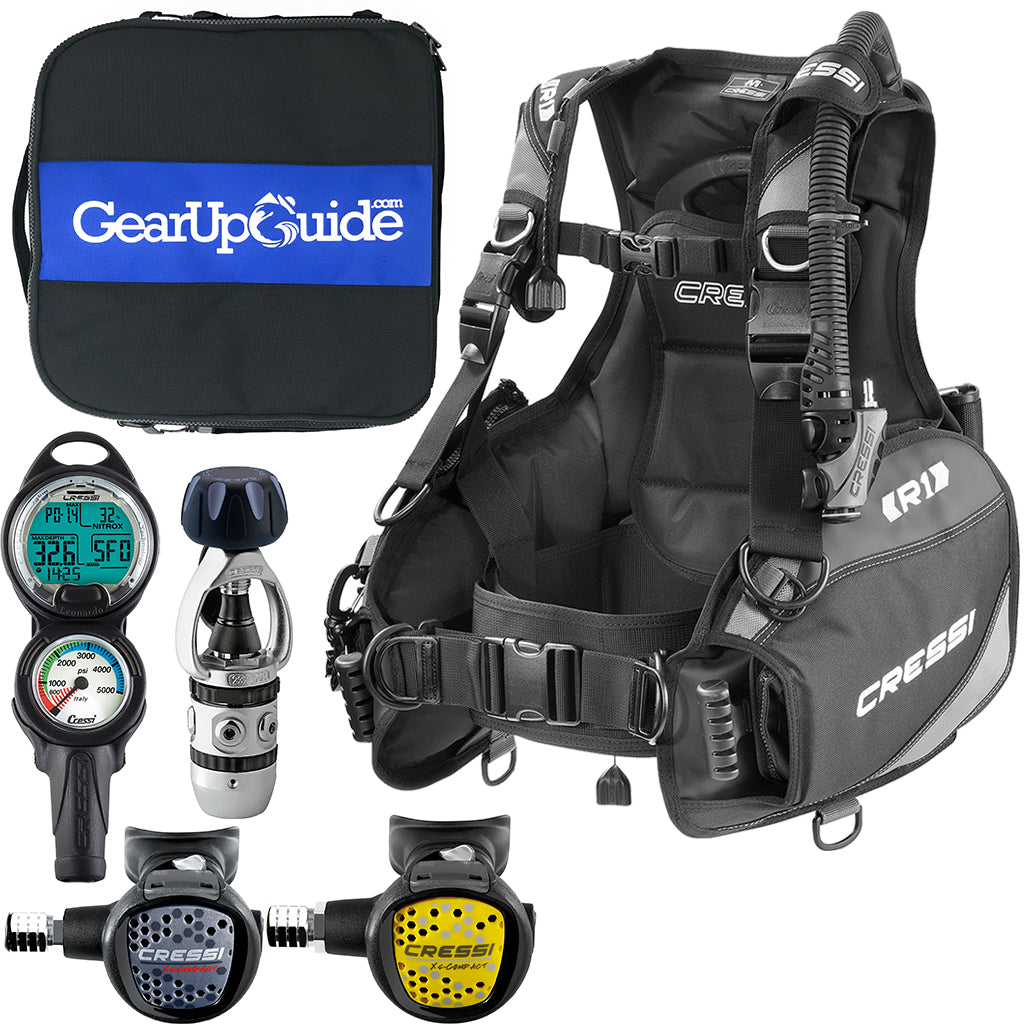
Ready to embark on your own underwater hunting adventure? Lancaster Scuba is your trusted partner in the journey. With our extensive selection of top-quality scuba and spearfishing gear, expert diving instruction, and thrilling travel opportunities, we're here to ensure your spearfishing experience is unforgettable. Check out our scuba gear and join the Lancaster Scuba community where "Gear. Dive. Travel." is not just a slogan, but a gateway to the depths of the ocean.


{"one"=>"Select 2 or 3 items to compare", "other"=>"{{ count }} of 3 items selected"}