

Exploring the Depths: Spearfishing in San Diego
Dive into the exhilarating world of spearfishing in San Diego! Discover the best spots, techniques, and gear for an unforgettable underwater adventure.
Read now
In the vast, blue expanse of the ocean, where adventure calls to the hearts of the daring, lies the thrilling sport of spearfishing. It's a pursuit that combines the ancient art of hunting with the modern technology of scuba diving, offering a unique challenge to those who dare to take it on. But can you spearfish while scuba diving? This question opens the door to a world of underwater exploration, where each dive is not just a journey into the depths but a quest for understanding the delicate balance of marine life.
Spearfishing while scuba diving is a topic that evokes a myriad of emotions, from the exhilaration of the hunt to the serene beauty of the underwater world. It's a practice that has been both celebrated and scrutinized, requiring a closer look to fully comprehend its impact and the regulations that govern it.
Spearfishing is an ancient method of fishing that has evolved over centuries, from simple wooden spears to sophisticated pneumatic and band-powered spearguns. When combined with scuba diving, it allows for a more immersive experience, giving hunters the ability to stay underwater longer and explore deeper realms in search of their prey.
However, this combination of activities is not without its challenges and controversies. The primary concern revolves around the ethical and ecological implications of hunting underwater species, especially in areas where marine life is already under threat from overfishing and habitat destruction.
Given the potential impact on marine ecosystems, many countries and regions have implemented strict regulations regarding spearfishing while scuba diving. These rules can vary significantly, from complete bans in certain areas to specific seasons and limits on the types of fish that can be hunted.
For instance, in some parts of the world, spearfishing while using scuba gear is prohibited to protect vulnerable species and ensure sustainable fishing practices. In other areas, it may be allowed but with strict guidelines on the equipment used and the size and quantity of fish that can be taken.
When venturing into the realm of spearfishing with scuba gear, safety becomes paramount. The combination of underwater hunting and diving presents unique challenges that require careful preparation and awareness.
The right equipment is crucial for safe and successful spearfishing on scuba. This includes not only the speargun but also appropriate diving gear, a knife for safety, and often a buoy or float to signal the diver's location to boats and other divers.
Equally important is proper training. Divers should be well-versed in both scuba diving and spearfishing techniques, understanding how to handle their equipment safely and how to minimize their impact on the underwater environment.
Spearfishing while scuba diving introduces risks such as entanglement in fishing lines, accidental injury from spearguns, and the potential for dangerous encounters with marine life. Divers must also be mindful of the risks associated with scuba diving itself, including decompression sickness and oxygen toxicity.
To mitigate these risks, divers should always follow best practices for safety, including diving with a buddy, maintaining proper buoyancy control, and being aware of their surroundings and the behavior of marine life.
Despite the challenges and controversies, spearfishing while scuba diving remains a captivating pursuit for those drawn to the thrill of the hunt and the beauty of the underwater world. It offers a unique way to connect with the ocean and its inhabitants, fostering a deeper appreciation for the wonders of the marine environment.
For many, the allure of spearfishing on scuba lies in the opportunity to explore parts of the ocean that are otherwise inaccessible. It's a chance to venture into unknown territories, discovering hidden reefs and shipwrecks teeming with life, all while pursuing the primal thrill of the hunt.
Each dive is an adventure, a chance to test one's skills against the challenges of the deep, and to emerge with not just a catch, but stories of the wonders and mysteries of the underwater world.
At the heart of spearfishing while scuba diving is a responsibility to the ocean and its creatures. Ethical hunters understand the importance of sustainable practices, taking only what they need and respecting the balance of marine ecosystems.
This respect for the ocean and its inhabitants is what truly defines the spearfishing experience, transforming it from a mere sport into a profound connection with the natural world. It's a reminder that, in the depths of the sea, we are not just hunters but guests, privileged to explore its mysteries and behold its beauty.
One of the key considerations when engaging in spearfishing while scuba diving is the potential environmental impact of this activity. While spearfishing can be a sustainable way to harvest fish when done responsibly, it also has the potential to harm marine ecosystems if not practiced with care.
Overfishing, where fish populations are depleted faster than they can reproduce, is a significant concern in many parts of the world. Spearfishing, especially when targeting larger predatory fish, can contribute to this issue if not regulated properly. It's essential for spearfishers to be aware of local regulations, fishery management practices, and the status of fish stocks in the areas they are diving.
Additionally, the use of scuba gear in spearfishing can provide hunters with an advantage by allowing them to dive deeper and stay underwater for longer periods. This increased efficiency can lead to higher catch rates, potentially putting additional pressure on fish populations if not monitored closely.
To mitigate the environmental impact of spearfishing while scuba diving, conservation efforts and best practices are crucial. Many organizations work to promote sustainable fishing practices, educate spearfishers on responsible harvesting techniques, and advocate for the protection of marine habitats.
Some best practices for environmentally conscious spearfishing include targeting invasive species that disrupt local ecosystems, avoiding the use of scuba gear to give fish a fair chance to escape, and releasing any unintended catches promptly and unharmed. By following these guidelines, spearfishers can help preserve marine biodiversity and ensure the long-term health of ocean ecosystems.
Mastering the art of spearfishing while scuba diving requires not only skill and knowledge but also an understanding of effective techniques and strategies to increase your chances of a successful catch. From choosing the right equipment to honing your hunting skills, there are several factors to consider when aiming for a productive spearfishing expedition.
When selecting equipment for spearfishing on scuba, it's essential to choose gear that suits your diving and hunting style. Spearguns come in various types, including pneumatic, band-powered, and slings, each offering different advantages depending on the target species and diving conditions.
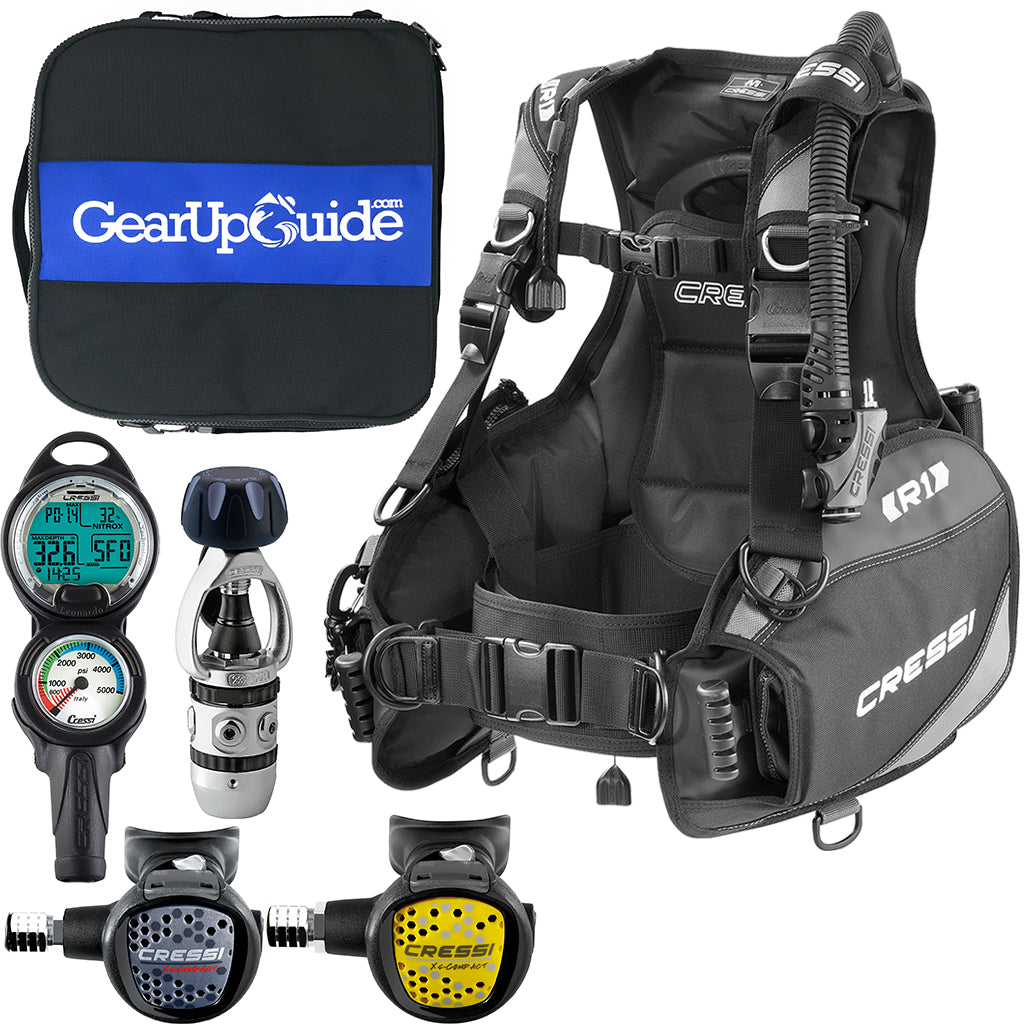
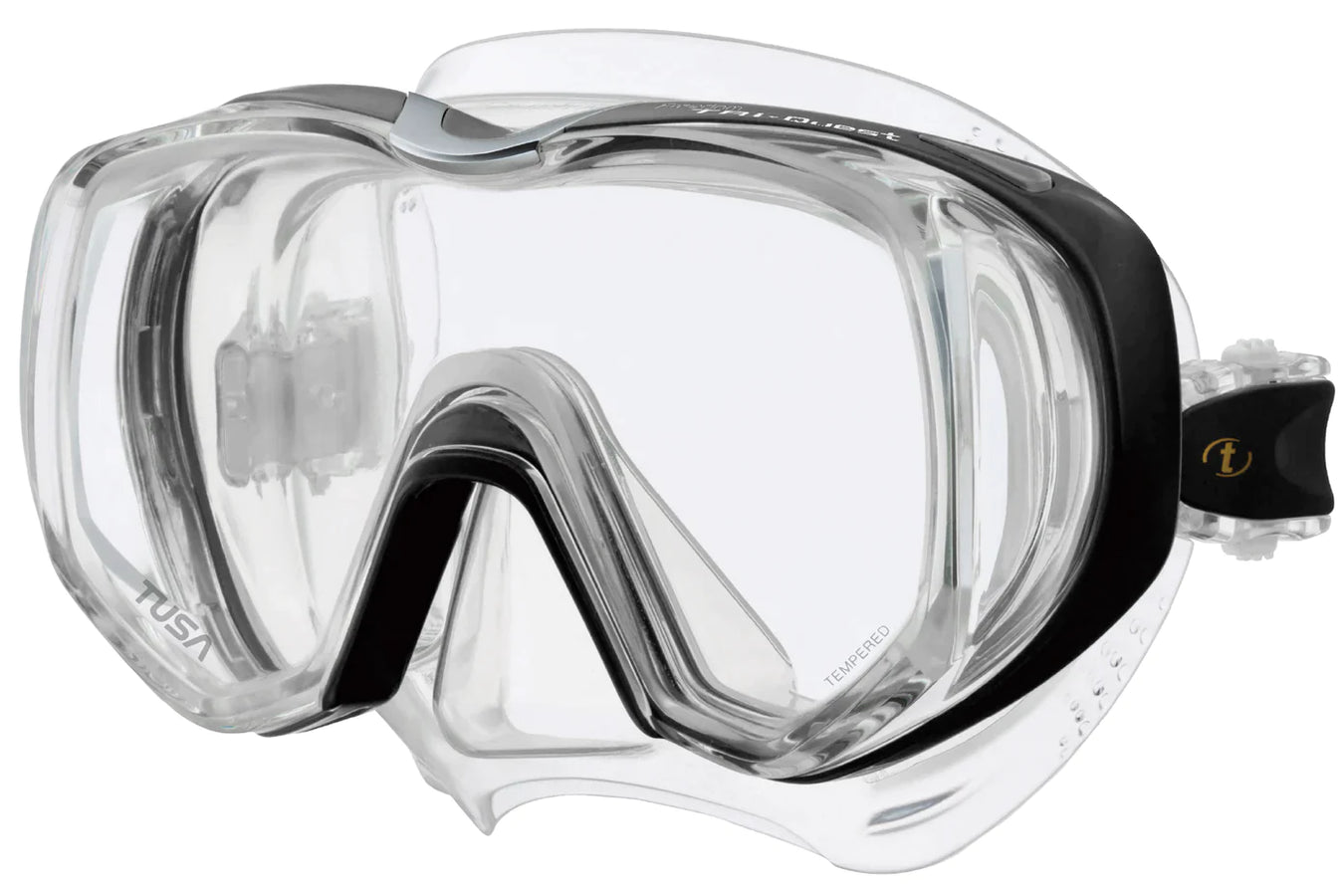
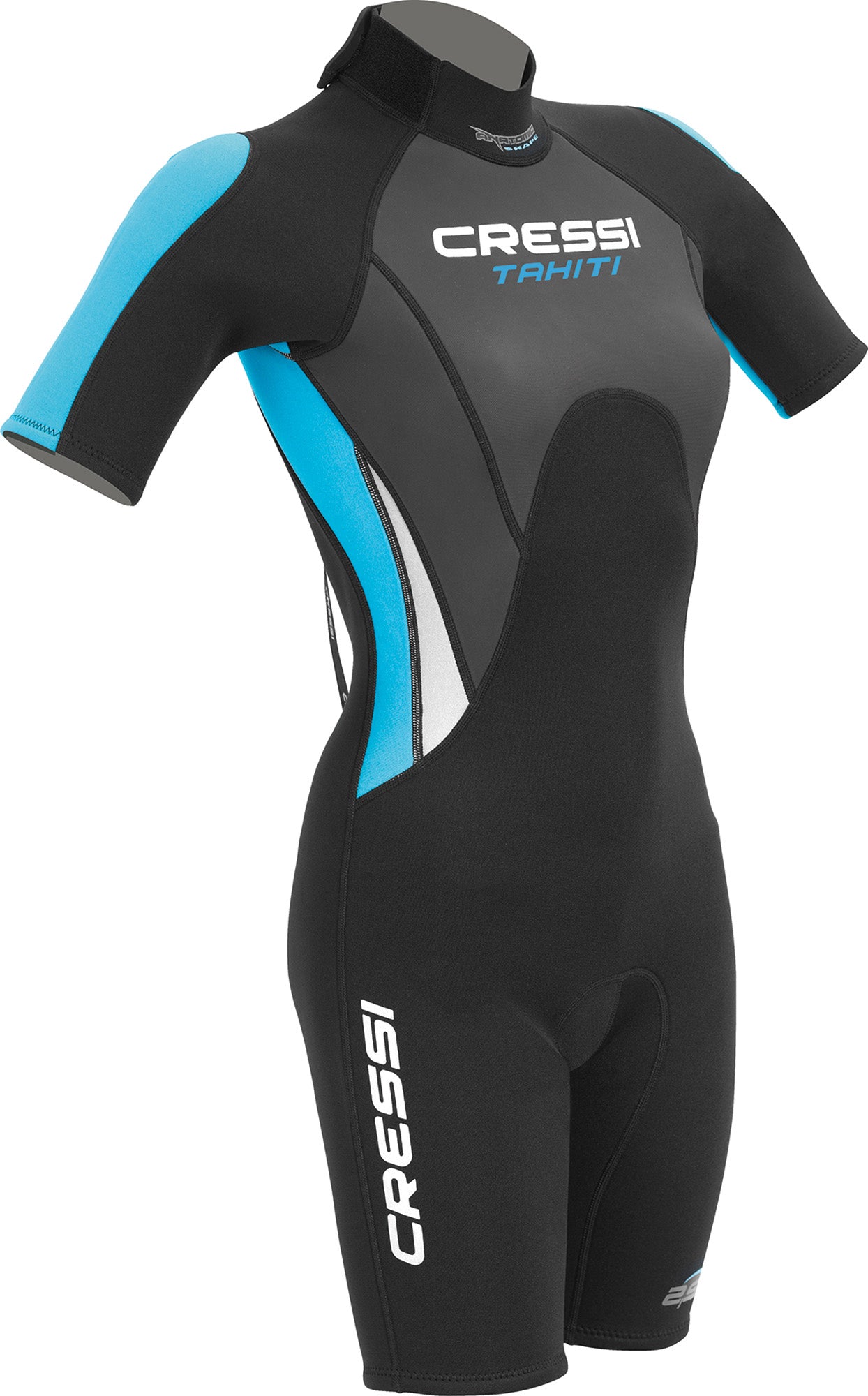
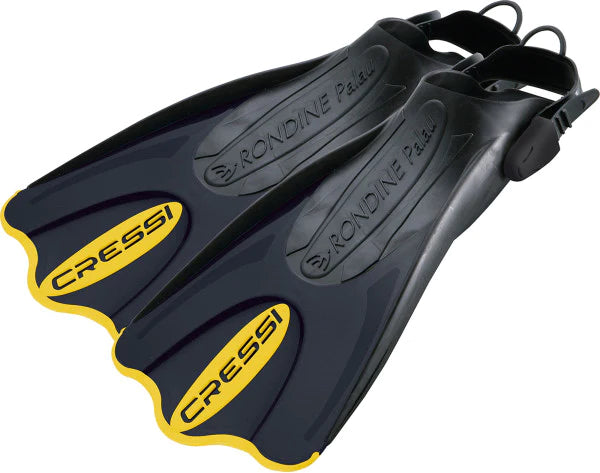
In addition to the speargun, other essential gear includes a diving mask, snorkel, fins, wetsuit, weight belt for buoyancy control, and a dive knife for safety. Having a reliable and well-maintained set of equipment can make a significant difference in your spearfishing experience.
Effective underwater navigation is key to successful spearfishing. Before diving, familiarize yourself with the dive site, noting key landmarks, depths, and potential hiding spots for fish. Using a compass or underwater GPS can help you maintain your bearings and navigate back to the surface safely after your hunt.
When hunting underwater, pay attention to the behavior of fish and other marine life to anticipate their movements and increase your chances of a successful shot. Patience, observation, and stealth are essential skills for a skilled spearfisher.
One of the most critical aspects of spearfishing is shot placement and accuracy. A well-placed shot ensures a humane and efficient kill, minimizing the suffering of the fish and maximizing the chances of a successful catch. Aim for vital areas such as the head or spine to immobilize the fish quickly.
Practice regularly to improve your aim and shooting technique, both on land and in the water. Understanding the ballistics of your speargun, the trajectory of your shots, and the behavior of fish can help you become a more precise and effective hunter.
Ensuring safety and practicing good etiquette while spearfishing on scuba is essential for your well-being and the well-being of the marine environment. Always dive with a buddy for added safety, communicate effectively underwater using hand signals, and establish a plan in case of emergencies.
Respect the marine life you encounter, only taking what you intend to use and avoiding wasteful practices. Properly dispose of any trash or debris you encounter during your dives, and be mindful of your impact on the underwater ecosystem.
By following these techniques and strategies, spearfishers can enhance their skills, increase their success rate, and contribute to the sustainable practice of spearfishing while scuba diving.
In conclusion, spearfishing while scuba diving is a multifaceted activity that blends the thrill of the hunt with the love of the ocean. It requires knowledge, skill, and a deep respect for marine life and ecosystems. For those who choose to embark on this adventure, it offers not just the excitement of the catch but the opportunity to connect with the underwater world in a unique and meaningful way.
Ready to take the plunge and experience the exhilarating combination of spearfishing and scuba diving? Lancaster Scuba is your gateway to the underwater adventure you seek. With our extensive selection of top-notch gear, expert diving instruction, and breathtaking travel destinations, we've got everything you need to gear up, dive in, and explore the world beneath the waves. Whether you're a beginner or a seasoned pro, our PADI-certified spearfishing courses will enhance your skills and knowledge. Don't wait to start your next underwater quest. Check out our scuba gear today and embark on a journey that transcends the ordinary.


{"one"=>"Select 2 or 3 items to compare", "other"=>"{{ count }} of 3 items selected"}