

Exploring the Depths: Spearfishing in San Diego
Dive into the exhilarating world of spearfishing in San Diego! Discover the best spots, techniques, and gear for an unforgettable underwater adventure.
Read now
In the vast and vibrant world of underwater adventure, spearfishing stands out as a pursuit that combines the thrill of the hunt with the profound beauty of the ocean. California, with its sprawling coastline and diverse marine ecosystems, beckons as a premier destination for enthusiasts eager to explore its underwater realms. Yet, the question remains: Can you spearfish in California? This guide delves deep into the heart of California's spearfishing scene, uncovering the rules, the spots, and the spirit that define this exhilarating activity.
Before plunging into the cool, inviting waters of the Pacific, it's crucial to navigate the legal waters governing spearfishing in California. The state's commitment to marine conservation and sustainable fishing practices has shaped a regulatory framework designed to protect its aquatic treasures while allowing adventurers to partake in the thrill of spearfishing.
California's Department of Fish and Wildlife oversees the rules and regulations that spearfishers must adhere to. These laws are crafted with the dual purpose of ensuring the safety of individuals and the sustainability of marine life populations. Key regulations include the requirement of a valid fishing license for anyone 16 years and older, restrictions on spearfishing in Marine Protected Areas (MPAs), and species-specific size and bag limits. It's a tapestry of rules that underscores California's dedication to balancing human activity with ecological preservation.
Moreover, the use of certain types of spearfishing gear, such as those involving explosives or chemicals, is strictly prohibited, highlighting the state's stance on ethical hunting practices. By familiarizing oneself with these regulations, spearfishers can ensure their adventures not only thrill but also respect the delicate balance of California's marine ecosystems.
California's network of MPAs serves as a testament to its pioneering role in marine conservation. These areas, designated to protect marine habitats and biodiversity, have specific rules regarding fishing and spearfishing. While some MPAs completely prohibit take, others may allow spearfishing but with strict regulations. The key to harmoniously coexisting with these conservation efforts is knowledge and compliance. By respecting the boundaries and rules of MPAs, spearfishers contribute to the preservation of marine environments that will enchant generations to come.
When gearing up for a spearfishing adventure in California, it's essential to have the right equipment to ensure both safety and success. Spearfishers typically use a speargun or pole spear to target fish underwater. Spearguns come in various sizes and styles, with pneumatic and band-powered options being popular choices. Pole spears, on the other hand, offer a more traditional and challenging approach to spearfishing, requiring close-range accuracy and skill.
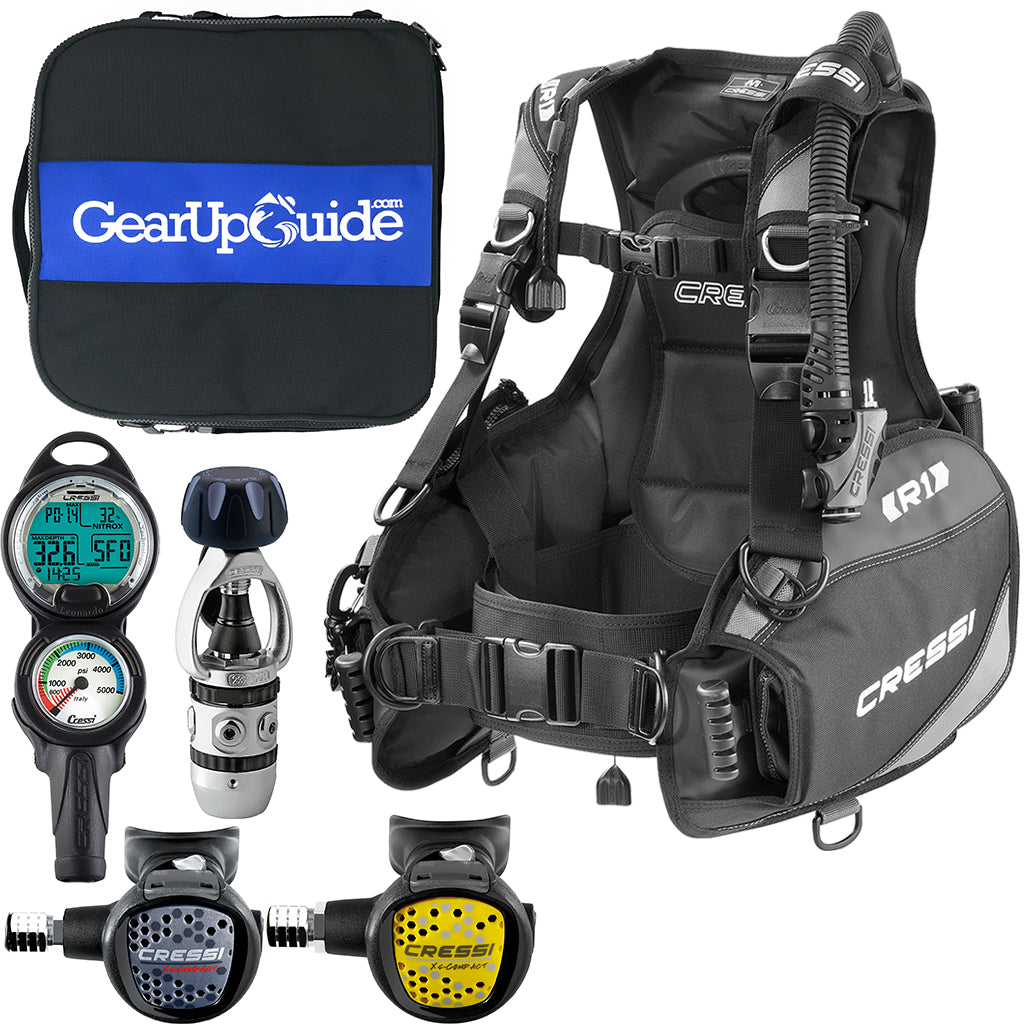
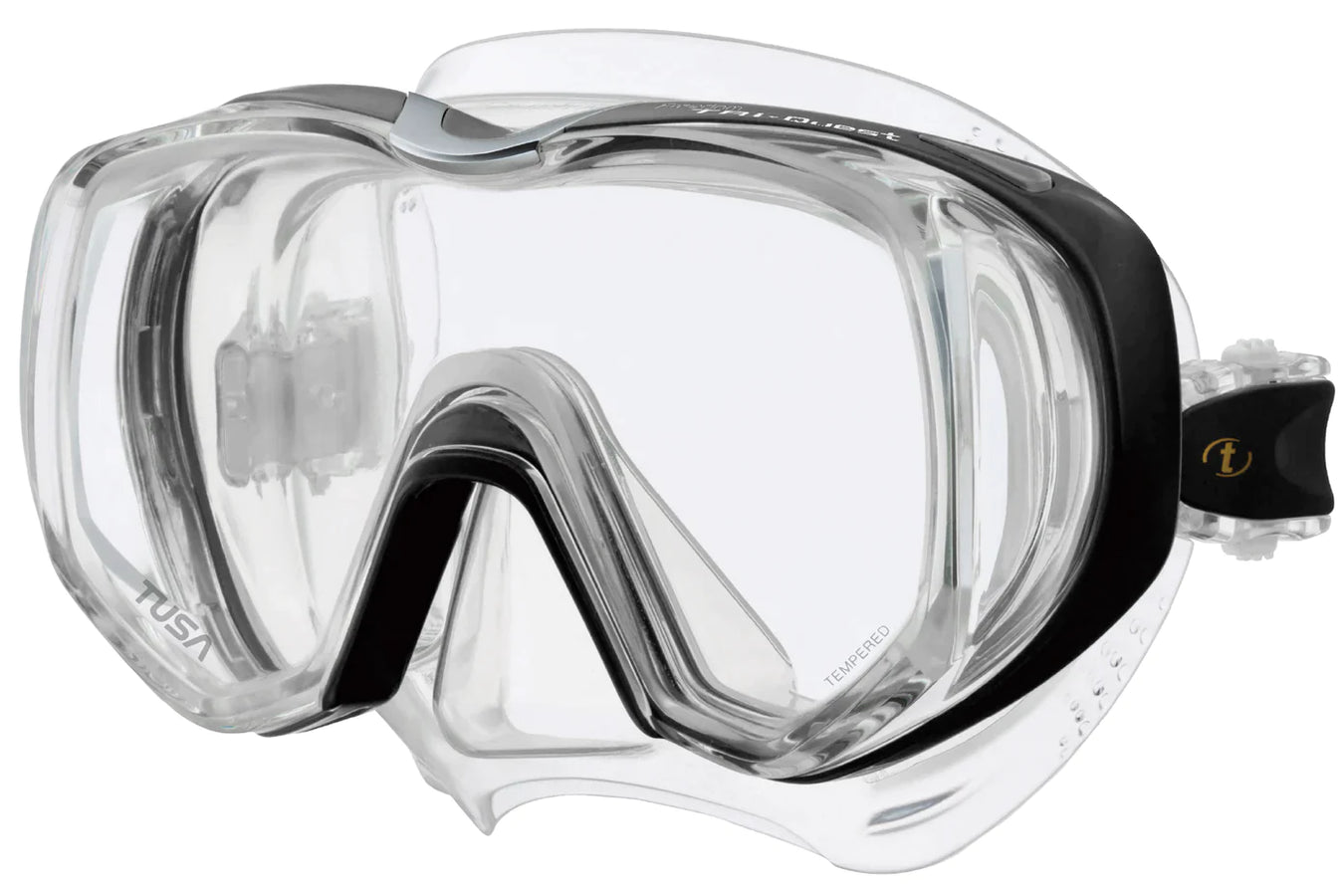
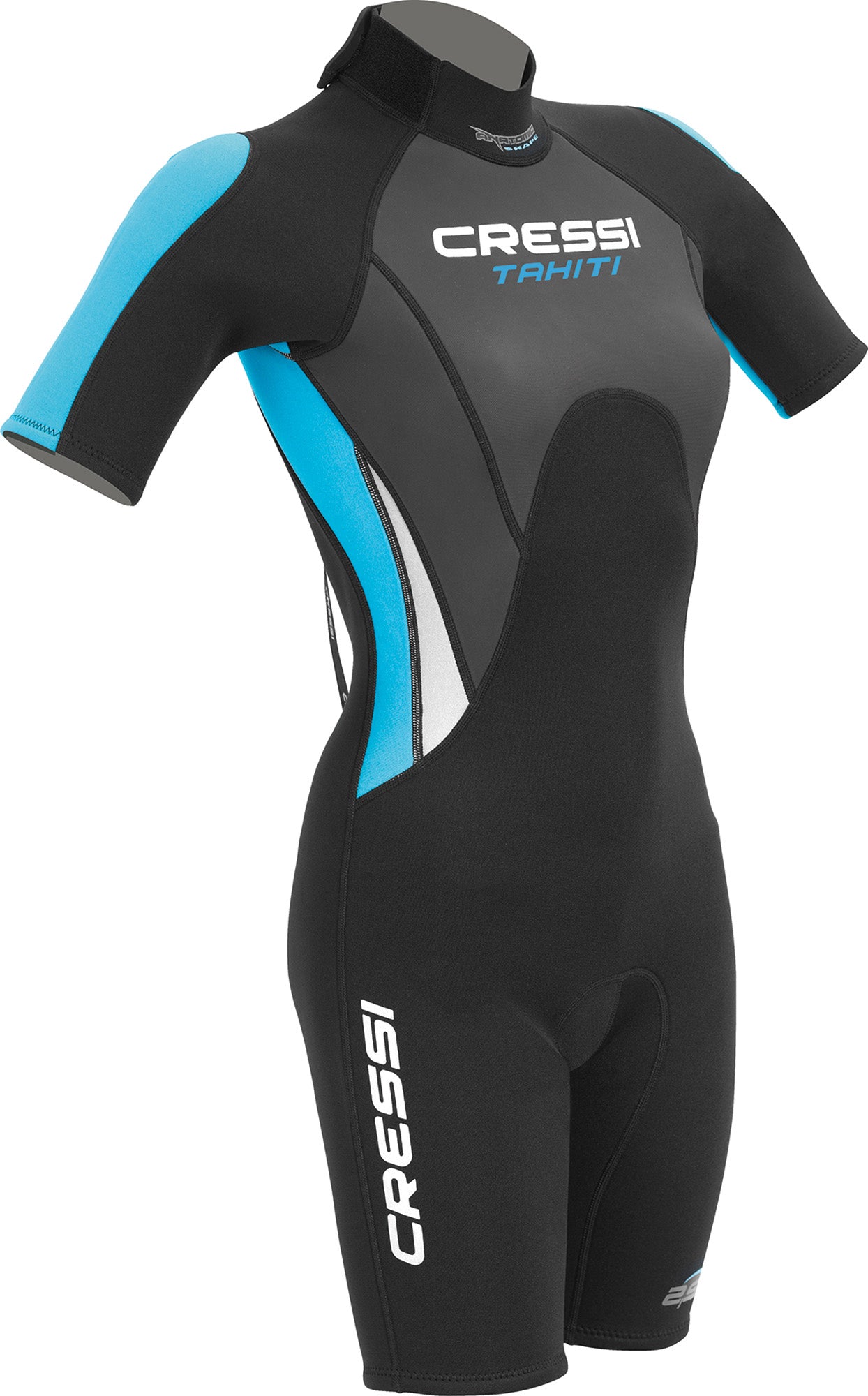
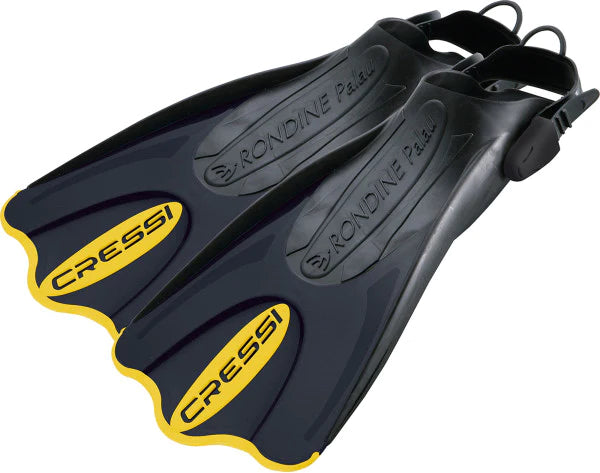
Other essential gear includes a wetsuit to protect against the cold waters of California, diving fins for efficient movement underwater, a mask and snorkel for clear vision and breathing, and a weight belt for proper buoyancy control. Safety equipment such as a dive knife, signaling devices, and a dive flag are also crucial for a safe and enjoyable spearfishing experience.
California's coastline is a mosaic of spearfishing spots, each with its unique charm and challenges. From the kelp forests of the Channel Islands to the rocky shores of Northern California, the state offers a backdrop for every level of spearfishing adventure.
The rugged beauty of California's Northern Coast, with its cold waters and rich marine life, offers a spearfishing experience like no other. Locations such as Mendocino and Sonoma counties are renowned for their abundance of rockfish, lingcod, and abalone (though it's important to note that abalone harvesting is currently prohibited due to conservation efforts). The challenge of the cold water and the thrill of navigating the rocky underwater terrain make the Northern Coast a destination for the adventurous at heart.
Moving southward, the Central Coast and the Channel Islands present a world of underwater kelp forests teeming with life. These areas are hotspots for spearfishing species such as yellowtail, white seabass, and various types of bass. The kelp forests not only provide a stunning backdrop for underwater exploration but also serve as a habitat for the marine life that spearfishers seek, creating a dynamic environment for both novice and experienced divers.
The warm waters of Southern California's coast are a haven for spearfishers year-round. San Diego, with its accessible shore dives and boat trips to more secluded spots, offers a diverse range of targets, including halibut, lobster, and even the elusive bluefin tuna. The region's mild climate and clear waters make it an ideal location for those looking to combine spearfishing with the simple joy of being in the ocean.
Respect for the environment and fellow ocean enthusiasts is paramount in the world of spearfishing. Practicing good etiquette not only ensures a positive experience for oneself but also contributes to the sustainability of marine ecosystems. Spearfishers should always respect marine life by only targeting legal species within size limits, avoiding overfishing, and properly disposing of any trash or debris encountered during their dives.
Furthermore, maintaining a courteous attitude towards other divers, fishermen, and beachgoers fosters a sense of community and camaraderie along California's coastlines. By following established etiquette guidelines, spearfishers can help preserve the beauty and integrity of the ocean for future generations to enjoy.
Spearfishing, like any adventure sport, comes with its inherent risks and responsibilities. In California, the ethos of spearfishing is built on a foundation of safety and conservation, ensuring that the pursuit of adventure goes hand in hand with respect for the ocean and its inhabitants.
Safety is paramount in spearfishing, a sport that demands both physical and mental preparation. California spearfishers are encouraged to undergo training, familiarize themselves with their equipment, and never dive alone. Awareness of one's surroundings, understanding of the ocean's conditions, and respect for the power of the sea are essential components of a safe and enjoyable spearfishing experience.
Additionally, the practice of selective spearfishing—targeting only specific species and sizes—reflects the spearfishing community's commitment to sustainable fishing practices. By adhering to regulations and embracing a conservation-minded approach, spearfishers play a crucial role in the stewardship of California's marine ecosystems.
Education and community are the bedrock of a responsible spearfishing culture. Through workshops, certification courses, and community events, spearfishers in California have access to a wealth of knowledge and a supportive network of like-minded individuals. This collective enthusiasm for learning and sharing not only enhances the safety and enjoyment of spearfishing but also fosters a sense of stewardship towards the marine environment.
Furthermore, ongoing education about marine conservation, sustainable fishing practices, and the latest developments in spearfishing technology ensures that spearfishers remain informed and engaged stewards of California's underwater ecosystems. By staying connected with the spearfishing community and participating in educational opportunities, enthusiasts can deepen their appreciation for the ocean and contribute to its long-term health.
Ready to take the plunge into California's spearfishing waters? Lancaster Scuba is your go-to destination for all your underwater needs. With our extensive selection of top-notch gear, expert diving instruction, and thrilling travel opportunities, we ensure your spearfishing experience is nothing short of extraordinary. Check out our scuba gear and join the community of adventurers who choose "Gear. Dive. Travel." for a seamless spearfishing journey. Dive in with Lancaster Scuba and make every underwater adventure a story worth telling.


{"one"=>"Select 2 or 3 items to compare", "other"=>"{{ count }} of 3 items selected"}