

Exploring the Depths: Spearfishing in San Diego
Dive into the exhilarating world of spearfishing in San Diego! Discover the best spots, techniques, and gear for an unforgettable underwater adventure.
Read now
In the vast expanse of the ocean's embrace, there lies a world teeming with life and mystery, inviting the curious and the adventurous to explore its depths. Snorkeling, a gateway to this underwater realm, offers a glimpse into the aquatic ballet of fish and the silent sway of coral gardens. But for those who find themselves less confident in their swimming abilities, the question arises: Can you snorkel if you can't swim? This exploration is not just about answering a question; it's about diving into the possibilities that snorkeling offers to everyone, swimmer or not.
At the heart of snorkeling is the joy of discovery, a joy that should not be dimmed by the level of one's swimming skills. For those who hesitate at the water's edge, fearing their lack of swimming prowess might bar them from the wonders beneath the waves, there is hope and opportunity.
Snorkeling is an activity that allows individuals to observe underwater life for extended periods without the need for complex equipment or extensive training. It involves a snorkel (a breathing tube) and a mask that enables the snorkeler to breathe while floating face-down on the surface of the water. This fundamental aspect of snorkeling is what makes it accessible to non-swimmers, as it requires minimal movement and no swimming strokes.
However, understanding and respecting the ocean's power is crucial. Even the calmest sea holds unpredictable currents and conditions that demand awareness and preparation.
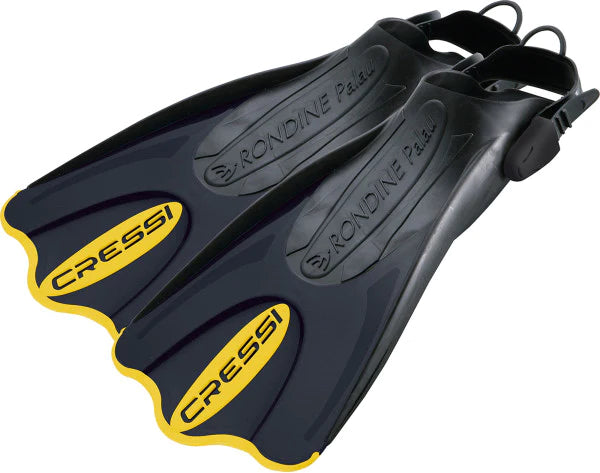
The right equipment plays a pivotal role in ensuring a safe and enjoyable snorkeling experience for non-swimmers. A well-fitted snorkeling vest, which provides buoyancy and helps the wearer stay afloat, is essential. Additionally, using fins can offer better control and propulsion with minimal effort, further reducing the need for swimming skills.
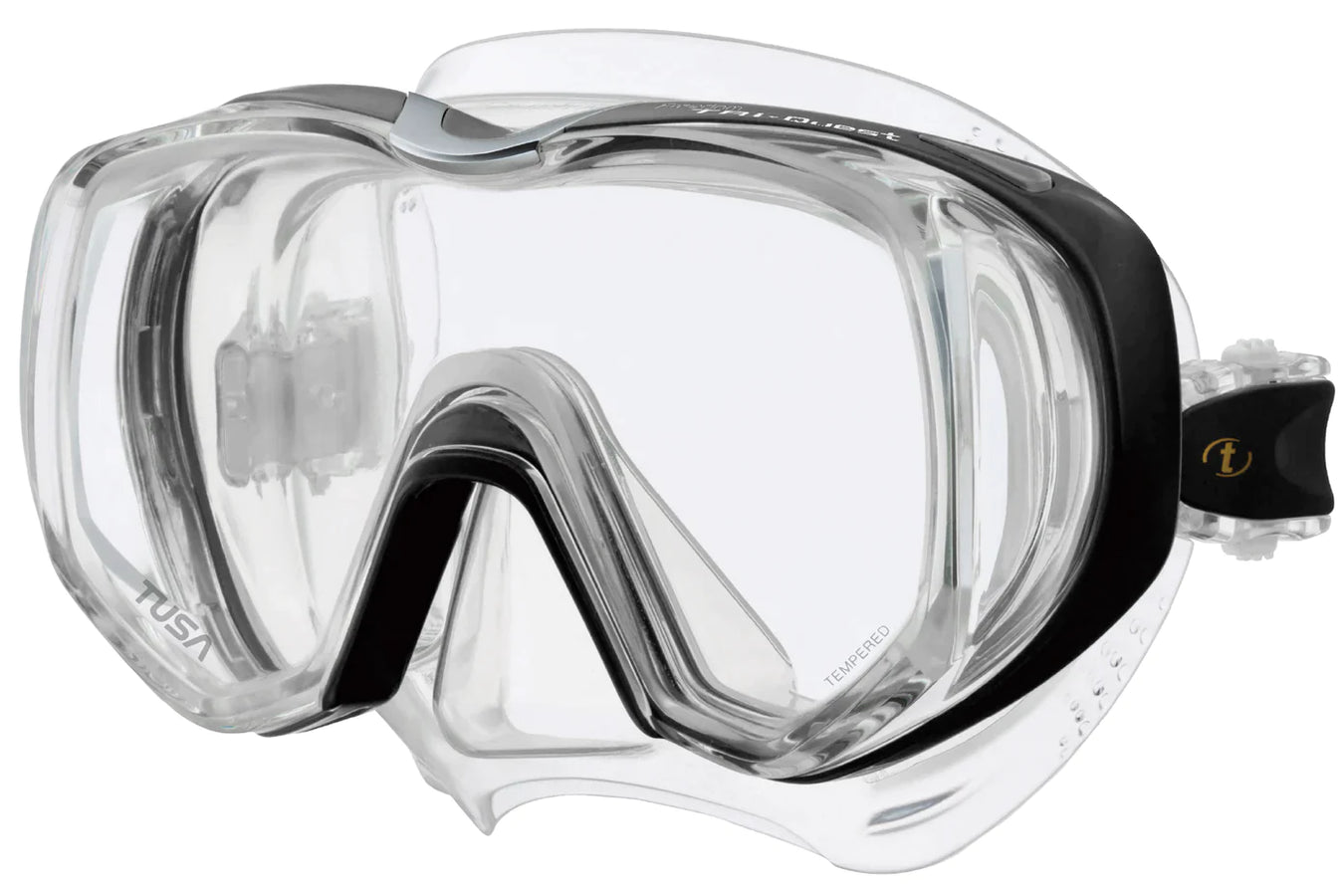
Choosing a mask that fits snugly without being too tight is crucial to prevent water from entering and to ensure clear vision underwater. A dry snorkel, designed to prevent water from entering the tube, is also advisable for beginners and non-swimmers alike.
For non-swimmers, selecting the appropriate location is key to a safe snorkeling experience. Calm, shallow waters with minimal currents and abundant marine life close to the shore offer the best conditions. Many popular snorkeling spots around the world cater to beginners and non-swimmers, providing guided tours and designated safe areas for snorkeling.
It's also beneficial to snorkel in areas where lifeguards are present, or at least ensure that a companion is nearby, ready to assist if necessary.
Embarking on a snorkeling adventure without swimming skills requires careful preparation and adherence to safety precautions. This preparation not only enhances the experience but also ensures that the beauty of the underwater world can be enjoyed without fear.
Before venturing into open water, taking snorkeling lessons in a controlled environment, such as a swimming pool, can be incredibly beneficial. These lessons can familiarize non-swimmers with the equipment, breathing techniques, and floating methods essential for snorkeling. Practicing in a pool also allows individuals to build confidence in a safe, controlled setting.
Understanding how to clear water from the snorkel and mask, and learning how to signal for help, are crucial skills that can be honed during these sessions.
While snorkeling is a relatively low-impact activity, it's important for participants to assess their health and fitness levels, especially for non-swimmers. Ensuring that one is physically capable of floating and moving in the water with the aid of buoyancy devices is essential. Consulting with a healthcare provider before engaging in snorkeling can provide peace of mind and ensure that any potential health concerns are addressed.
Staying hydrated, avoiding alcohol before snorkeling, and being mindful of sun exposure are also important health considerations.
For non-swimmers, the idea of snorkeling may initially seem daunting. However, with the right mindset and approach, challenges can be overcome, and confidence can be built step by step. It's essential to acknowledge any fears or uncertainties and address them through preparation and practice.
Visualization techniques can be helpful in mentally preparing for a snorkeling experience. By envisioning oneself floating effortlessly in the water, surrounded by the beauty of marine life, one can cultivate a sense of calm and readiness.
Building confidence in the water, even for non-swimmers, is a gradual process that starts with small steps. Spending time in shallow water, getting accustomed to the sensation of floating with the aid of a snorkeling vest, can help individuals acclimate to the aquatic environment.
Practicing breathing exercises while floating on the surface can also enhance comfort and relaxation in the water. Slow, deep breaths in through the snorkel and out through the mouth can promote a sense of ease and control.
Setting achievable goals for each snorkeling session can contribute to a sense of accomplishment and progress. Whether it's gradually venturing into deeper waters or spending longer periods observing marine life, incremental steps can lead to a fulfilling snorkeling experience.
By celebrating each milestone, no matter how small, non-swimmers can build their confidence and expand their comfort zone in the water.
One of the most captivating aspects of snorkeling is the opportunity to explore diverse underwater ecosystems, each teeming with unique flora and fauna. From vibrant coral reefs to tranquil seagrass meadows, the underwater world holds a wealth of wonders waiting to be discovered.
Coral reefs, often referred to as the rainforests of the sea, are bustling hubs of marine biodiversity. These intricate structures provide shelter and sustenance to a myriad of fish, invertebrates, and other marine creatures. Snorkeling around coral reefs offers a kaleidoscopic display of colors and shapes, showcasing the interconnectedness of life beneath the waves.
Observing the delicate dance of reef fish among the coral branches and witnessing the graceful movements of sea turtles gliding through the water are experiences that leave a lasting impression on snorkelers, swimmers, and non-swimmers alike.
Seagrass meadows, with their swaying blades of grass and hidden treasures, provide a serene backdrop for snorkeling adventures. These underwater prairies serve as nurseries for juvenile fish, feeding grounds for herbivorous species, and habitats for a variety of marine organisms.
Exploring seagrass meadows while snorkeling offers glimpses of seahorses blending seamlessly with their surroundings, colorful nudibranchs crawling delicately along the seabed, and rays gracefully gliding over the sandy bottom. The tranquility of these ecosystems invites non-swimmers to immerse themselves in the beauty of the underwater world.
The ocean is a vast, living tapestry, rich with colors and life. Snorkeling offers an unparalleled opportunity to become part of this world, if only for a moment. The sensation of floating, of being suspended in a world so different from our own, is an experience that touches the soul.
For non-swimmers, the adventure of snorkeling is not just about seeing the underwater sights; it's about overcoming fears, embracing new experiences, and discovering the boundless potential within themselves. It's a reminder that the ocean, with all its mystery and majesty, is open to all who approach it with respect and wonder.
As snorkelers, whether swimmers or not, we are visitors to the underwater world. It's our responsibility to ensure that our presence does not harm the delicate ecosystems we are privileged to observe. Practicing responsible snorkeling—by not touching or stepping on coral, avoiding the harassment of marine life, and being mindful of our impact—is essential.
Through snorkeling, we gain not only an appreciation for the beauty and diversity of marine life but also an understanding of the importance of conserving these precious ecosystems for future generations.
In the end, the question of whether you can snorkel if you can't swim is met with a resounding affirmation. Yes, with preparation, respect for the ocean, and the right approach, snorkeling can be an accessible, safe, and profoundly rewarding experience for everyone. It's an invitation to dive into life's potential, to explore the unknown, and to discover the wonders that lie just beneath the surface.
Ready to embrace the wonders of the sea? Lancaster Scuba is your gateway to the underwater adventure you've been dreaming of. Whether you're a seasoned swimmer or just starting out, our expert team is here to equip you with the confidence and gear you need. From top-notch equipment to PADI-certified courses and breathtaking dive trips, we've got you covered. Check out our scuba gear and take the first step towards your snorkeling journey today!


{"one"=>"Select 2 or 3 items to compare", "other"=>"{{ count }} of 3 items selected"}