

Exploring the Depths: Spearfishing in San Diego
Dive into the exhilarating world of spearfishing in San Diego! Discover the best spots, techniques, and gear for an unforgettable underwater adventure.
Read now
In the vast, blue expanse of the ocean, where adventure calls beneath the waves, many find solace, excitement, and a unique sense of freedom through scuba diving. It's a world that beckons with the promise of discovery, where every dive is a journey into the unknown. Yet, for those with high blood pressure, the question arises: is it safe to partake in this underwater adventure? This article delves into the heart of this question, exploring the interplay between high blood pressure and scuba diving, guided by the latest medical advice, safety protocols, and the spirit of exploration that defines the diving community.
Understanding the relationship between high blood pressure and scuba diving is crucial for those who yearn to explore the depths without compromising their health. High blood pressure, or hypertension, poses certain risks in the pressurized environment of underwater exploration. Yet, with proper management and precautions, diving can still be within reach.
Before embarking on a diving adventure, individuals with high blood pressure should seek medical advice. A thorough medical evaluation can determine whether one's condition is well-managed and stable enough for diving. Doctors often emphasize the importance of controlled blood pressure levels, achieved through medication, diet, and exercise, as a prerequisite for safe diving.
Recent studies suggest that well-controlled hypertension may not significantly increase the risk of diving-related complications. However, the presence of related health issues, such as heart disease or kidney problems, could complicate the situation, necessitating a more cautious approach.
For divers with high blood pressure, adhering to safety protocols is paramount. This includes avoiding deep dives and those requiring decompression stops, as these can exacerbate the risks associated with hypertension. Divers should also ensure they are well hydrated and avoid overexertion, which can lead to sudden spikes in blood pressure.
Monitoring one's condition before and after dives is also crucial. Divers with hypertension should pay close attention to any symptoms of discomfort, dizziness, or chest pain, and ascend slowly to the surface if such symptoms occur.
Education plays a pivotal role in empowering divers with high blood pressure to navigate the challenges and risks associated with their condition. By understanding the effects of underwater pressure on the body and recognizing the signs of potential complications, divers can make informed decisions about their underwater adventures.
Specialized diving courses offer valuable insights into safe diving practices for individuals with medical conditions, including high blood pressure. These courses cover topics such as the physics of diving, the body's response to increased pressure, and emergency procedures, equipping divers with the knowledge they need to dive safely.
Moreover, many diving schools and organizations provide resources and support for divers with health concerns, fostering a community where safety and inclusivity are paramount.
Dive instructors, in collaboration with medical professionals, play a crucial role in ensuring the safety of divers with high blood pressure. Instructors trained in recognizing and managing medical conditions can offer personalized advice and adjustments to diving plans, ensuring a safe and enjoyable experience for all.
Regular consultations with healthcare providers allow divers to stay informed about their condition and any potential risks associated with diving, enabling them to make informed decisions about their underwater activities.
Despite the challenges posed by high blood pressure, the underwater world remains accessible to those who approach it with caution, preparation, and respect for their health. With the right precautions and a spirit of adventure, diving can be a safe and enriching activity for individuals with hypertension.
Selecting appropriate dive sites is crucial for divers with high blood pressure. Shallow, calm waters with minimal currents are ideal, reducing the physical exertion required and minimizing the risk of adverse effects. Many beautiful and fascinating dive sites around the world meet these criteria, offering breathtaking experiences without compromising safety.
Additionally, diving in controlled environments, such as aquariums or supervised underwater parks, can provide a safe and controlled introduction to the underwater world for those with health concerns.
For many, the allure of scuba diving lies in the joy of discovery—encountering vibrant coral reefs, observing the intricate behaviors of marine life, and uncovering the mysteries of sunken ships. These experiences are not diminished by diving with high blood pressure; rather, they are made all the more precious by the knowledge that they have been achieved through careful planning and respect for one's health.
Physical fitness plays a significant role in the safety and enjoyment of scuba diving, especially for individuals with high blood pressure. Engaging in regular exercise routines that focus on cardiovascular health can help improve overall fitness levels and potentially reduce the risks associated with hypertension during dives.
Activities such as swimming, cycling, and yoga can enhance flexibility, strength, and lung capacity, all of which are beneficial for divers. Maintaining a healthy weight and following a balanced diet rich in fruits, vegetables, and lean proteins can also contribute to better cardiovascular health, supporting safe diving practices.
Seeking guidance from fitness professionals, such as personal trainers or physical therapists, can provide tailored exercise programs that address individual needs and goals. These professionals can help divers with high blood pressure create workout routines that focus on strengthening the heart, improving circulation, and enhancing overall physical well-being.
By incorporating regular physical activity into their lifestyles, divers can not only improve their diving performance but also promote long-term health and well-being, reducing the potential impact of high blood pressure on their underwater adventures.
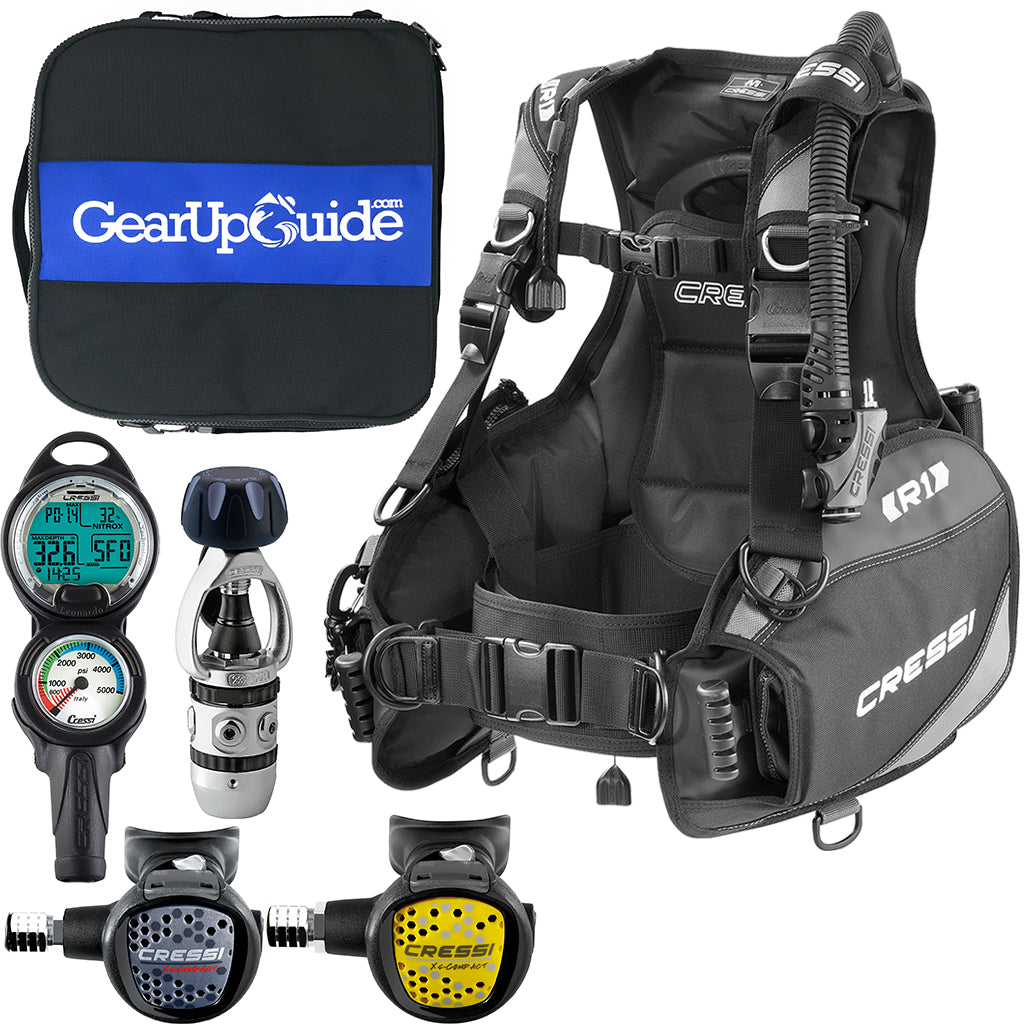
When diving with high blood pressure, selecting the right equipment is essential to ensure a safe and comfortable experience underwater. Divers should pay special attention to certain gear that can help mitigate the risks associated with hypertension and enhance their overall diving experience.
One crucial piece of equipment is the dive computer, which monitors depth, time underwater, and decompression limits. Divers with high blood pressure should choose a dive computer with clear displays and audible alarms to help them track their dive profiles and avoid potential complications.
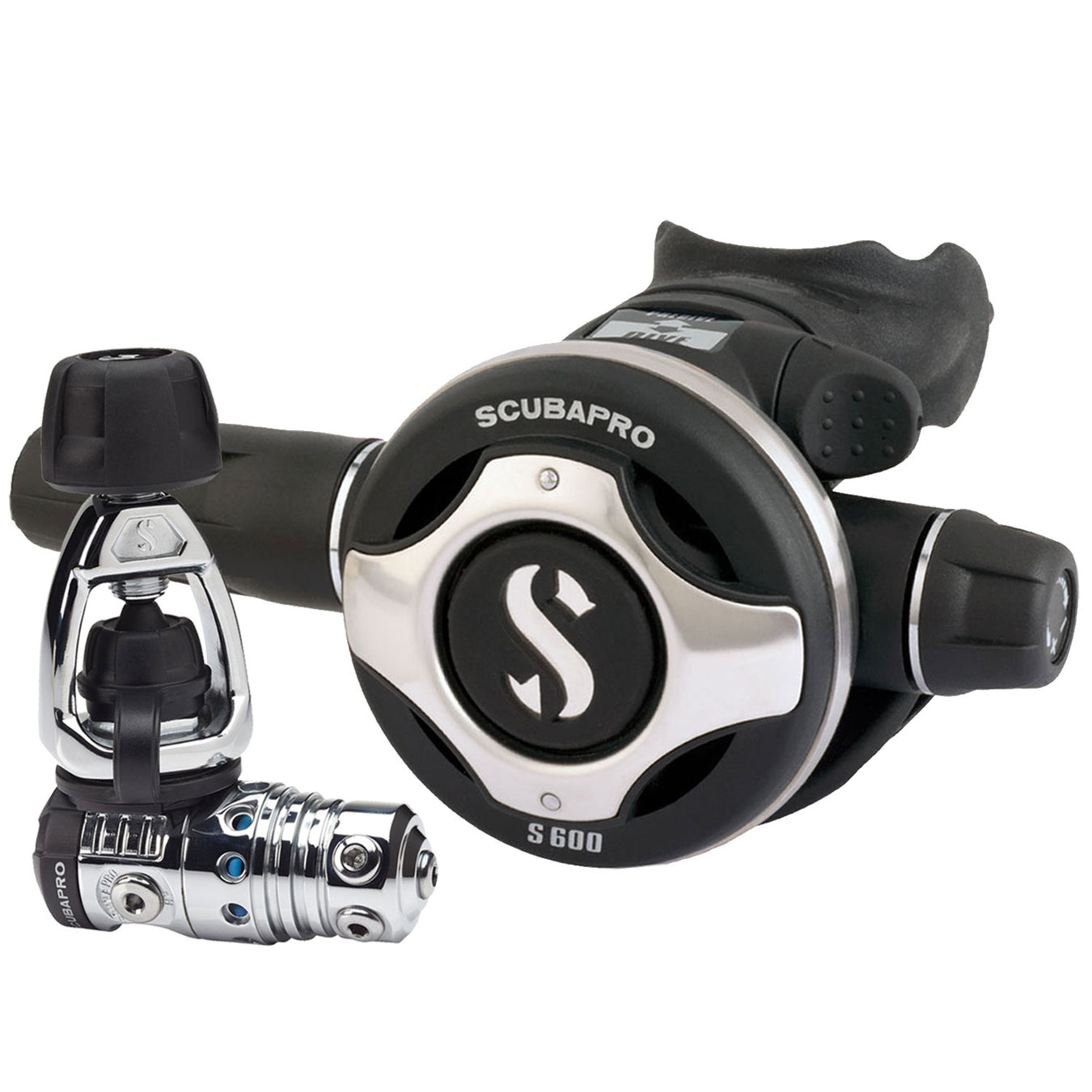
Regulators and buoyancy compensators are vital components of a diver's equipment that require careful consideration for individuals with hypertension. Regulators should be regularly serviced to ensure optimal performance and reliability, while buoyancy compensators should be adjusted to provide proper buoyancy control throughout the dive.
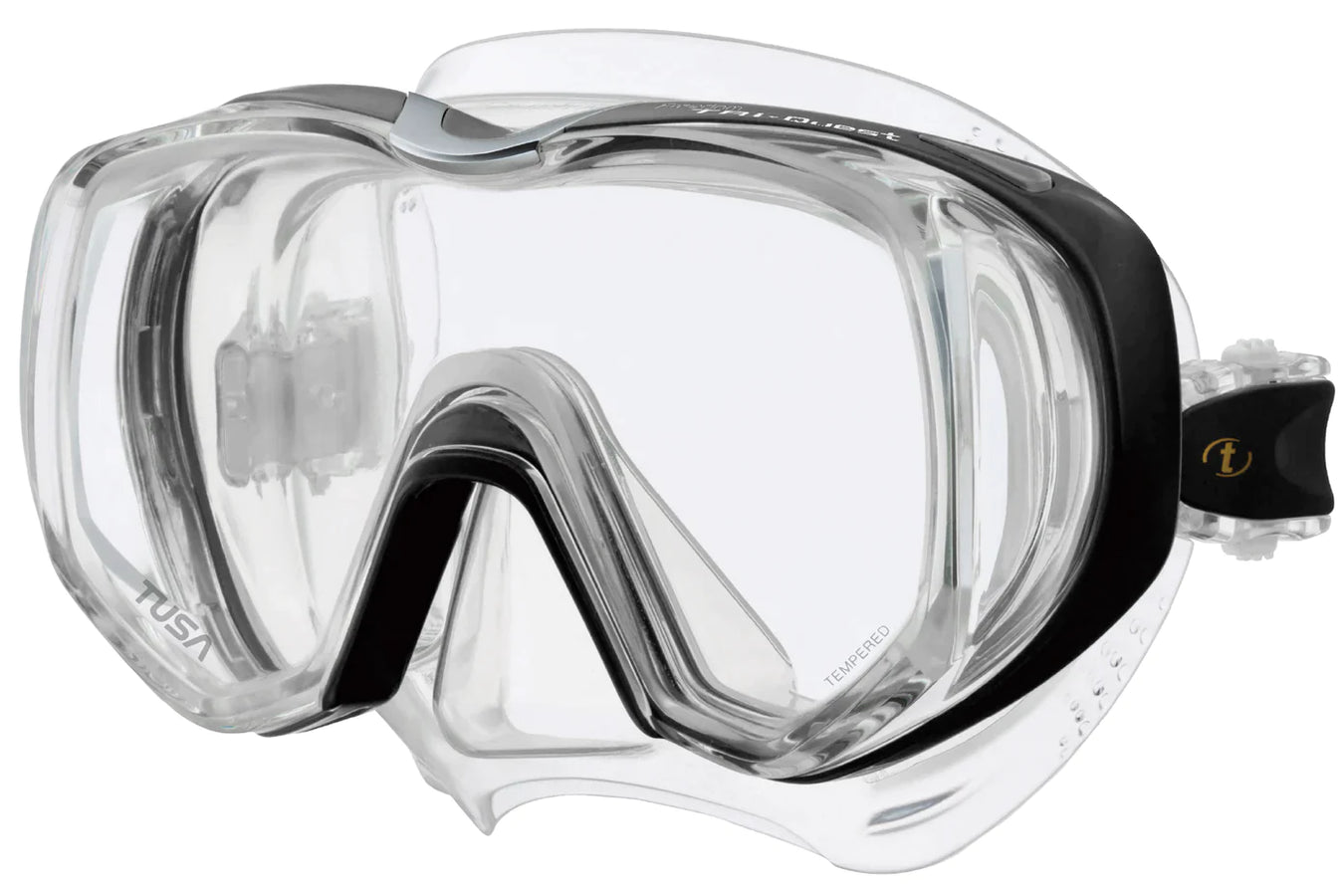
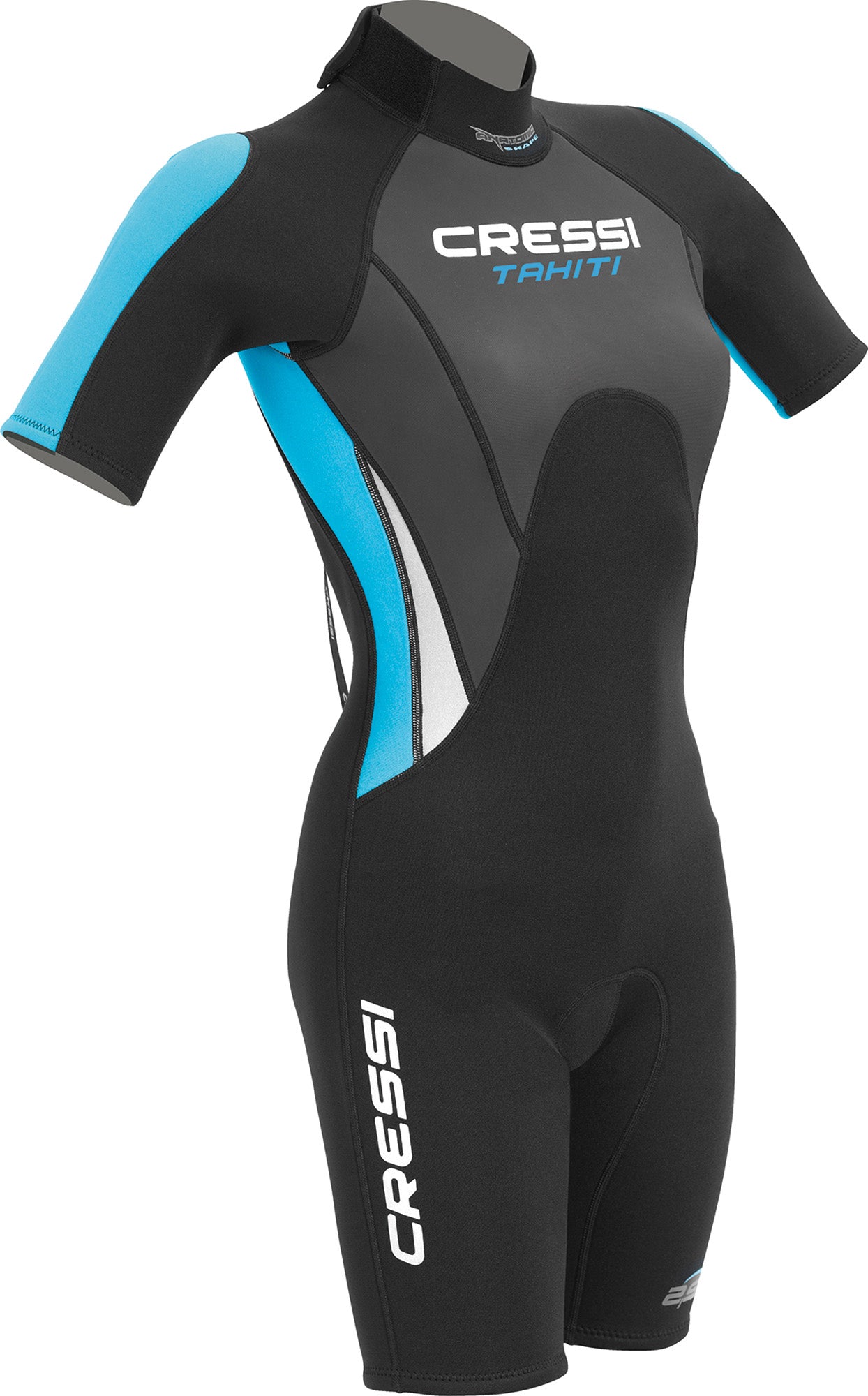
Additionally, divers with high blood pressure may benefit from using integrated weight systems that distribute weight evenly and reduce strain on the body. Properly fitting wetsuits and masks can also contribute to a comfortable and safe diving experience, allowing divers to focus on the wonders of the underwater world.
Embark on your underwater journey with confidence by choosing Lancaster Scuba for all your diving needs. Whether you're managing high blood pressure or simply seeking a trusted partner for your diving adventures, we've got you covered. Check out our scuba gear and experience the seamless integration of Gear, Dive, and Travel. With our expert instruction, top-notch equipment, and exciting travel opportunities, you're set for a safe and memorable dive, every time.


{"one"=>"Select 2 or 3 items to compare", "other"=>"{{ count }} of 3 items selected"}