

Exploring the Depths: Spearfishing in San Diego
Dive into the exhilarating world of spearfishing in San Diego! Discover the best spots, techniques, and gear for an unforgettable underwater adventure.
Read now
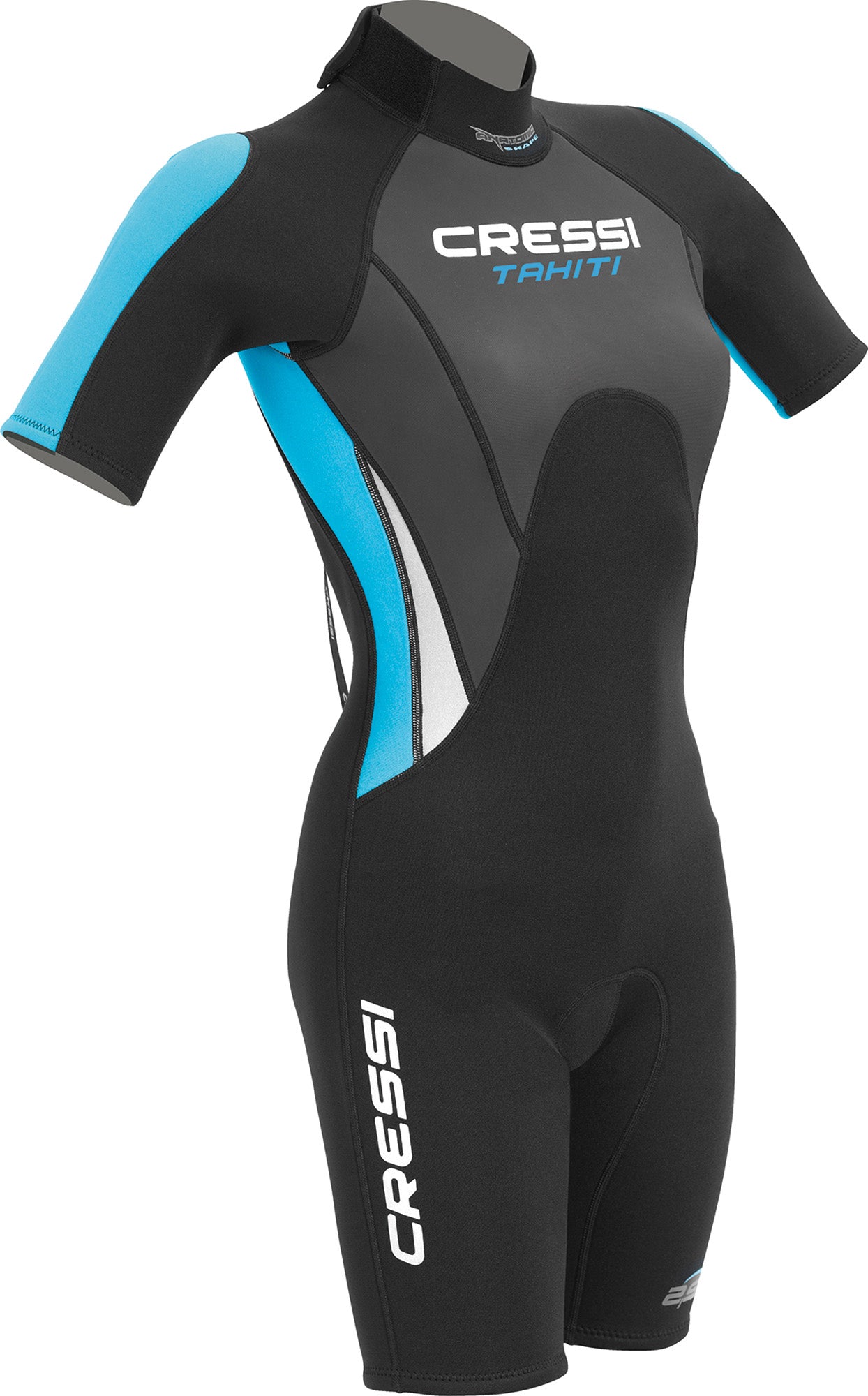
In the realm of aquatic adventures, where the thrill of exploring underwater worlds captivates many, the question of proper gear maintenance often surfaces. Among the most vital pieces of equipment for divers and surfers alike is the wetsuit—a guardian against the cold, a shield in the deep. Yet, in the pursuit of preserving this essential gear, a common query arises: Can you put a wetsuit in the dryer? This exploration is not merely about garment care but delving into the fabric of safety, longevity, and the essence of aquatic adventure.
Understanding the intricacies of wetsuit maintenance is akin to mastering an art. It's about protecting a companion that stands between you and the profound depths of the ocean. Let's embark on a journey to uncover the truths and myths surrounding wetsuit care, ensuring that your adventures continue with both safety and exhilaration intact.
At the core of every wetsuit is the material—neoprene. This synthetic rubber is the lifeline of the wetsuit, providing insulation and flexibility. However, neoprene's very essence is also its vulnerability. Exposure to high temperatures and harsh conditions can compromise its integrity, leading to decreased insulation and flexibility. Understanding this fundamental characteristic is crucial in the discourse on whether a wetsuit can brave the environment of a dryer.
Neoprene's composition is a delicate balance, designed to trap a thin layer of water between the suit and the skin. This water is then warmed by the body, forming a protective thermal barrier. The preservation of this material's properties is paramount for the wetsuit to perform its function effectively.
When it comes to the question at hand—can you put a wetsuit in the dryer—the answer leans heavily towards caution. The consensus among manufacturers and seasoned divers is a resounding no. The intense heat and tumbling action of a dryer can cause significant damage to the neoprene, leading to issues such as cracking, hardening, and even shrinkage. Such damage not only diminishes the suit's effectiveness but can also shorten its lifespan considerably.
Statistics from wetsuit repair services highlight that a significant portion of damages they encounter are due to improper care practices, including the use of dryers. These findings underscore the importance of adhering to recommended maintenance guidelines to ensure the longevity and performance of your wetsuit.
With the dryer option off the table, the quest for effective wetsuit drying methods becomes paramount. The goal is clear: to dry your wetsuit efficiently without compromising its material integrity or performance. Here, we explore alternatives that safeguard your gear, ensuring it's ready for your next aquatic adventure.
The most recommended method for drying a wetsuit is air drying in a shaded, well-ventilated area. Direct sunlight can degrade neoprene over time, so finding a spot that avoids harsh UV rays is crucial. Hanging the wetsuit inside out first allows the interior to dry, which is typically more challenging to dry than the exterior. This method ensures that your wetsuit dries evenly and maintains its flexibility and insulation properties.
Patience is key with air drying, as it can take anywhere from 12 to 24 hours for a wetsuit to fully dry, depending on the thickness of the neoprene and the ambient conditions. Planning your dives or surf sessions with this drying time in mind ensures that your wetsuit is always ready when adventure calls.
For those seeking to expedite the drying process, gently patting down the wetsuit with a towel can remove excess water, reducing overall drying time. This method is particularly useful when you're on the go and need to pack your wetsuit away. However, it's important to avoid wringing out the wetsuit, as this can stretch the neoprene and damage the seams.
Combining towel drying with air drying offers a balanced approach, ensuring that your wetsuit dries more quickly while still preserving its material integrity. This method is especially beneficial for adventurers who engage in frequent water activities and require a swift turnaround.
While drying methods are crucial for maintaining your wetsuit's performance, proper storage is equally important in prolonging its lifespan. After each use, make sure to rinse your wetsuit thoroughly with fresh water to remove salt, sand, and other debris that can degrade the neoprene over time. Once cleaned, hang your wetsuit on a wide, padded hanger to maintain its shape and prevent creases.
It's advisable to store your wetsuit in a cool, dry place away from direct sunlight and heat sources. Avoid folding your wetsuit for extended periods, as this can lead to permanent creasing and damage the material. By following these storage practices, you not only extend the life of your wetsuit but also ensure that it's always ready for your next aquatic escapade.
Regularly inspect your wetsuit for any signs of wear and tear, such as fraying seams, punctures, or thinning neoprene. Addressing these issues promptly can prevent further damage and extend the life of your wetsuit. Small repairs, such as patching minor tears with neoprene cement or stitching, can be done at home with the right tools and materials.
For more extensive damage or professional alterations, consider seeking the expertise of wetsuit repair services. These professionals have the knowledge and equipment to handle complex repairs and ensure that your wetsuit is restored to optimal condition. Investing in the maintenance of your wetsuit not only saves you money in the long run but also guarantees a safe and enjoyable experience in the water.
When selecting a wetsuit for your aquatic pursuits, consider factors such as thickness, fit, and intended use. Wetsuits come in various thicknesses, typically measured in millimeters, with thicker suits providing more insulation in colder waters. The fit of your wetsuit should be snug but not restrictive, allowing for freedom of movement while maintaining thermal efficiency.
Additionally, the type of wetsuit you choose should align with your activities—whether it's diving, surfing, snorkeling, or swimming. Each activity may require specific features, such as reinforced knee pads for surfing or integrated hoods for diving in colder conditions. By selecting the right wetsuit for your adventures, you enhance both comfort and safety in the water.
Most wetsuits come with care instructions indicated by symbols that provide guidance on how to clean, dry, and store your gear properly. These symbols are typically found on the tag inside the wetsuit and offer valuable information on maintaining its quality. Common symbols include those for machine washing, hand washing, drying, and ironing restrictions.
It's essential to familiarize yourself with these care symbols to ensure that you're following the manufacturer's recommendations for wetsuit maintenance. By adhering to these guidelines, you not only prolong the life of your wetsuit but also optimize its performance during your aquatic adventures.
As stewards of the ocean and its inhabitants, it's imperative to consider the environmental impact of wetsuit care practices. Many cleaning agents, such as harsh detergents and bleaches, can be harmful to marine ecosystems when washed off during wetsuit cleaning. Opting for eco-friendly wetsuit cleaners that are biodegradable and non-toxic helps minimize pollution and protects aquatic life.
Furthermore, when disposing of old wetsuits, explore recycling options to reduce waste and promote sustainability. Some companies specialize in repurposing neoprene into new products, such as yoga mats, laptop sleeves, or even new wetsuits. By choosing environmentally conscious wetsuit care practices, you contribute to the preservation of the marine environment you cherish.
For those inclined towards natural and homemade solutions, there are DIY wetsuit care recipes that can effectively clean and deodorize your gear without harmful chemicals. One popular recipe involves mixing white vinegar and water in a spray bottle to eliminate odors and disinfect the wetsuit. Simply spray the solution inside and outside the wetsuit, then rinse thoroughly with fresh water.
Another eco-friendly option is using baking soda, which can help remove stubborn stains and odors from your wetsuit. Create a paste by mixing baking soda with water and gently scrub the affected areas before rinsing. These simple yet effective DIY solutions not only keep your wetsuit clean and fresh but also align with sustainable practices in wetsuit care.
In the grand tapestry of aquatic exploration, where every dive or surf session is a chapter in a larger saga, the care of your wetsuit is a narrative of its own. It's a story of preservation, respect for the gear that accompanies you into the depths, and a commitment to the adventures yet to come.
Embracing the proper care of your wetsuit is not just about maintenance; it's about honoring the spirit of adventure that drives you to explore the unknown. It's a testament to the respect for the ocean and the experiences it offers. By choosing to care for your wetsuit with diligence and understanding, you ensure that the thrill of discovery, the joy of exploration, and the bond with the marine world continue unabated.
As we conclude this exploration of wetsuit care, let it be a reminder that the adventures we seek in the vast, blue depths are intrinsically linked to the respect and care we show for our equipment. Can you put a wetsuit in the dryer? No, but in that limitation lies an opportunity—an opportunity to dive deeper into the essence of aquatic adventure, with a wetsuit that's as ready for the journey as you are.
At Lancaster Scuba, we understand the importance of quality wetsuit care and the role it plays in your aquatic journeys. With our "Gear. Dive. Travel." approach, we're here to ensure you're equipped for every dive. From top-notch equipment to expert diving instruction and unforgettable travel experiences, we've got you covered. Ready to enhance your underwater adventures? Check out our scuba gear and embrace the ocean with confidence.


{"one"=>"Select 2 or 3 items to compare", "other"=>"{{ count }} of 3 items selected"}