

Exploring the Depths: Spearfishing in San Diego
Dive into the exhilarating world of spearfishing in San Diego! Discover the best spots, techniques, and gear for an unforgettable underwater adventure.
Read now
In the vast expanse of the underwater world, scuba diving emerges as a thrilling adventure, offering a unique blend of serenity and exhilaration. It's an activity that not only allows us to explore the mysteries of the deep but also challenges our physical and mental boundaries. However, as we ascend back to the surface and consider returning to our daily lives, a critical question arises: Can you fly after scuba diving? This inquiry is not just about transitioning from one adventure to another but understanding the essential safety protocols that safeguard our health.
Understanding the relationship between scuba diving and flying involves delving into the principles of pressure and gas absorption. It's a fascinating journey into how our bodies interact with the environment under the sea and in the air.
At the heart of the matter is decompression sickness (DCS), a condition that can occur if dissolved gases in the body form bubbles as pressure decreases. When we dive, the pressure increases, and our bodies absorb more nitrogen from the breathing gas. If we ascend too quickly or fly too soon after diving, this nitrogen can form harmful bubbles in our tissues and bloodstream.
DCS can manifest in various ways, from joint pain and rashes to more severe neurological symptoms. It's a reminder of the delicate balance our bodies must maintain when transitioning between extreme environments.
Research and experience have led to the development of guidelines designed to minimize the risk of DCS. These guidelines suggest waiting periods based on the depth and duration of dives, as well as the number of dives completed. For example, after a single no-decompression dive, a wait of at least 12 hours is recommended before flying. For multiple dives or decompression dives, a longer wait is advisable.
These guidelines are not arbitrary rules but are grounded in scientific research and real-world experience. They serve as a testament to the diving community's commitment to safety and enjoyment of the sport.
While the focus is often on the effects of pressure and gas absorption in diving, the role of hydration is equally crucial. Staying hydrated before, during, and after a dive can help prevent dehydration, which can exacerbate the risks of DCS. Dehydration can also impact our cognitive functions and physical performance underwater, emphasizing the need for adequate hydration as part of dive preparation.
Dive computers have revolutionized the way we dive and manage our safety, offering real-time data and personalized decompression calculations.
Dive computers monitor depth, time, and ascent rate, providing divers with critical information to prevent DCS. They calculate nitrogen absorption and release, adjusting dive profiles in real-time to keep divers within safe limits. This technology has made diving safer and more accessible, allowing divers to focus on the beauty of the underwater world while minimizing risks.
While the physical aspects of diving are well-documented, the psychological effects of this activity are equally significant. Diving can induce a sense of awe and wonder, triggering a relaxation response in many individuals. Understanding the psychological benefits of diving, such as stress reduction and improved mental well-being, adds another dimension to the overall diving experience.
Despite the advancements in technology, the importance of thorough dive planning cannot be overstated. Dive computers are tools that aid in decision-making but do not replace the need for proper training and adherence to safety protocols. Divers must understand their equipment, plan their dives according to their experience level, and always have a margin for error.
The allure of exploring both the depths of the ocean and the heights of the skies is undeniable. However, this dual adventure requires careful planning and understanding of the risks involved.
Many divers have stories of seamless transitions from diving adventures to flying to new destinations. These experiences, while exciting, always emphasize the importance of following safety guidelines to avoid DCS. Personal responsibility and adherence to recommended wait times ensure that the adventure continues safely.
Weather conditions play a significant role in both diving and flying activities. Understanding how weather patterns can affect visibility underwater and air travel safety is essential for all adventurers. From stormy seas to turbulent skies, being aware of weather forecasts and their implications is a fundamental aspect of responsible exploration.
For those who heed the guidelines, the world opens up with endless possibilities for adventure. From exploring coral reefs to soaring above the clouds, the key to a fulfilling experience lies in understanding and respecting the environments we choose to explore. The wait between diving and flying is not just a safety measure but an opportunity to reflect on the beauty of our adventures and plan the next journey with excitement and anticipation.
In the grand tapestry of adventures that life offers, scuba diving and flying stand out as experiences that challenge our perceptions and expand our horizons. The question of whether you can fly after scuba diving is more than a matter of timing; it's a reflection of our respect for the natural world and our commitment to exploring it safely. By adhering to safety guidelines, embracing technology like dive computers, and planning our adventures with care, we ensure that our journeys above and below the waves are not only exhilarating but also responsible and safe.
As we navigate the wonders of the earth and sky, let us do so with a sense of responsibility and wonder, always mindful of the delicate balance that allows us to explore the depths of the ocean and the heights of the heavens. The adventure awaits, but it demands our respect, understanding, and commitment to safety.
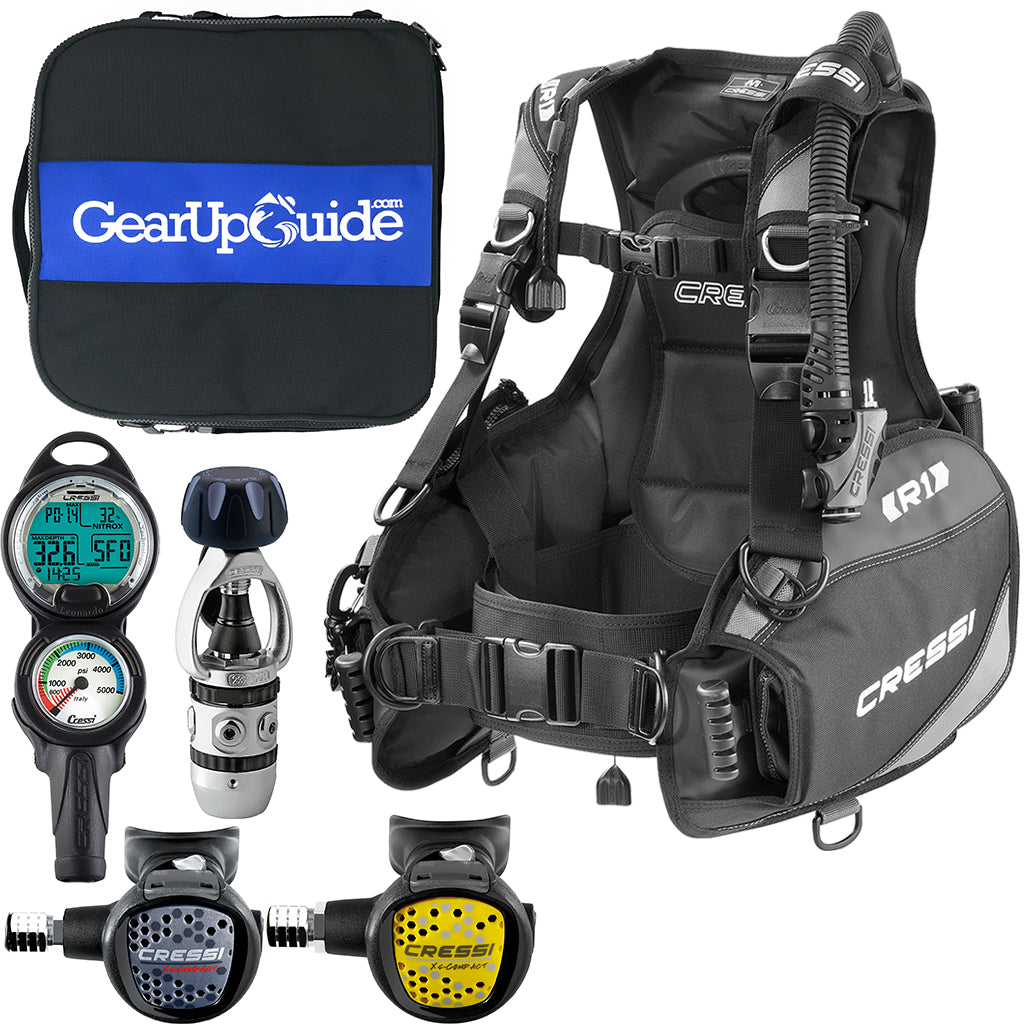
Ready to take the plunge into your next scuba diving journey with confidence and the right gear? Lancaster Scuba is here to ensure your underwater explorations are equipped with top-notch safety and style. Whether you're gearing up for your first dive or seeking new thrills in exotic waters, we've got you covered. Check out our scuba gear and embrace the "Gear. Dive. Travel." experience to make your aquatic adventures unforgettable.


{"one"=>"Select 2 or 3 items to compare", "other"=>"{{ count }} of 3 items selected"}