

Exploring the Depths: Spearfishing in San Diego
Dive into the exhilarating world of spearfishing in San Diego! Discover the best spots, techniques, and gear for an unforgettable underwater adventure.
Read now
In the vast expanse of the ocean, where the dance of marine life unfolds beneath the waves, lies a simple yet profound question that beckons the curious and adventurous alike: Can you breathe underwater with a snorkel? This inquiry, at its core, is not just about the mechanics of snorkeling but about unlocking the door to underwater exploration and the boundless adventures that await.
Snorkeling stands as a gateway to the underwater world, offering a glimpse into an environment teeming with life and colors that defy imagination. It is an activity that bridges the gap between our terrestrial existence and the mysteries of the deep.
At its most basic, snorkeling is the practice of swimming through water while equipped with a diving mask, a shaped breathing tube called a snorkel, and usually swim fins. This gear allows the snorkeler to observe underwater attractions for extended periods with relatively little effort and to breathe while face-down on the surface of the water.
The snorkel, a marvel of simplicity and function, is essentially a tube that extends above the surface of the water, allowing the person to breathe while maintaining a face-down position. The top of the snorkel is kept above the water, and the other end is held in the mouth by the snorkeler, providing a continuous supply of air.
To truly grasp the concept of breathing underwater with a snorkel, one must delve into the mechanics of how a snorkel works and the limitations that come with it.
A snorkel operates on the principle of air delivery. The snorkeler inhales air through the tube, which is connected to the mouthpiece. As long as the top of the snorkel remains above the water's surface, fresh air is accessible to the snorkeler. However, if the top of the snorkel submerges, water can enter the tube, necessitating the need for the snorkeler to clear the snorkel of water upon resurfacing.
While snorkeling offers an exhilarating experience, it is not without its limitations. The depth at which one can snorkel is restricted by the length of the snorkel tube and the snorkeler's ability to hold their breath. Deep dives are not feasible, as the snorkel cannot provide air from the surface once submerged beyond a shallow depth.
As with any adventure into the natural world, safety and education are paramount. Snorkeling, while accessible, requires awareness and preparation to ensure a safe and enjoyable experience.
Understanding the basics of snorkeling technique, including how to clear water from the snorkel and how to properly use the equipment, is crucial. Many diving schools and aquatic centers offer snorkeling courses that cover these essentials, emphasizing the importance of being comfortable and confident in the water.
Snorkelers should always be mindful of their environment, including currents, weather conditions, and marine life. Snorkeling with a buddy is strongly recommended, as is informing someone onshore of your plans. Additionally, checking equipment before each use and being aware of one's physical limitations can prevent accidents and ensure a positive snorkeling experience.
Snorkeling opens up a world of adventure, allowing individuals to explore coral reefs, observe fascinating marine creatures, and even discover underwater ruins. It is an activity that enriches the soul and expands our understanding of the natural world.
With a snorkel, the ocean's surface becomes a portal to a world filled with wonders. From the vibrant coral gardens of the Caribbean to the serene kelp forests of the Pacific, snorkeling offers an unparalleled opportunity to connect with the marine environment in a personal and profound way.
Each snorkeling adventure is a journey of discovery. Whether it's witnessing the graceful ballet of a school of fish or the slow dance of a sea turtle, snorkeling provides a unique perspective on the interconnectedness of all life and the importance of preserving our oceans for future generations.
Aside from the sheer joy of exploring underwater wonders, snorkeling offers a myriad of benefits for both the body and the mind. The physical activity of swimming and navigating through the water provides an excellent cardiovascular workout, strengthening muscles and improving overall fitness. Additionally, the tranquility of the underwater world and the mesmerizing sights of marine life have a calming effect on the mind, reducing stress and promoting mental well-being.
Engaging in regular snorkeling can have a positive impact on one's health. The low-impact nature of the activity makes it suitable for individuals of various fitness levels, offering a gentle way to stay active. The rhythmic breathing required while snorkeling can also enhance lung capacity and respiratory function over time, benefiting overall respiratory health.
The meditative quality of snorkeling, combined with the awe-inspiring beauty of the underwater world, creates a sense of peace and wonder that can uplift the spirit. Observing the vibrant colors of coral reefs, the graceful movements of marine creatures, and the vastness of the ocean can evoke a profound sense of connection to nature and a deep appreciation for the world we live in.
When embarking on a snorkeling adventure, having the appropriate gear is essential to ensure comfort, safety, and enjoyment. From selecting the right mask to choosing fins that fit well, each piece of equipment plays a crucial role in enhancing the overall snorkeling experience.
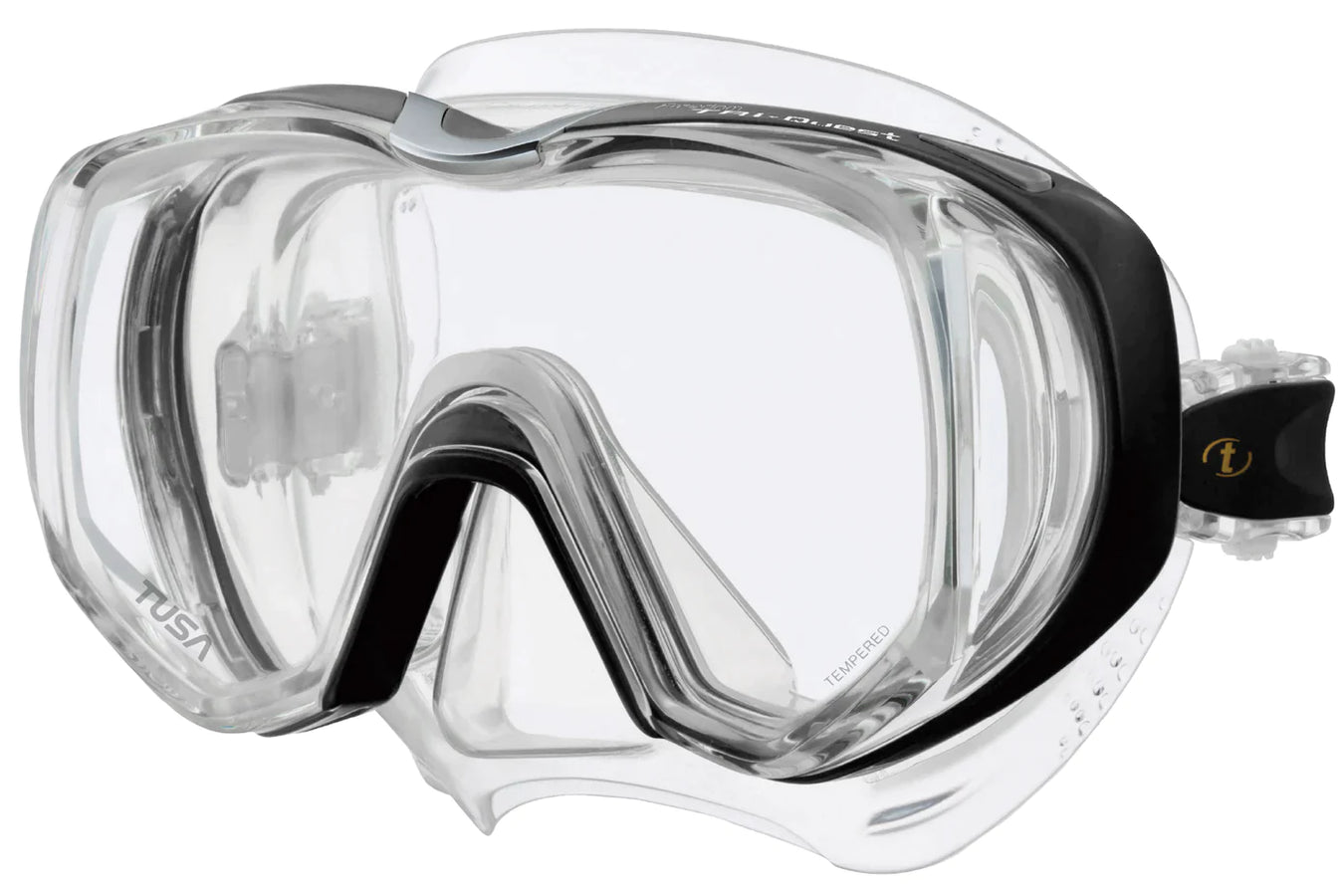
The diving mask is a key component of snorkeling gear, providing a clear view of the underwater world while keeping water out of the eyes and nose. When choosing a mask, it's important to select one that fits snugly on the face without causing discomfort. A good mask should create a watertight seal and offer a wide field of vision for optimal exploration.
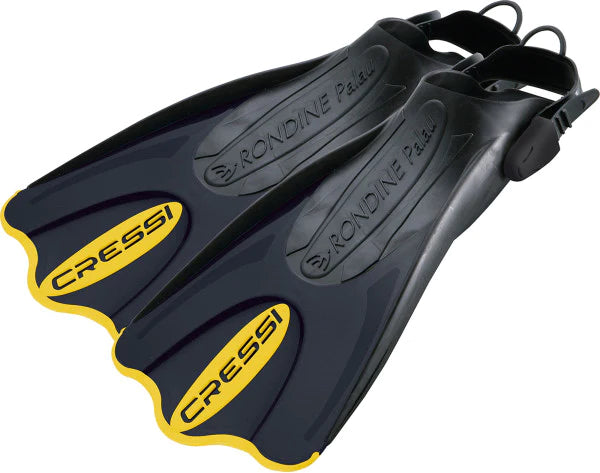
Swim fins are designed to increase propulsion and maneuverability in the water, allowing snorkelers to move more efficiently while conserving energy. When selecting fins, it's crucial to choose a size that fits comfortably and snugly without causing blisters or cramps. The snorkel, as mentioned earlier, should have a comfortable mouthpiece and a proper length to ensure easy breathing while floating face-down on the water's surface.
One of the most captivating aspects of snorkeling is the opportunity to explore diverse underwater ecosystems and witness the intricate balance of life below the surface. From coral reefs teeming with colorful fish to mangrove forests bustling with marine creatures, each underwater habitat offers a unique glimpse into the wonders of nature.
Coral reefs are among the most biodiverse ecosystems on the planet, hosting a myriad of marine species in a kaleidoscope of colors and shapes. Snorkeling around coral reefs allows adventurers to witness the symbiotic relationships between corals, fish, and other organisms, highlighting the delicate harmony of these underwater communities.
Mangrove forests serve as vital nurseries for many marine species, providing shelter and food for young fish, crustaceans, and other organisms. Snorkeling in mangrove habitats offers a glimpse into the intricate root systems that support a rich array of life, from tiny seahorses to elusive octopuses, showcasing the importance of these coastal ecosystems.
As stewards of the ocean, snorkelers have a responsibility to practice good etiquette and conservation principles to protect marine environments and ensure their preservation for future generations. By following guidelines and respecting marine life, snorkelers can minimize their impact on delicate ecosystems and contribute to the sustainability of underwater habitats.
When snorkeling, it's essential to observe marine life from a respectful distance and avoid touching or disturbing animals and plants. By maintaining a passive presence in the water, snorkelers can minimize stress on marine organisms and allow them to carry out their natural behaviors undisturbed.
Snorkelers should strive to reduce their environmental footprint by avoiding littering, using reef-safe sunscreen, and disposing of waste properly. Plastic pollution poses a significant threat to marine ecosystems, so opting for reusable water bottles and eco-friendly products can help protect the ocean and its inhabitants from harmful pollutants.
In conclusion, while the question of whether you can breathe underwater with a snorkel has a straightforward answer, the true essence of snorkeling lies in its ability to serve as a window to the wonders of the underwater world. It is an invitation to adventure, a call to explore, and a reminder of the beauty that lies just beneath the surface, waiting to be discovered.
Ready to take your underwater adventures to the next level? Lancaster Scuba is your gateway to the underwater world. With our extensive selection of top-quality gear, expert diving instruction, and thrilling dive travel opportunities, we're here to ensure your snorkeling curiosity evolves into a full-fledged passion for the deep blue. Whether you're just starting out or looking to expand your diving horizons, we have everything you need. Check out our scuba gear and embark on your next underwater expedition with confidence!


{"one"=>"Select 2 or 3 items to compare", "other"=>"{{ count }} of 3 items selected"}