

Exploring the Depths: Spearfishing in San Diego
Dive into the exhilarating world of spearfishing in San Diego! Discover the best spots, techniques, and gear for an unforgettable underwater adventure.
Read now
In the vast, blue expanse of the ocean, scuba diving emerges as a gateway to unparalleled adventure, offering a glimpse into an underwater world teeming with life and mystery. Yet, beneath the surface of this exhilarating pursuit lies a question that beckons with equal parts curiosity and caution: Can scuba diving cause a stroke? This inquiry not only touches the heart of the diving community but also resonates with anyone who seeks to dive deeper into life's potential while navigating its inherent risks.
Understanding the relationship between scuba diving and the risk of stroke requires a dive into the physiological impacts of underwater exploration. It's a journey that reveals the complexities of the human body when subjected to the unique environment of the deep sea.
At the core of the discussion is decompression sickness (DCS), a condition that can occur when divers ascend too quickly, causing nitrogen bubbles to form in the bloodstream and tissues. These bubbles can lead to a range of symptoms, from joint pain and rashes to more severe neurological issues, including the risk of stroke. DCS underscores the critical importance of education and adherence to safe diving practices.
While DCS is commonly associated with rapid ascents, it's essential to note that other factors, such as dehydration and fatigue, can also increase the risk of developing this condition. Proper hydration before and during dives, along with adequate rest, can play a significant role in mitigating the chances of experiencing decompression sickness.
Another condition, arterial gas embolism (AGE), occurs when a lung over-expansion injury allows air bubbles to enter the bloodstream, potentially blocking blood flow to the brain and causing a stroke. This condition, while rare, emphasizes the importance of proper breathing techniques and controlled ascents during dives.
It's crucial for divers to be mindful of their breathing patterns and to avoid breath-holding, especially during ascents. By maintaining steady, controlled breathing and being aware of any signs of lung over-expansion, divers can reduce the risk of AGE and its associated complications, including the potential for stroke.
The narrative of scuba diving is not solely one of risk but also one of empowerment through education. The diving community, much like the band of brothers described by Shakespeare, thrives on shared knowledge and collective vigilance.
Dive training programs are the first line of defense against the risks associated with diving, including the potential for stroke. These programs emphasize the importance of gradual ascents, proper decompression stops, and the avoidance of conditions that increase the risk of DCS and AGE.
Moreover, ongoing education and refresher courses are essential for divers to stay updated on the latest safety protocols and techniques. By continuously honing their skills and knowledge through training, divers can enhance their preparedness and reduce the likelihood of encountering health issues such as strokes during dives.
Innovation in diving equipment and technology also plays a crucial role in mitigating the risks associated with underwater exploration. Modern dive computers, for example, provide real-time data on depth, ascent rates, and decompression requirements, helping divers make informed decisions that reduce the risk of DCS and AGE.
Furthermore, the integration of artificial intelligence (AI) in dive computers is revolutionizing diver safety by analyzing complex dive data in real-time and providing proactive alerts for potential risks. These technological advancements not only enhance the diving experience but also contribute significantly to minimizing the occurrence of diving-related health issues, including strokes.
While the physical risks of scuba diving are well-documented, the psychological aspects of this underwater activity are equally important to consider. The mental preparedness of divers, their ability to manage stress and anxiety underwater, and their decision-making skills all play a crucial role in ensuring a safe and enjoyable diving experience.
Scuba diving can present challenging situations that test a diver's mental resilience and ability to stay calm under pressure. From navigating strong currents to encountering unexpected marine life, divers must be equipped with the psychological tools to handle stress and anxiety effectively.
Practicing mindfulness techniques, such as deep breathing and visualization, can help divers maintain focus and composure during challenging moments underwater. Additionally, participating in stress management workshops and mental resilience training can further enhance a diver's ability to cope with unexpected situations and reduce the likelihood of panic-induced incidents, which could potentially lead to health complications like strokes.
The underwater environment presents divers with a myriad of decisions to make, from choosing dive sites to managing air consumption and handling equipment malfunctions. Effective decision-making skills are paramount in ensuring diver safety and preventing accidents that could result in serious health issues, including strokes.
By practicing scenario-based training and honing their decision-making processes through simulated dive emergencies, divers can improve their ability to assess risks, prioritize actions, and respond calmly to challenging situations. These proactive measures not only enhance diver safety but also contribute to a more confident and enjoyable diving experience for individuals of all skill levels.
The allure of scuba diving lies not only in the beauty and mystery of the underwater world but also in the spirit of adventure that drives divers to explore beyond the known. This spirit, however, is complemented by a commitment to safety and a deep understanding of the risks involved.
Within the diving community, stories of caution and triumph serve as powerful reminders of the importance of safety. Tales of narrow escapes from DCS and successful recoveries from diving-related health issues highlight the resilience of divers and the critical role of emergency preparedness and response.
Sharing personal experiences of overcoming challenges and learning from mistakes fosters a culture of continuous improvement and mutual support within the diving community. By listening to and reflecting on these stories, divers can gain valuable insights, enhance their own safety practices, and contribute to a culture of shared responsibility for diver well-being.
As we navigate the depths of the ocean and the complexities of the human body, the question of whether scuba diving can cause a stroke invites us to explore with both caution and curiosity. It challenges us to balance our thirst for adventure with a commitment to safety, education, and the well-being of the diving community.
In the end, the journey of a diver is not just about exploring the mysteries of the deep but about diving deeper into our own potential, armed with knowledge, experience, and a relentless pursuit of adventure, all while safeguarding our health and the vibrant community we are part of.
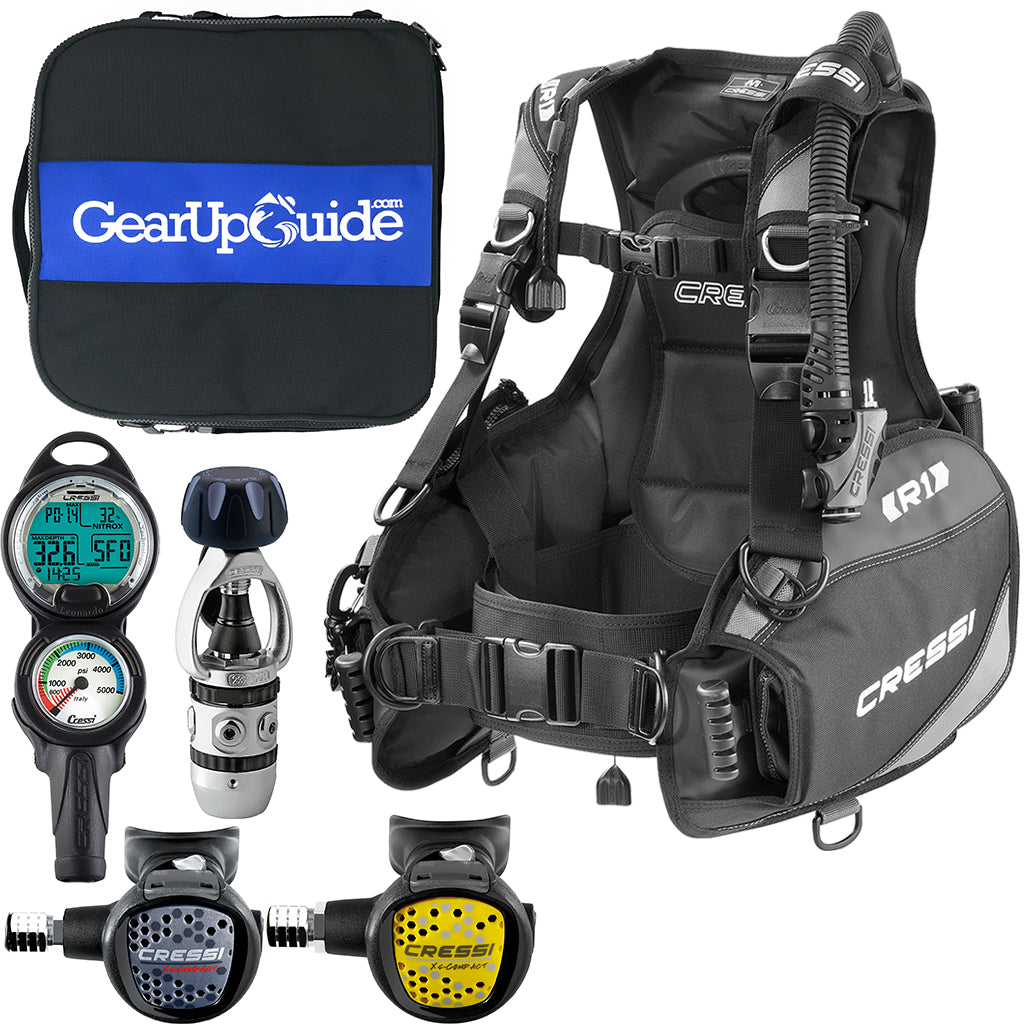
As you contemplate the delicate balance between the thrill of discovery and the importance of safety in scuba diving, remember that the right gear is paramount. Lancaster Scuba is dedicated to enhancing your underwater adventures and ensuring your peace of mind with top-notch equipment and expert guidance. Whether you're a seasoned diver or just starting out, check out our scuba gear and embrace the depths with confidence. Gear up, dive in, and travel the seas with Lancaster Scuba – your partner in underwater exploration.


{"one"=>"Select 2 or 3 items to compare", "other"=>"{{ count }} of 3 items selected"}