

Exploring the Depths: Spearfishing in San Diego
Dive into the exhilarating world of spearfishing in San Diego! Discover the best spots, techniques, and gear for an unforgettable underwater adventure.
Read now
In the realm of aquatic adventures, snorkeling stands out as a mesmerizing experience that invites enthusiasts to explore the vibrant world beneath the waves. It's a question that often surfaces—can non-swimmers partake in this underwater journey? The answer is a resounding affirmation, woven with caution, preparation, and an unyielding spirit of adventure. This exploration is not just about floating on the water's surface; it's a dive into the possibilities that lie within us all.
Embarking on a snorkeling adventure without a swimming background might seem daunting at first glance. However, with the right approach and understanding, the ocean's wonders become accessible to everyone. It's about building a bridge between desire and reality, ensuring that safety and enjoyment walk hand in hand.
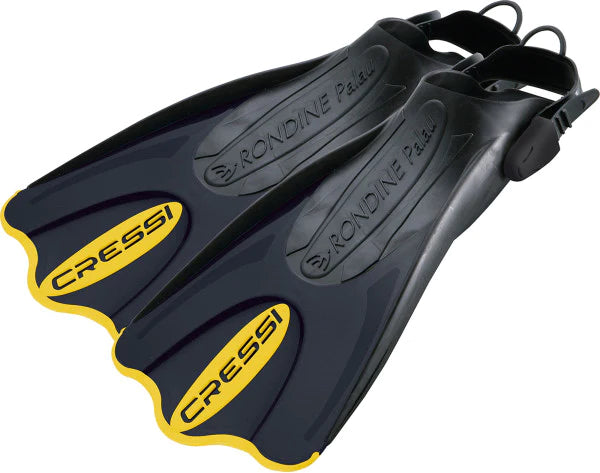
Snorkeling is an activity that allows individuals to observe underwater life for extended periods with relatively little effort. It requires the use of a snorkel (a tube allowing the person to breathe while floating face-down on the water's surface) and a mask that provides a clear view of the underwater world. Fins are also commonly used to aid in gentle propulsion.
The beauty of snorkeling lies in its simplicity and the minimal skill requirement, making it an inclusive activity. For non-swimmers, the key is to remain buoyant and comfortable, relying on life vests or flotation devices that ensure safety while enjoying the marine spectacle below.
Preparation is paramount, especially for those who are not confident swimmers. Engaging in a brief training session with a certified instructor can instill the basics of snorkeling, including how to use the equipment, how to breathe properly through the snorkel, and how to signal for help if needed.
Safety measures cannot be overstated. Non-swimmers should always snorkel in the presence of a guide or within a supervised group. Choosing locations known for calm waters and abundant marine life close to the shore can also enhance the experience while minimizing risks.
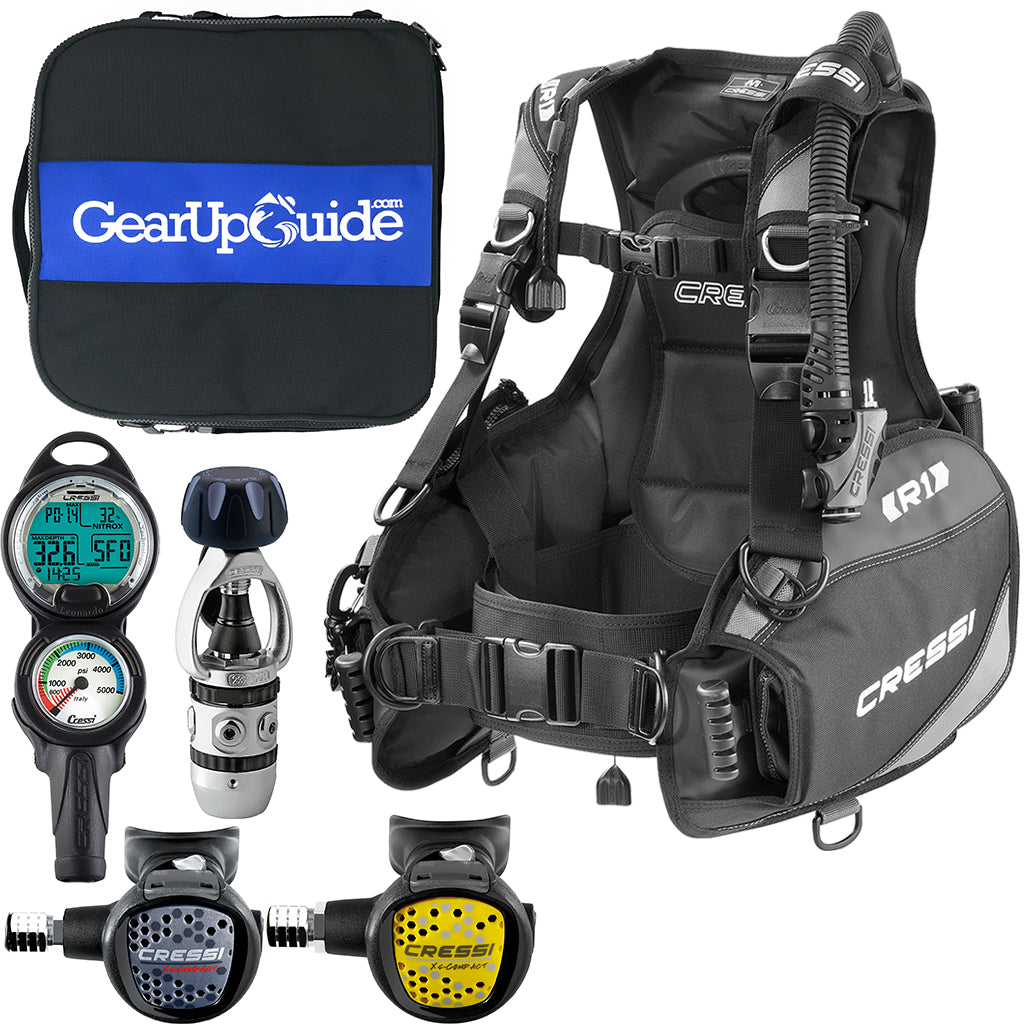
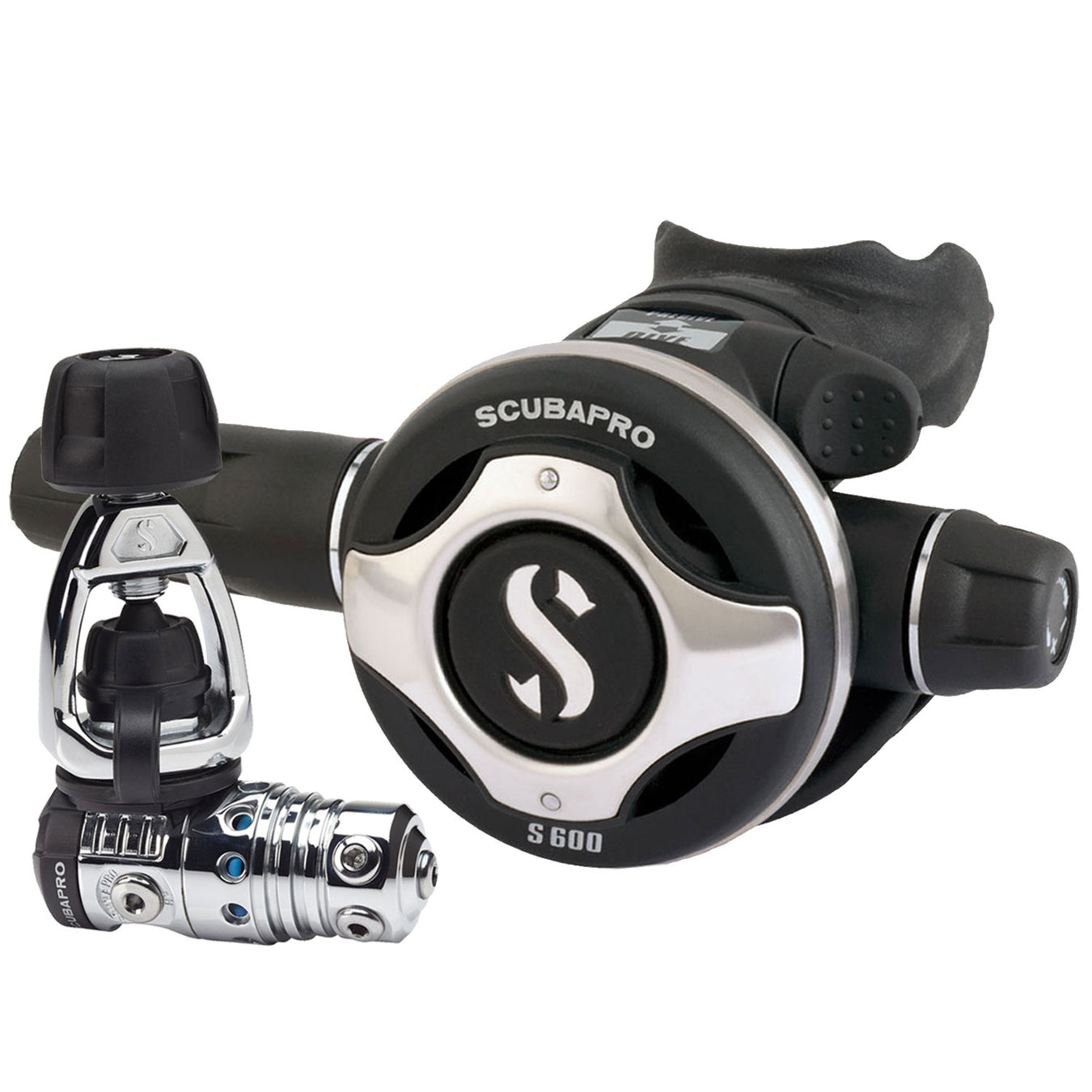
The right equipment acts as a bridge between the snorkeler and the marine environment, ensuring comfort, safety, and an unobstructed view of underwater wonders.
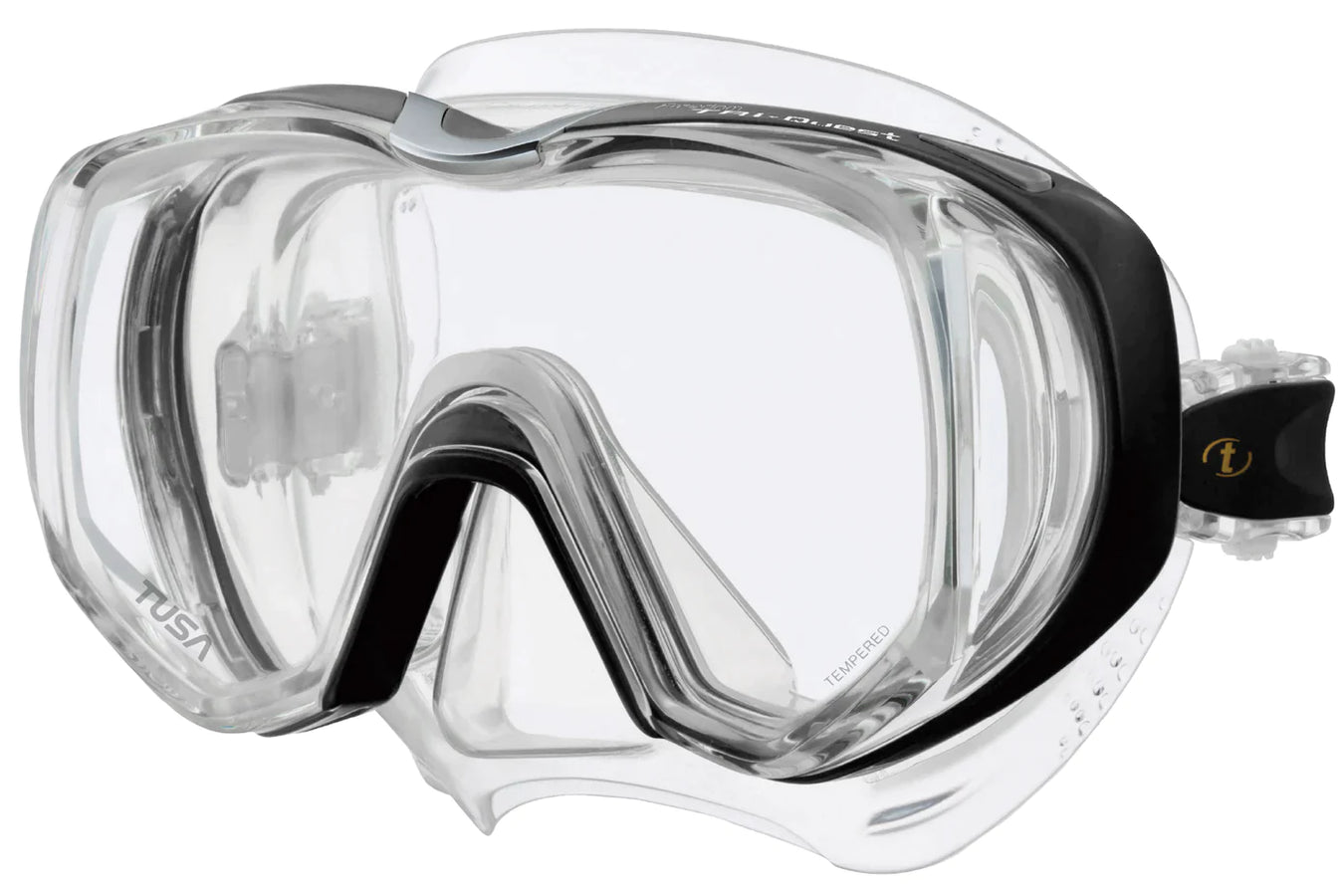
A high-quality snorkel and mask are indispensable for a successful snorkeling experience. For non-swimmers, masks with a comfortable fit and anti-fog properties are recommended to maintain clear vision underwater. The snorkel should be of the right length, with a comfortable mouthpiece and a mechanism to prevent water from entering the tube.
For those who are not confident in their swimming abilities, flotation devices are a non-negotiable aspect of snorkeling gear. Life vests or snorkeling vests provide buoyancy, allowing non-swimmers to float effortlessly on the water's surface. Some vests are equipped with inflation tubes, enabling the wearer to adjust buoyancy as needed.
The call of the ocean is an invitation to explore, to witness the dance of aquatic life, and to be part of a world that thrives in silence and vibrancy alike.
For non-swimmers, selecting the right snorkeling spot is crucial. Sheltered bays, lagoons, and areas with minimal currents offer safer environments. Destinations known for their clear waters and rich marine biodiversity provide rewarding experiences with less effort and risk.
Snorkeling opens up a universe of colors, textures, and movements. From the intricate patterns of coral reefs to the graceful ballet of fish, the underwater world is a testament to nature's artistry. For non-swimmers, the joy of discovery is magnified by the realization that the ocean's beauty is accessible to all, regardless of one's swimming prowess.
As we embrace the adventure of snorkeling, it's imperative to remember our role as stewards of the marine environment. The privilege of witnessing the underwater world comes with the responsibility to protect it.
Understanding the fragility of marine ecosystems is the first step toward their preservation. Snorkelers, swimmers, and non-swimmers alike should adhere to guidelines that prevent damage to coral reefs and marine life, such as not touching or stepping on corals and maintaining a safe distance from wildlife.
Education plays a pivotal role in fostering a deeper appreciation for the marine world. By learning about the challenges facing these ecosystems, snorkelers can become advocates for conservation, spreading awareness and contributing to the protection of our planet's underwater treasures.
When it comes to snorkeling, the experience is not just about observing marine life; it's also about feeling a sense of weightlessness as you float effortlessly, surrounded by the gentle sounds of the ocean. The sensation of being in a different element, where gravity seems to lose its grip, is both liberating and awe-inspiring.
While snorkeling is generally considered a safe and enjoyable activity, challenges may arise, especially for non-swimmers. One common issue is the feeling of claustrophobia that some individuals experience when wearing a mask and snorkel for the first time. To overcome this, it's essential to practice breathing through the snorkel in a calm environment before venturing into deeper waters.
Another challenge non-swimmers may face is the entry of water into the snorkel tube, disrupting the breathing process. This can be unsettling for beginners, but with proper guidance on clearing the snorkel and maintaining a steady breathing rhythm, this obstacle can be swiftly overcome.
Moreover, the sensation of being surrounded by vast expanses of water can trigger feelings of vulnerability in some individuals. It's crucial to remember that snorkeling is a controlled and guided activity, where safety measures are in place to ensure a secure and enjoyable experience for all participants.
To truly enhance the snorkeling experience, non-swimmers can focus on mindfulness techniques that promote relaxation and presence in the moment. By immersing oneself fully in the sights and sounds of the underwater world, distractions fade away, allowing for a deeper connection with nature.
Conscious breathing plays a vital role in snorkeling, especially for non-swimmers who may feel apprehensive about being in the water. By practicing slow, deep breaths and maintaining a steady rhythm, individuals can cultivate a sense of calm and control, enhancing their overall comfort and enjoyment while exploring the marine environment.
Additionally, engaging all the senses—listening to the gentle lapping of the waves, feeling the warmth of the sun on your skin, and observing the vibrant colors of the underwater landscape—creates a multi-dimensional experience that transcends mere observation, transforming it into a sensory journey of discovery and wonder.
For non-swimmers looking to capture their snorkeling adventures and preserve memories of the underwater world, underwater photography presents an exciting opportunity. With advancements in technology, waterproof cameras and smartphone housings allow individuals to document their aquatic encounters with ease.
From colorful fish darting among coral formations to the play of light on the ocean floor, underwater photography enables snorkelers to immortalize the beauty they encounter beneath the waves. By mastering basic photography techniques and experimenting with composition, non-swimmers can create stunning visual narratives of their snorkeling escapades.
Remember, the key to successful underwater photography lies not only in technical proficiency but also in patience and a keen eye for detail. By observing the behavior of marine life and anticipating moments of interest, non-swimmers can capture images that tell compelling stories of their underwater explorations.
In conclusion, snorkeling is a gateway to adventure, accessible to everyone, including those who cannot swim. With preparation, the right equipment, and a respect for the marine environment, the wonders of the underwater world are within reach. It's a journey of discovery, where each splash and each breath taken through the snorkel remind us of the endless possibilities that lie beneath the surface, waiting to be explored.
Ready to dive into the underwater adventure of snorkeling? Lancaster Scuba is here to equip you with everything you need to make your aquatic journey unforgettable. Whether you're a non-swimmer seeking the thrill of marine exploration or a seasoned diver looking to upgrade your gear, we've got you covered. With our expert instruction, high-quality equipment, and exciting travel opportunities, your next snorkeling experience is bound to be a splash. Check out our scuba gear and embrace the wonders of the ocean with confidence and style. Gear up, dive in, and let the adventure begin!


{"one"=>"Select 2 or 3 items to compare", "other"=>"{{ count }} of 3 items selected"}