

Exploring the Depths: Spearfishing in San Diego
Dive into the exhilarating world of spearfishing in San Diego! Discover the best spots, techniques, and gear for an unforgettable underwater adventure.
Read now
In the vast, blue expanse of our world's oceans, spearfishing emerges as a thrilling blend of ancient tradition and modern sport. It's an activity that beckons the adventurous at heart, promising both the serenity of the sea and the exhilaration of the hunt. Yet, as with any venture into nature's realms, it comes wrapped in a tapestry of regulations and ethical considerations. The question of whether one is allowed to spearfish at beaches is not just a query about legality; it's an exploration into the heart of responsible and sustainable adventure.
Understanding the legal framework surrounding spearfishing is crucial for enthusiasts aiming to engage with the sport ethically and lawfully. Regulations vary significantly across different jurisdictions, reflecting the delicate balance between conservation efforts and recreational activities.
Across the globe, the rules governing spearfishing are as diverse as the marine life that inhabits our oceans. In some regions, spearfishing is embraced as a revered tradition, lightly regulated to ensure sustainability. In others, stringent laws are in place, often restricting spearfishing to certain areas, times, or employing specific equipment restrictions to protect local ecosystems.
For instance, in parts of the Mediterranean, spearfishing without tanks is allowed to preserve the underwater environment, while in certain areas of the Caribbean, spearfishing is heavily regulated to protect overfished species. This global patchwork of regulations underscores the importance of local knowledge and respect for regional conservation efforts.
In the United States, the legality of spearfishing varies by state, with coastal states each having their own set of rules. Florida, a hotspot for spearfishing, allows the activity but with specific zones where it is prohibited, such as in many state parks or near swimming areas. California, another popular destination, requires a fishing license and has established Marine Protected Areas (MPAs) where spearfishing is either restricted or entirely banned.
These regulations are not arbitrary; they are carefully crafted to balance the sport of spearfishing with the need to protect marine habitats and species. Adherence to these laws not only ensures the sustainability of spearfishing but also protects the spearfisher from legal repercussions.
Safety in spearfishing transcends the individual, touching on the well-being of both the spearfisher and the marine environment. It's a dual responsibility that every spearfisher must embrace.
The allure of the underwater hunt should never overshadow the importance of safety. Spearfishing, especially near beaches where swimmers are present, requires heightened awareness and precaution. The use of a diving flag to alert others of your presence, maintaining a safe distance from swimming areas, and never spearfishing alone are fundamental safety practices.
Moreover, understanding local marine life and conditions is essential. Currents, tides, and the presence of potentially dangerous species can turn a spearfishing adventure into a perilous endeavor if not properly respected and prepared for.
Responsible spearfishing is synonymous with environmental stewardship. Adhering to size and bag limits, targeting only species that are not overfished or endangered, and avoiding sensitive habitats such as coral reefs and seagrass beds are practices that ensure the sustainability of the sport and the health of marine ecosystems.
Furthermore, the use of selective gear, such as pole spears or slings rather than powered spearguns, can minimize environmental impact and promote a more ethical engagement with the underwater world.
Spearfishing is not merely an activity; it's a privilege that carries with it a responsibility towards the oceans and their inhabitants. The ethical spearfisher approaches the sport with respect, humility, and a commitment to conservation.
In many coastal communities, spearfishing is more than a sport—it's a way of life, deeply intertwined with local culture and traditions. Understanding and respecting these traditions, and adhering to local regulations and customs, is a fundamental aspect of ethical spearfishing.
This respect extends to engaging with local communities, learning from their knowledge and experiences, and contributing positively to the local economy, often by hiring local guides or purchasing equipment from local businesses.
Engaging in spearfishing offers a unique opportunity to contribute to marine conservation efforts. This can take many forms, from participating in citizen science projects that track marine populations to supporting local marine protected areas and conservation initiatives.
By aligning their passion for spearfishing with a commitment to conservation, spearfishers can play a pivotal role in preserving the marine environments they cherish for future generations.
Climate change is a pressing issue that affects all aspects of our environment, including spearfishing. Rising sea temperatures, ocean acidification, and changing marine habitats are altering the dynamics of marine ecosystems, impacting the availability and behavior of fish species targeted by spearfishers.
For spearfishers, understanding these changes is crucial for adapting their practices sustainably. Shifts in fish populations, migration patterns, and the health of coral reefs can influence the success and impact of spearfishing trips. By staying informed about climate change impacts on the oceans, spearfishers can make informed decisions to minimize their ecological footprint and contribute to resilience efforts.
As marine environments evolve due to climate change, spearfishers may need to adjust their gear and techniques to align with shifting conditions. This could involve using different types of spears, targeting alternative species that are more resilient to environmental changes, or modifying hunting strategies to account for variations in fish behavior.
Additionally, incorporating sustainable practices such as reducing plastic waste, participating in beach clean-ups, and advocating for policies that address climate change can amplify the positive impact spearfishers have on marine ecosystems in the face of environmental challenges.
Community engagement and education play vital roles in promoting responsible spearfishing practices and fostering a culture of conservation among enthusiasts. Spearfishing clubs, workshops, and online forums provide platforms for sharing knowledge, experiences, and best practices that prioritize environmental sustainability.
By actively engaging with fellow spearfishers, conservation organizations, and local communities, individuals can broaden their understanding of marine conservation issues, collaborate on research initiatives, and advocate for policies that safeguard marine biodiversity and habitats.
Formal training and certification programs offer spearfishers the opportunity to enhance their skills, deepen their understanding of marine ecosystems, and learn about regulations and conservation strategies. These programs often cover topics such as species identification, sustainable fishing practices, marine first aid, and ethical considerations in spearfishing.
By investing in continuous education and training, spearfishers can not only improve their safety and efficiency in the water but also become ambassadors for responsible fishing practices that prioritize the long-term health of our oceans.
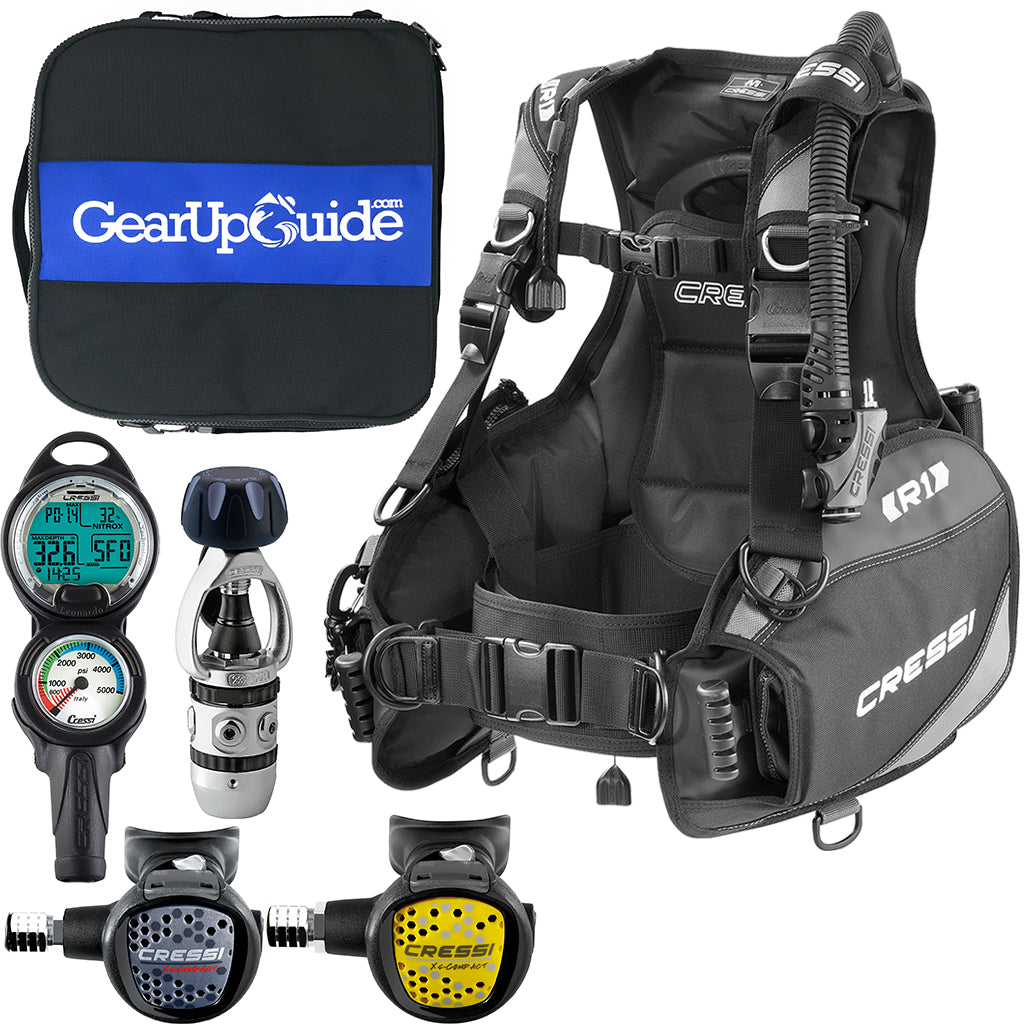
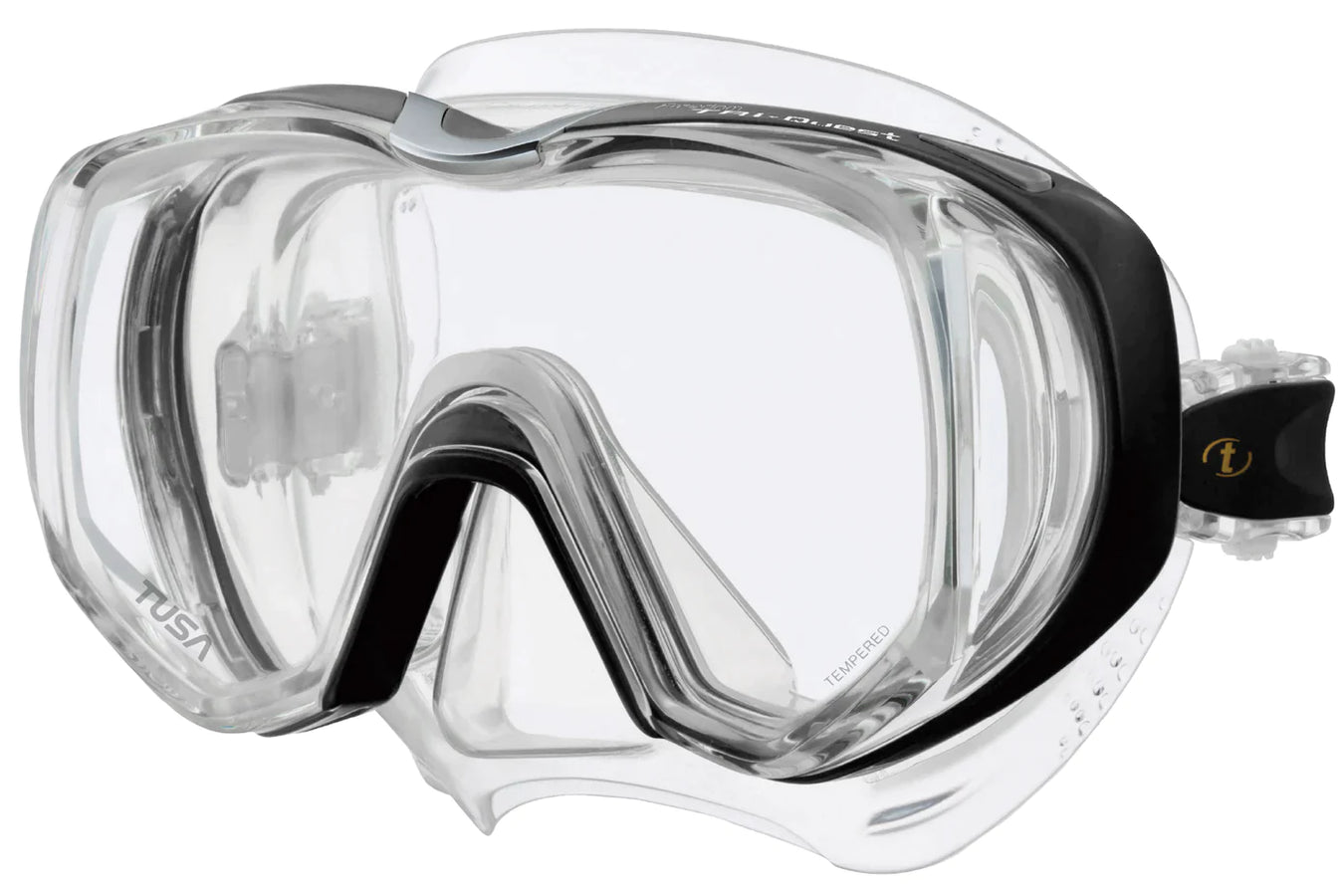
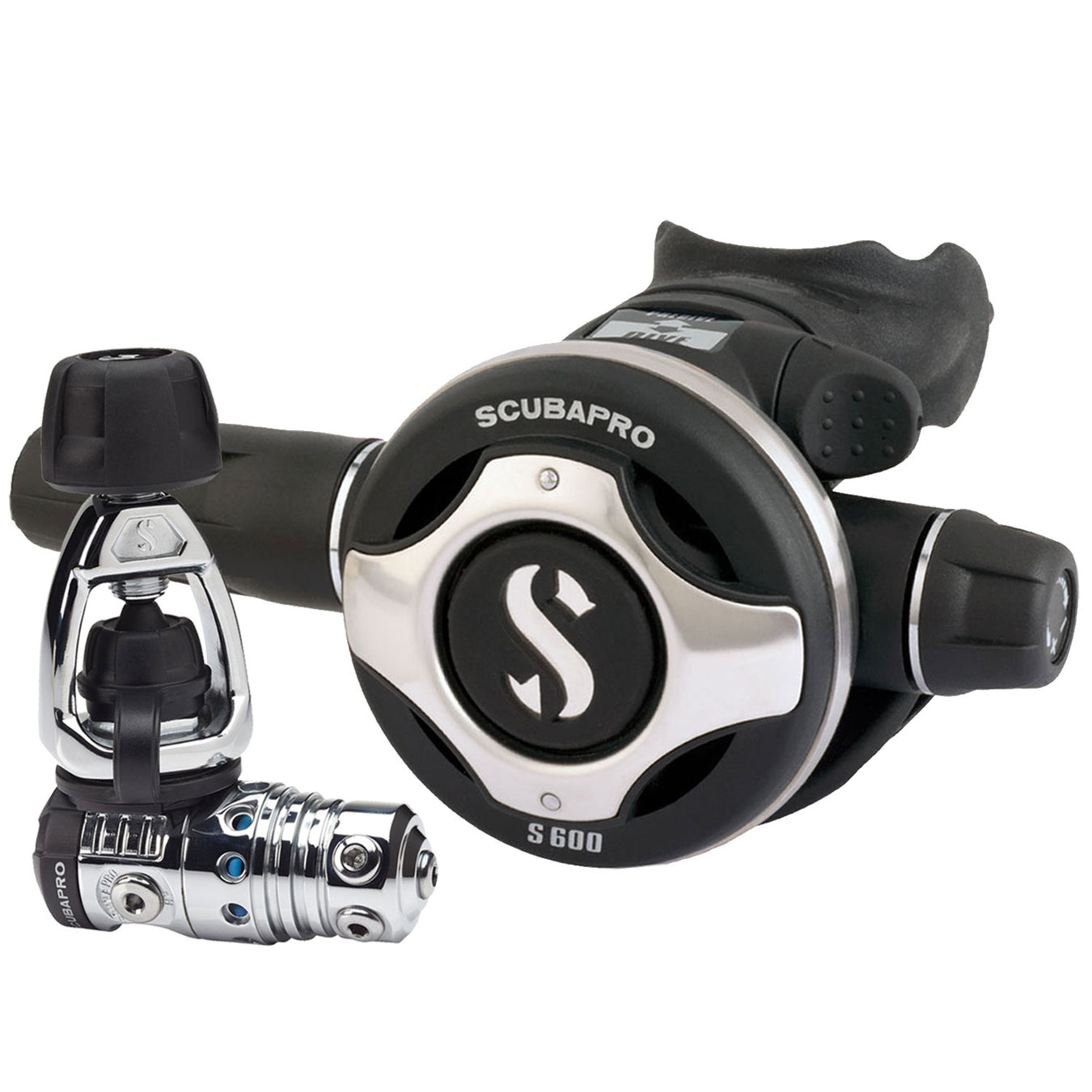
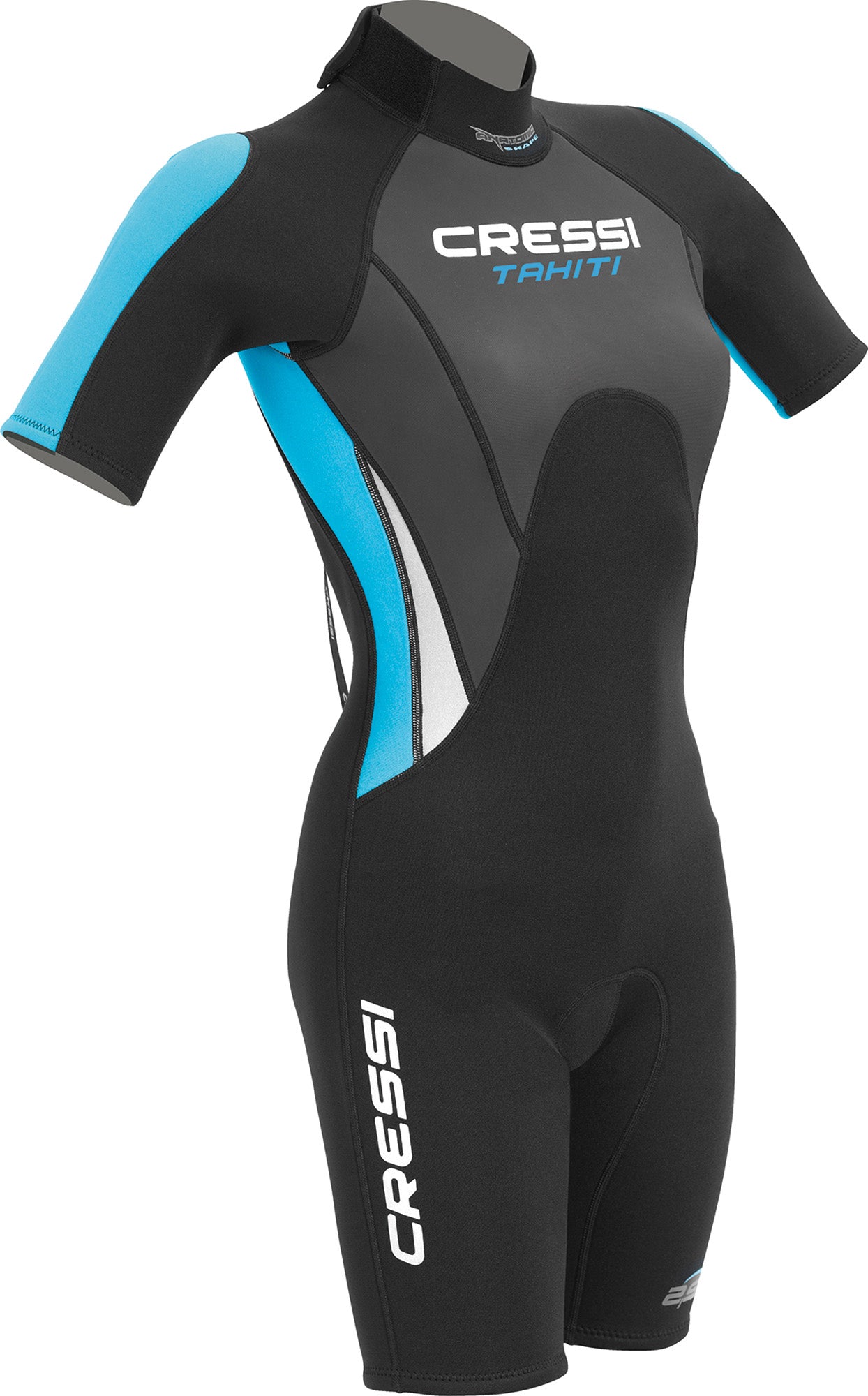
Ready to dive into the world of spearfishing with confidence and skill? Lancaster Scuba is your gateway to mastering this ancient art with a modern twist. From top-notch gear to expert training, we've got everything you need to ensure a safe and exhilarating experience. Embrace the thrill of the hunt and the beauty of the ocean by checking out our scuba gear. Gear up, dive in, and travel to the most captivating underwater destinations with Lancaster Scuba. Your adventure awaits!


{"one"=>"Select 2 or 3 items to compare", "other"=>"{{ count }} of 3 items selected"}